
This Area's Housing
Palo Cedro's median home was built around 1978
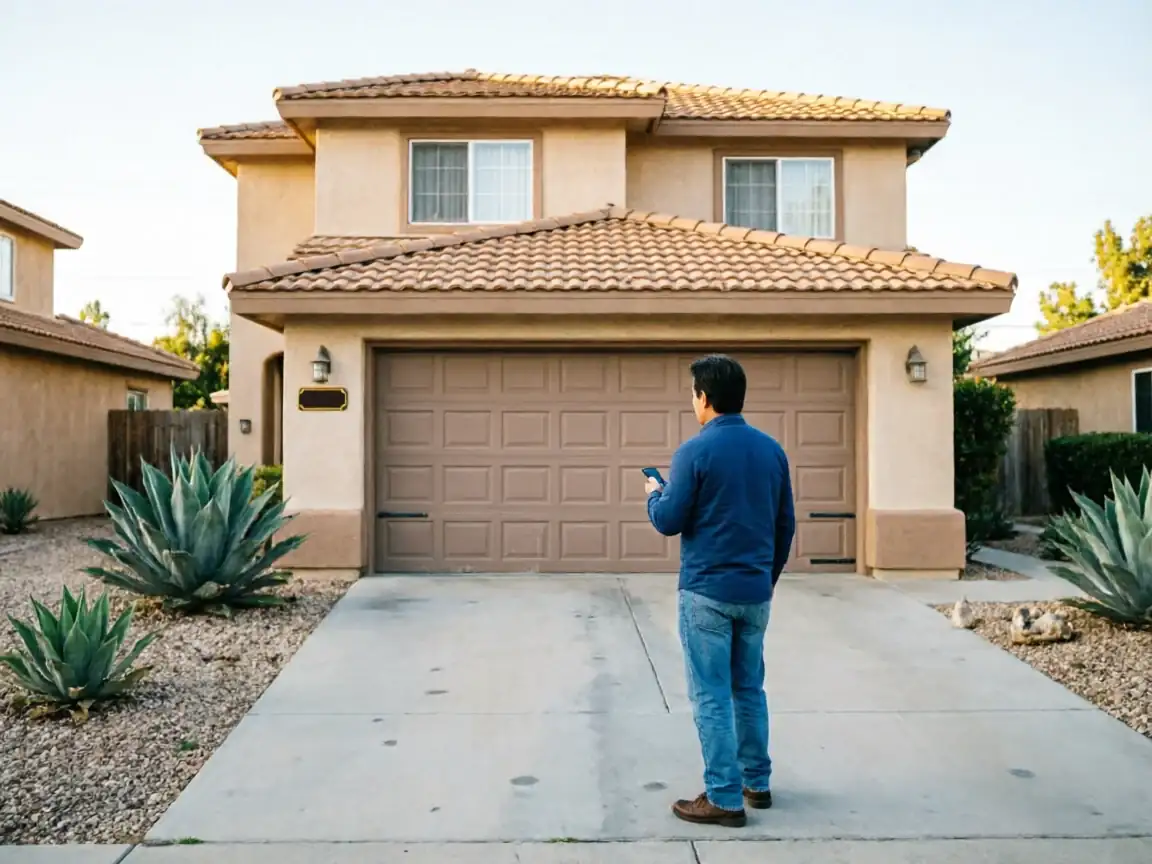
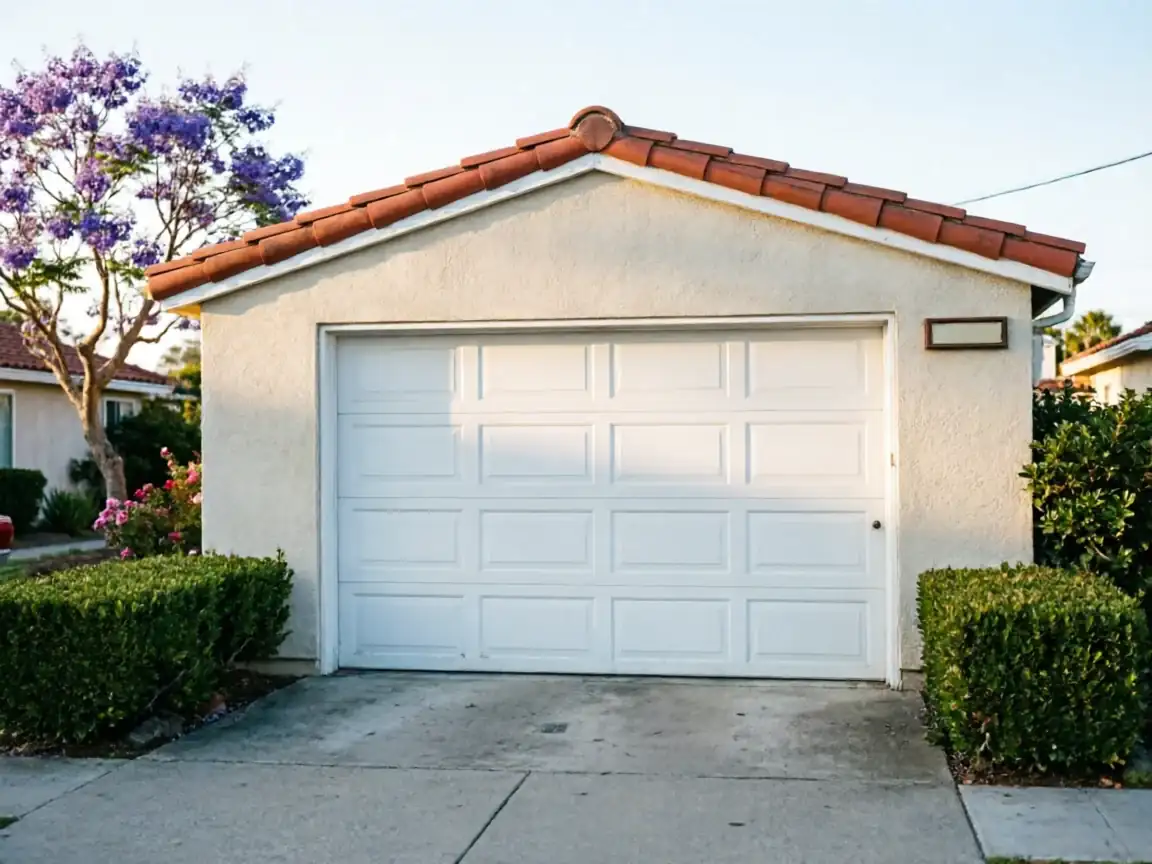
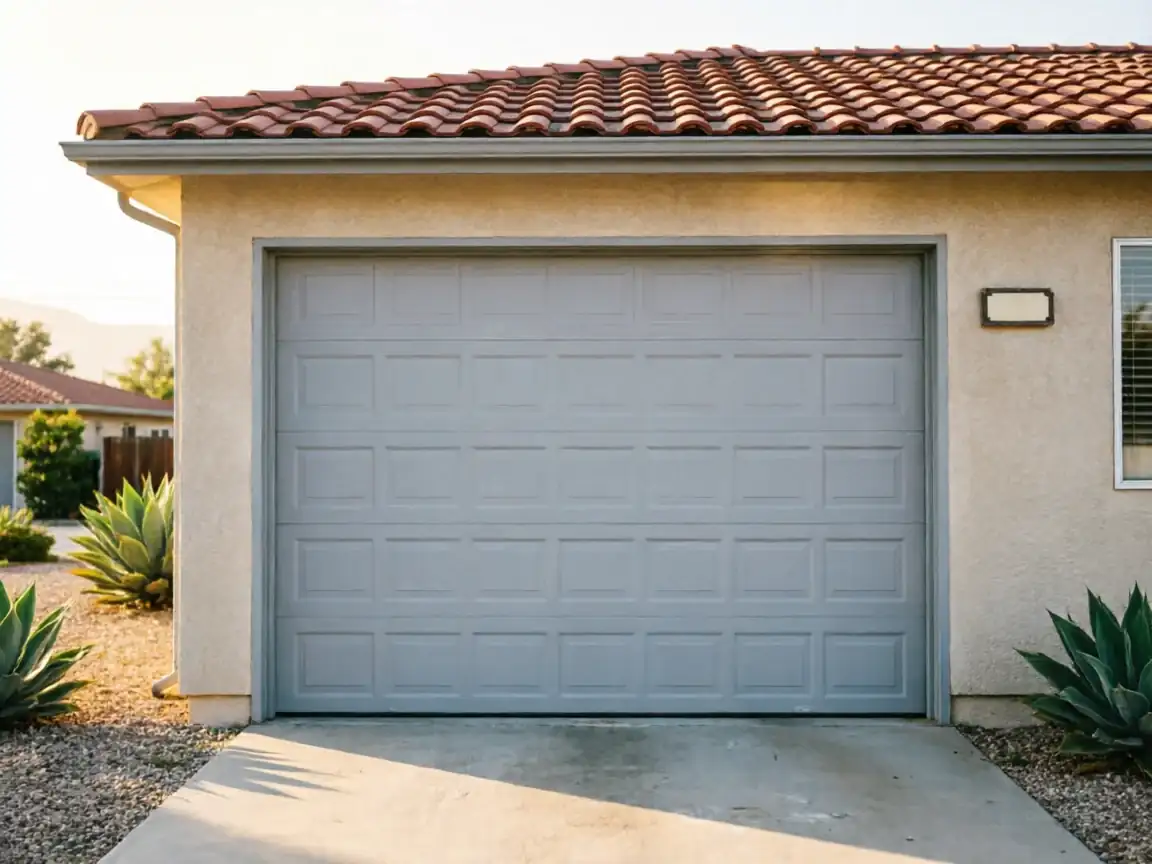
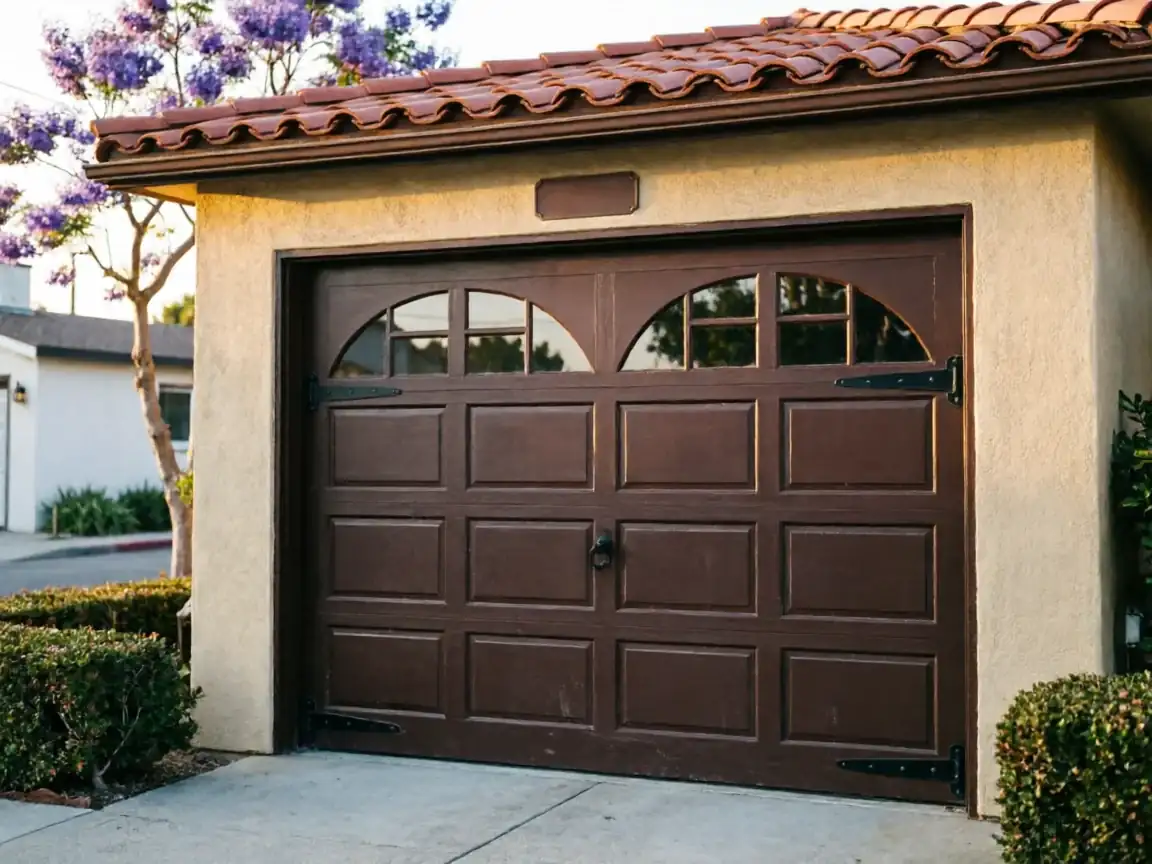
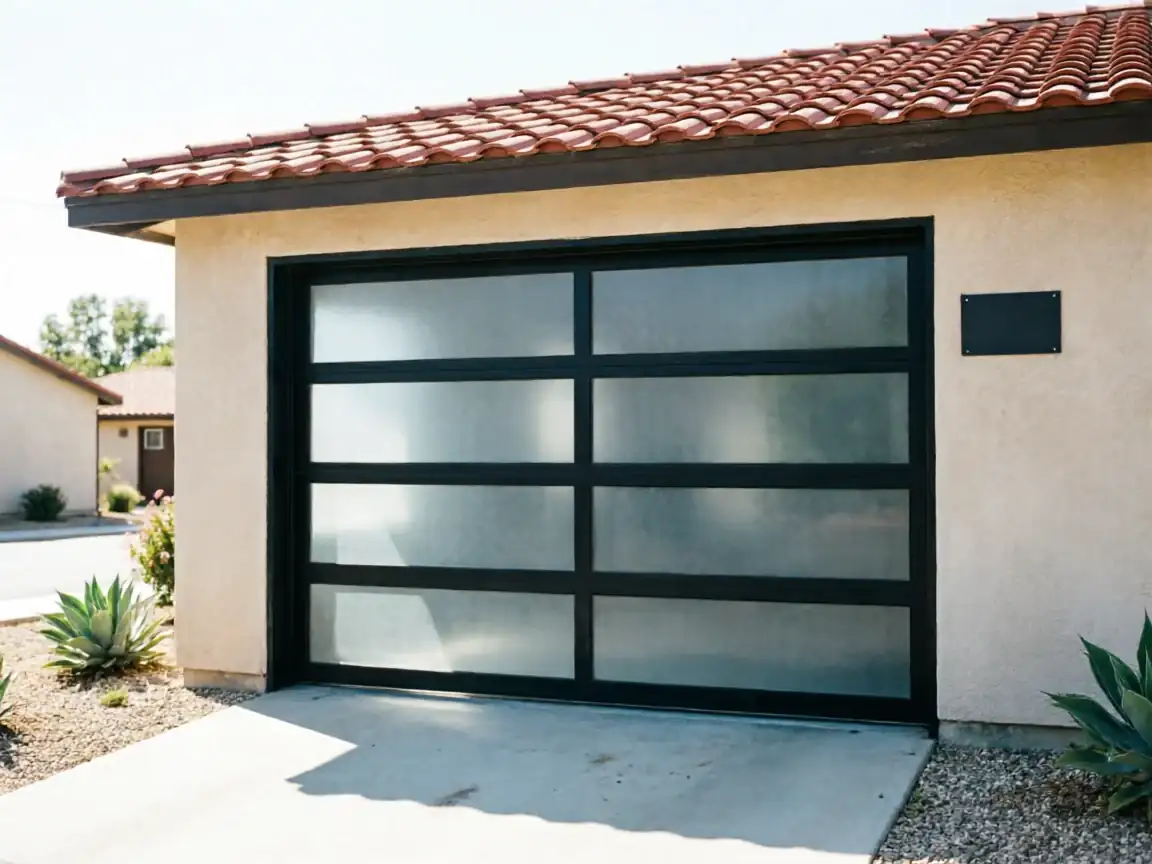
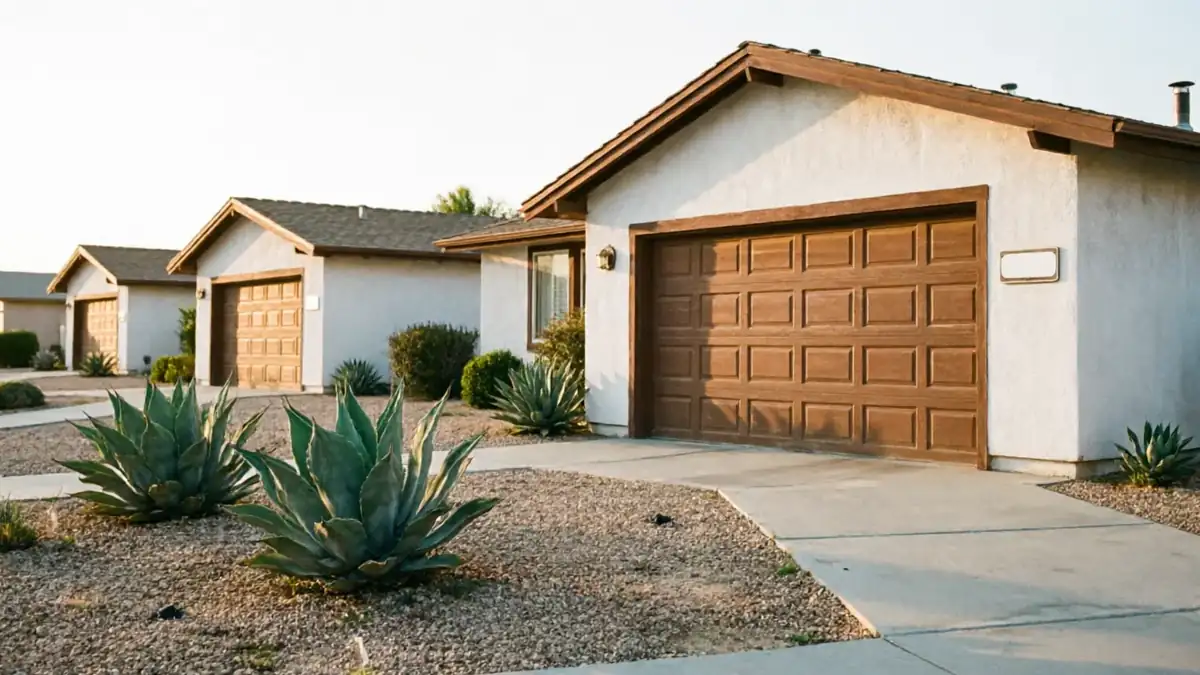
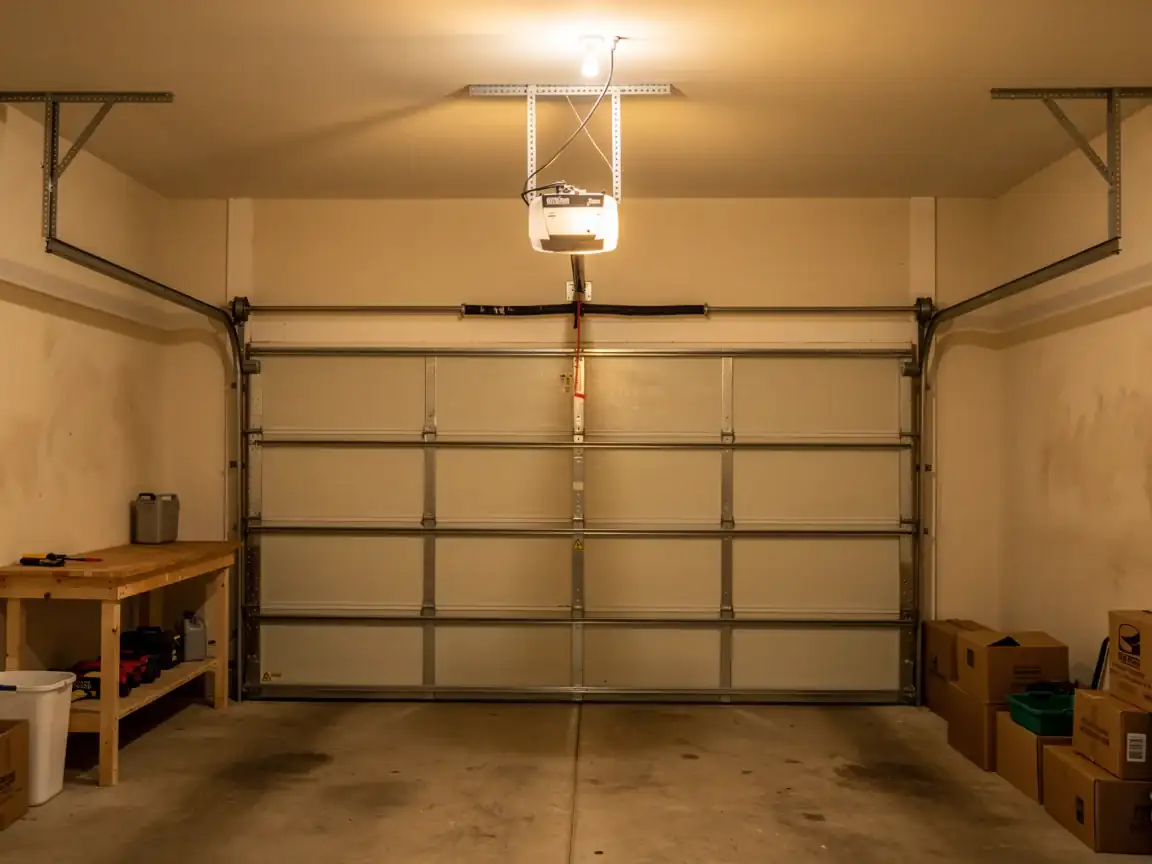
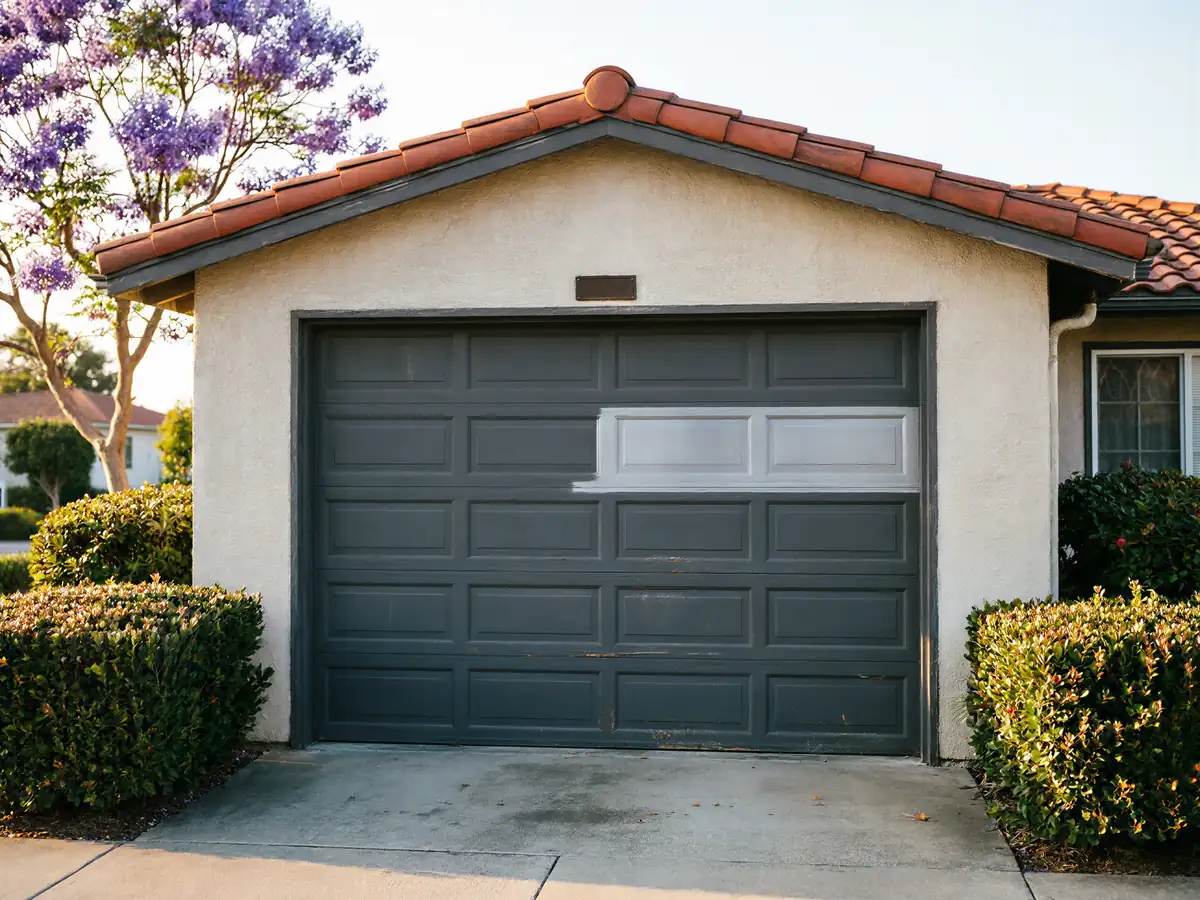
Which puts it right at the front edge of the wider 1980s-90s wave that shaped most of this corner of the Redding service area. That means a lot of original garage doors here are steel sectional units from the late 70s and early 80s, paired with torsion springs and openers that have usually already been swapped once or twice over the decades. Some houses on the older lots still run the single-piece swing-up doors that were common before sectional doors took over - if you've got one of those, your hardware and your failure points are different from the neighbor with a 1990s sectional door.
With 1,206 households in the area and a median income of $118,542, we see a mix here
Original builders' doors that have been patched along for 45 years, and doors that got replaced once in the 2000s and are now due again. The late-70s construction era also means a fair number of these garages have single-car openings with lighter-gauge track than you'd find on newer double-wide builds - worth knowing before you order a replacement door sized for a different house.
- 1,206 households
- $118,542 median household income
- 45 years
How We Get to You
We run out of Redding, about 6 miles from Palo Cedro. That's a short drive on a normal day, and it's close enough that parts runs back to the shop aren't a half-day event if a job needs a part we didn't bring the first time. We don't keep a depot or a crew stationed in Palo Cedro - every truck comes from Redding - so scheduling works the same way it does for any stop that short distance out: we tell you a window, we come from town, and we don't pad the estimate because of the drive.
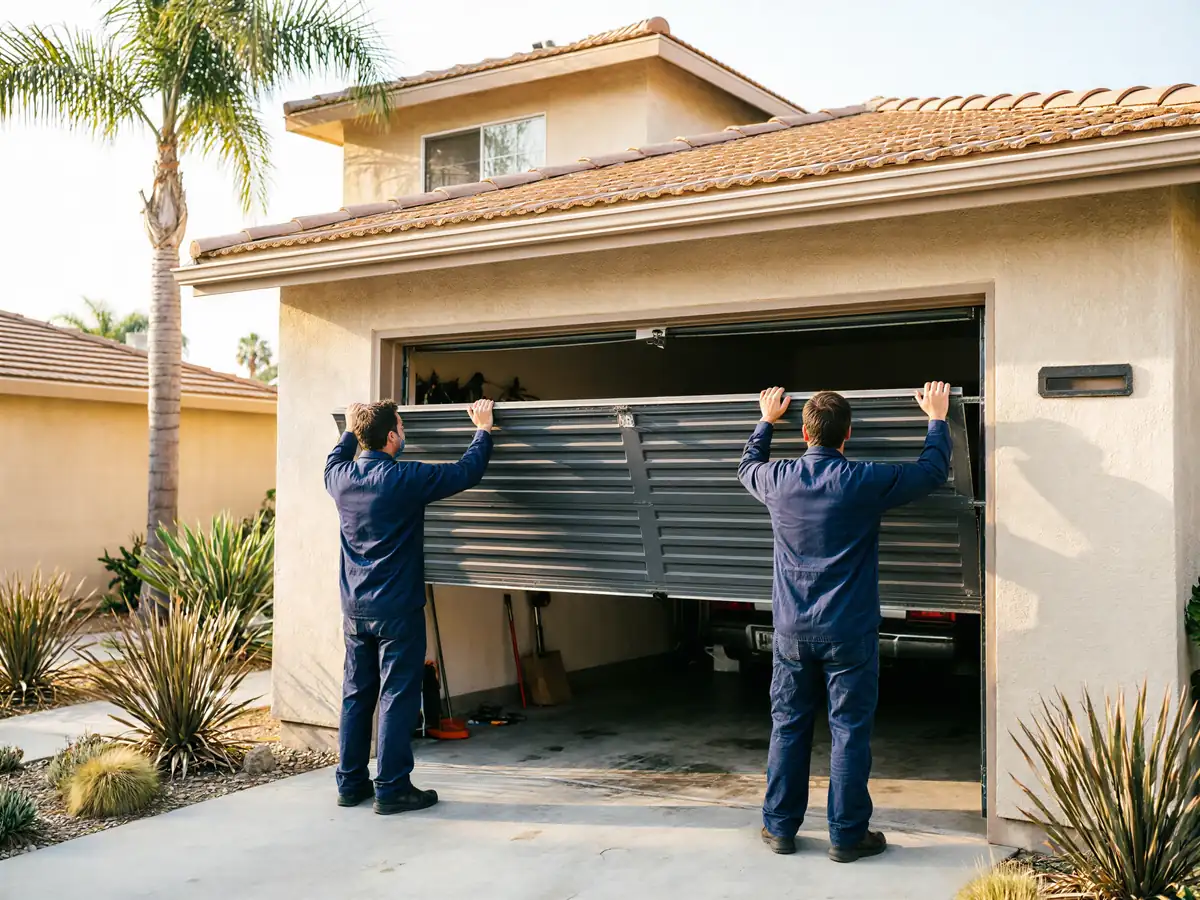
That 6-mile run matters more in July and August than it does in spring. Lifted panels and warped track don't wait for a convenient afternoon, and a short distance means we can usually fit an urgent call into the same day rather than pushing it.
What That Means for Doors
This area sits in a severe-heat climate band, and that has a real effect on garage doors built in the late 1970s. Steel panels from that era don't have the foam-injected insulation that's standard now, so they expand and contract more across a hot afternoon and a cool night - you'll see this as a door that binds slightly in summer or develops a rattle in the panel seams that wasn't there when it was new. Non-insulated doors also push more heat into an attached garage, which matters if the garage shares a wall with living space.
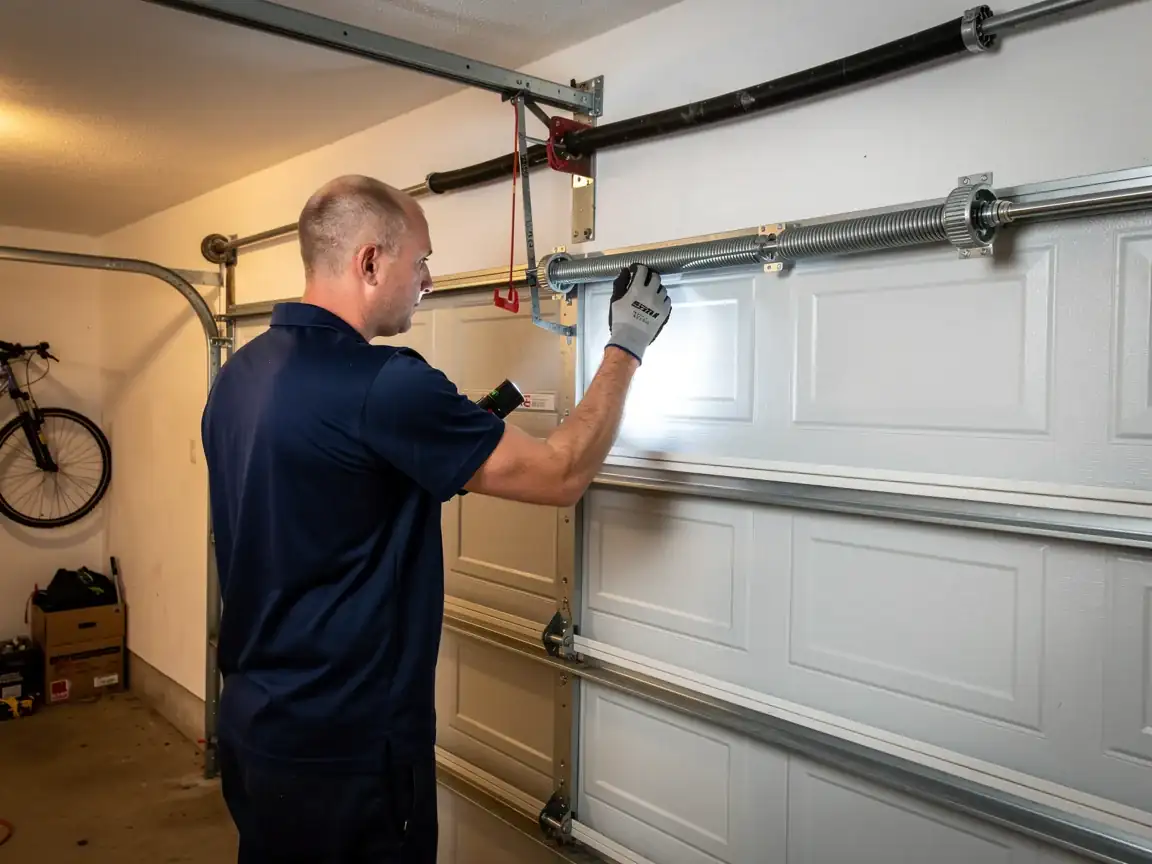
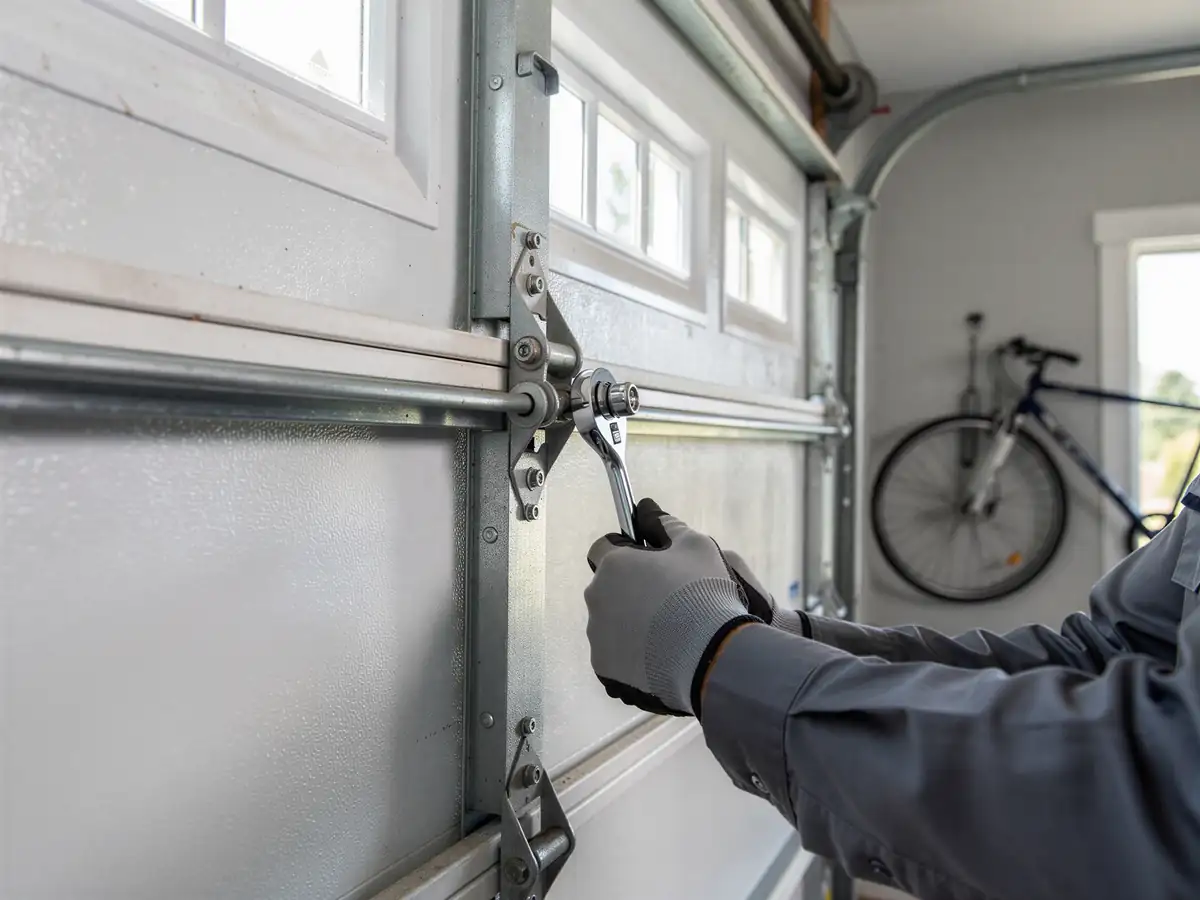
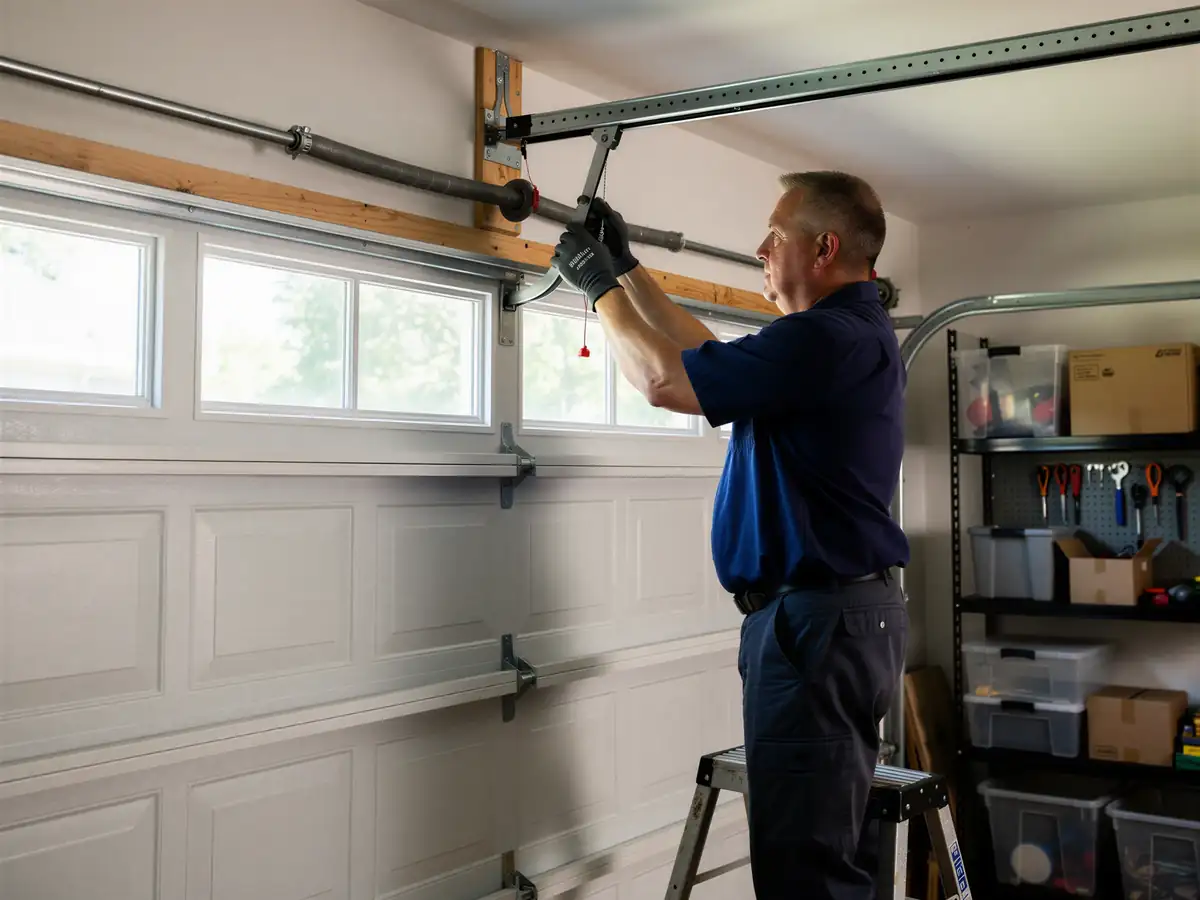
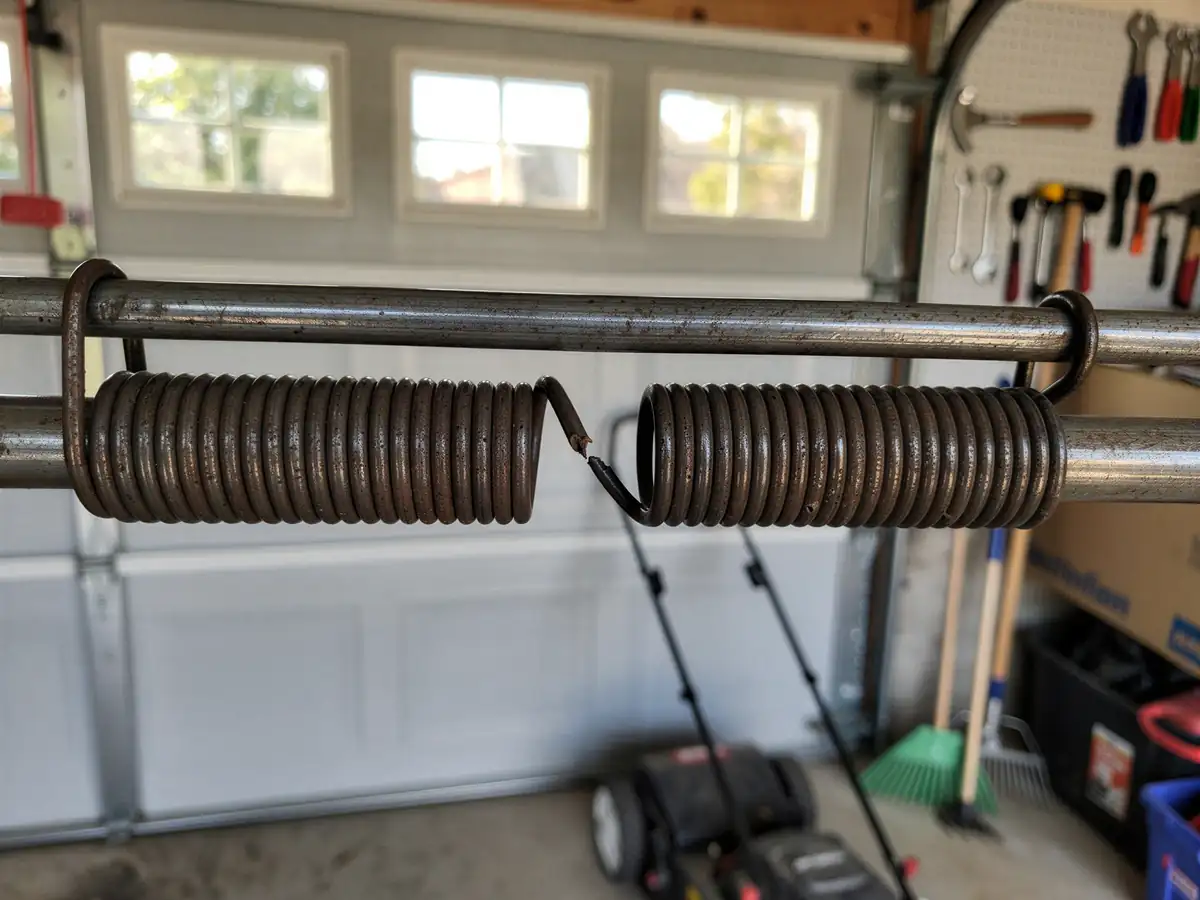
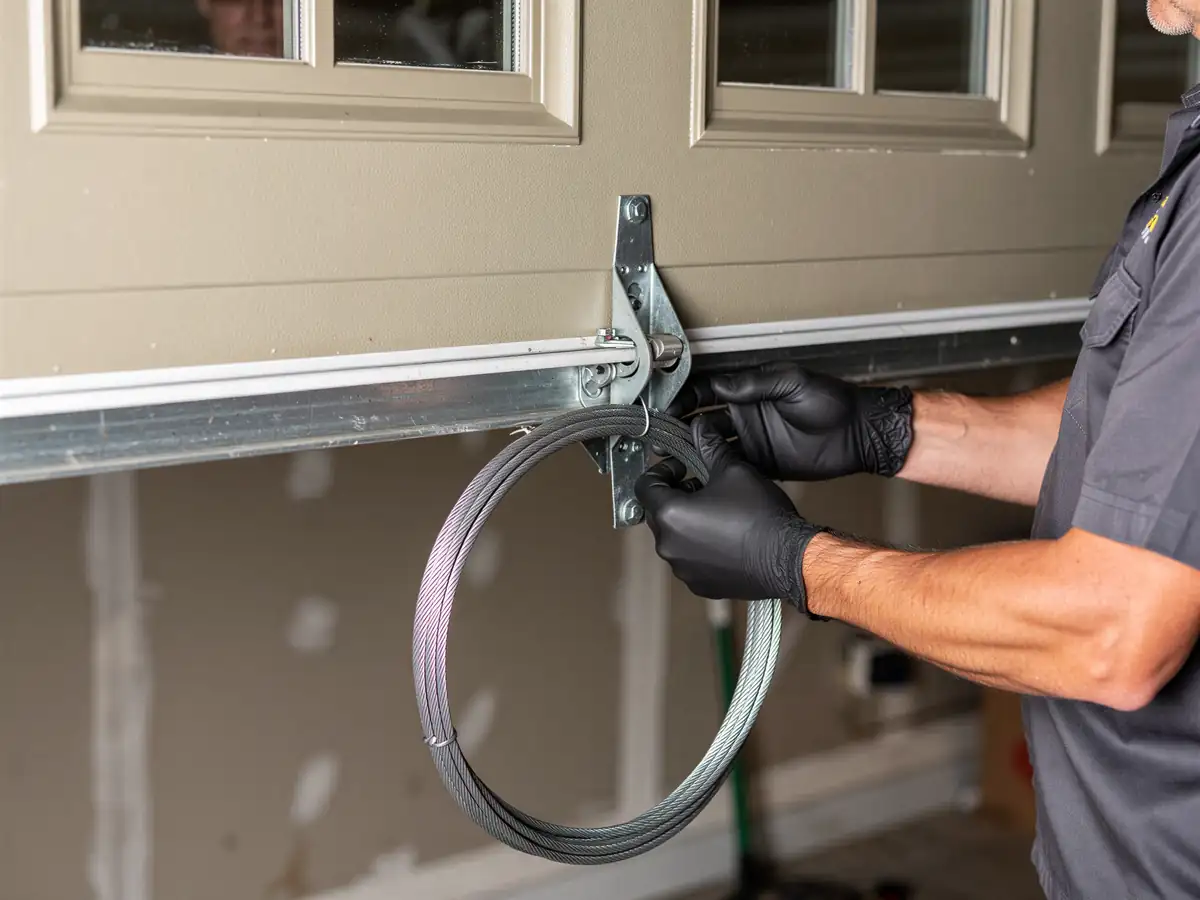
On the hardware side, torsion springs on these older doors have usually been through one or two heat cycles' worth of extra wear beyond what the same spring would see in a milder climate - the metal fatigues faster. If your door is original to a house built in the late 70s and nobody's touched the spring, that's the part we'd want to look at first, not the opener.