The Problem
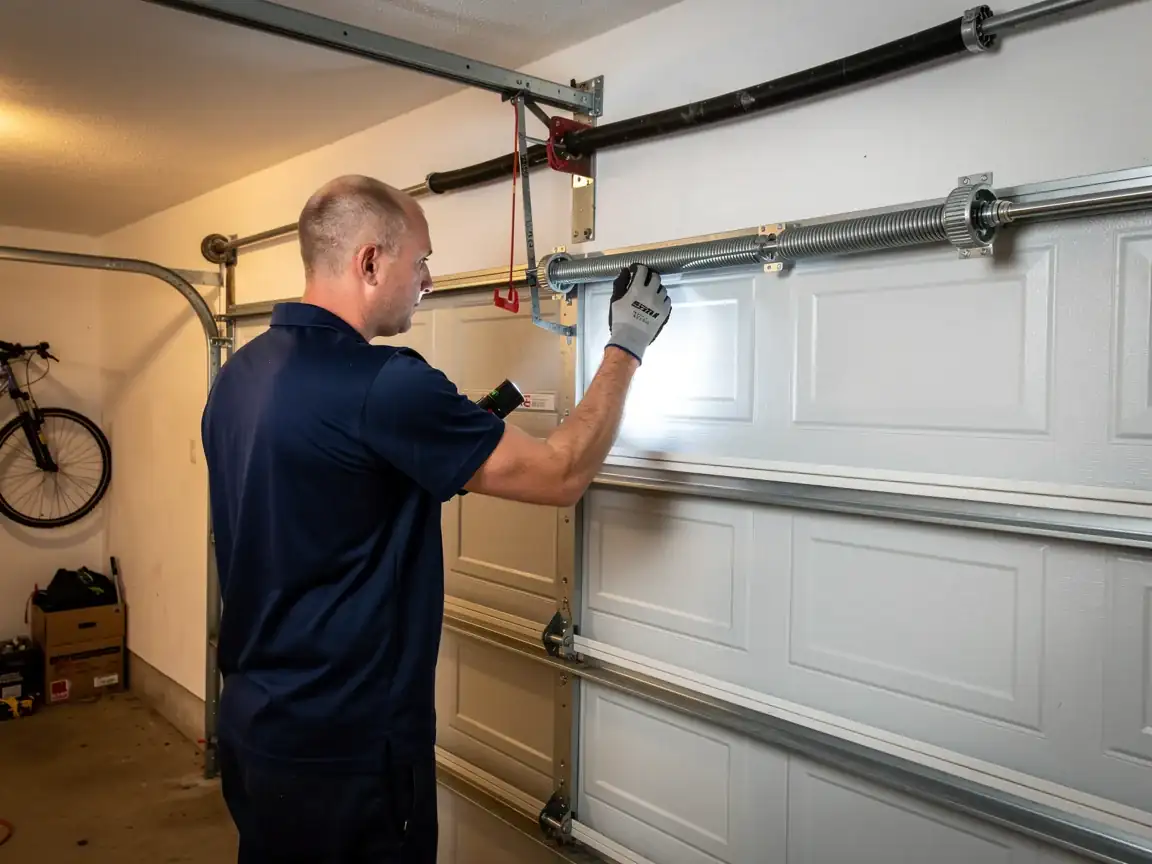
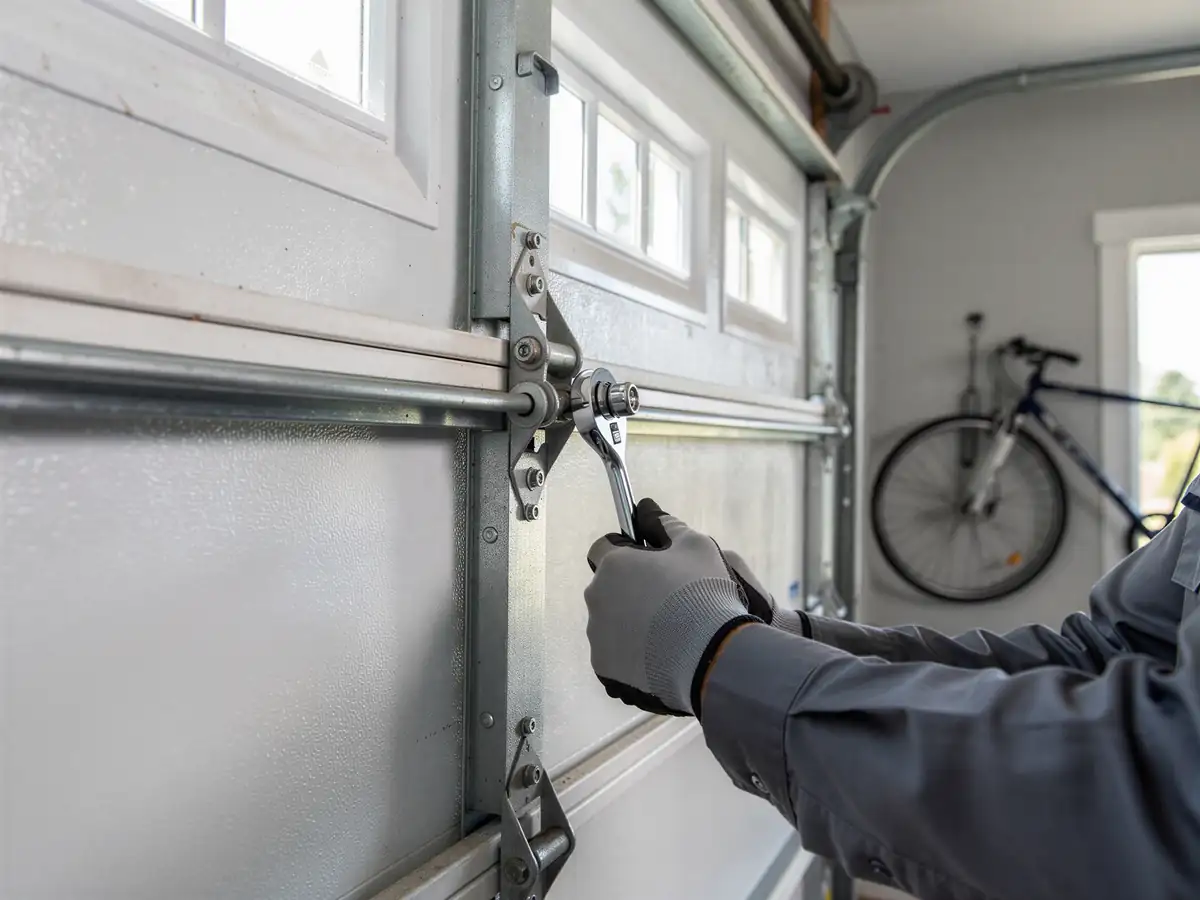
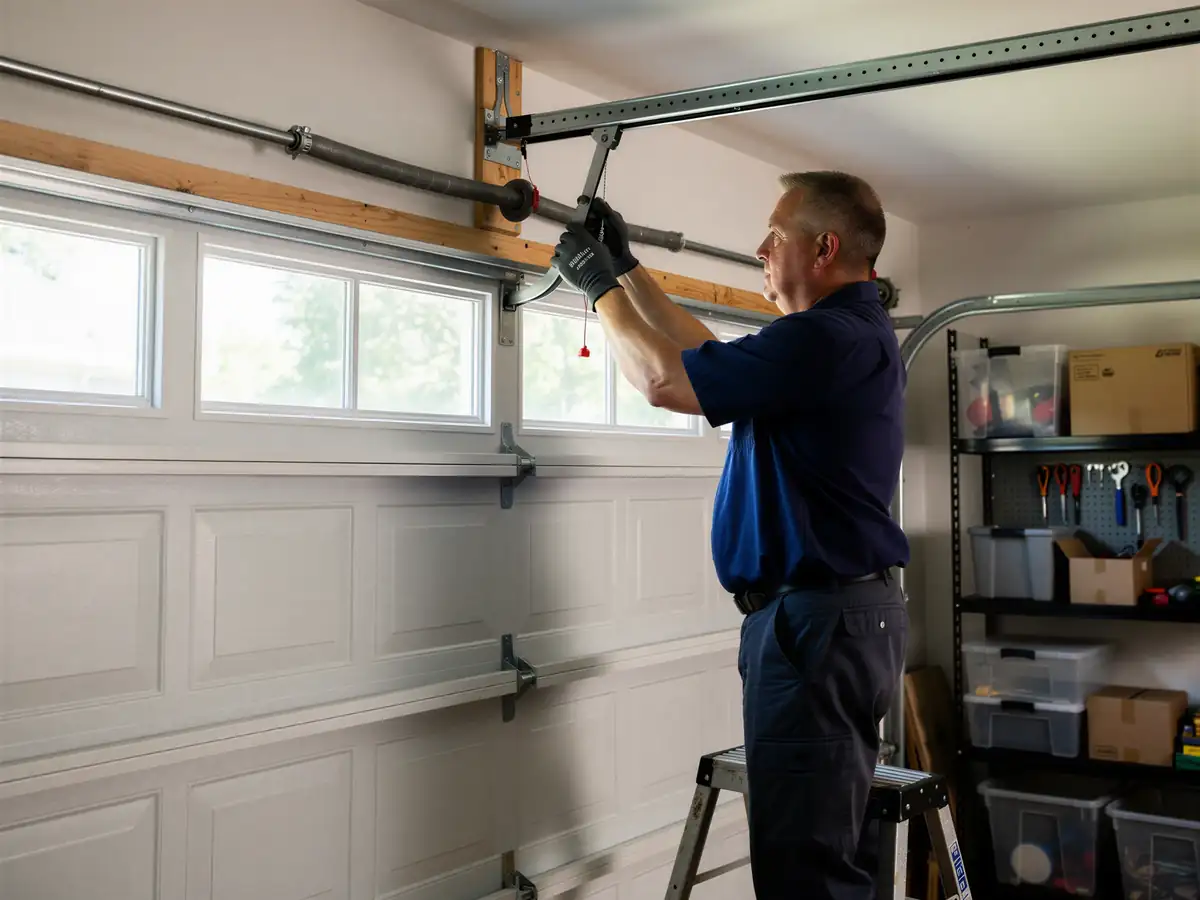
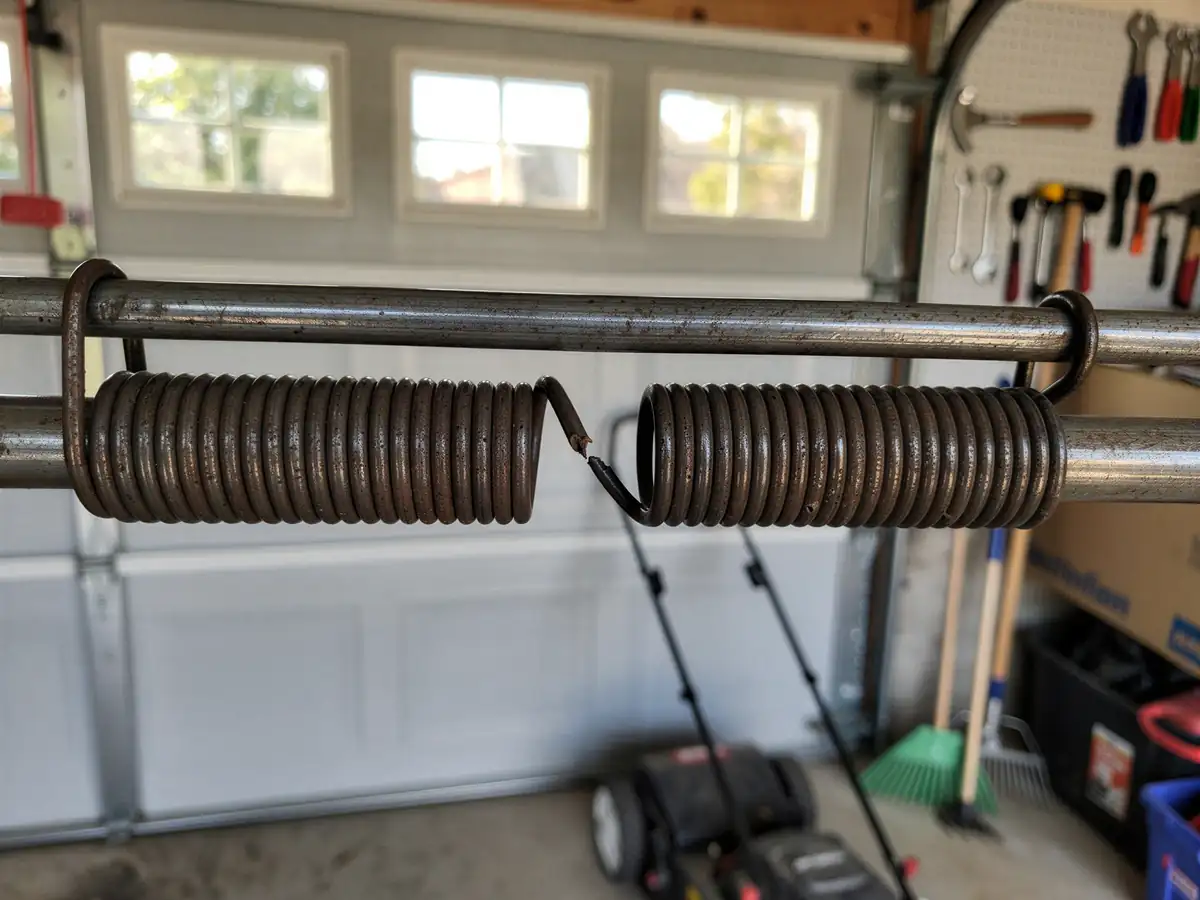
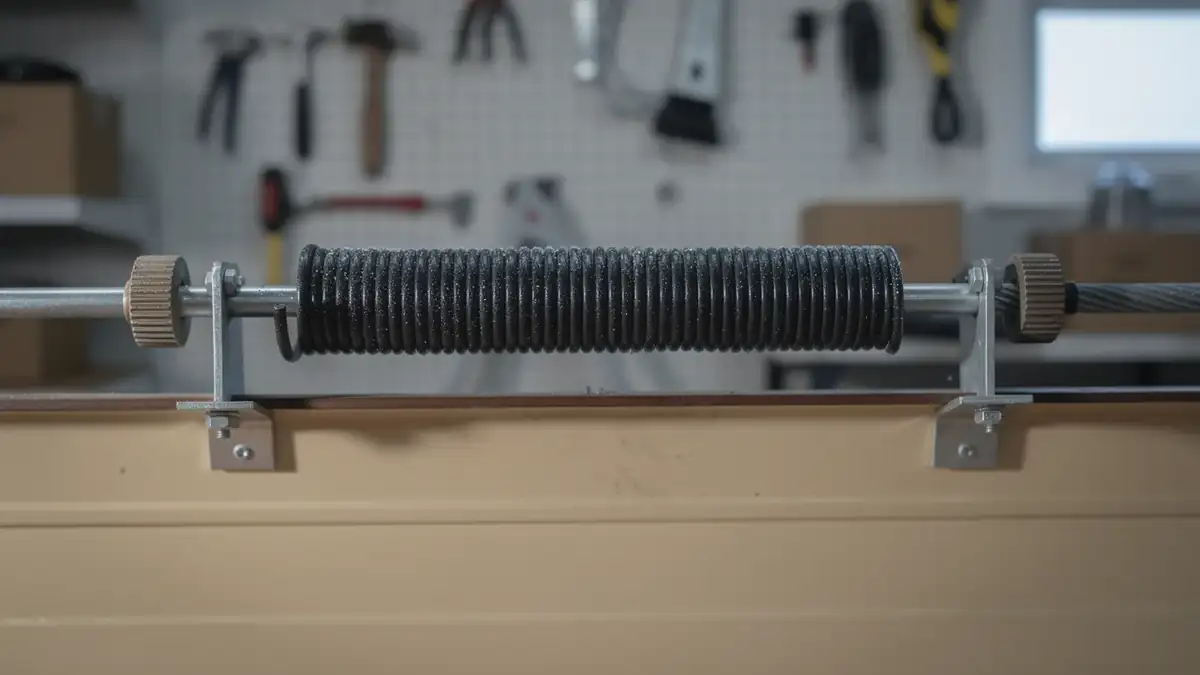
Heat does two things to a garage door system, and both get worse as the door ages. First, it accelerates metal fatigue in torsion springs - the coil expands slightly with heat, cycles through more stress per wind-and-unwind, and loses temper faster than the spring's rated cycle count would suggest on paper. Second, it cooks plastic and nylon components: idler bearings, gear sets inside older chain-drive and belt-drive openers, and the weatherstripping along the bottom panel all get brittle and crack sooner than their rated lifespan implies. On doors built when this area's housing stock went up - that 1980s-90s wave - the plastics used were simply a notch below what's spec'd now, so the heat-aging effect compounds with the materials themselves being older tech. We also see logic boards in attached-garage openers fail from sustained heat exposure in the box itself, not from use. None of this is dramatic failure - it's steady wear that shows up as a spring that finally lets go on an otherwise unremarkable afternoon.
Season by Season
The heavy heat months are the hardest on springs and openers, and that's also when people notice problems because the AC is running and nobody wants to prop the garage door open for ventilation anymore. Call volume for spring failures tracks the heat season closely - a spring that's been losing temper all summer is more likely to finally break on a hot day than a cool one, since the metal is already under more stress at higher temperature. Cooler months give the system a break, and it's the better time to get ahead of a replacement before the next heat season puts full load back on a weakened spring or a gear set that cracked over the summer. If your door was installed during the main building wave here - the 1980s or 90s - and you haven't touched the springs or opener gears since, the cooler stretch of the year is the window to deal with it before heat cycling does the rest of the damage for you.