Is Your Redding Garage Door Worth Fixing, or Time to Replace It
Redding's housing stock runs 1938 to 2000, median 1980, and the heat here is hard on doors. Here's how to tell if yours is worth repairing or replacing.
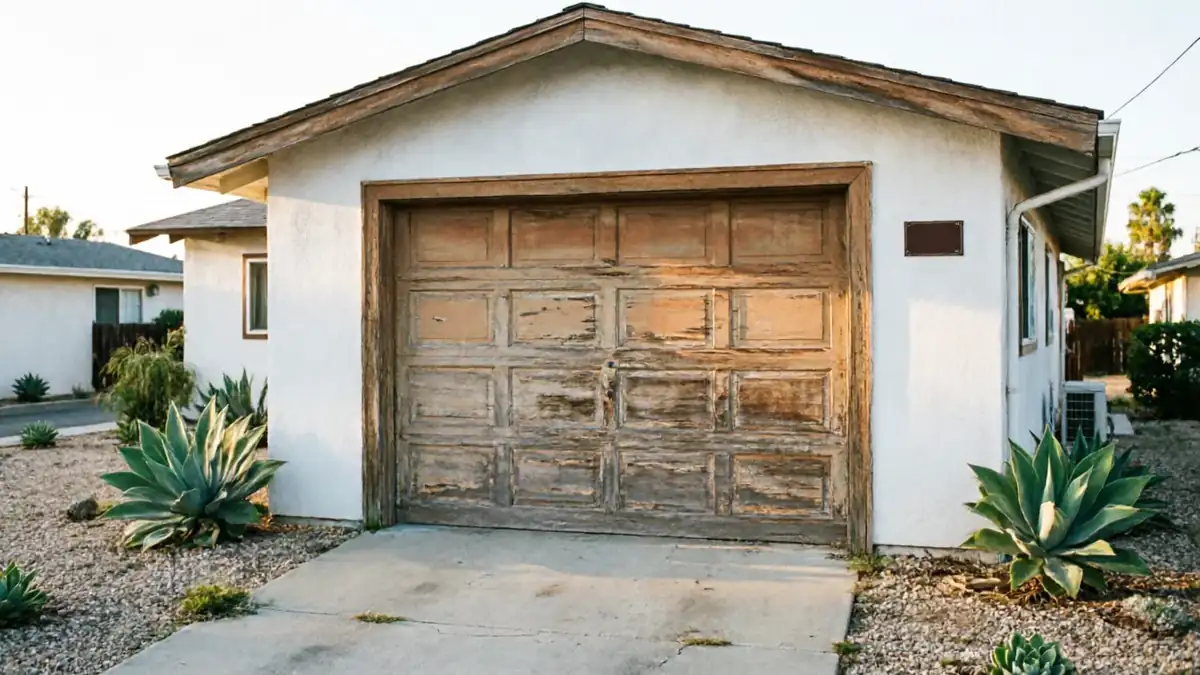
Most of the houses we work on in Redding and the surrounding areas - went up somewhere between 1938 and 2000, with the median landing around 1980. That matters because a door's age tells you more about what's inside the walls than the paint job does. A door from a 1980-built house in this area is pushing 45 years old. The steel gauge, the spring type, the track hardware - all of it was built to a different standard than what goes in today. Redding sits in a severe heat climate band, and that heat doesn't just make the garage uncomfortable in July. It cycles steel panels through expansion and contraction every single day, dries out lubricant on rollers and hinges faster than cooler climates, and shortens the working life of springs that are already carrying the door's full weight. On an older door, that heat cycling shows up as warping on thin panels, brittle weatherstripping, and springs that lose tension years before they should. If your house is one of the older ones in this area, the door has probably already been fighting that fight for decades.
The Problem
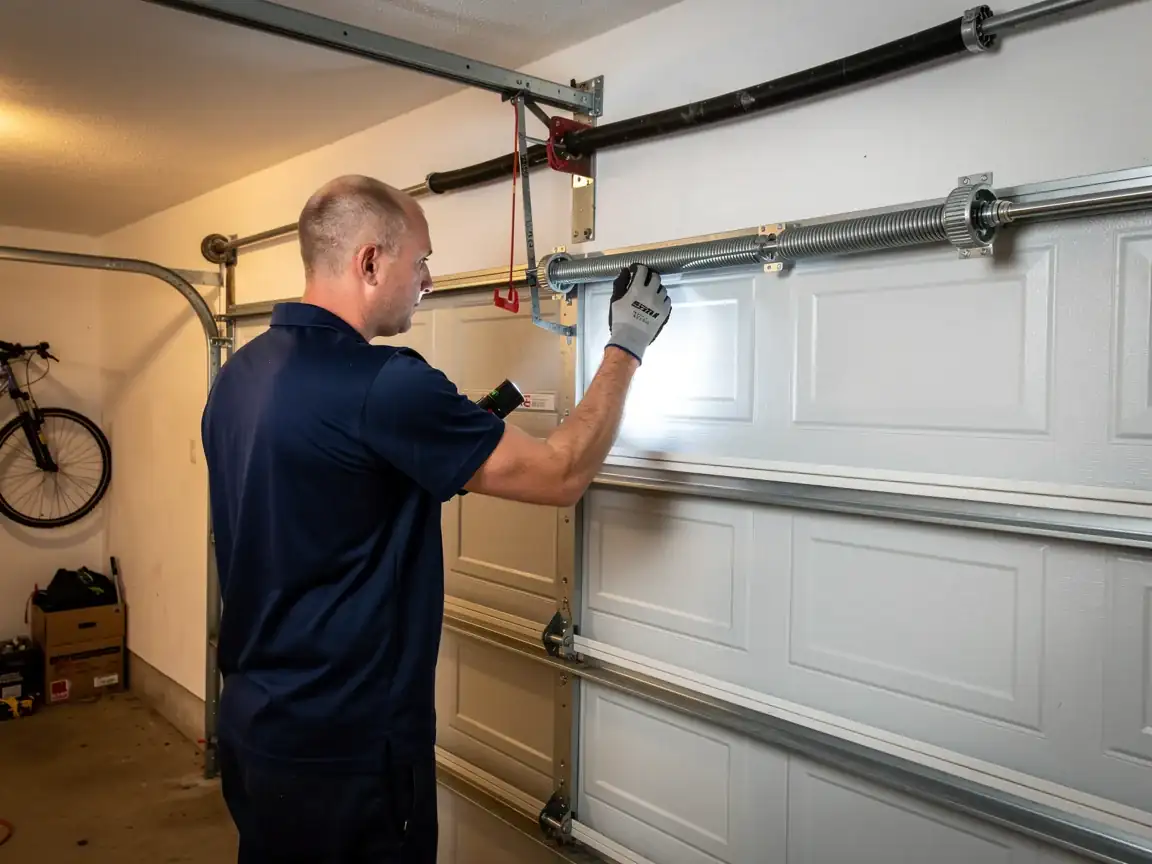
The actual problem with a lot of these older doors isn't that they're broken - it's that they're borderline. A door from the 1980s median-era stock in this area might open and close fine most days but bind on hot afternoons when the track and panel expand unevenly. That's not a sign everything's fine. It's a sign the hardware is working harder than it should to do a basic job. Parts for doors from that era are a real sticking point. Some of the original one-piece or early sectional hardware from 1938-2000 builds doesn't match what's stocked on a service truck today, and tracking down an exact replacement spring or roller can take longer than most homeowners expect. We'll tell you straight when a part is hard to source rather than string out a repair. That's the honest limitation here: an older door isn't always a quick fix, and sometimes the wait on a part changes the math on whether repair still makes sense.
Season by Season
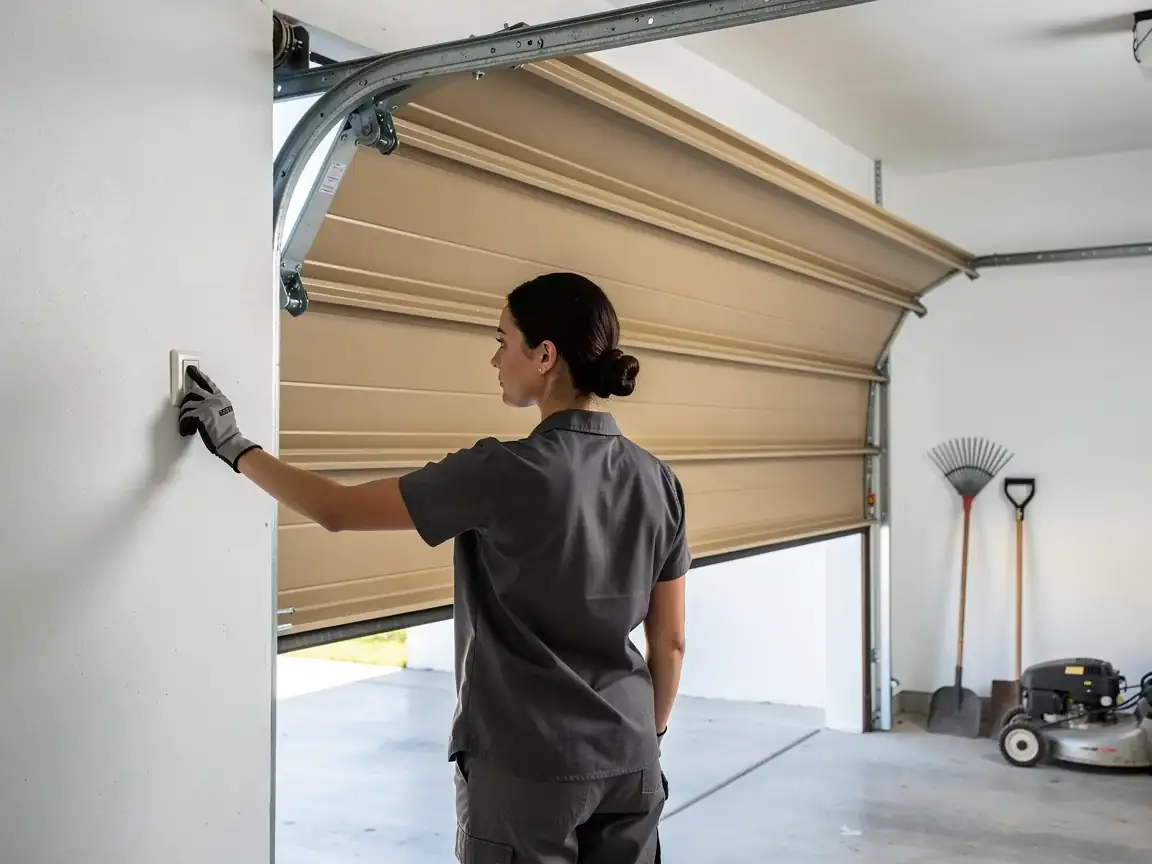
In a severe heat climate, summer is when older doors fail, not winter. Panels that have been drying out and flexing all spring finally warp enough to bind in the track, or a spring that's lost tension over years of heat cycling finally lets go under a 100-plus degree afternoon load. Early spring, before the heat sets in, is actually the best window to have an older door inspected - you catch the hinge wear and the dried-out rollers before the heat stresses them further. By late summer we see a steady run of calls from houses built in that 1938-2000 range, often the same symptoms: a door that used to close smoothly now hesitates, or an opener that strains and clicks off on the hottest days. There isn't much of a true winter slow season here the way there is in colder climates - the heat band keeps wear steady year-round, so an older door doesn't get a break to recover.
When It Stops Being a DIY Job
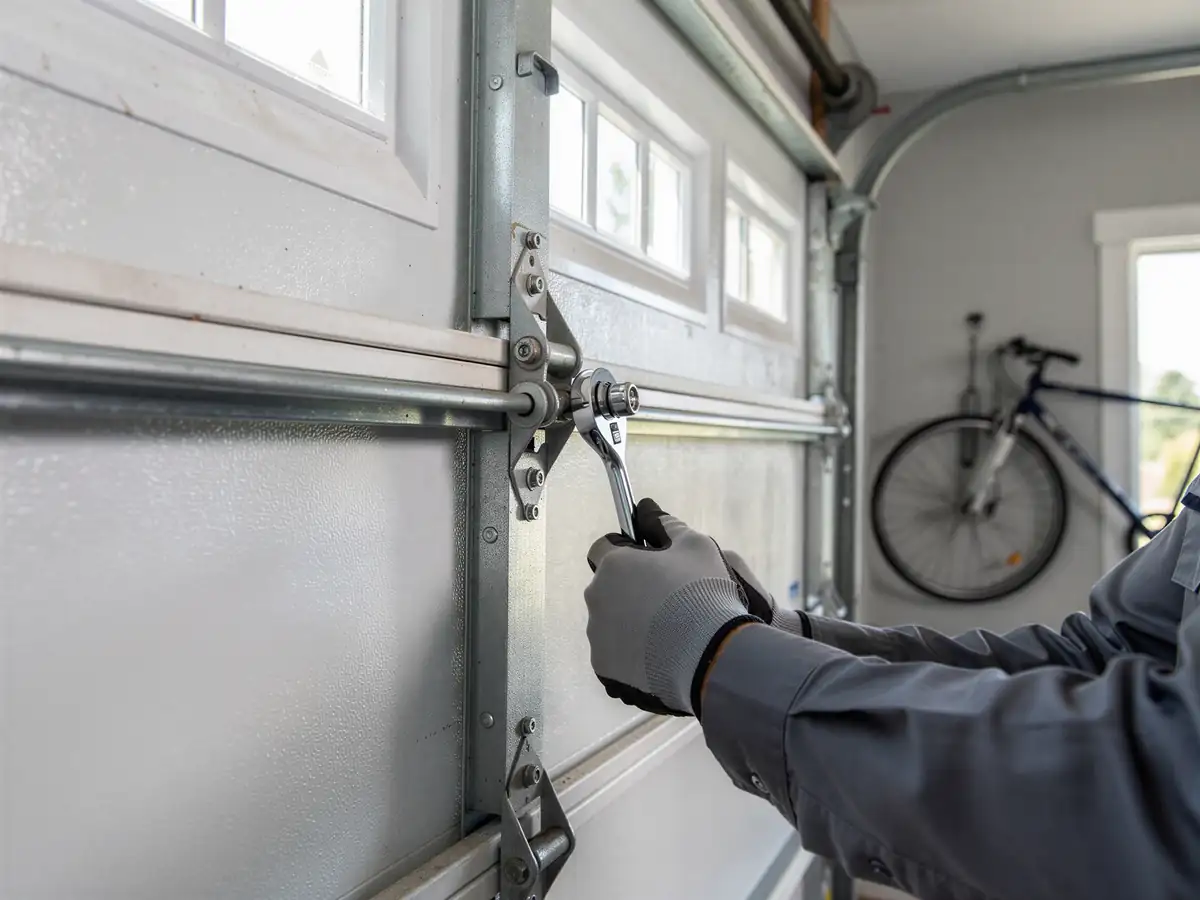
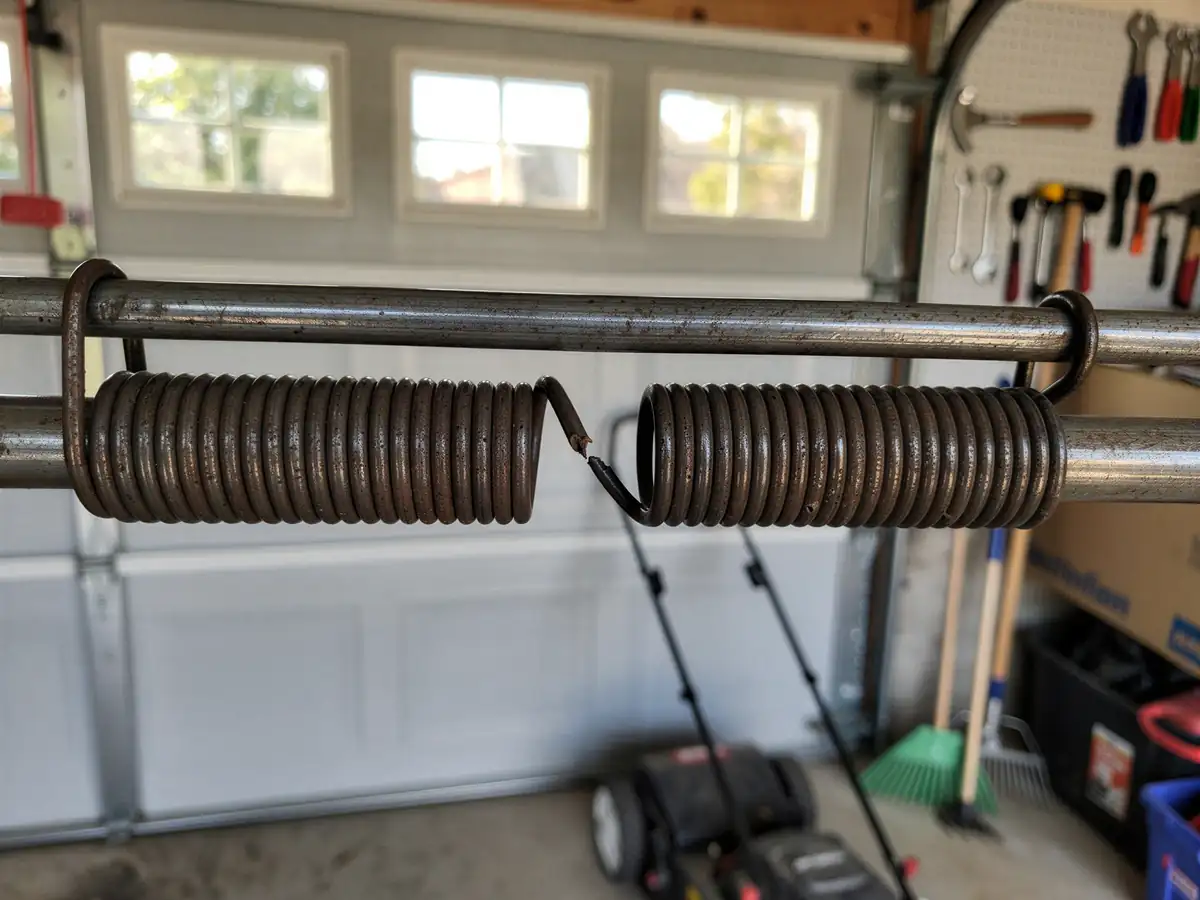
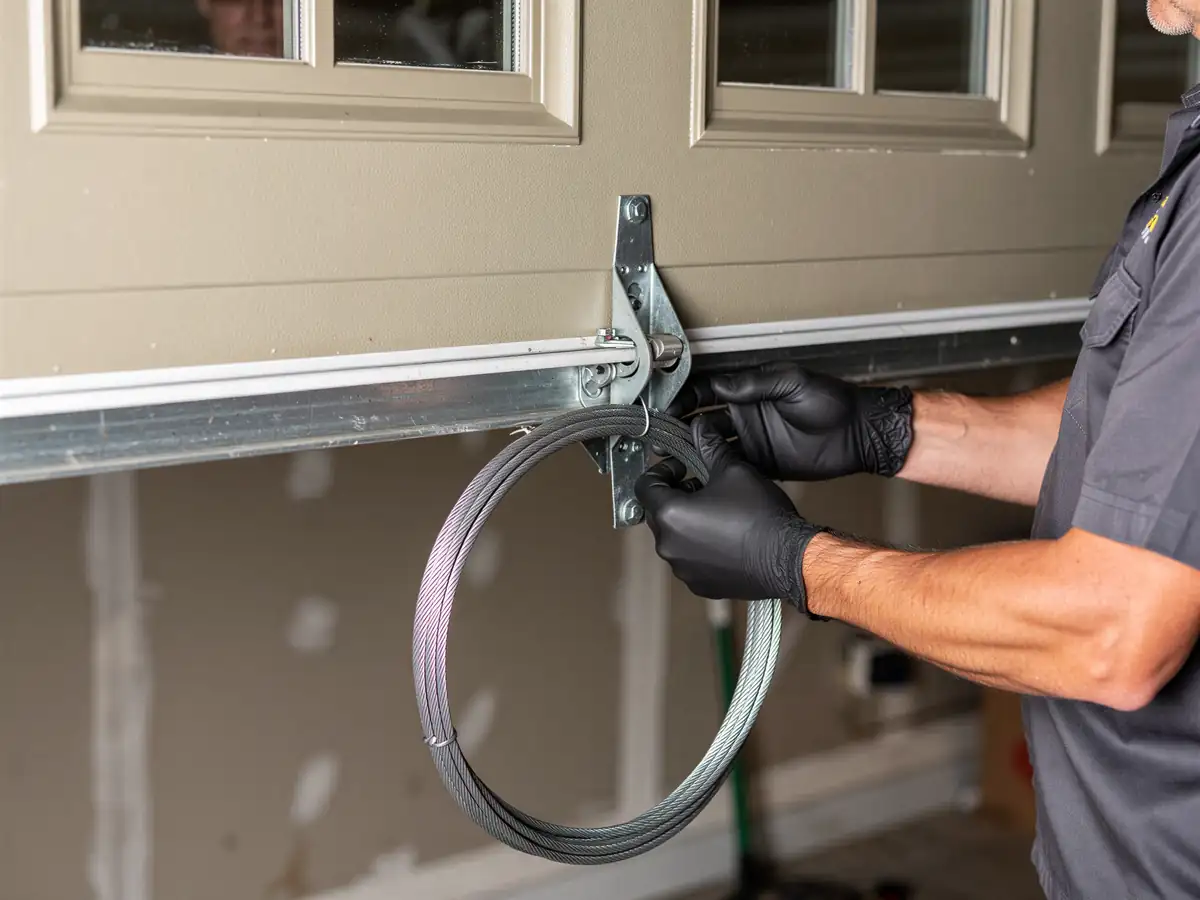
A door built into one of the area's 1980s-era median houses is worth fixing when the frame and track are still square, the panels aren't warped from heat cycling, and the problem is a known part - a spring, a cable, a roller. Those jobs are straightforward and the house keeps the door it was built with. It stops being worth fixing when the steel itself has warped from decades of heat expansion, when the track mounting has pulled loose from an older frame, or when the opener is old enough that replacement parts for it no longer exist. At that point you're not repairing a door, you're patching one, and a patched door on a severe-heat climate house tends to fail again within a season or two. With 11,187 owner-occupied houses across this area and a median income around $95,978, most of what we see is a homeowner trying to decide if one more repair makes sense - and the honest answer depends on whether the next failure is a $40 roller or a cracked panel that can't be matched.
How old does a garage door have to be before repair stops making sense?
It's less about a hard age cutoff and more about condition. A door from this area's 1980s-median housing stock can still be worth fixing at 40-plus years if the track and frame are square and the steel hasn't warped. Once the panel itself has warped from heat cycling or the opener's parts are discontinued, repair starts costing more than replacement over time.
Why does Redding's heat matter for an older door?
Redding sits in a severe heat climate band, and daily heat cycling expands and contracts steel panels, dries out lubricant, and stresses springs faster than in milder climates. On a door that's already decades old, that wear shows up sooner - warped panels, brittle seals, and springs losing tension ahead of schedule.
Are parts hard to find for older doors in this area?
Sometimes. A lot of houses here were built between 1938 and 2000, and the hardware from the earlier end of that range doesn't always match what's stocked today. We'll tell you upfront if a part is going to take time to source rather than drag out a repair that isn't going anywhere.
Ready to get your garage door sorted?
Tell us what it’s doing and where you are in Redding - we’ll take it from there.