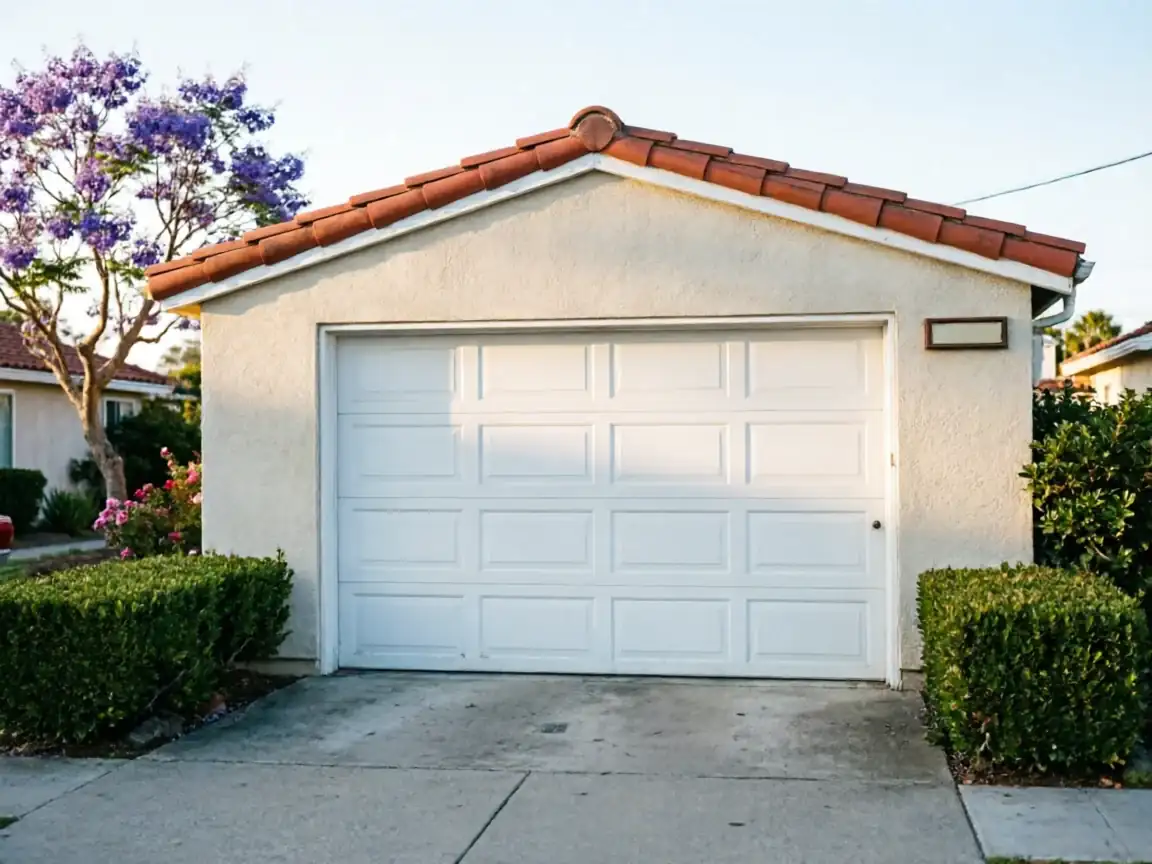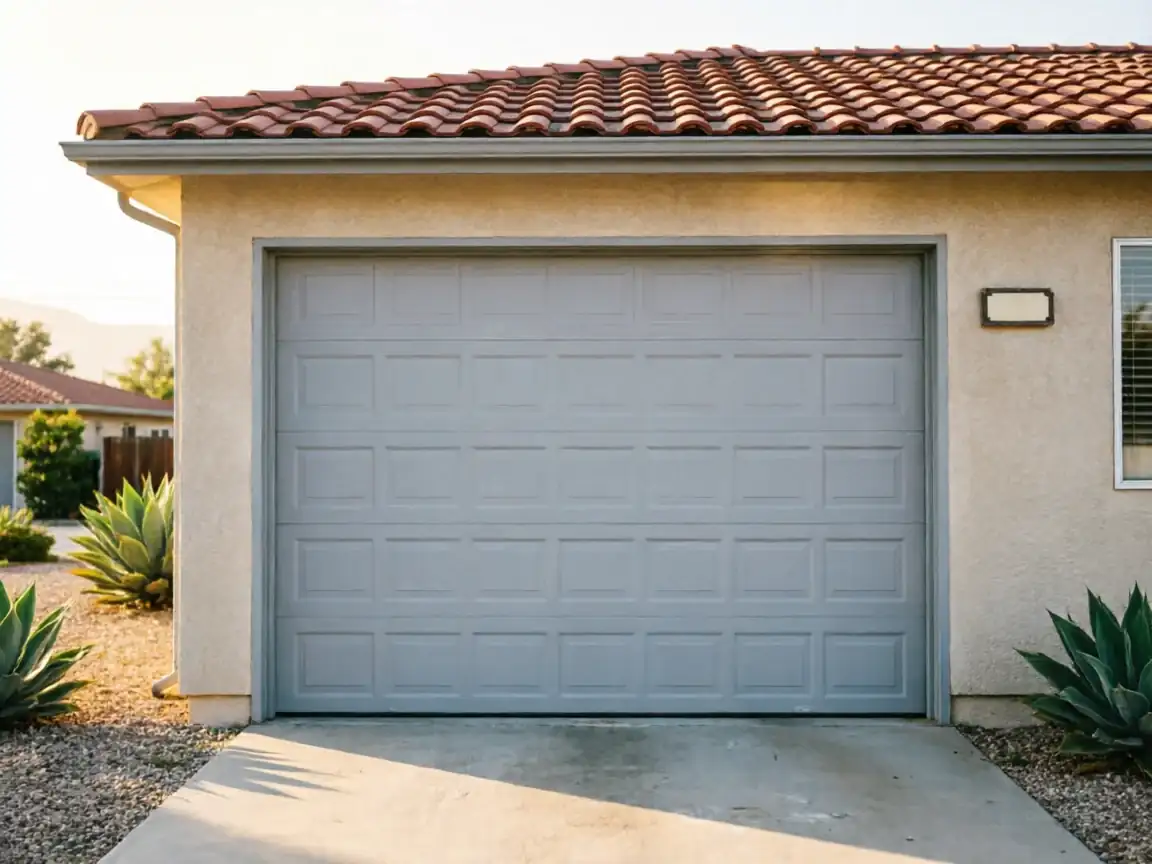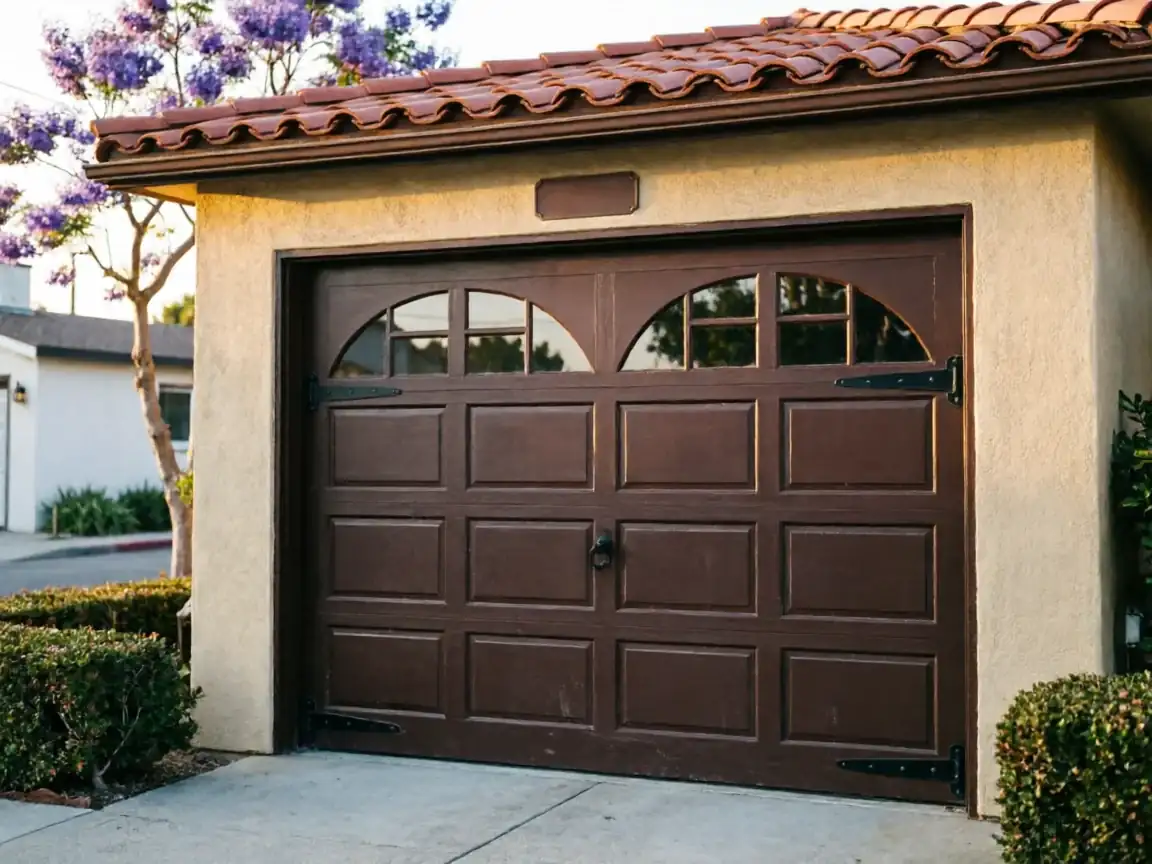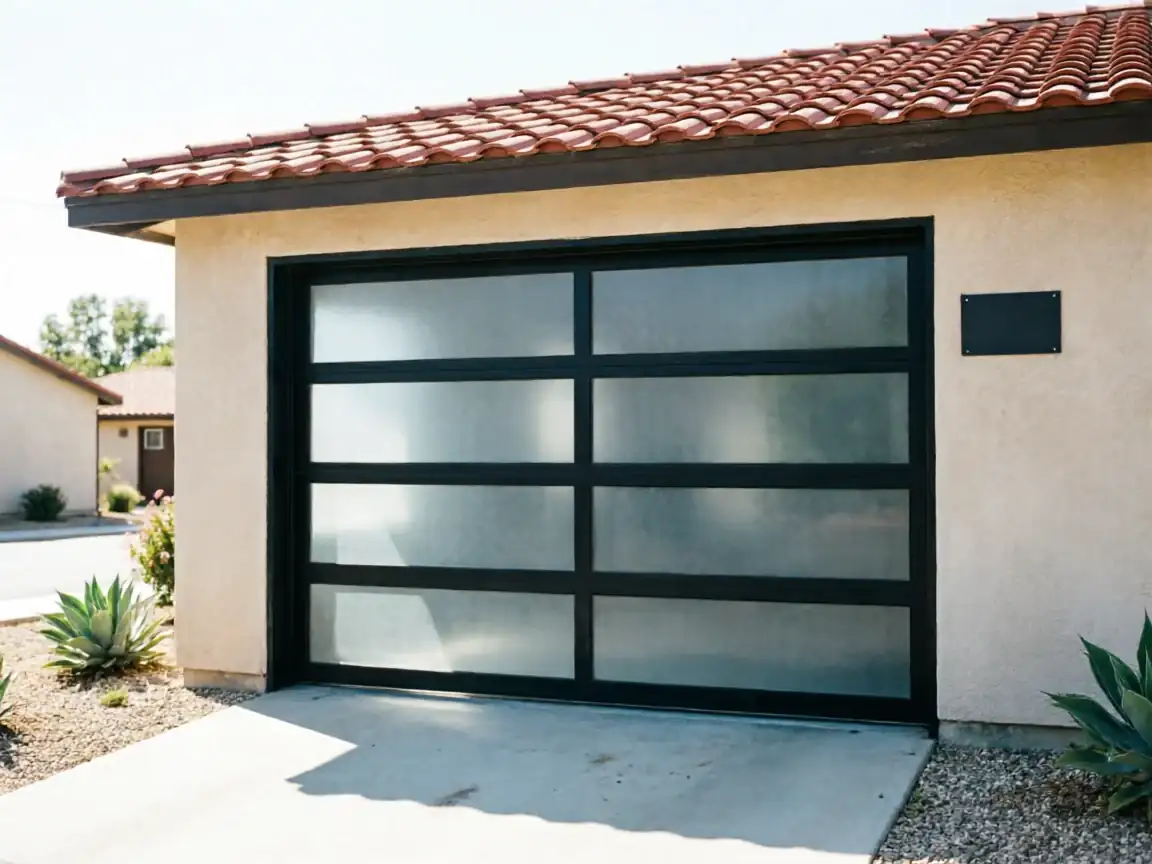
How We Fix It
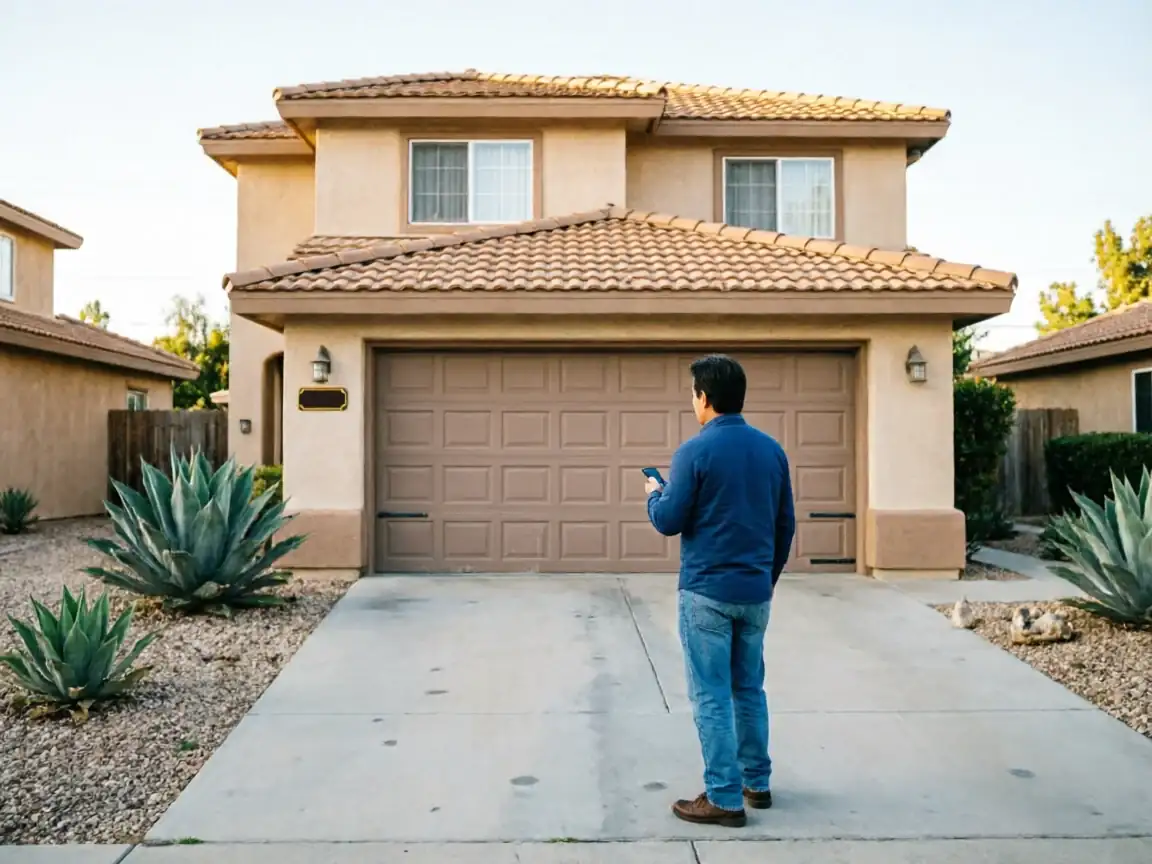
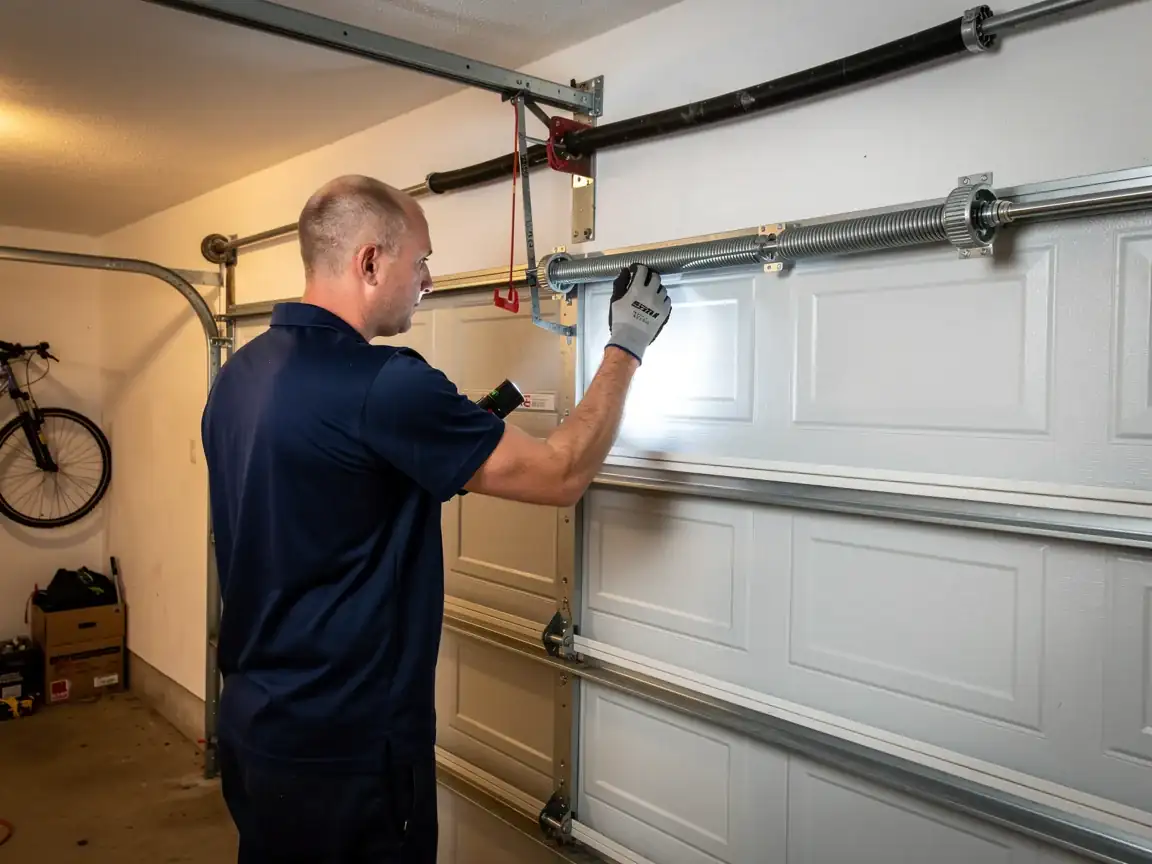
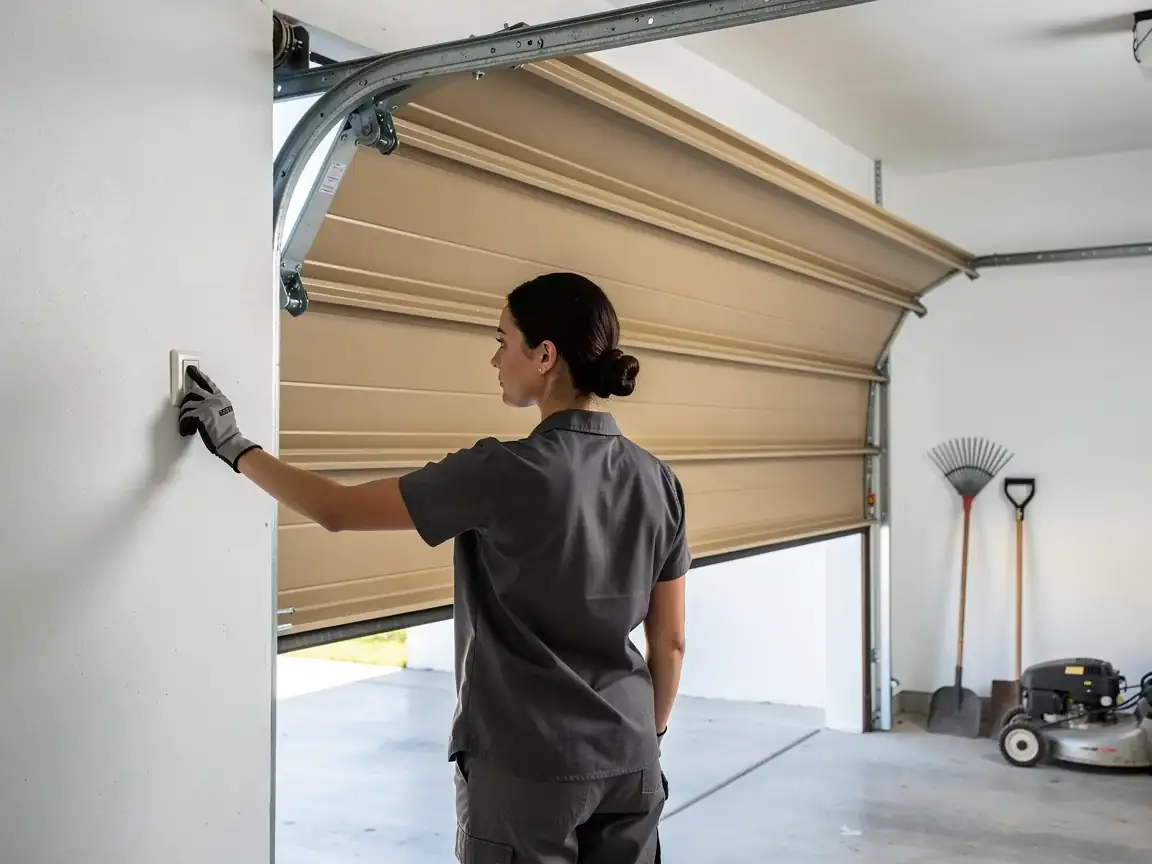
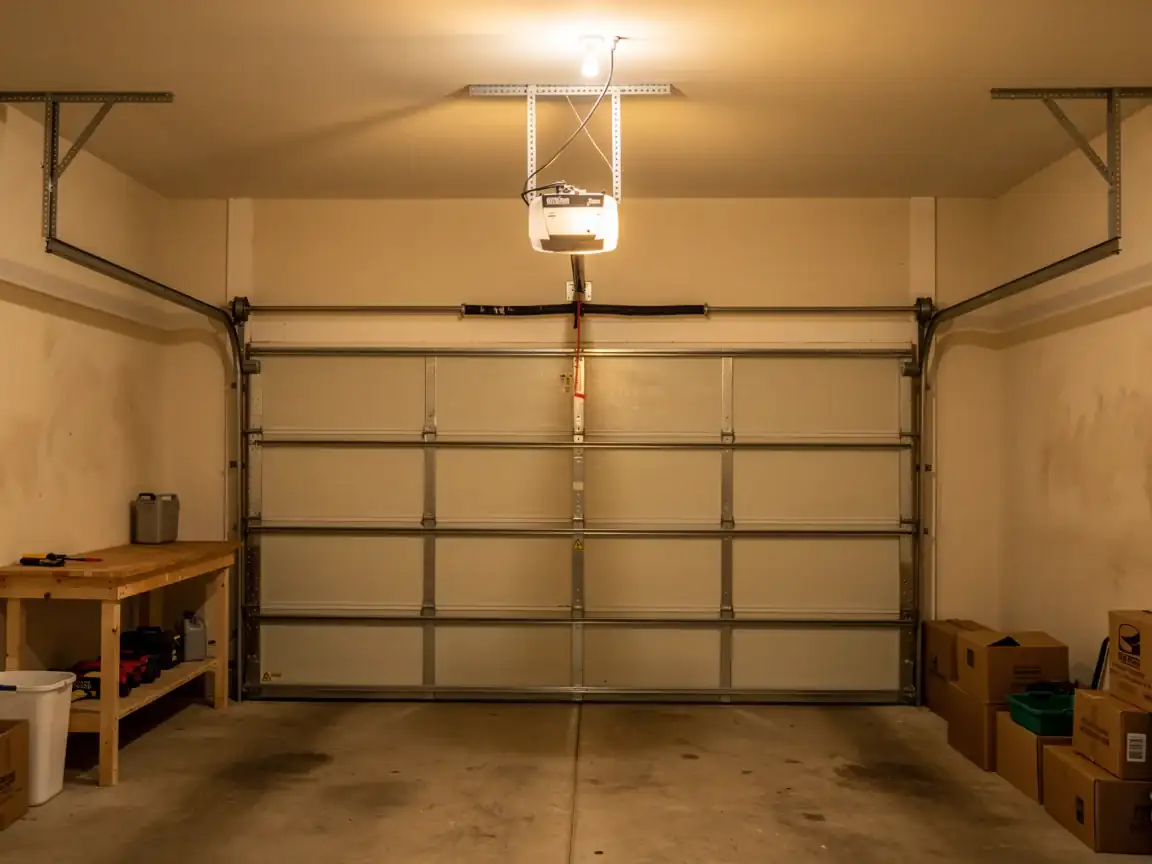
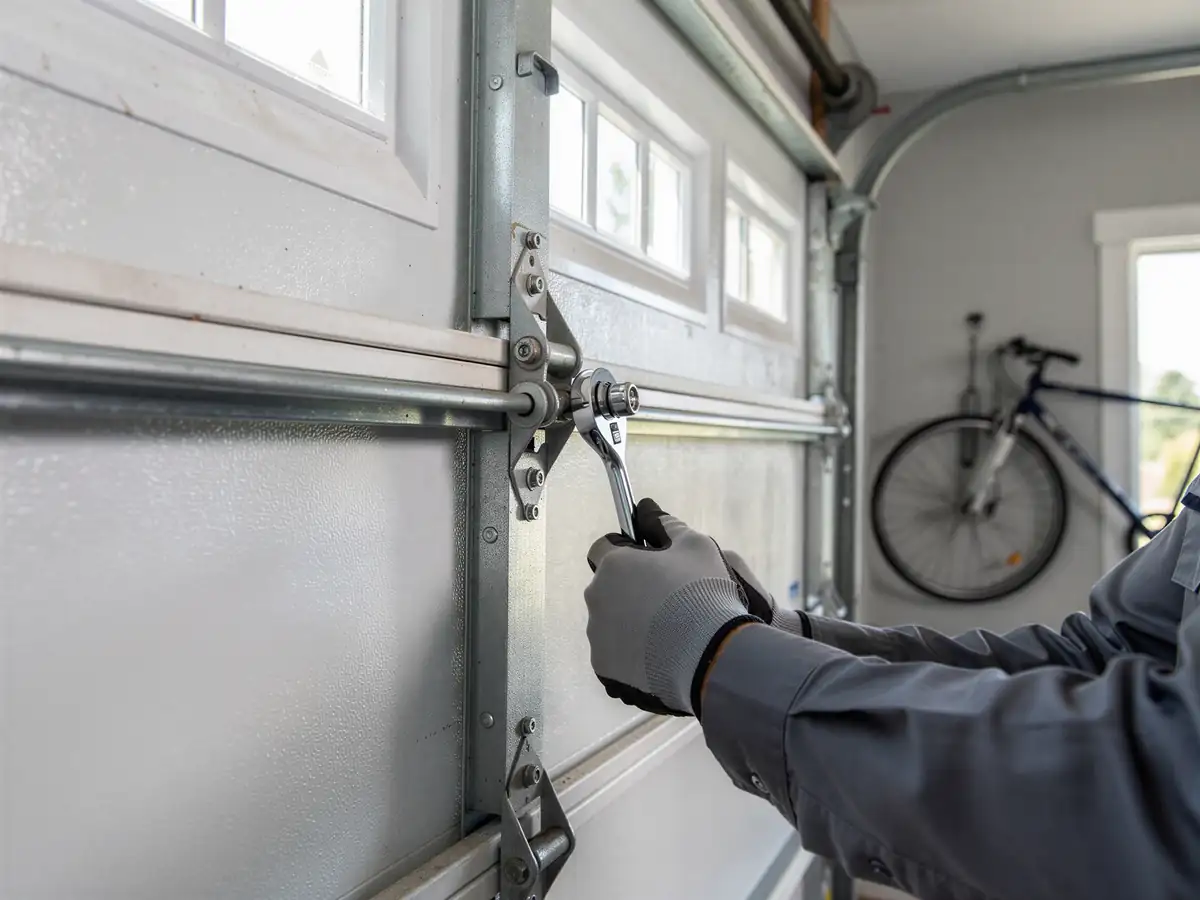
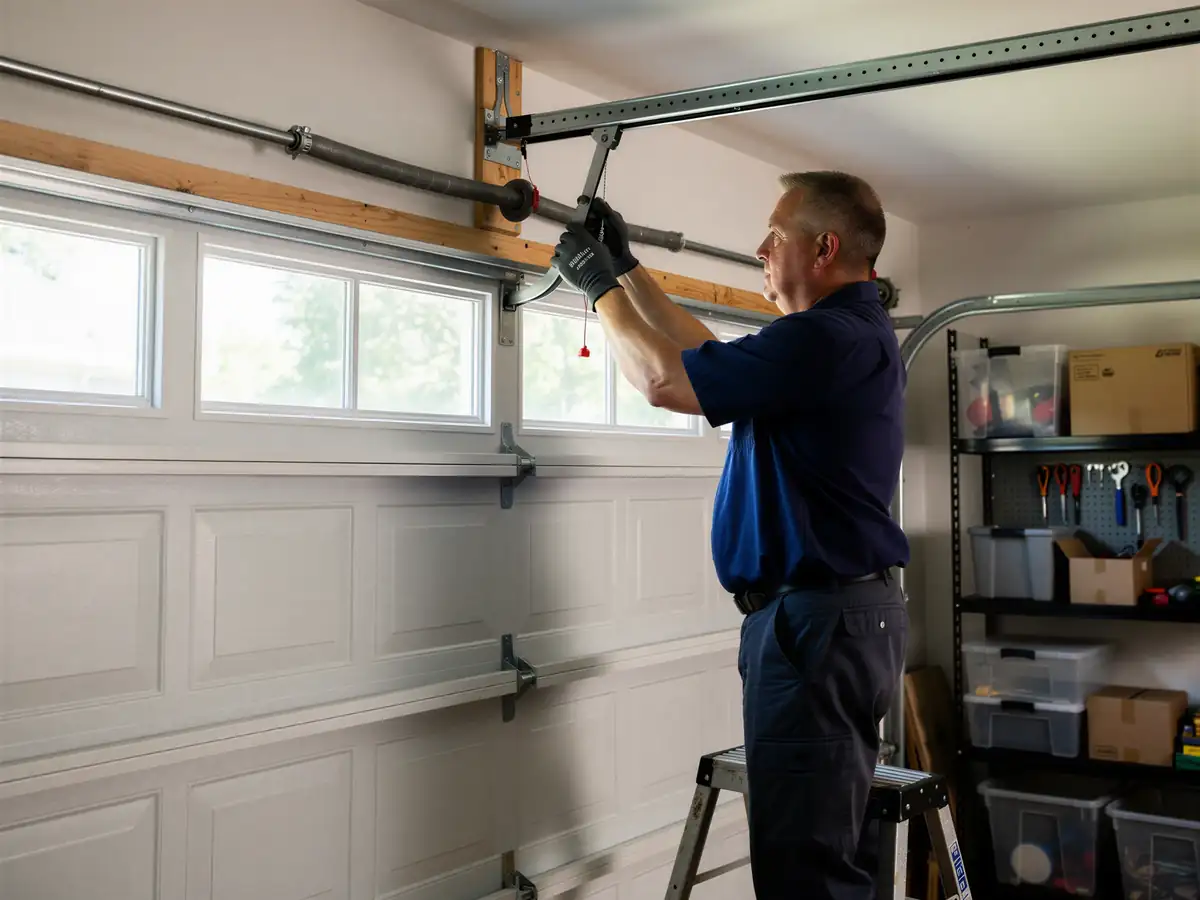
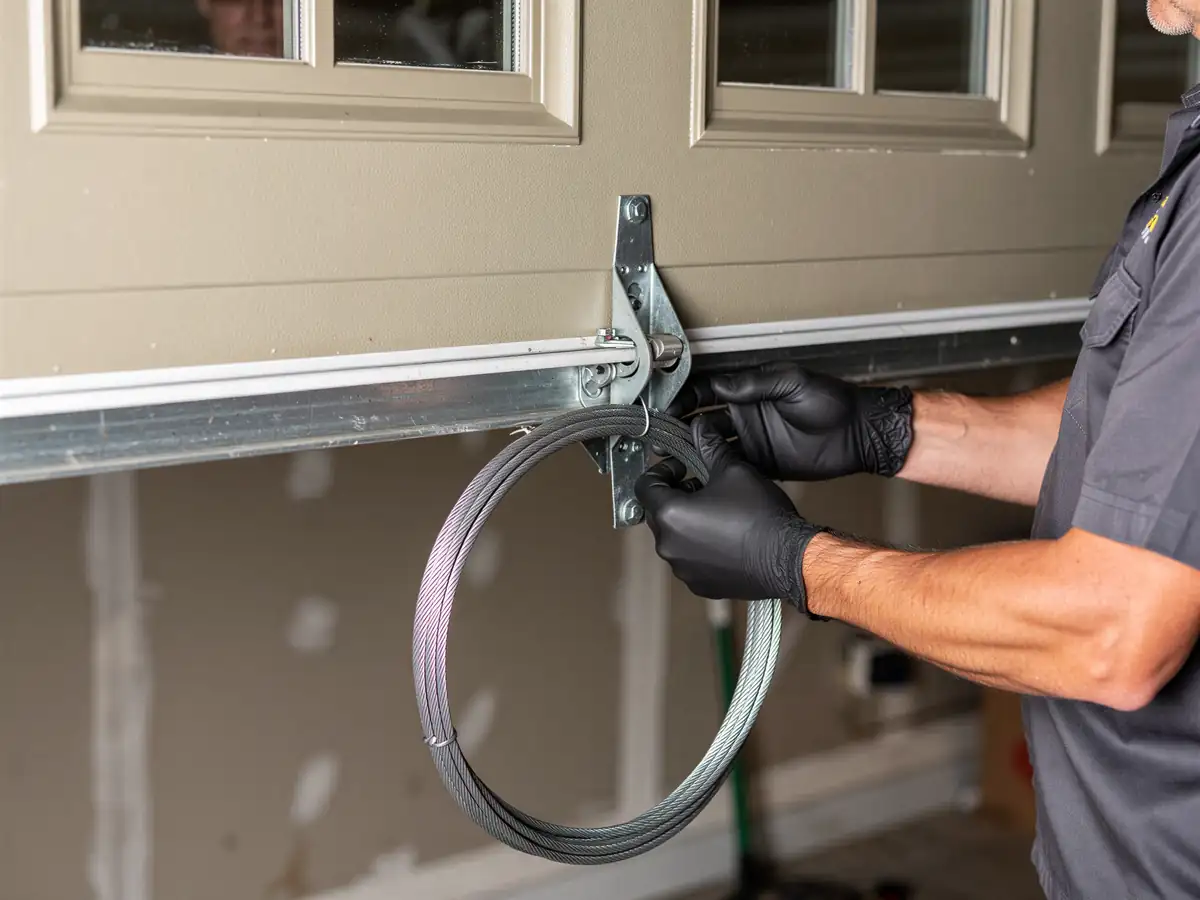
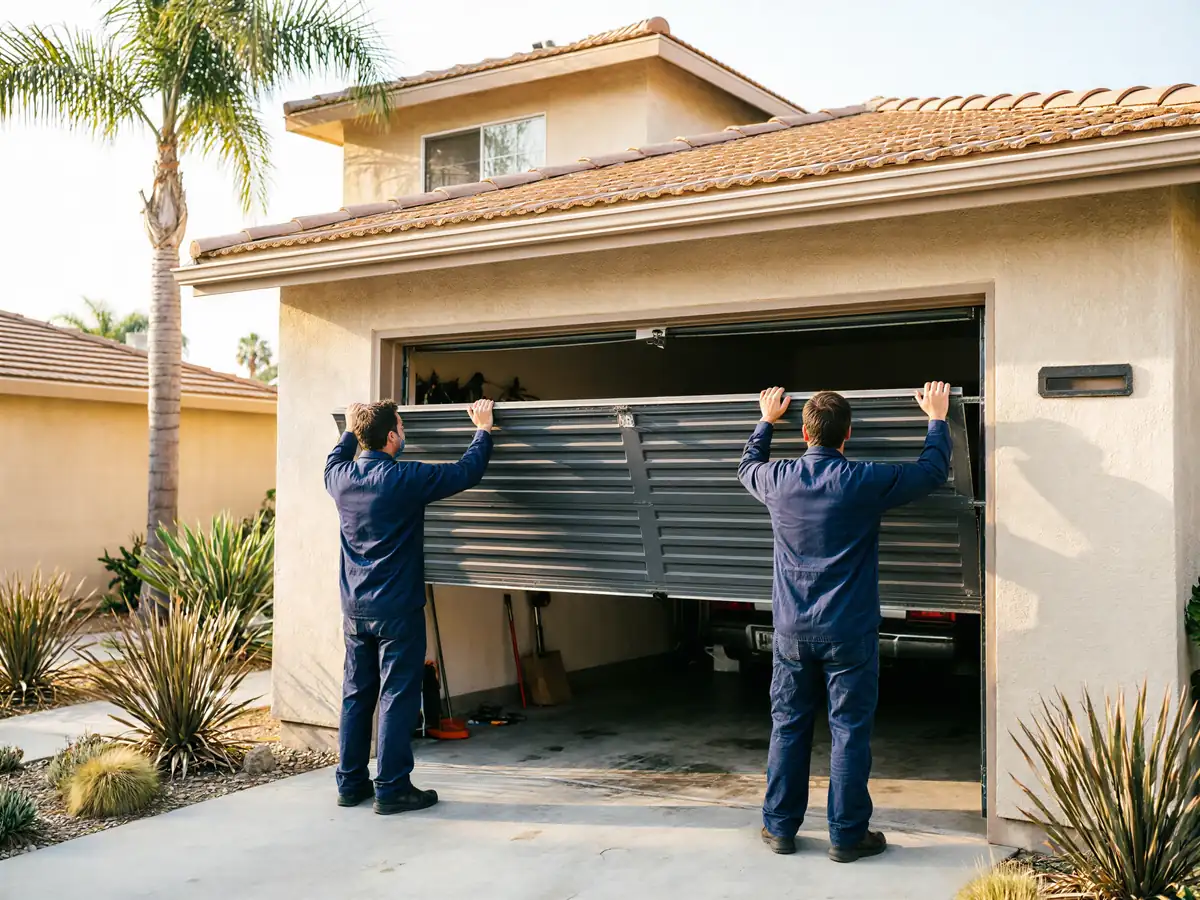
We come out from Redding, six miles in. Before anything gets ordered, we pull the header height, track radius, spring wire size, and drum size off your existing setup, because a door that looks standard from the driveway often isn't once you're under it. Palo Cedro's housing mostly dates to around 1978, which puts a lot of these doors on older torsion setups that don't match what's sold off the shelf today - the headroom clearance alone can rule out a few models. We size the new door and opener to the opening you actually have, not the opening a catalog assumes you have. Installation means pulling the old section and track fully out, re-hanging new track plumb, setting spring tension to the door's actual weight, and running the opener through a full cycle test with the safety reversal checked, not just glanced at. We haul the old door and hardware off the property when we leave. One thing we won't do: install a door on hardware we haven't inspected first. If the jamb's rotted or the header's undersized for what you're putting up, that gets fixed or flagged before the new door goes anywhere near it.
How Long You Are Without the Door
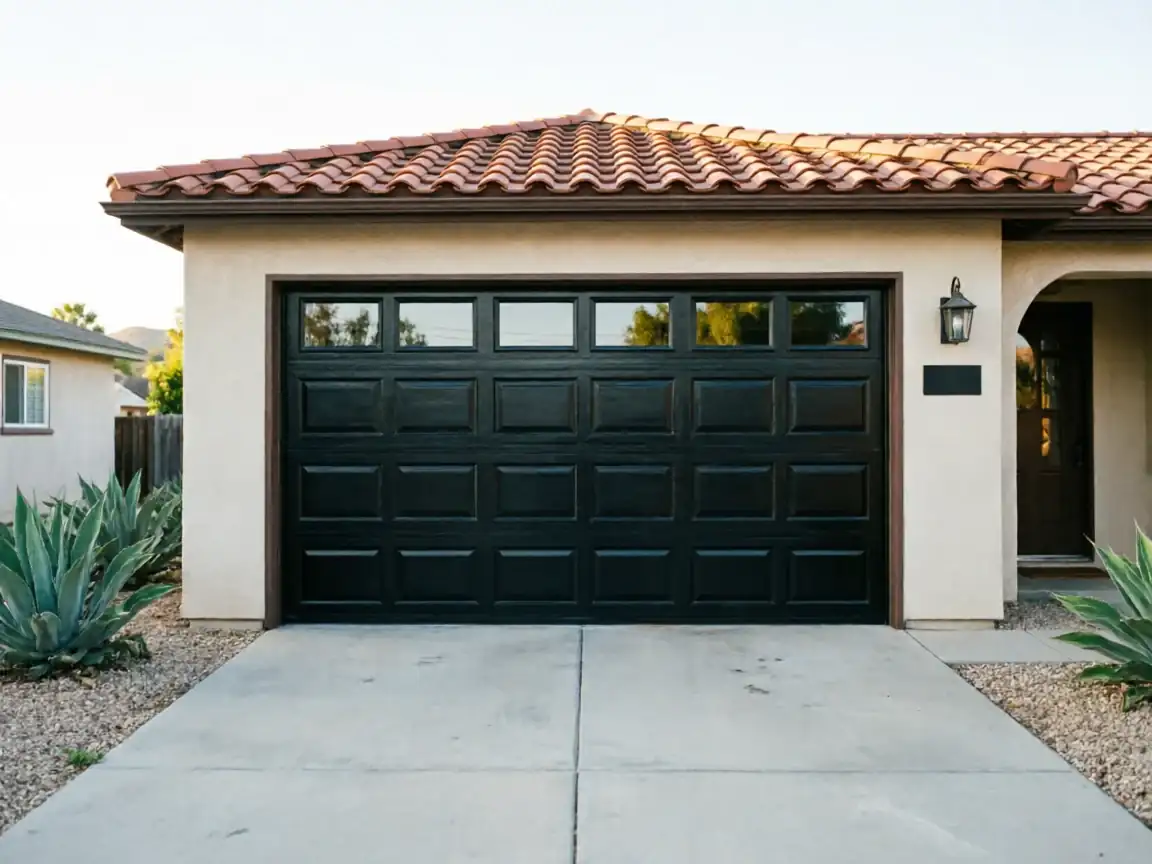
We're traveling from Redding for this job, not staffing a shop in Palo Cedro, so timing depends on what's in stock versus what has to be ordered. A standard-size steel door in a common width is usually a same-visit swap once it's on the truck. A custom width, an insulated model, or anything matching an older 1978-era opening sometimes needs the panel ordered to spec, which means a return trip. We won't promise a number of days here because we don't control the supplier's lead time and we're not going to invent one. What we can tell you up front, before you commit to anything, is whether your size and style is something we'd have on hand or something we'd need to order - that's a five-minute look at your current door, not a guess.
Why It Happens Here
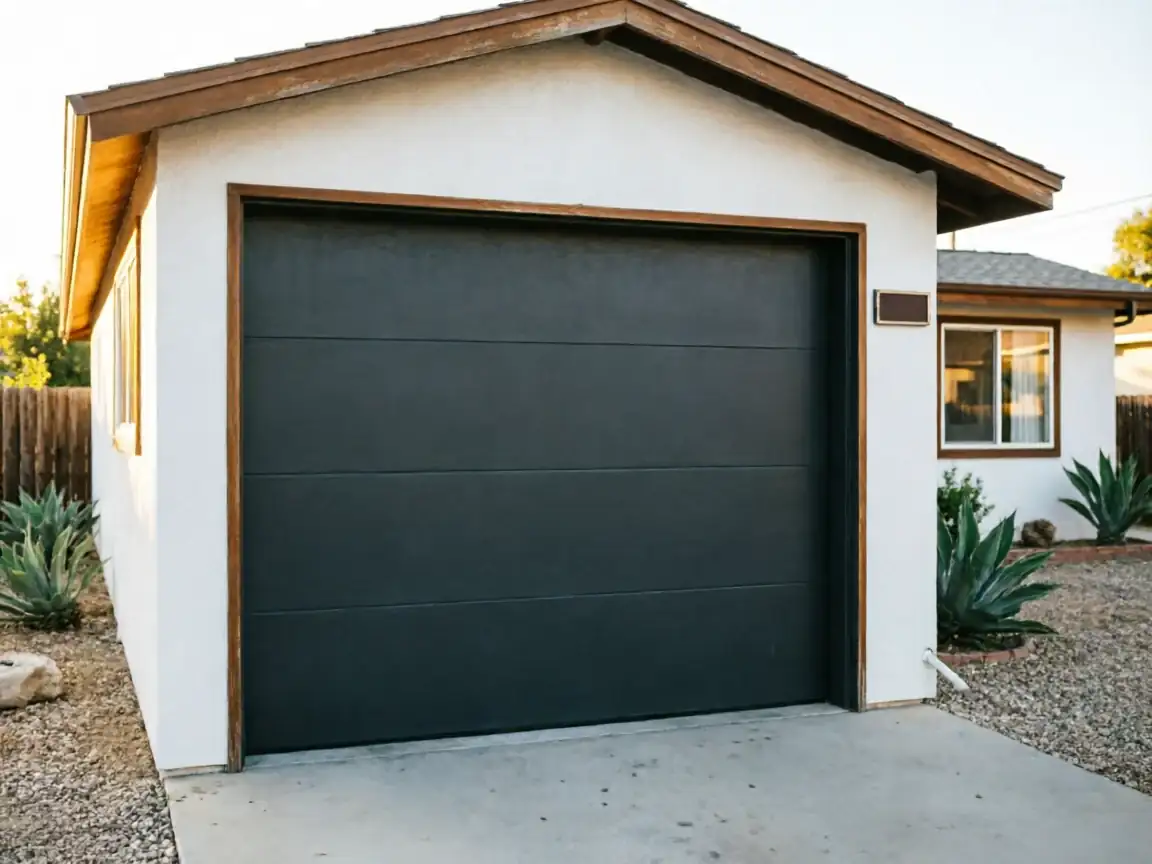
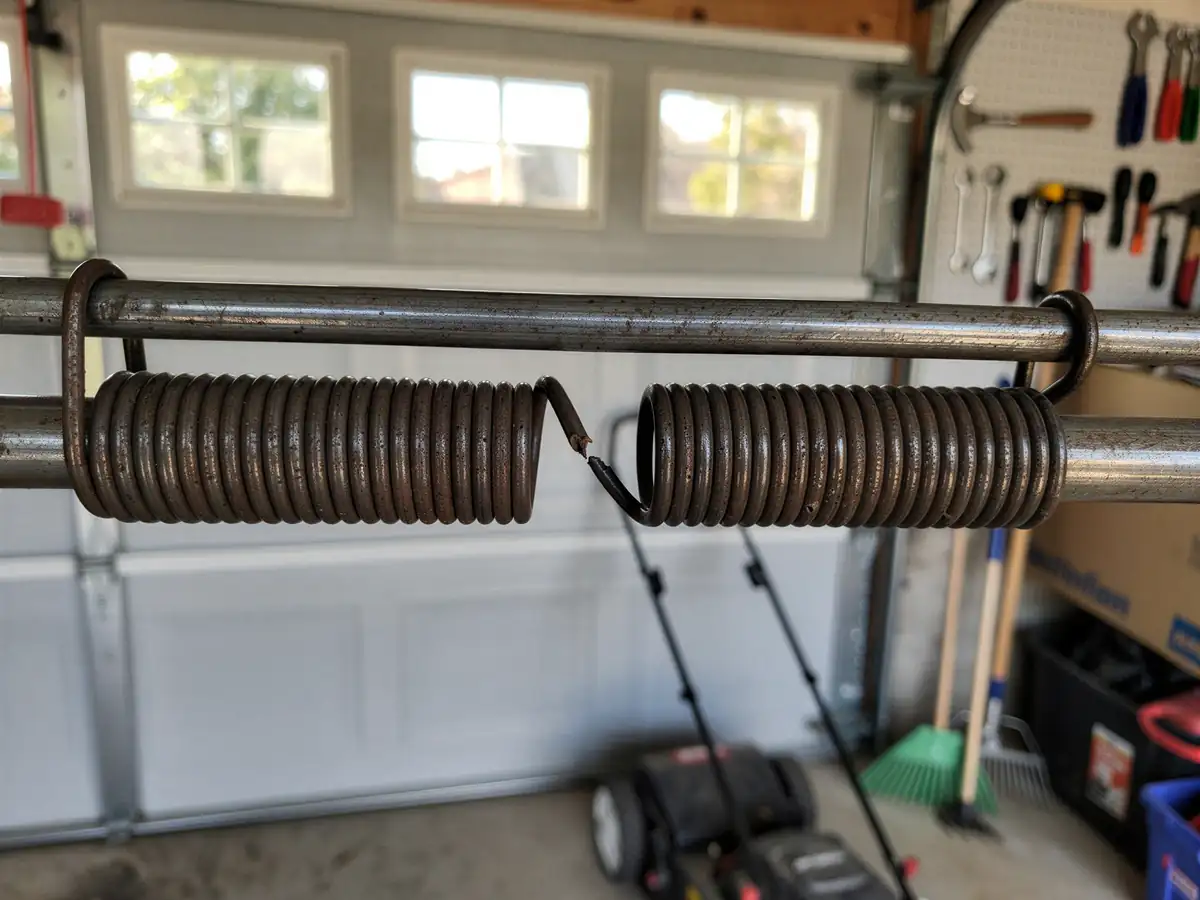
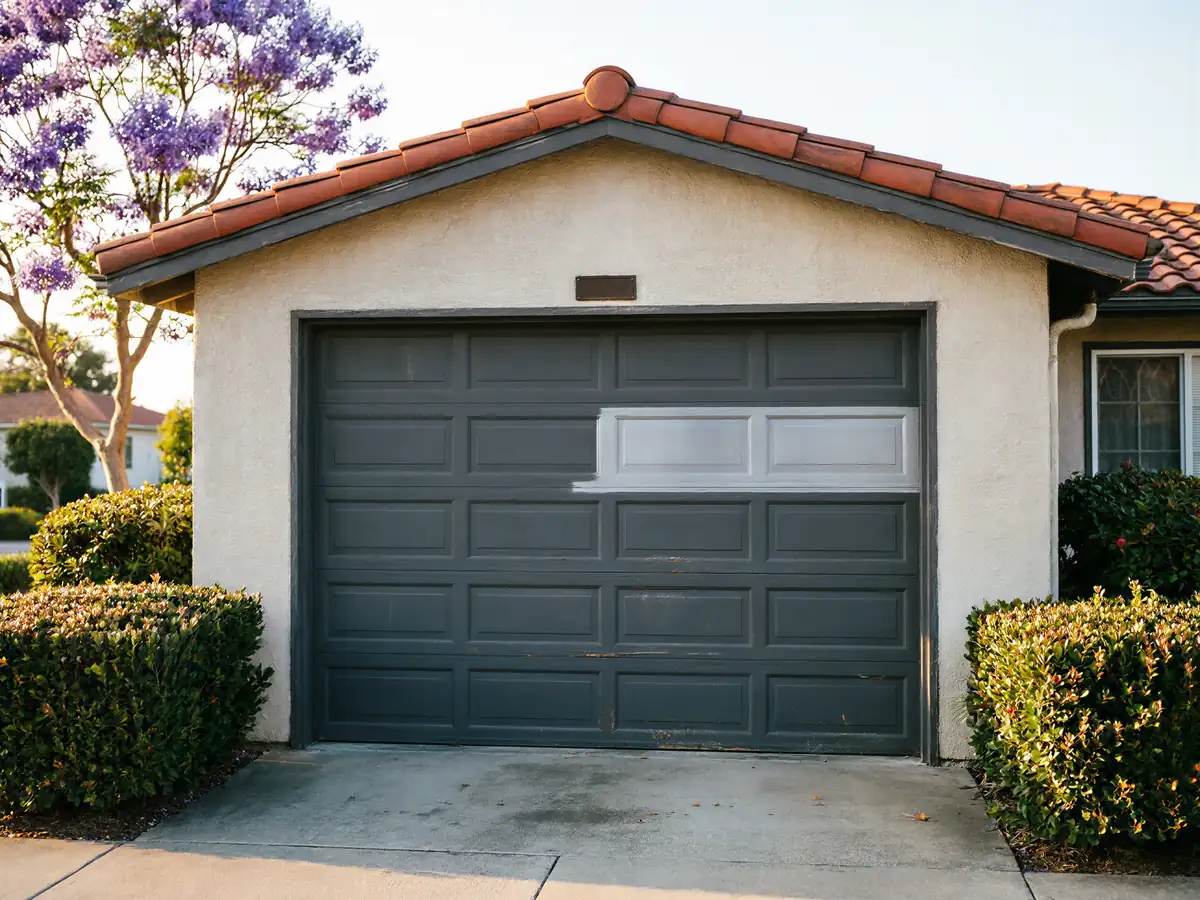
Palo Cedro sits in a severe-heat climate band, and that heat is hard on garage doors in specific, predictable ways. Steel panels expand and contract daily through the summer, which loosens hinge screws and fatigues weld points over years. Non-insulated doors - common on houses from the late 1970s build era this area is mostly made of - let that heat radiate straight into the garage, which is also where a lot of these original 1978-vintage openers and torsion springs have been baking for decades longer than they were rated for. Add in that a chunk of the broader service area's stock dates to the 1980s and 90s, a decade or two newer, and Palo Cedro's doors are often the oldest on the block when we show up. That combination - older hardware, sustained heat exposure - is why full replacement comes up more often here than a simple part swap.
Where This Job Goes Sideways
The most common surprise on a Palo Cedro install is headroom. Houses from this era sometimes have less clearance above the opening than current standard track systems assume, which means a stock installation plan doesn't fit until we switch to low-headroom hardware - and that's not something we stock on every truck, so it can mean a second trip. The other place it goes sideways is the header itself: a 1978 frame built for a lighter original door can be undersized for a heavier insulated replacement, and that's a repair to the structure, not the door, before installation can even start. With roughly 1,206 households in Palo Cedro, there isn't enough local demand to justify stocking every panel size and opener model in advance, so anything outside the common range gets ordered, not pulled off a shelf. We'd rather tell you that before the job starts than discover it halfway through.