How Local Conditions Play In
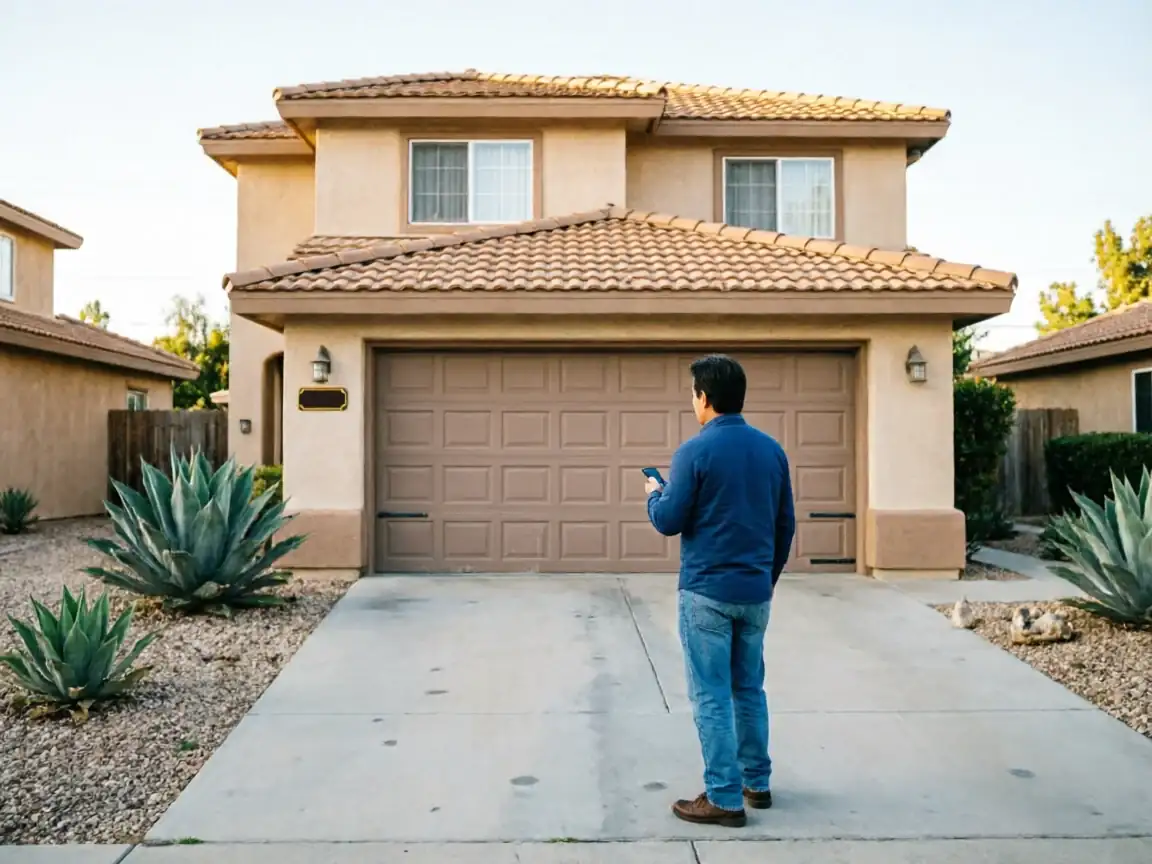
Most houses across this service area, went up somewhere between 1938 and 2000
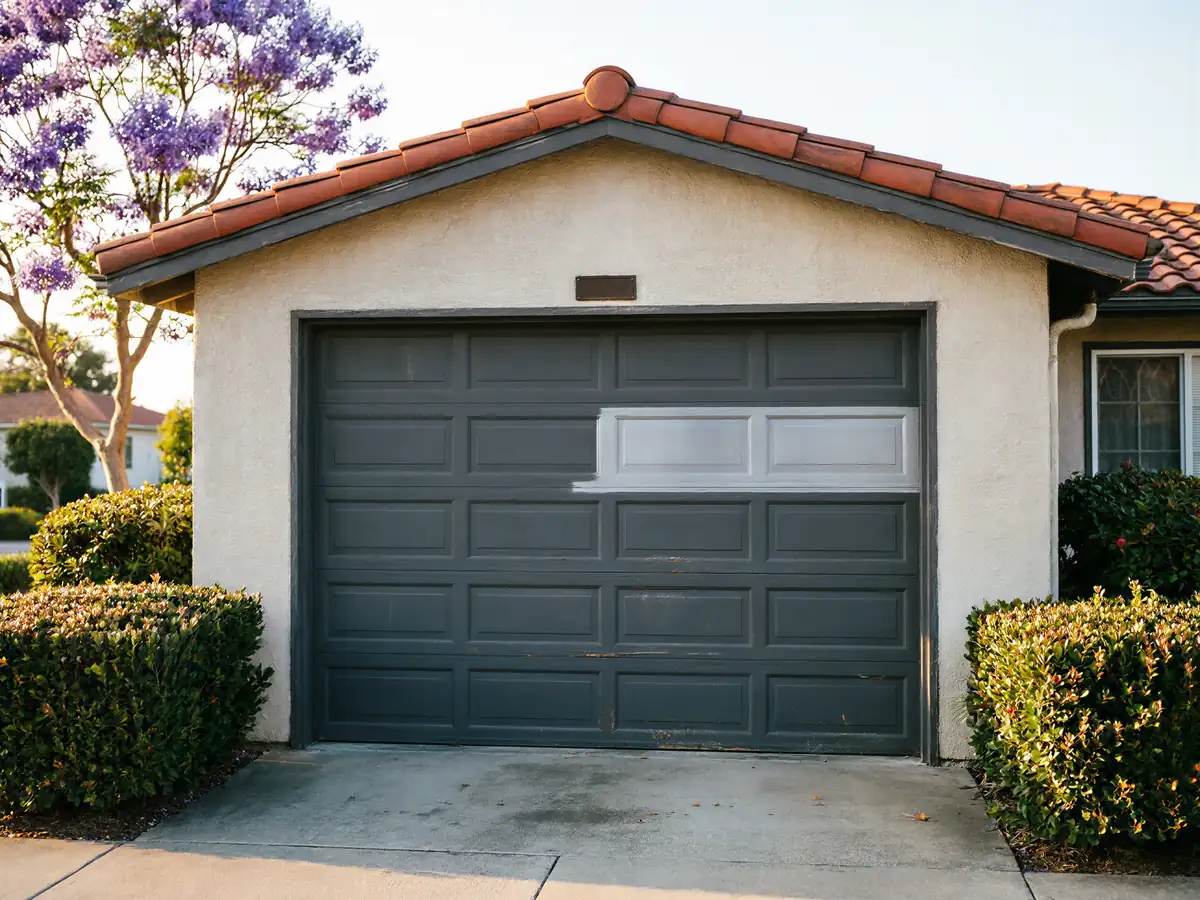
With the bulk of that stock dating to the 1980s and 90s. That matters for noise because hardware from that era wasn't built with today's nylon rollers or sealed bearings. A lot of these doors still run on steel rollers in steel tracks, which is a noisier setup from day one, and after thirty or forty years of summer heat cycling, the clearances open up and the noise changes character.
Redding sits in a severe heat climate band, and that's not a side note here
It's the main driver of wear. Garage doors in this area spend months baking against a west or south wall, then cool fast overnight. That expansion and contraction loosens fasteners, dries out lubricant, and shifts track alignment a little at a time. A door that sounded fine in spring can start grinding by August, not because anything broke suddenly, but because the heat finally found the weak point. None of this is dramatic. It's slow, and it's specific to how these houses were built and how hot it gets here.
The Problem
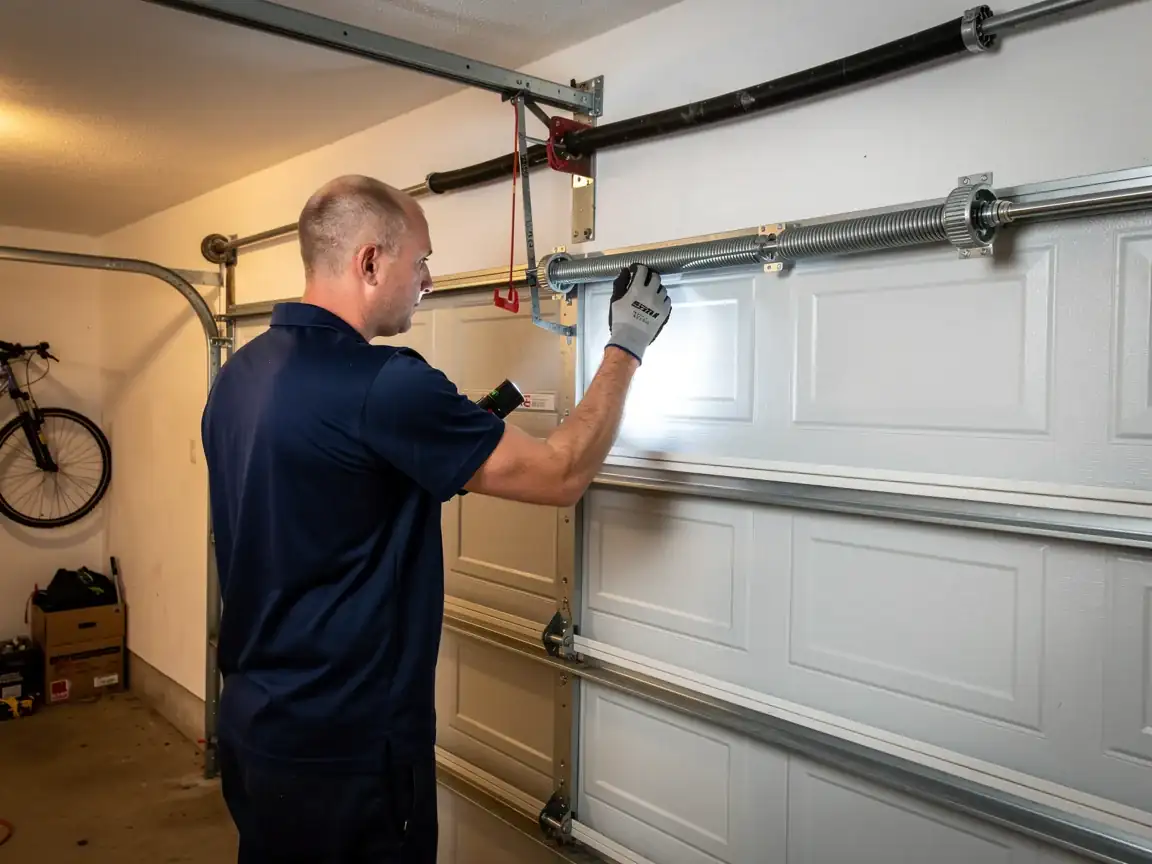
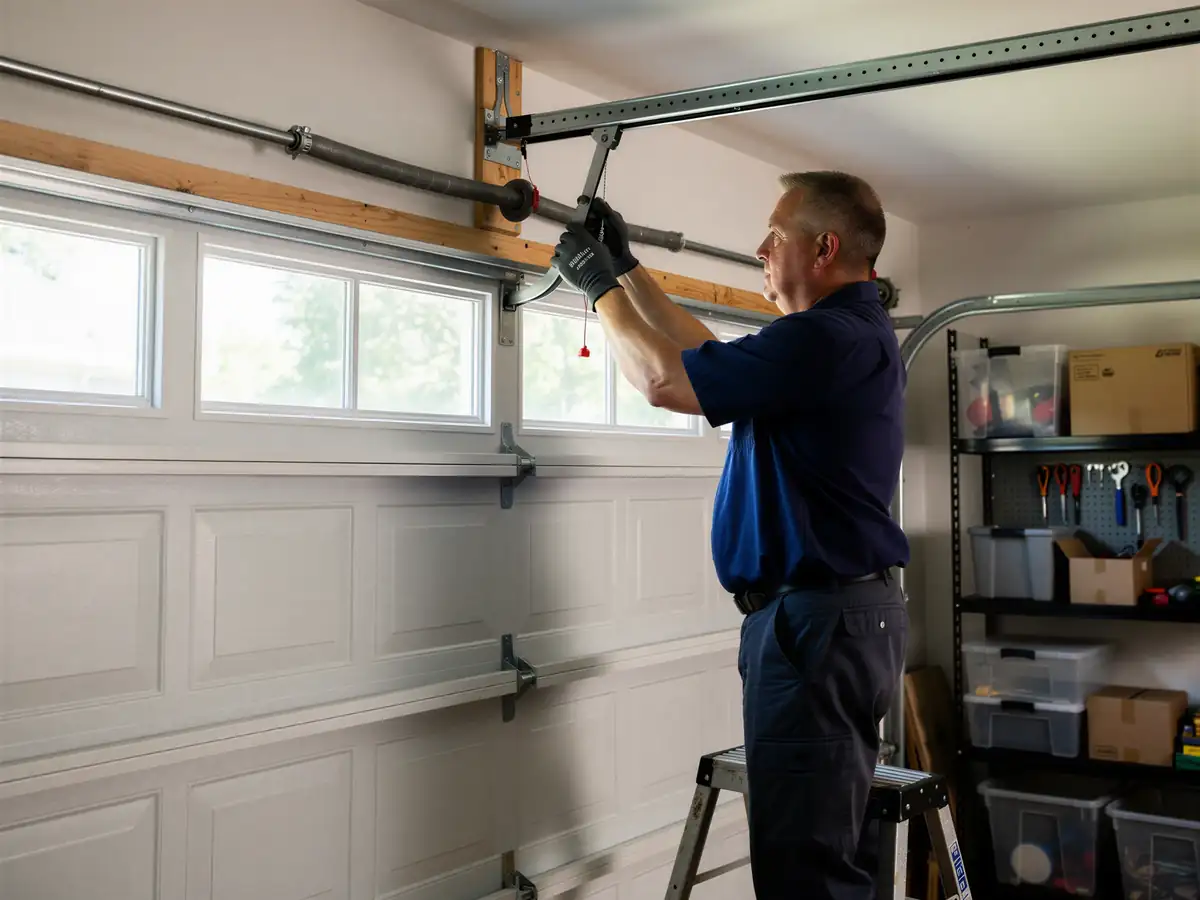
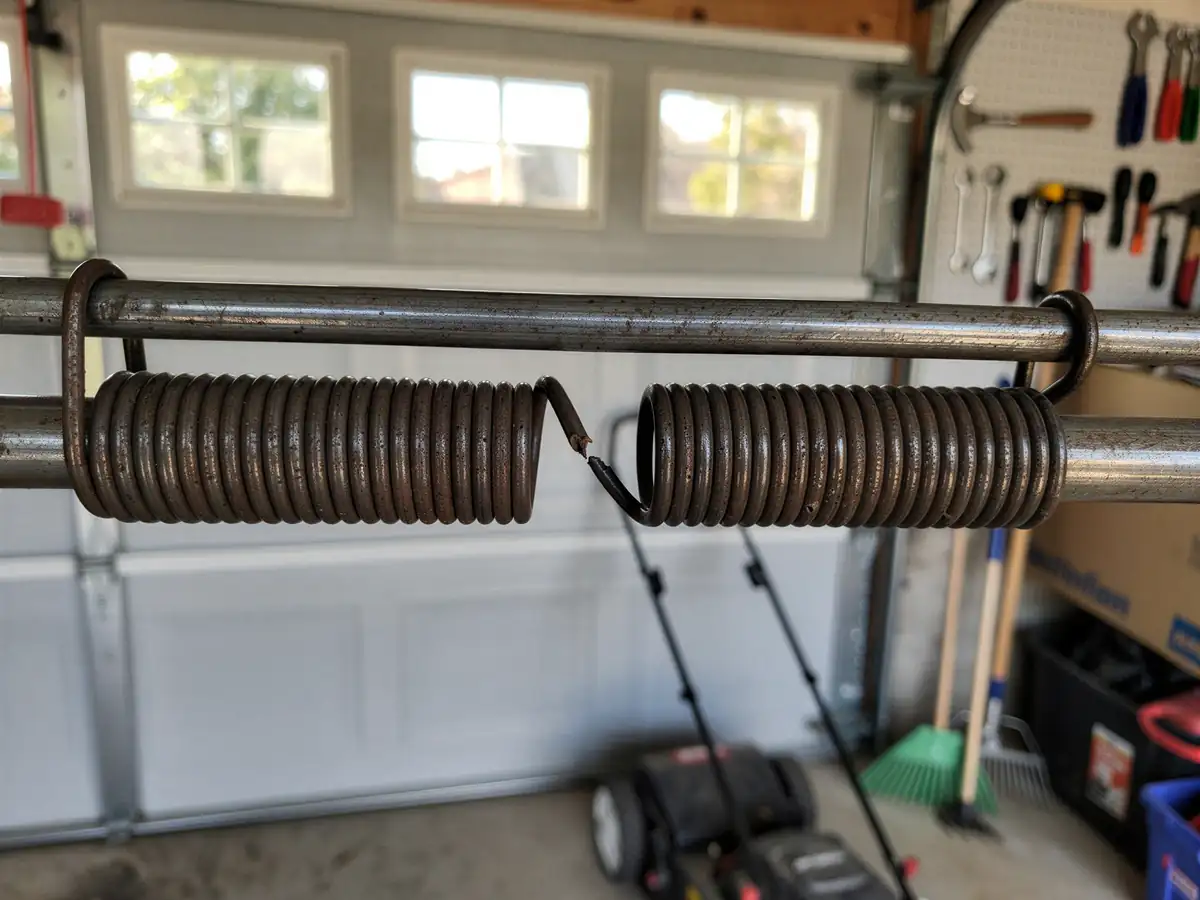
The noise itself is diagnostic if you know what to listen for, and in houses from this build era the usual suspects are predictable. A rhythmic thump as the door moves is almost always a flat spot on an original steel roller, something you see a lot in doors that have never been re-rollered since installation in the 80s or 90s. A sharp metallic pop, usually once per cycle, is often a torsion spring losing tension, and on these older setups the springs are frequently original too, rated for a lifespan that's long since passed.
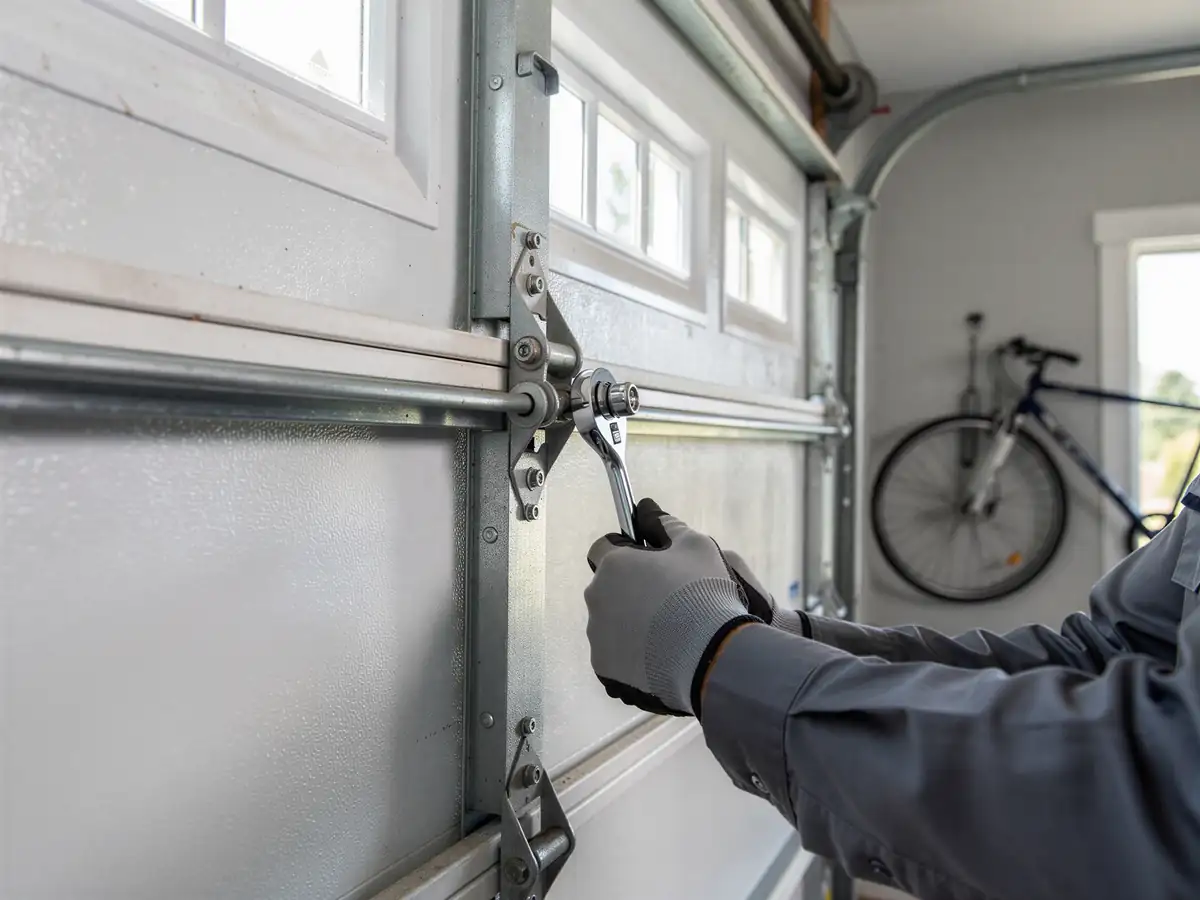
A grinding or scraping sound as the door travels is track misalignment, and heat is the usual cause in this climate. The bracket screws that hold a track to a wall stud loosen slightly every summer as the wood and metal expand at different rates, and by year twenty or thirty that slack adds up to a door that's riding slightly off true. None of these noises mean the door is about to fall, but none of them fix themselves either. They're wear signatures from decades of heat cycling on hardware that was standard for its era but isn't built like what goes in new installs today.
Season by Season
Spring is usually the quietest stretch for these doors. Temperatures are mild, metal isn't expanding or contracting much day to day, and whatever slack built up over winter hasn't been stressed by heat yet. It's also the easiest time to catch a problem before summer makes it worse.
Summer is when the noise shows up. With a severe heat climate rating, this area puts garage doors through repeated high-heat days that push steel tracks and springs through real expansion. A door that was quiet in May can start popping or grinding by July as fasteners loosen and spring tension shifts with the heat. This is the season homeowners call about noise most, and it's not coincidence.
Fall brings some relief as temperatures drop, but it's also when the cumulative heat damage from summer becomes obvious, since cooling metal can reveal gaps or misalignment that heat was masking. Winter here doesn't bring the freeze-thaw cycling that causes trouble elsewhere, so for houses in this area, winter noise is usually a holdover from summer stress rather than a new problem starting.
When It Stops Being a DIY Job
A little lubricant on hinges and rollers is reasonable homeowner work
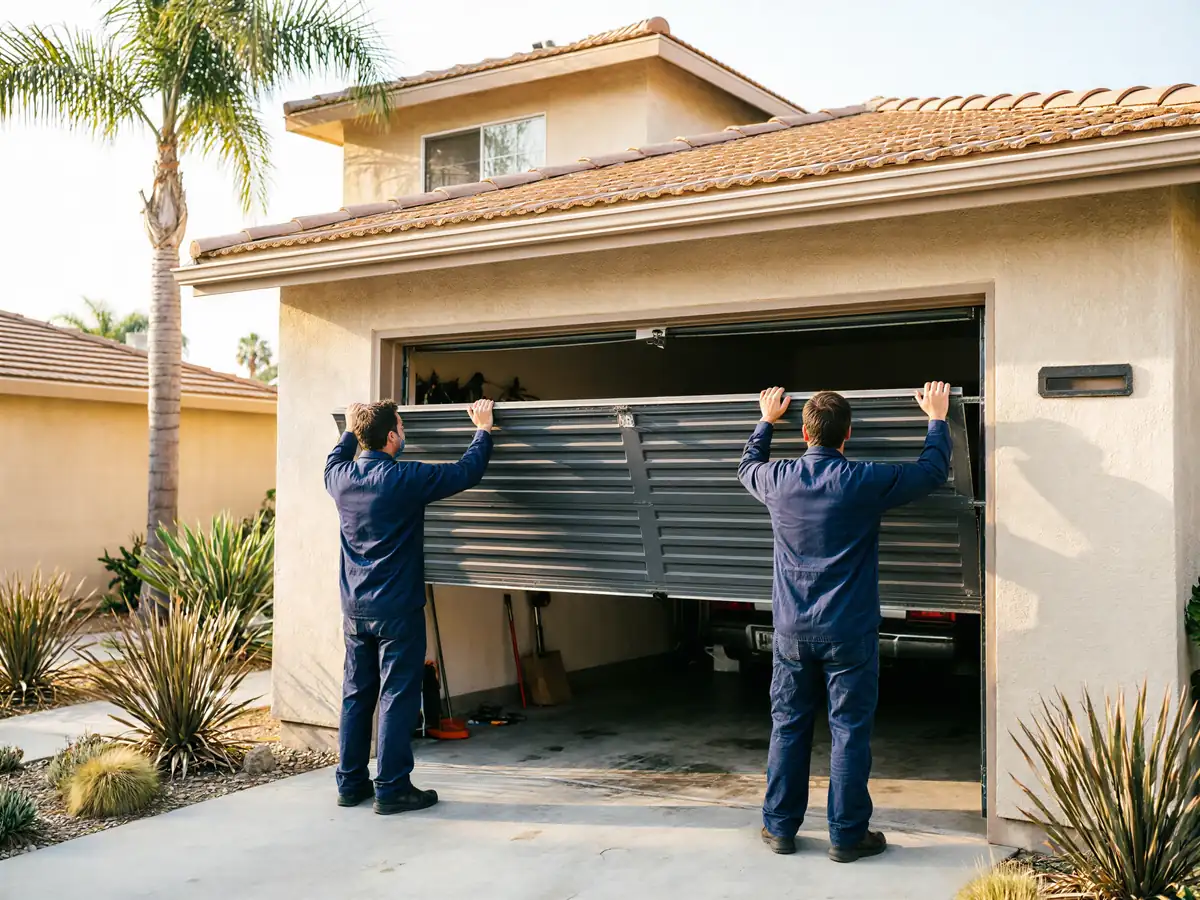
And it quiets a lot of minor squeaks in these older systems. But a torsion spring job is not something to take on yourself, full stop. The spring is under enough tension to cause serious injury, and on a door from this era the spring is usually original and has outlived its rated cycle count, which means it can let go without much warning.
If the noise is a steady grinding that doesn't go away with lubrication, that's track alignment, and on a wall where studs have shifted slightly from decades of heat cycling, that's a job for someone who can reset the track to the stud line properly, not just loosen and retighten the same bolts
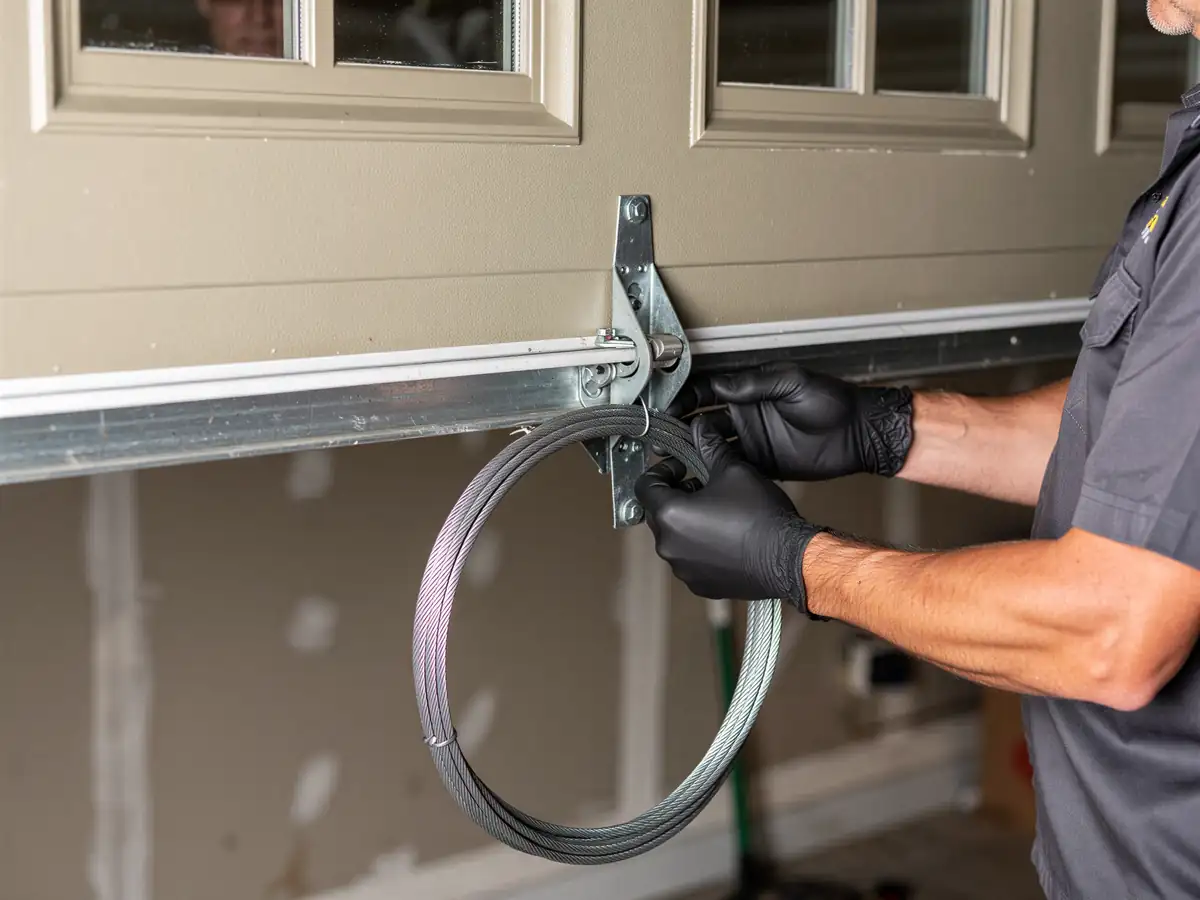
We won't pretend every noisy door needs full replacement. Plenty of these 1980s and 90s doors have good bones and just need rollers, cables, or spring service to run quiet again for years. But once a door is grinding on its track or popping on every cycle, that's past the point where tightening a screw fixes it.