What You Pay
Most houses out this way went up around 1978
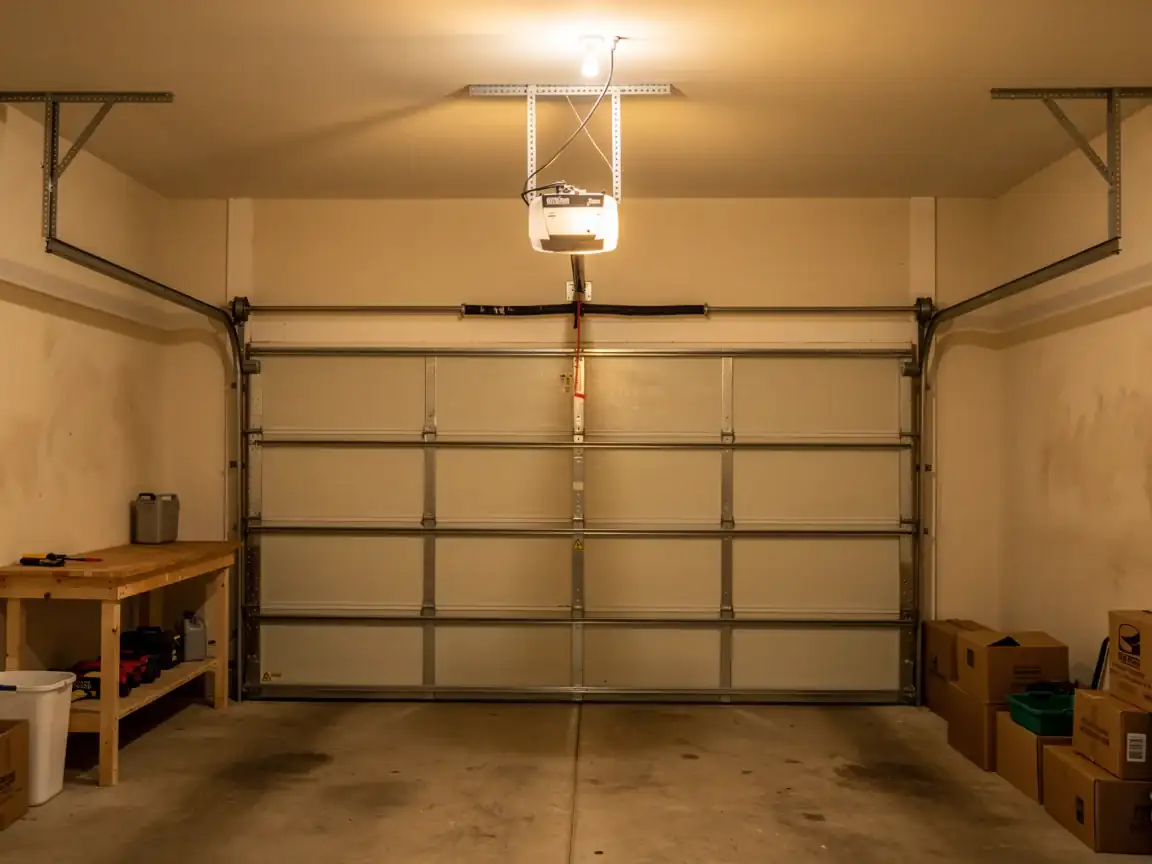
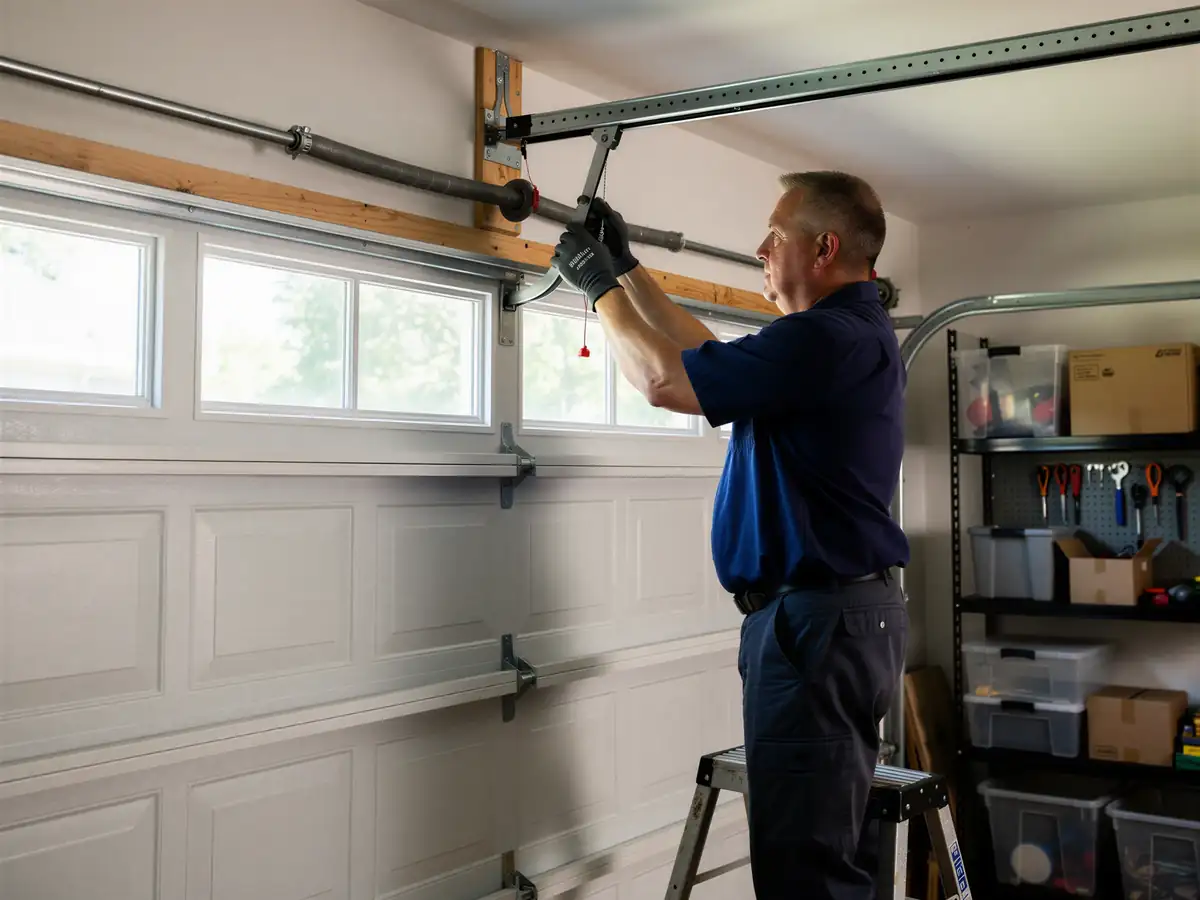
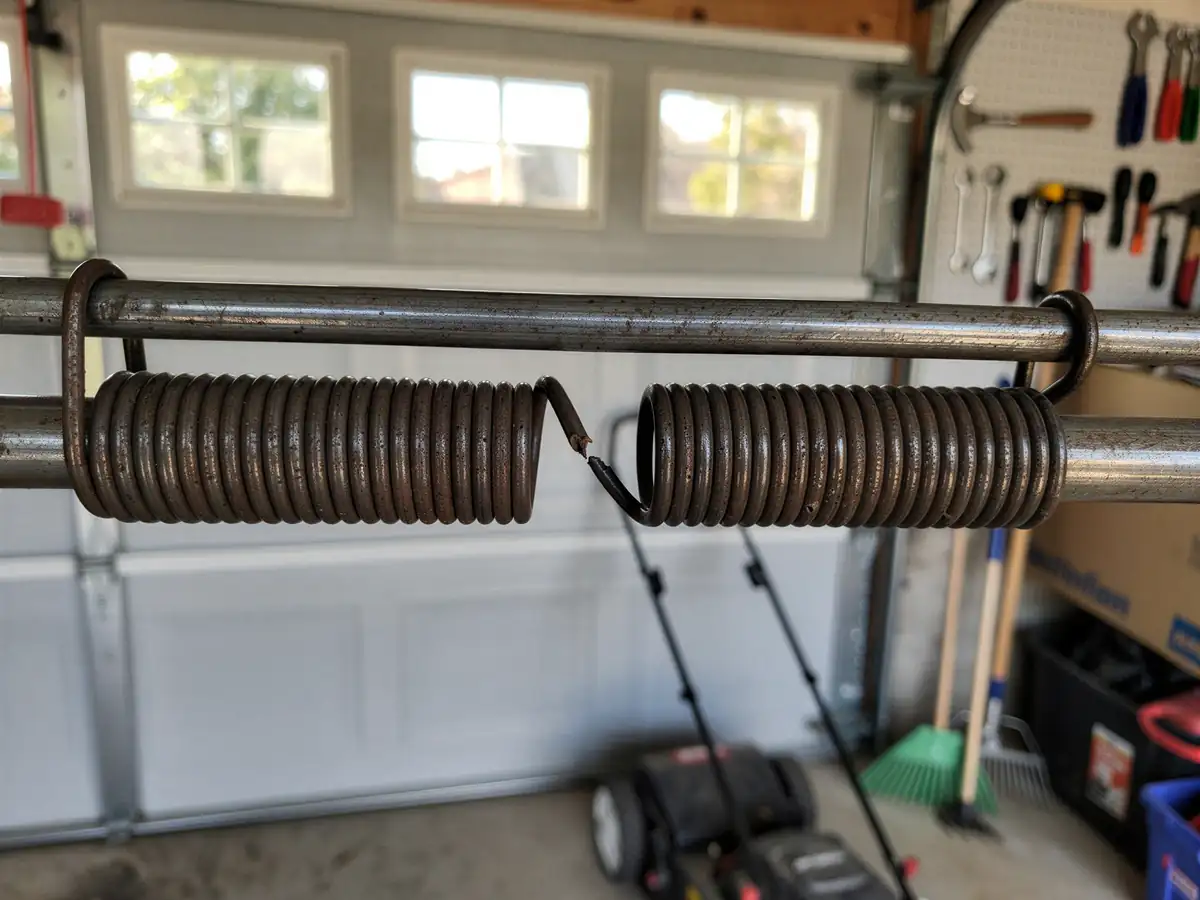
Which puts them past the extension-spring era and into torsion hardware mounted on a shaft above the door. That's the good news for cost: torsion systems are the standard repair, parts are common, and a tech isn't improvising with a style nobody stocks. What moves the price is whether you've got one spring or two, and whether 40-plus years of use has also chewed up the cable or the end bearing plates that spring sits on. A straightforward torsion spring swap on a single door is a different job than a double-door setup where both springs are shot and the drums are worn from running unbalanced. We quote the job after we see the door, not over the phone, because guessing on a spring job either lowballs you or scares you off for no reason.
We drive out from Redding, about 6 miles
So the number you're quoted is the repair itself, not a separate trip charge tacked on after.
- 6 miles
How We Fix It
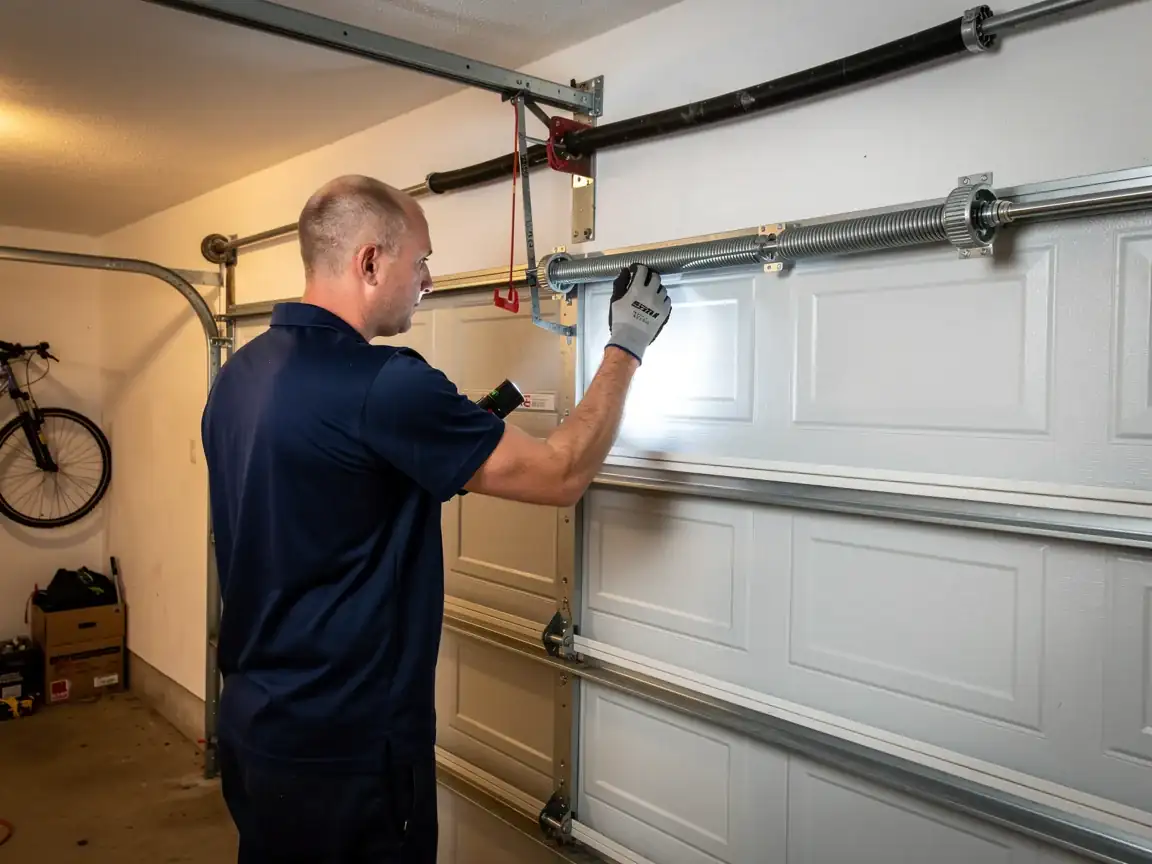
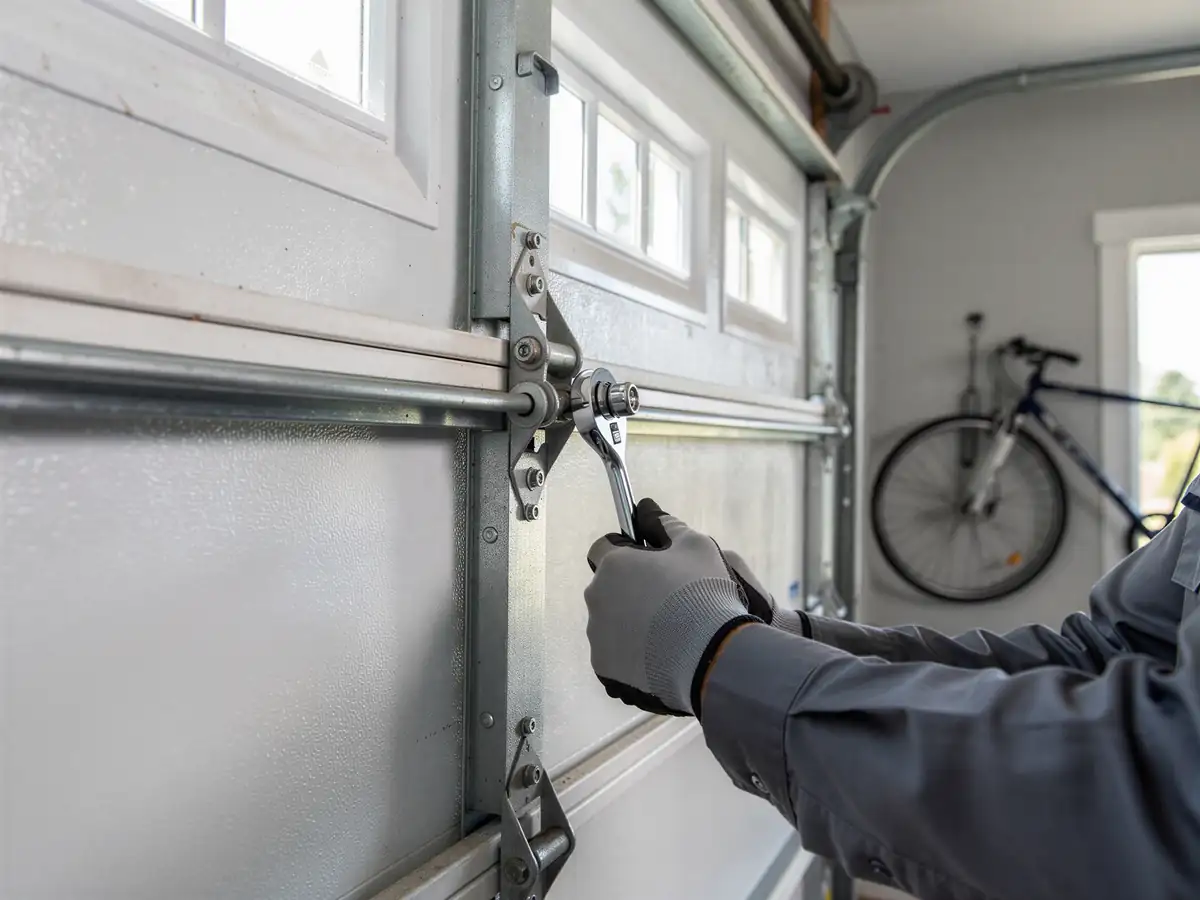
We back the door down, lock the track, and release tension off the old spring with winding bars before anything comes apart - this is not a job for vise grips and a ladder, and it's the step that puts people in the ER when they try it solo. Once the spring's off, we check the shaft for wear grooves, look at the bearing plates (original hardware from a 1978-era build has usually seen one replacement cycle by now, sometimes none), and size the new spring to the door's actual weight rather than swapping in whatever's closest.
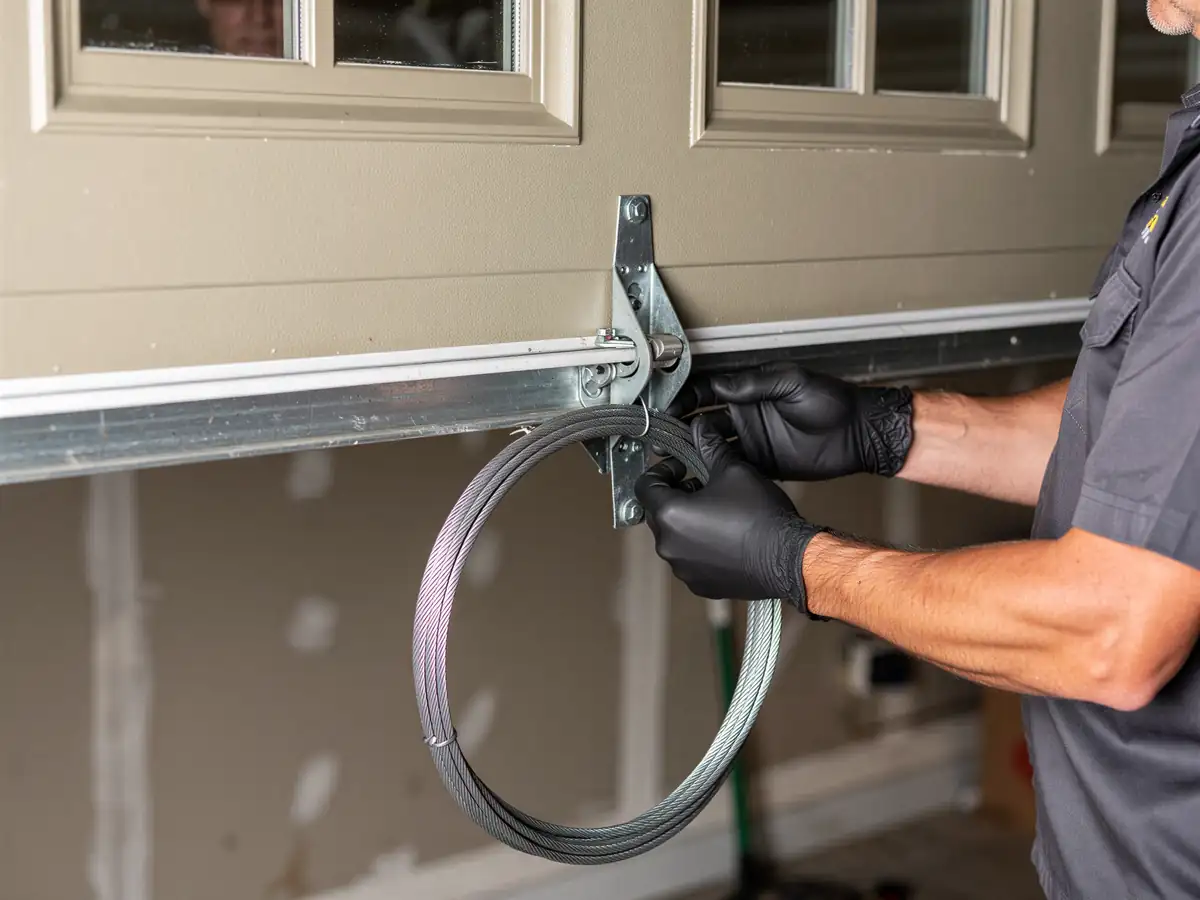
If the drums or cable show wear from running on a weak spring - which happens when a spring fails slowly instead of snapping outright - we'll flag that rather than put a new spring on tired cable and send you off thinking it's fixed.
How Long You Are Without the Door
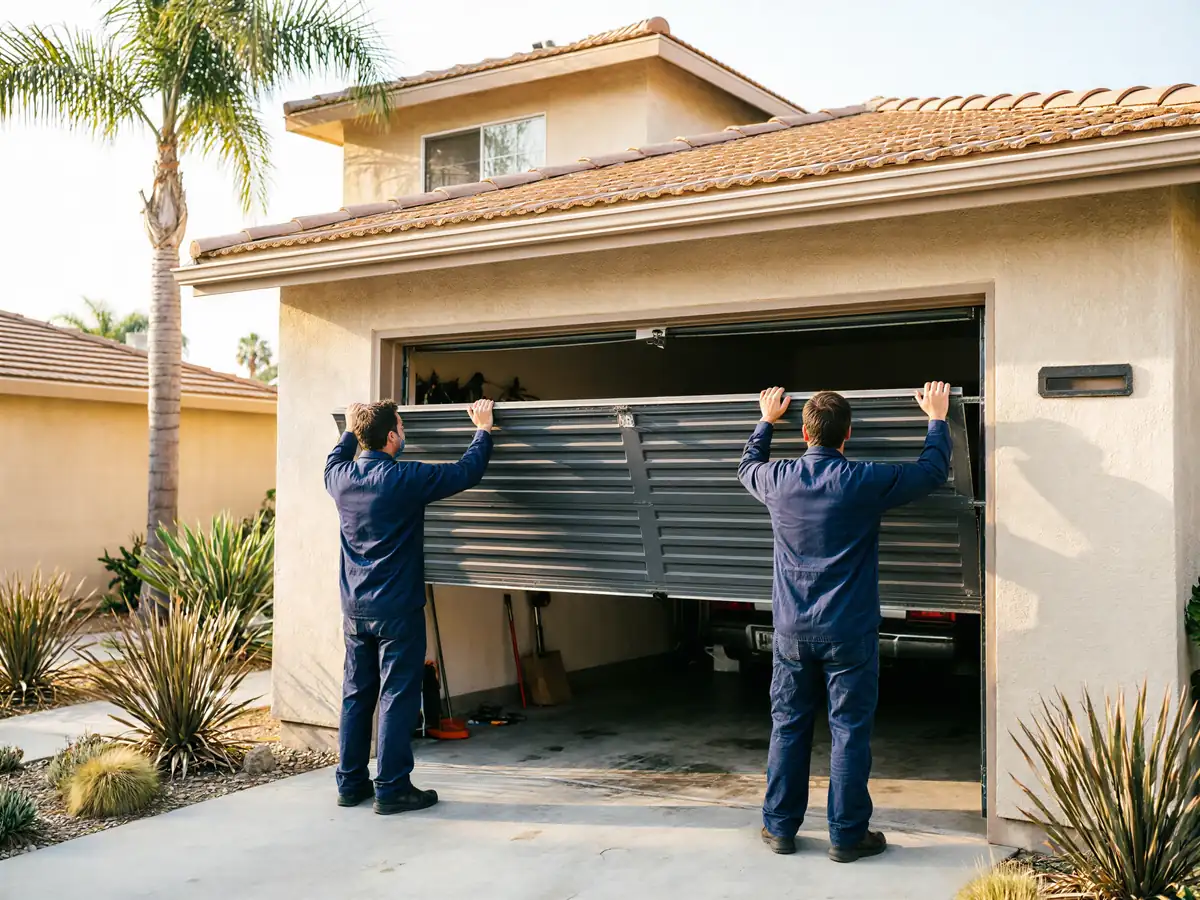
A torsion spring swap on a single door is usually a same-visit fix once the tech is in your driveway - it's bar work and a lift, not a parts-order job, unless the spring size turns out to be non-standard or the drums need replacing too. Double doors with two springs take longer on-site but still finish same day in most cases.
What stretches it out: if you've got an older or oddball spring size, or a door wide enough that it needs a spring we don't carry on the truck, that's a return trip. We'll tell you on the first visit if that's the situation rather than let you assume it's done.
Can You Do This Yourself
No, and this is the one place on this page where we're blunt about it
A wound torsion spring holds enough stored force to break fingers, crack a skull, or put a bar through drywall if it slips off the winding cone. It doesn't matter how handy you are with the rest of the house - this is the one garage door job where the right call is to pay someone with the bars, the cone, and the habit of doing it the same way every time.
What you can safely check yourself
Whether the door is actually a spring problem or something simpler, like a disconnected opener arm or a track that's knocked out of line. If the door won't budge even by hand with the opener disconnected, that's spring tension, and that's our call to make, not yours.
Why It Happens Here
Palo Cedro sits in a severe-heat climate band, and heat is harder on a torsion spring than most people expect - the metal cycles through expansion and contraction every day it sits in a hot garage, and that fatigue adds up faster than cold-climate wear does. A spring rated for a certain number of cycles doesn't care whether those cycles happened in five years or fifteen; heat just gets you there sooner.
Layer that on top of the area's age: a lot of these doors and their original torsion springs date back toward 1978, meaning the spring on your door may be the first one it's ever had. Once a torsion spring is original to a house that old, it's not a question of if it goes, it's which afternoon.
Where This Job Goes Sideways
The usual way this goes wrong is somebody notices the door is heavy, assumes it's the opener motor struggling, and keeps running it that way for weeks. An opener fighting a bad spring burns out the opener too, and now it's two repairs instead of one. The other way it goes sideways is a spring that's wound to the wrong size - too light and it won't hold the door, too heavy and it slams up on you. Sizing it off the door's actual weight, not a guess, is most of the job.
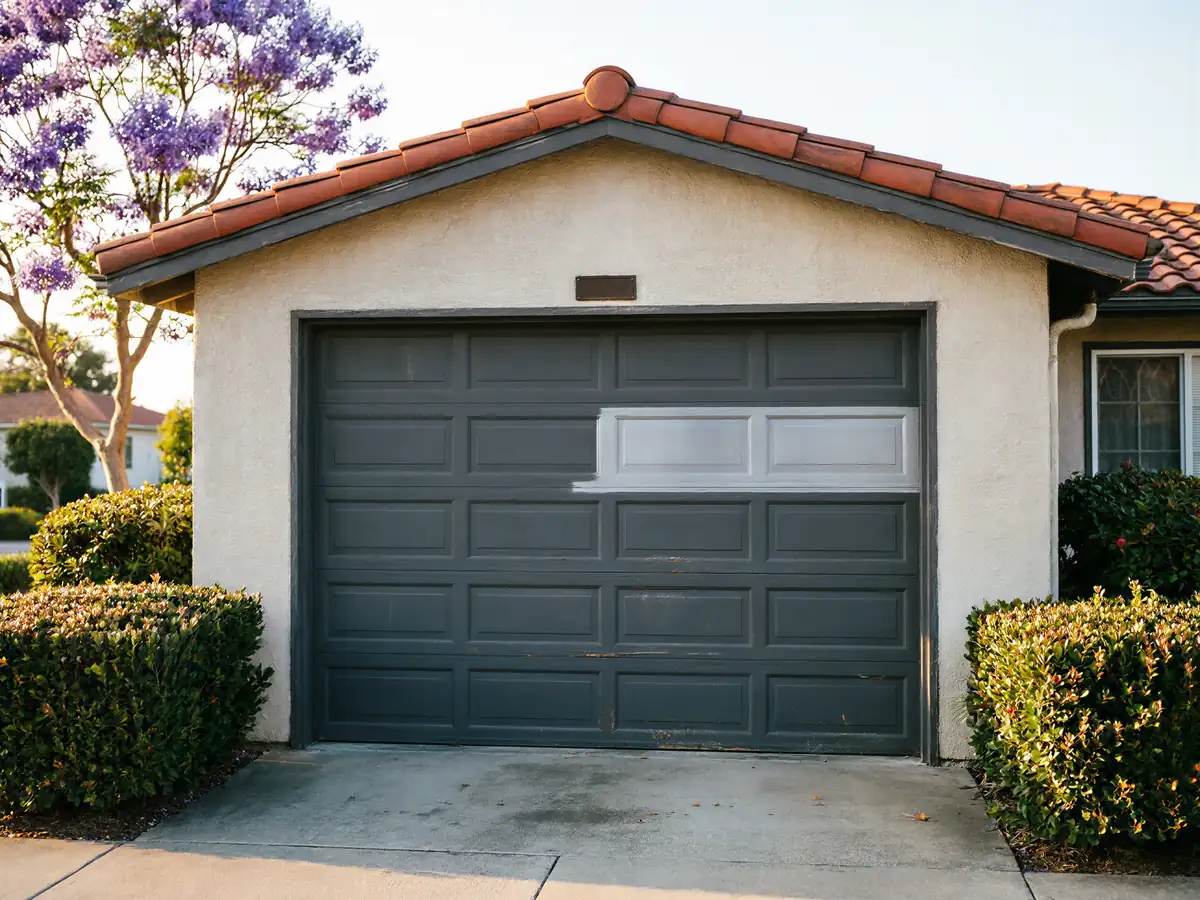
One honest limit: if the door itself is warped, rusted through, or the track is bent beyond adjustment, a new spring won't fix a door that's structurally done. We'll tell you if that's what we're looking at instead of selling you a spring the door doesn't deserve.