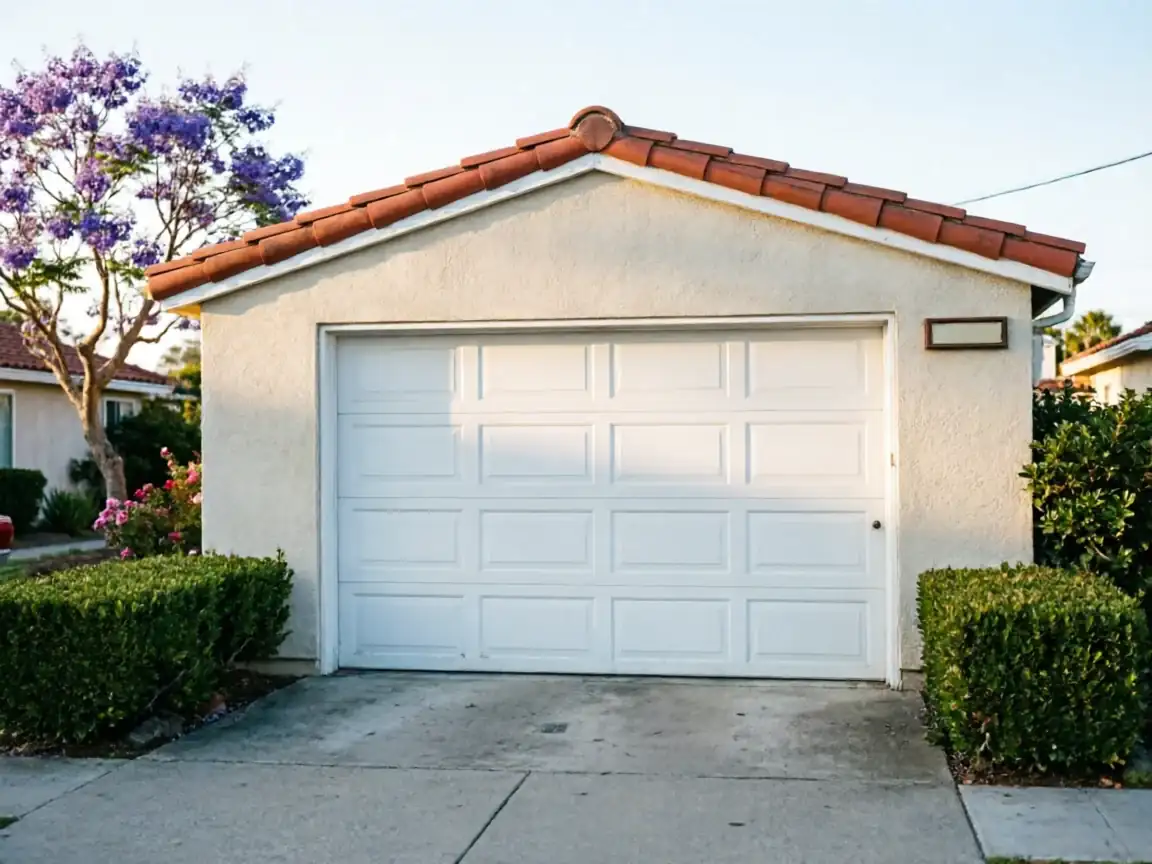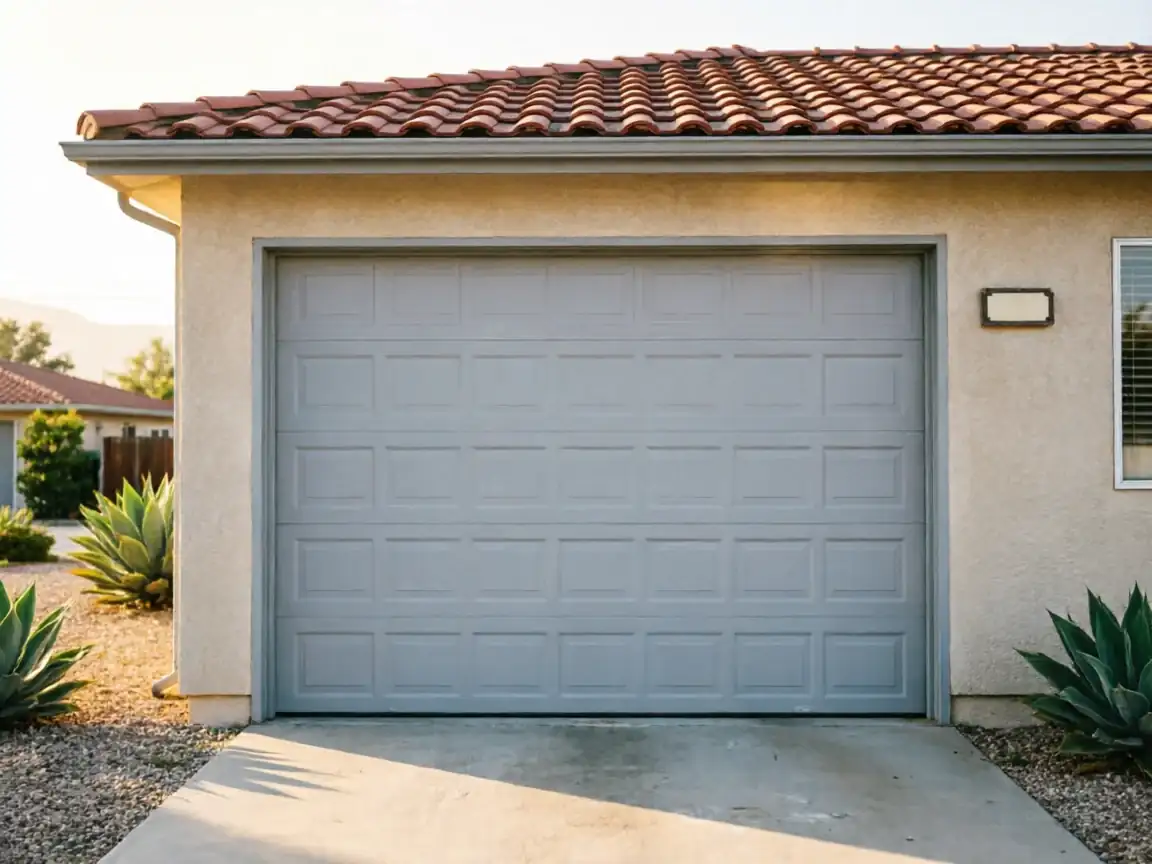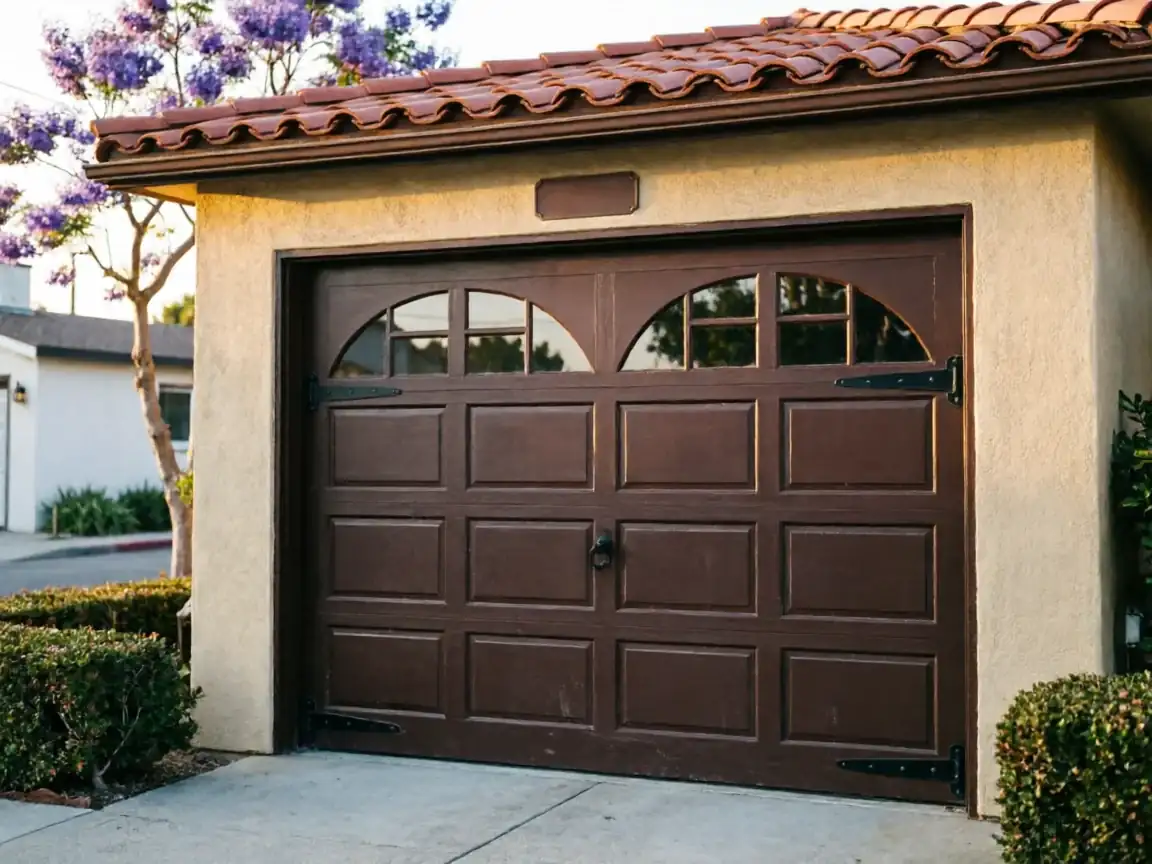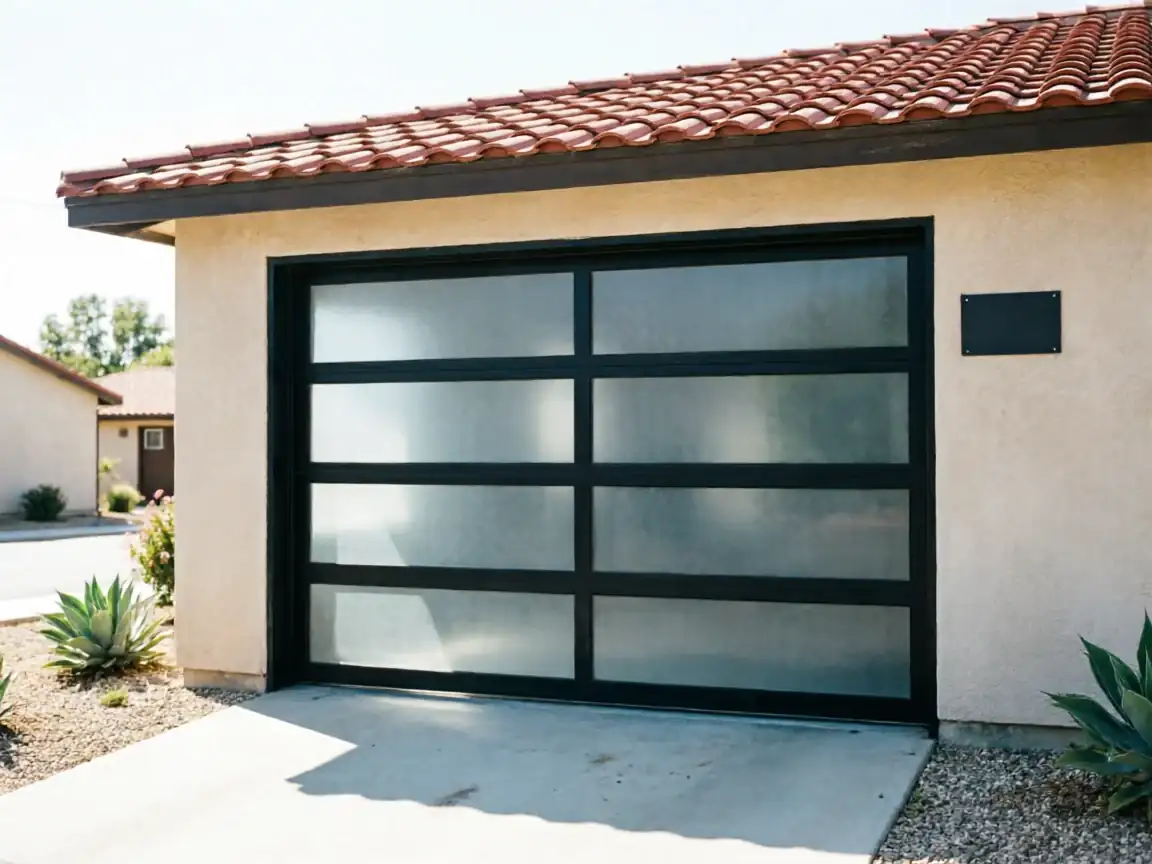
How We Fix It
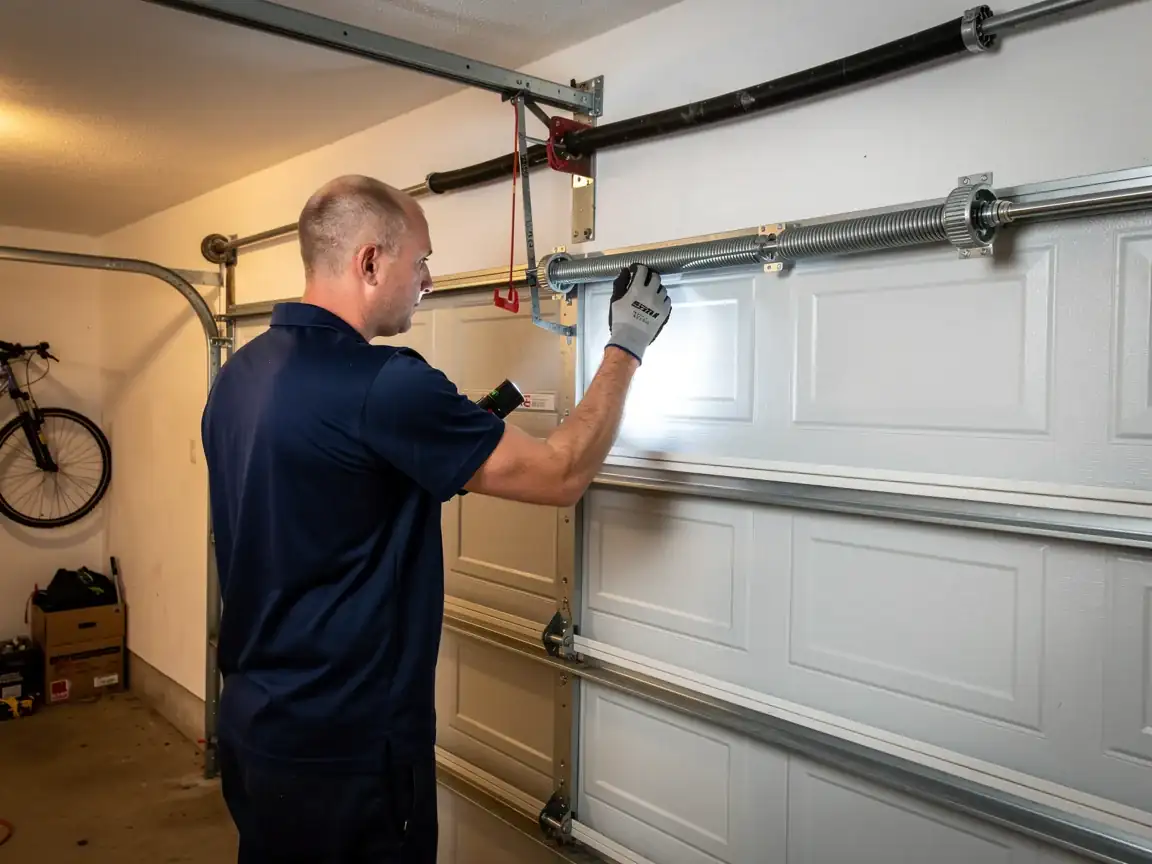
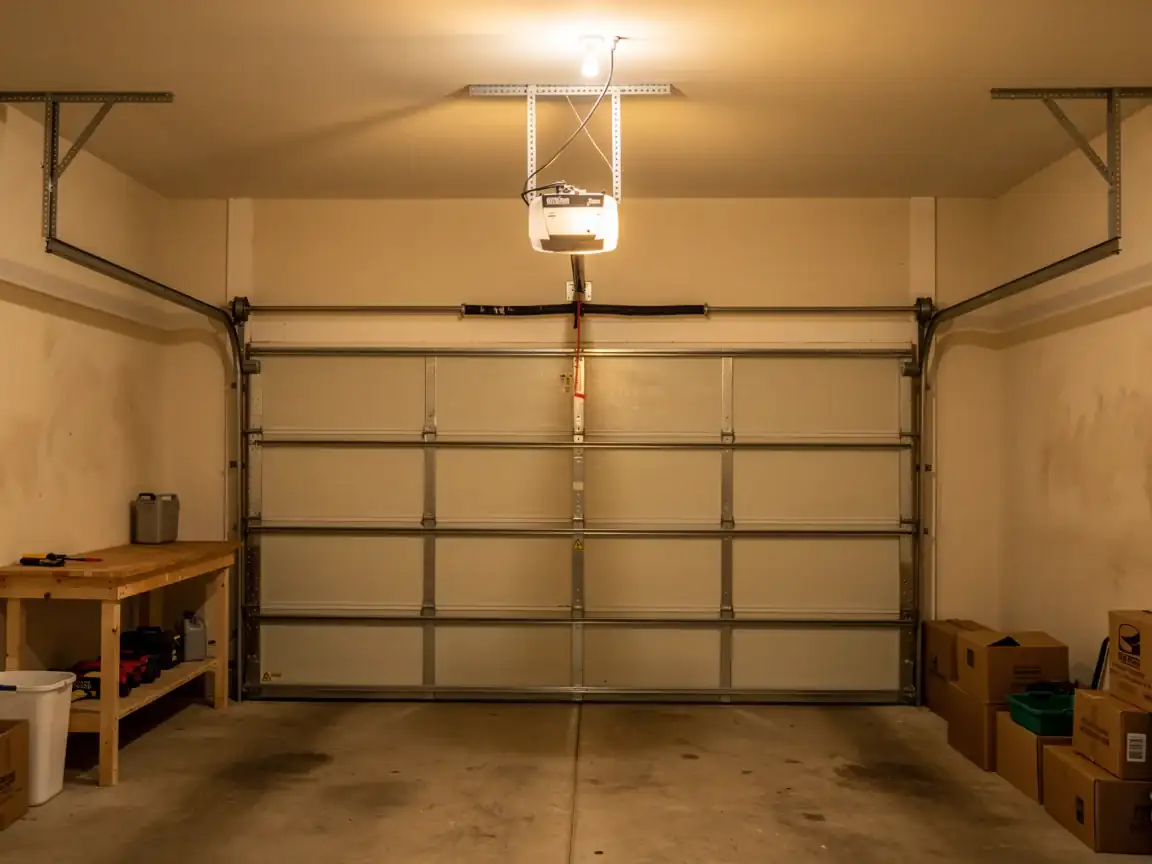
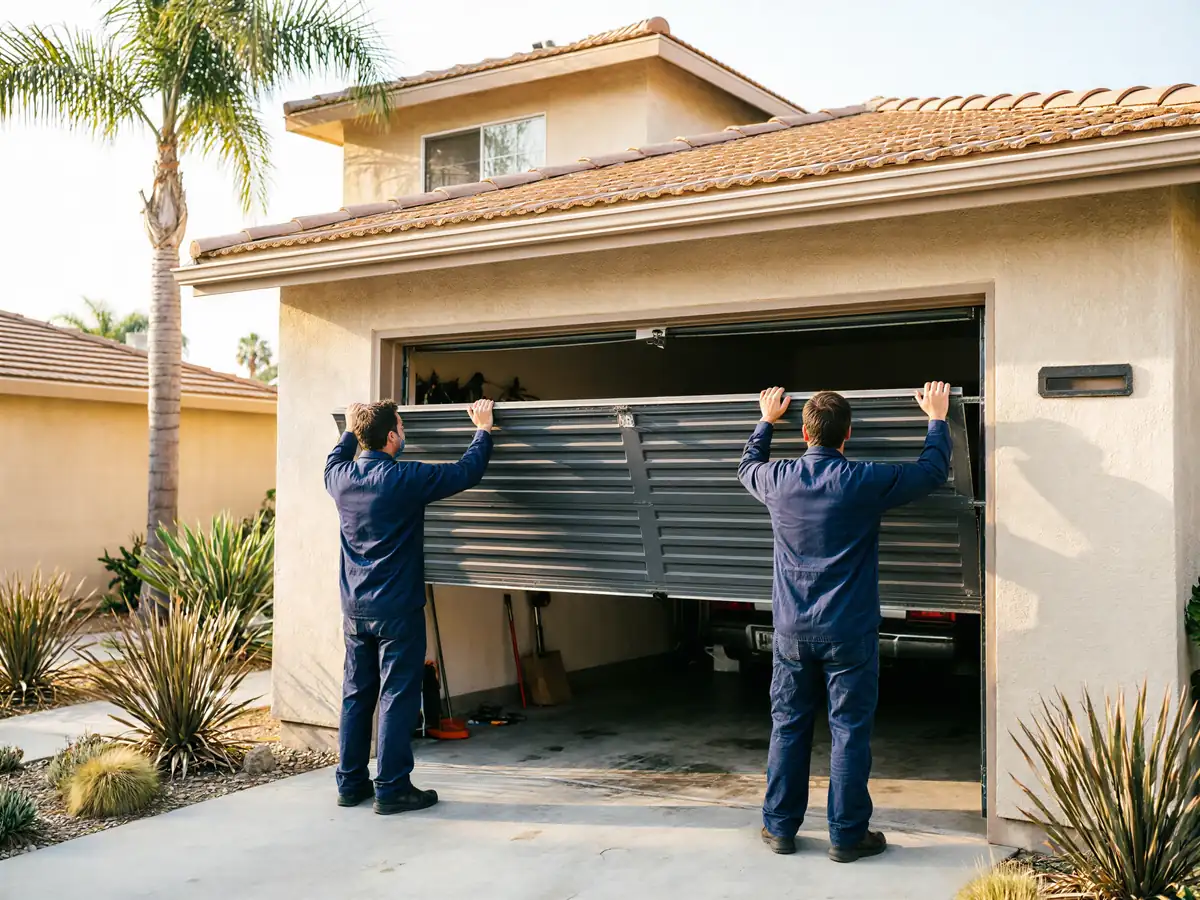
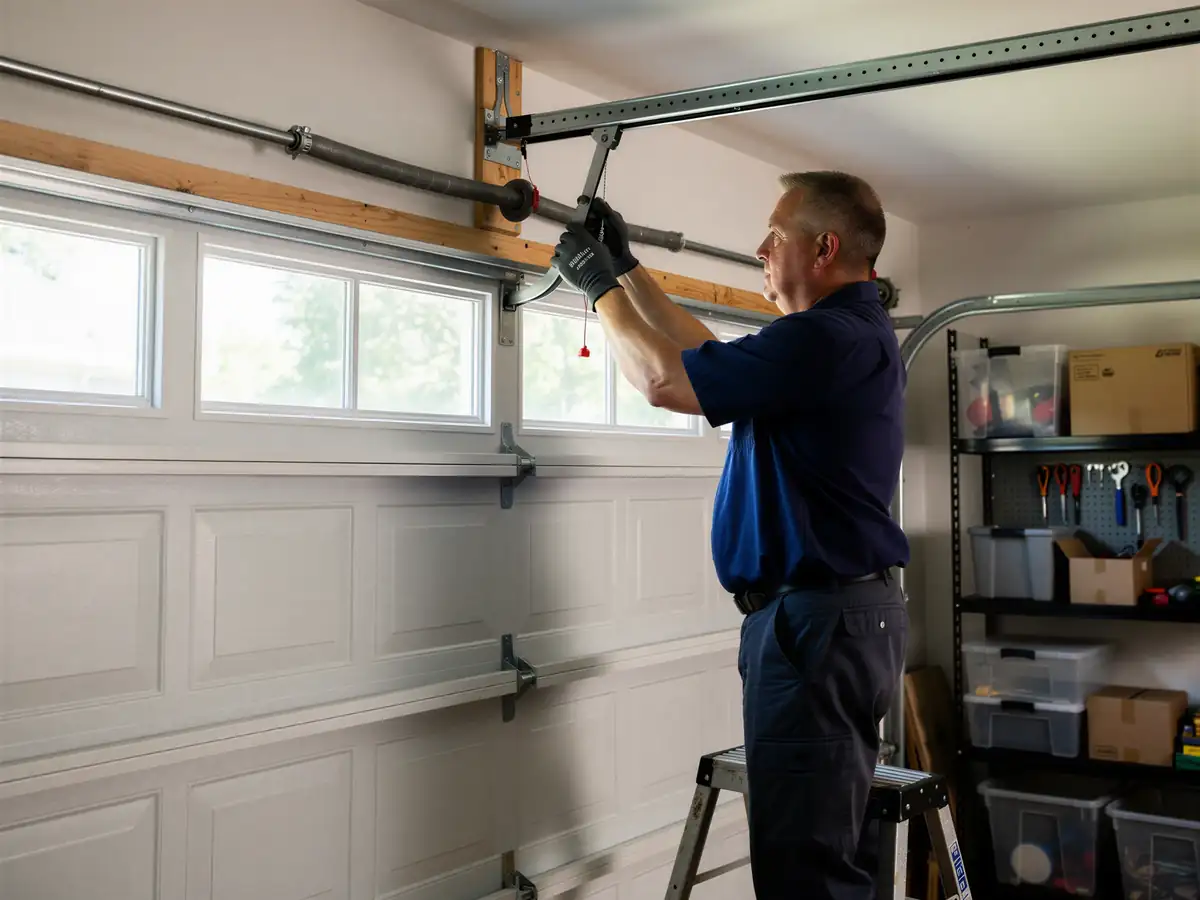
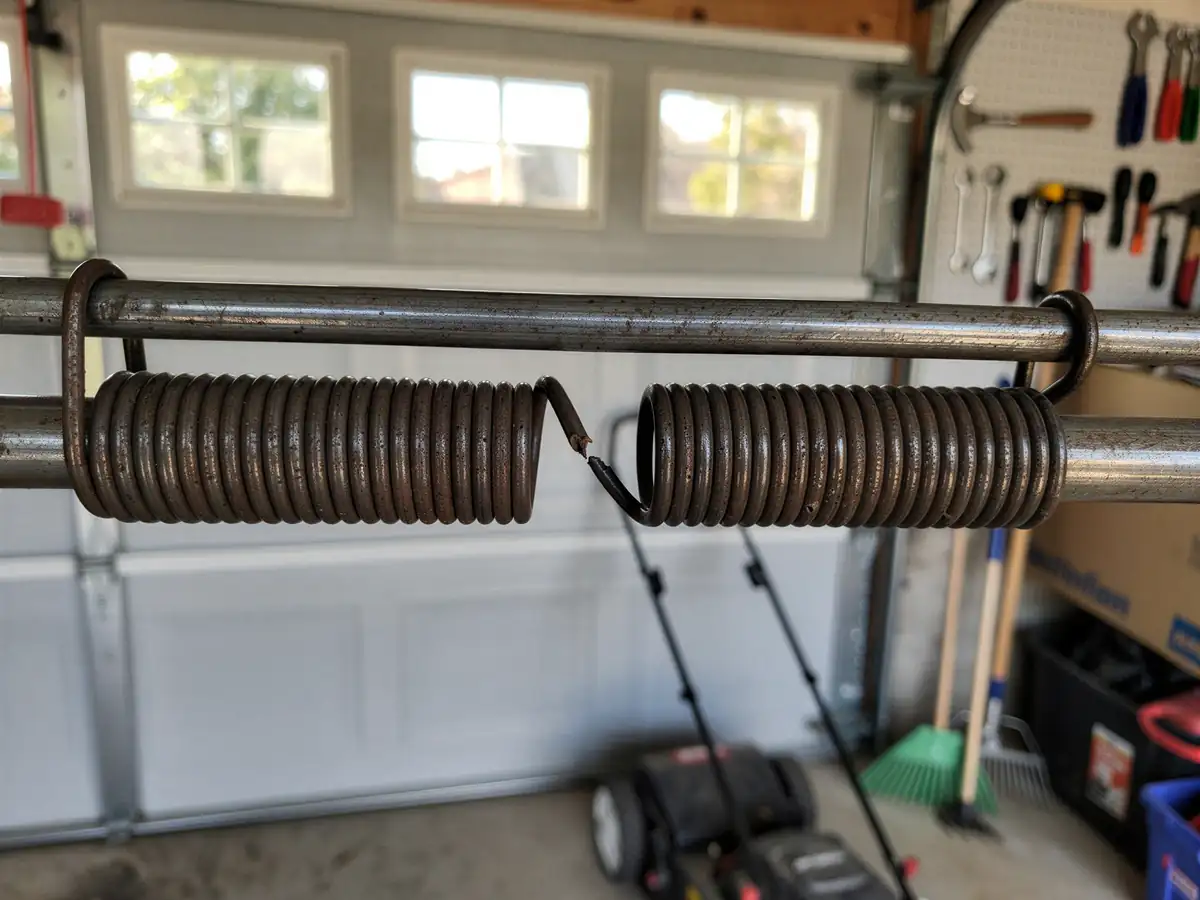
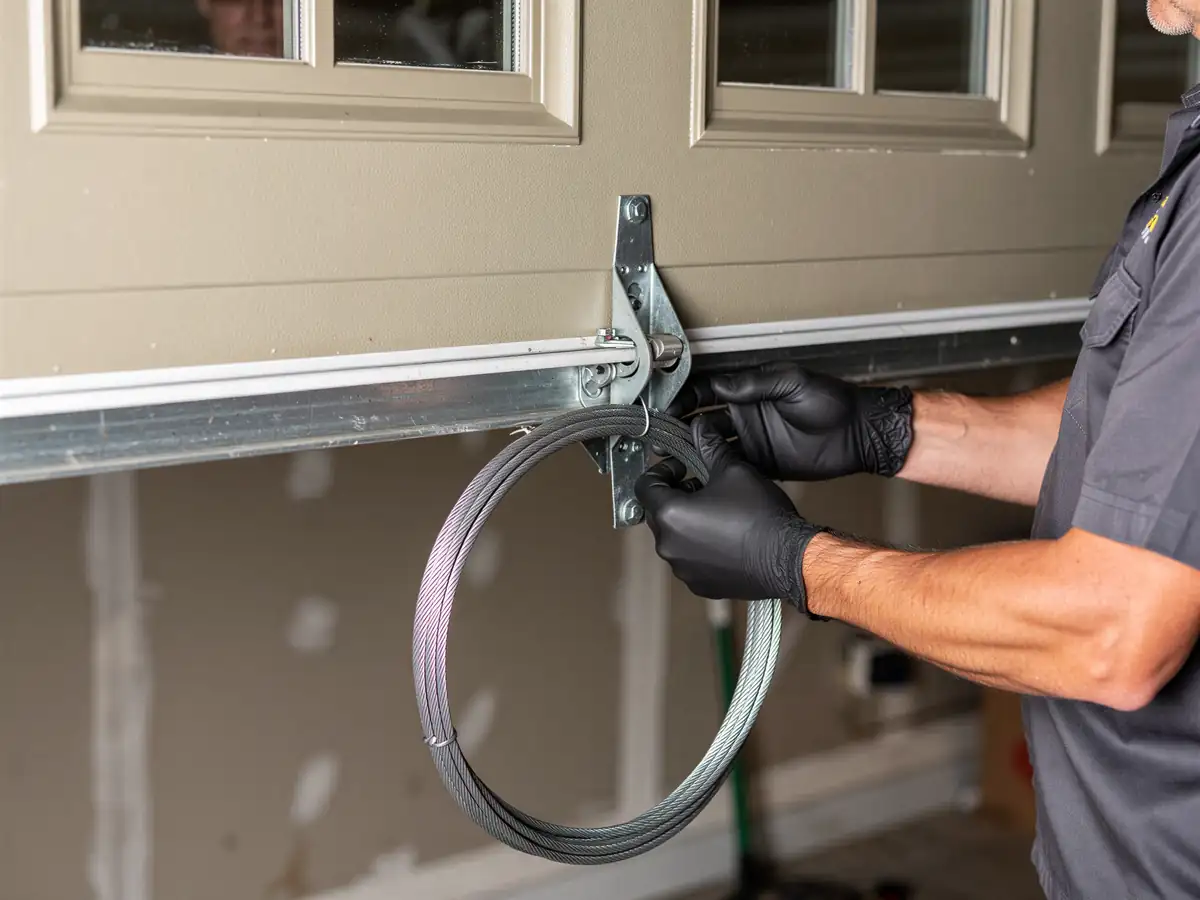
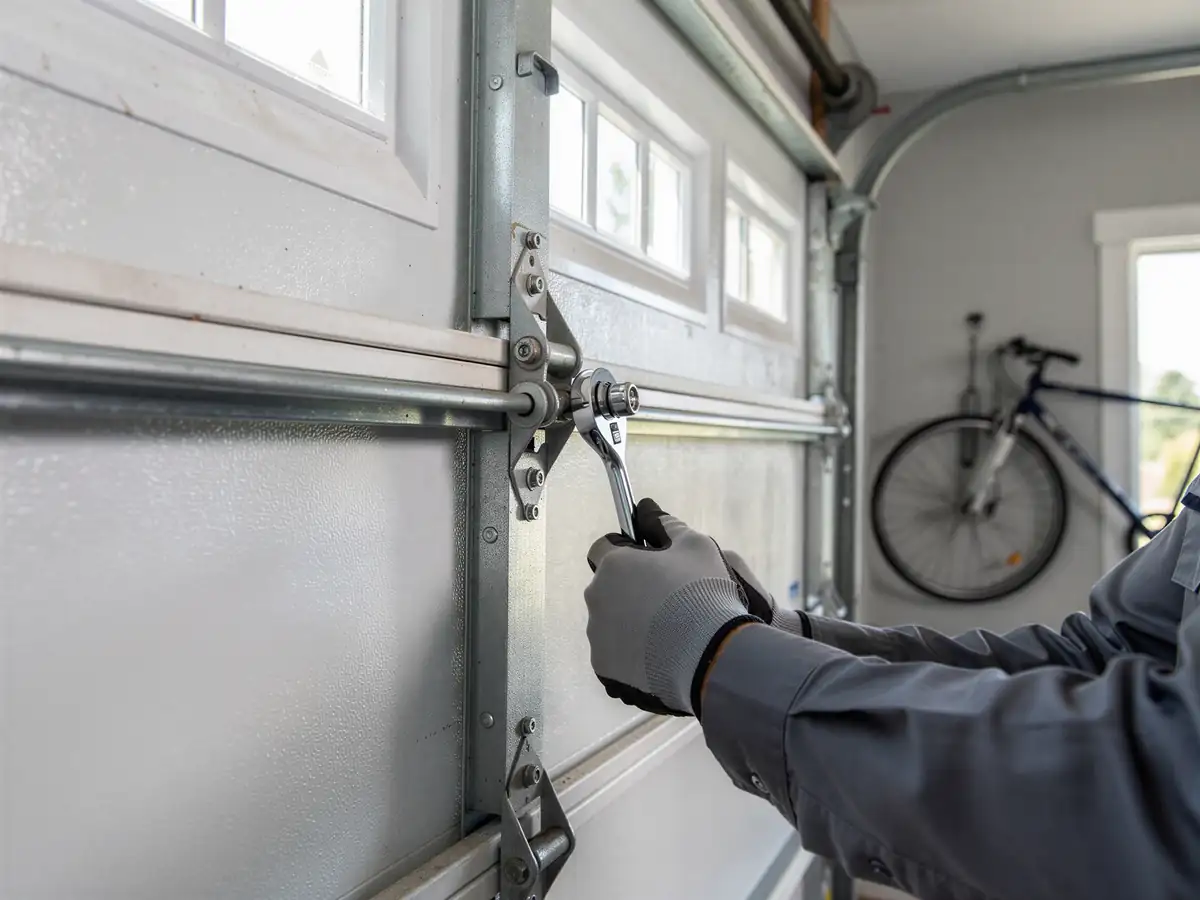
On a 1978-built door, the first thing we check is whether it's still running steel extension springs on the side rather than a torsion bar over the header. If it is, we're not improvising - we carry the parts for both setups on the truck, because this far from downtown Redding the stock on an older extension-spring door isn't something every supply house in the area still racks. We pull the panel, check the track for the kind of bowing that comes from decades of heat expansion and contraction, and test the opener's force settings before we touch the spring. If the spring has already let go, we replace it under tension with the door secured - not a job to do solo regardless of what's online. Rollers and cables get checked at the same visit, since on a door this old one worn part usually means the others aren't far behind. We'd rather replace what's failing now than send a truck back out in six months for the next piece.
How Long You Are Without the Door
Palo Cedro sits six miles out, close enough that travel time from Redding isn't what decides how long your door sits open. What decides it is whether the part is on the truck. Standard torsion springs and common opener boards, yes - those ride with us. The specific extension-spring length or an older opener drive gear from a 1978 install is more of a toss-up, and if we don't have it on hand, that adds a day while it comes in. We'll tell you straight when we're standing in your driveway which category your repair falls into, rather than guessing over the phone. A single-spring or roller job is usually done same visit. A full opener swap on an original 1978 unit, where the wiring and mounting don't match anything current, sometimes takes a second trip.
Why It Happens Here
Most of the Redding service area's housing dates from 1938 to 2000 with a median around 1980, but Palo Cedro runs a touch earlier, with most of its homes built closer to 1978. That matters for one reason: the door hardware from that period leans extension-spring rather than torsion, and those springs sit exposed along the horizontal track where summer heat gets at them directly. This stretch east of Redding sits in a climate band rated severe for heat, and that heat cycling - expansion during the day, contraction overnight - fatigues steel spring coils faster than cold ever would. We get more spring failures out here in July and August than in January, which runs backward from what most owners expect. The other factor is simple math: with roughly 1,206 households in this immediate area, it's a smaller, steadier pocket of original hardware than you'll find in parts of the wider service area that redeveloped in the 80s and 90s.
Where This Job Goes Sideways
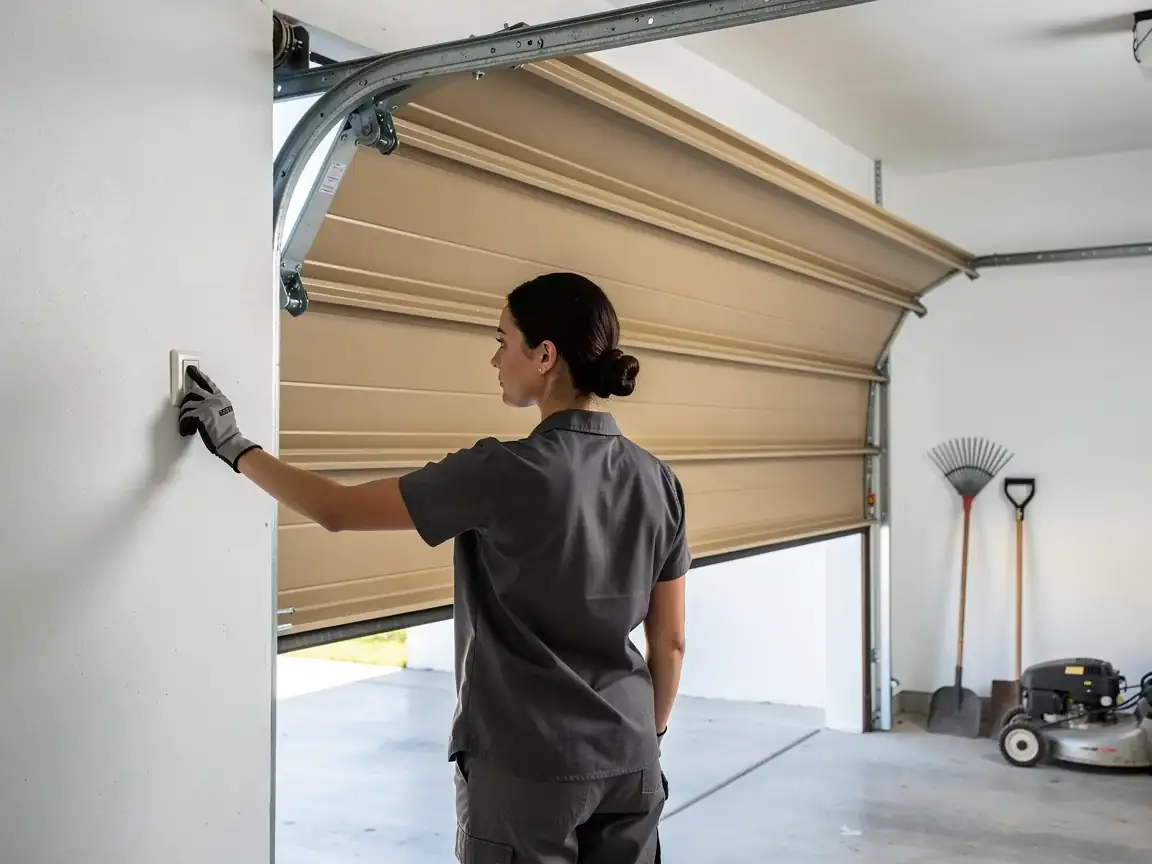
The trouble spot on a Palo Cedro call is almost always the opener, not the door. A 45-year-old door panel is just steel and hinges - it either moves or it doesn't. But an original 1978 opener often has a motor that's seized from heat cycling, wiring that doesn't match anything on the truck, and a logic board nobody stocks anymore. We've opened garages expecting a spring job and found the real problem is a drive gear that's stripped inside a housing that was never designed to be opened twice. When that happens, we're honest that a repair isn't worth chasing and a new opener is the better money. The other place it goes sideways is track alignment - on homes this age, decades of minor settling can leave the track just far enough out of square that a spring replacement alone won't fix the slam or the binding. We check for that before we call the job done, not after a callback.