How We Fix It
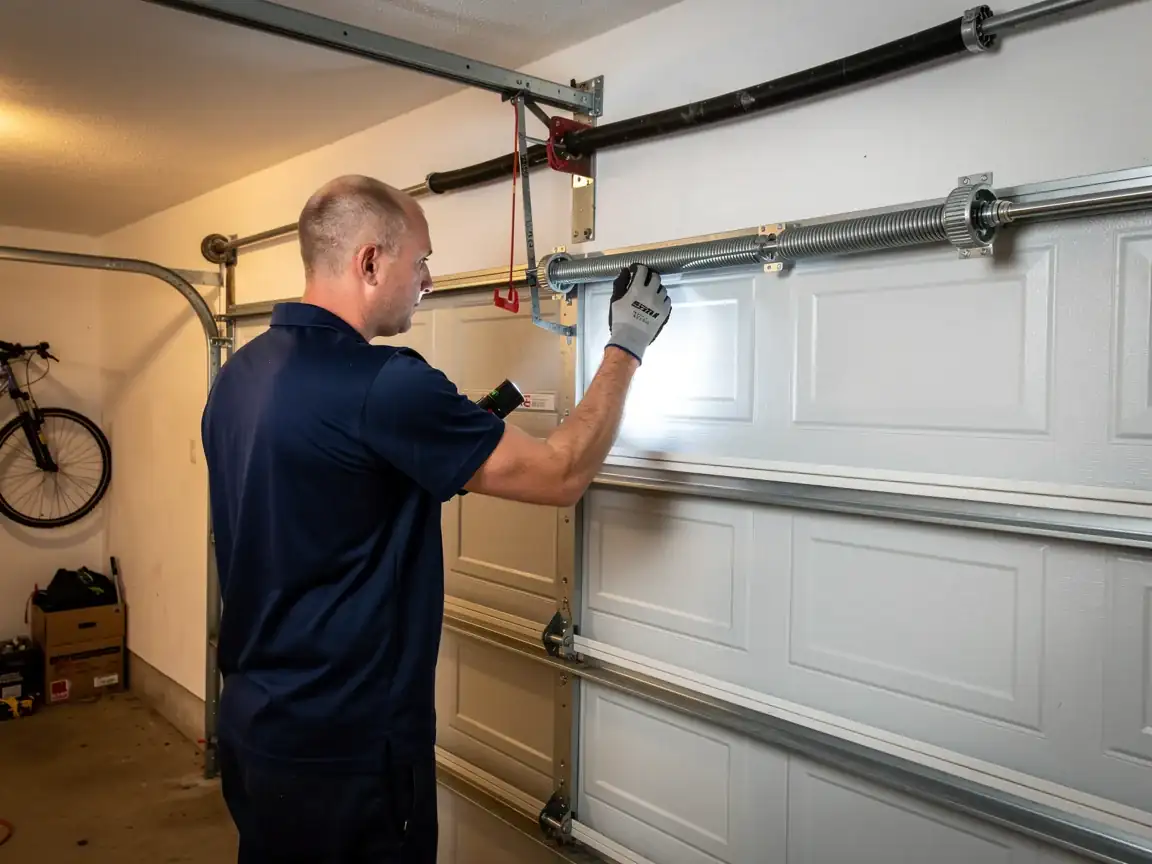
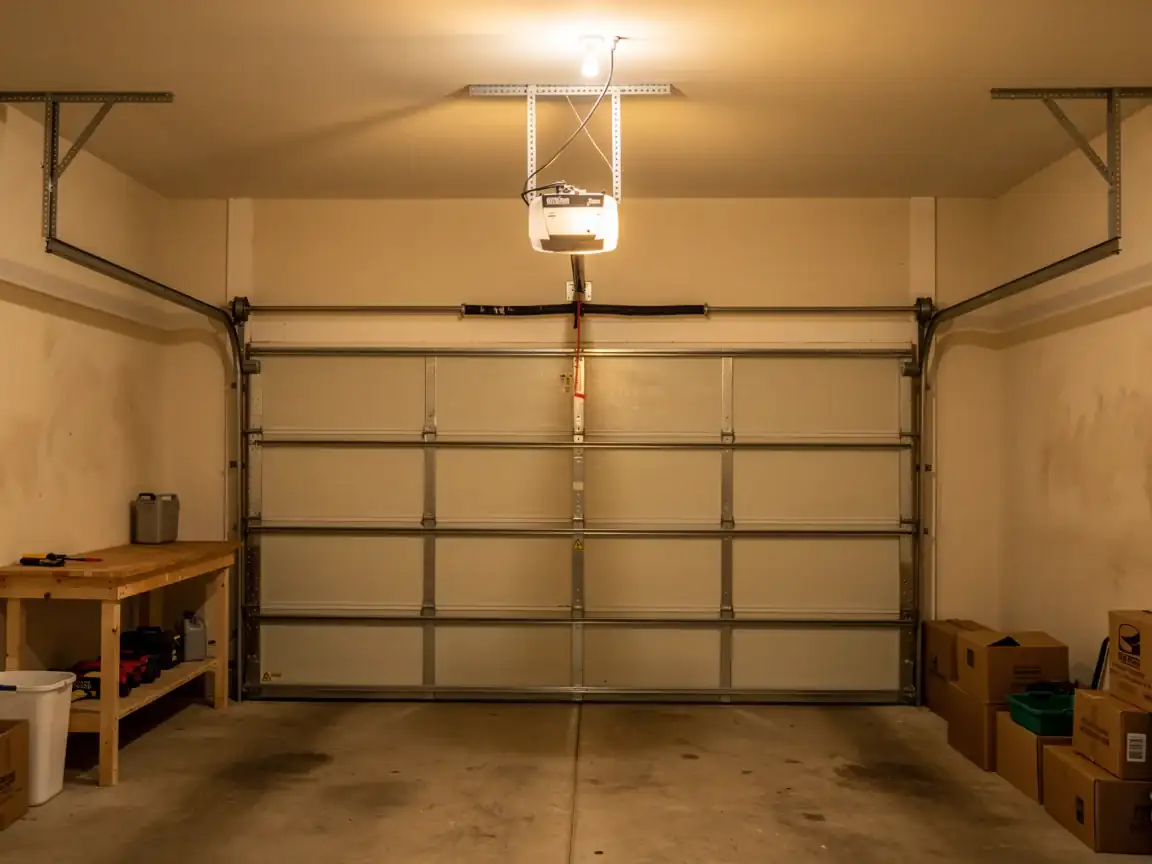
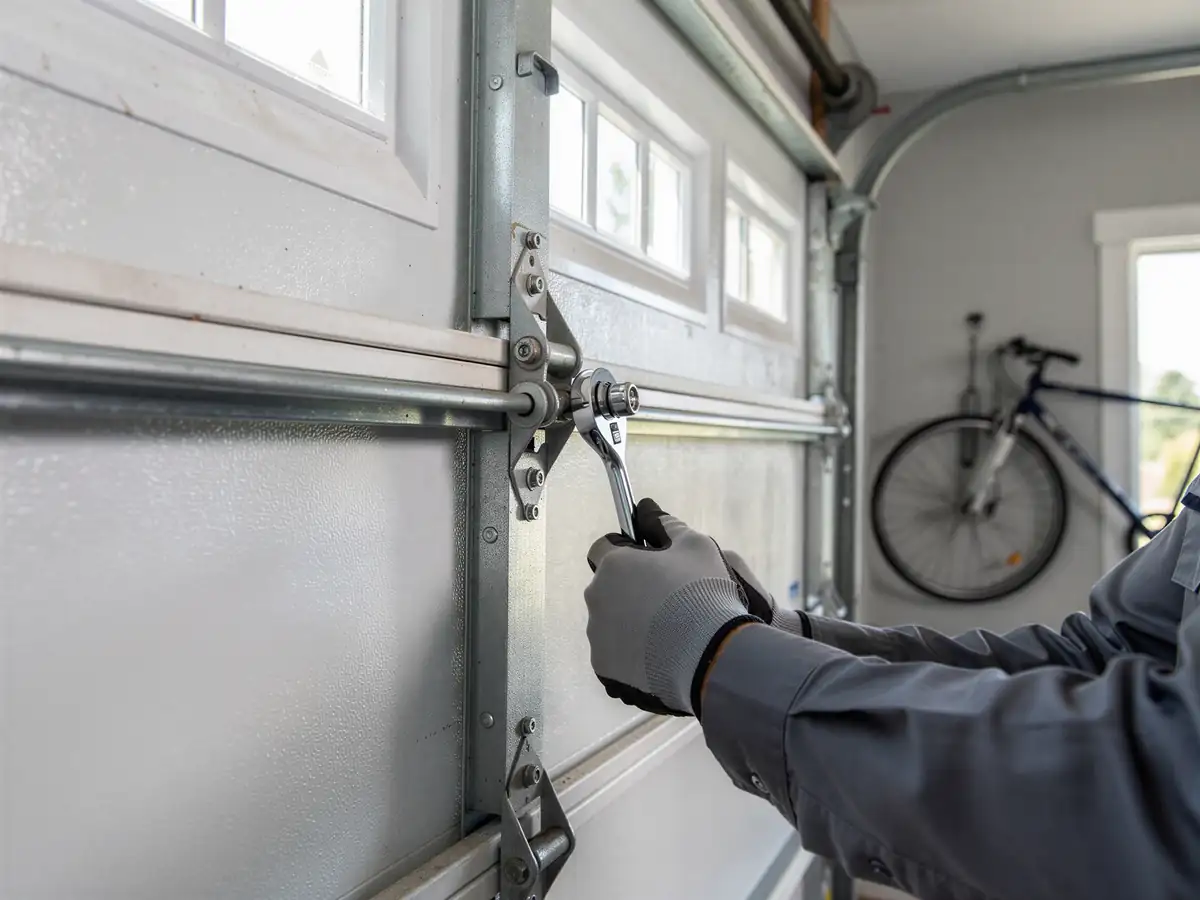
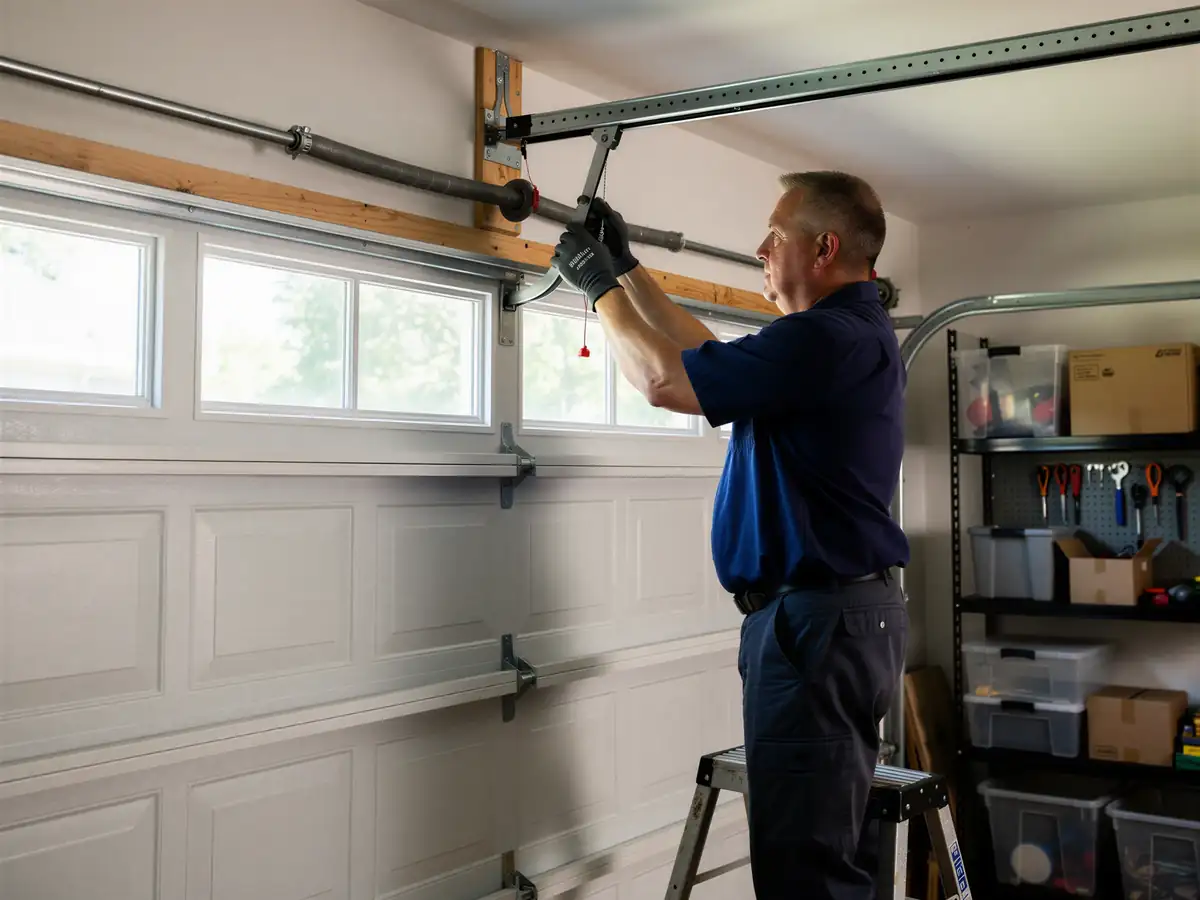
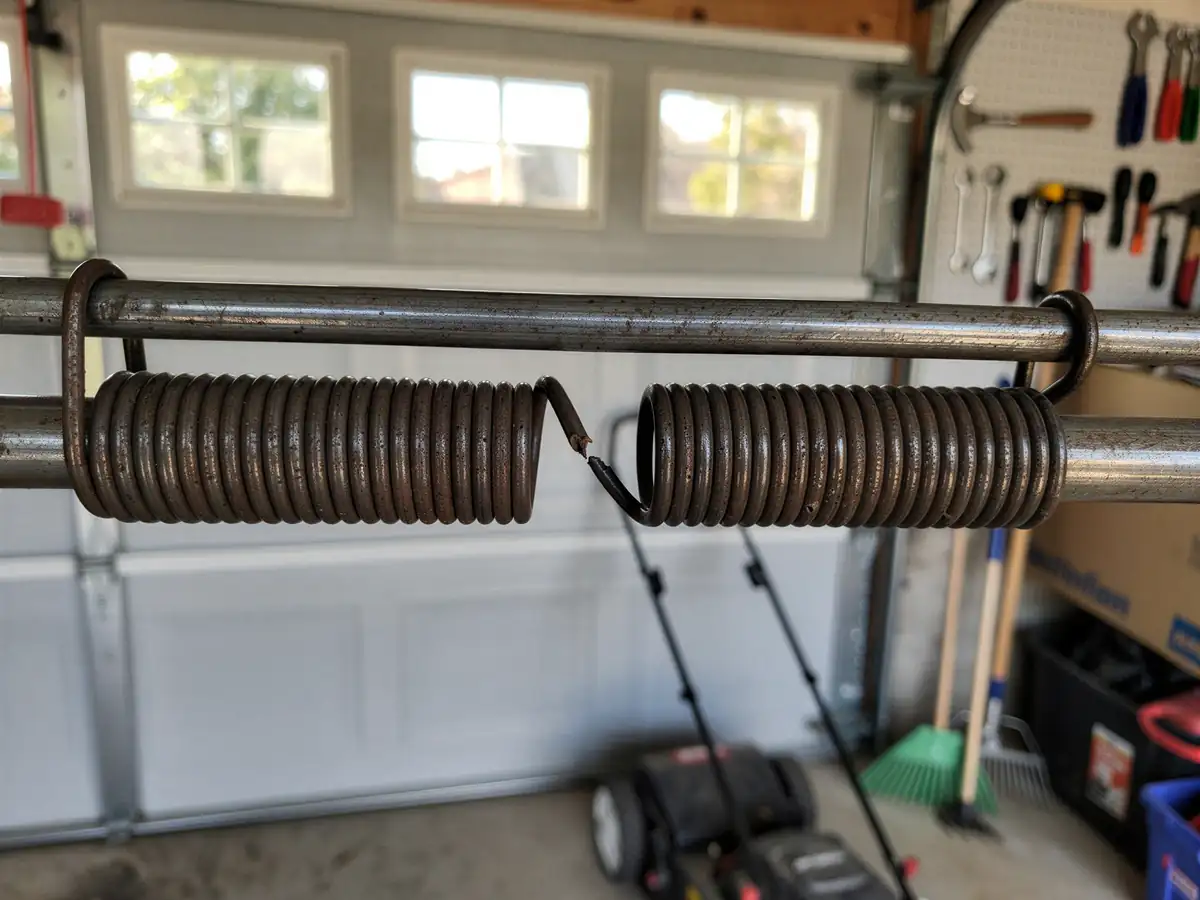
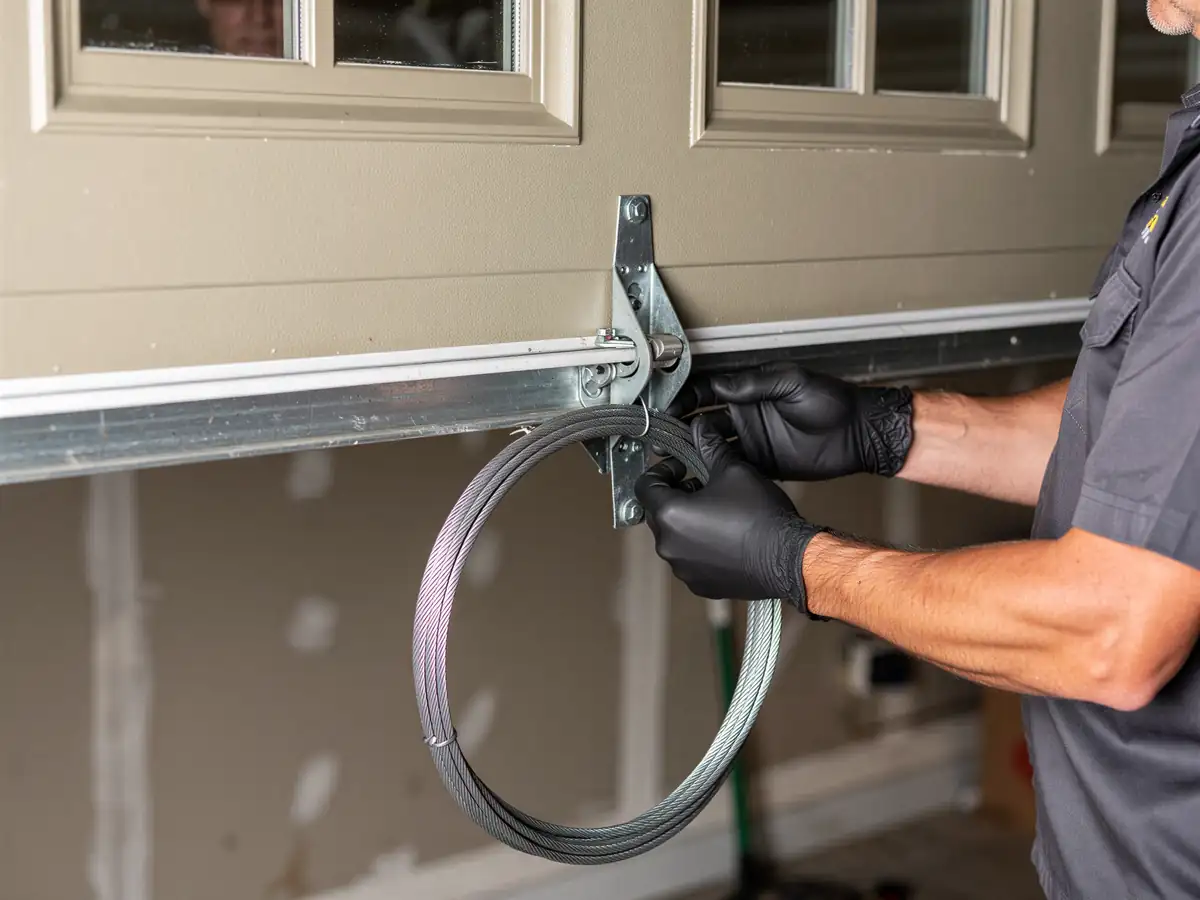
A broken cable almost never travels alone. If a drum cable snaps on a torsion-spring door built in the late '70s or '80s, the door usually drops unevenly and can jump the track on one side. We pull both cables regardless of which one failed, because the surviving cable on a door that old has usually logged the same mileage and is close behind. We check the drums for grooving, check the spring tension against the door weight, and replace the cable with galvanized aircraft cable rated for the drum size on the door - not a universal spool. On doors where the opener bracket took weight it was never built for, we check that bracket before we re-tension anything. We don't reuse a stretched cable to save a trip charge. That's the one shortcut that comes back as a second call.
How Long You Are Without the Door
We come out of Redding, about 6 miles to Palo Cedro, so the drive isn't the bottleneck - the part is. Most cable jobs on the housing stock common here are same-visit work: cable, drums, and a tension check all fit in one trip. Where it stretches out is a bent track or a cracked drum from the cable whipping loose when it snapped, since those aren't always stocked on the truck and may need a day to source. A single door with a clean cable break is usually back in service the same day. A double door where the cable took the opener rail with it is the one that sometimes runs into a second visit.
Why It Happens Here
Palo Cedro's median build year of 1978 means a meaningful share of doors here are running original or first-replacement hardware - drums, cable, and sometimes the original torsion spring, forty-plus years in. Add the region's severe heat, and you get cable and drum assemblies that have spent decades expanding and contracting in a garage that regularly bakes. Heat doesn't snap a cable by itself, but it dries out the light lubricant on the drum groove and accelerates the fraying you'd otherwise catch earlier. On a smaller, higher-income area like this one - 1,206 households against the service area's 18,971 - we see fewer builder-grade replacement doors and more owners who've kept the original hardware longer, which means more cables that are overdue rather than new.
Where This Job Goes Sideways
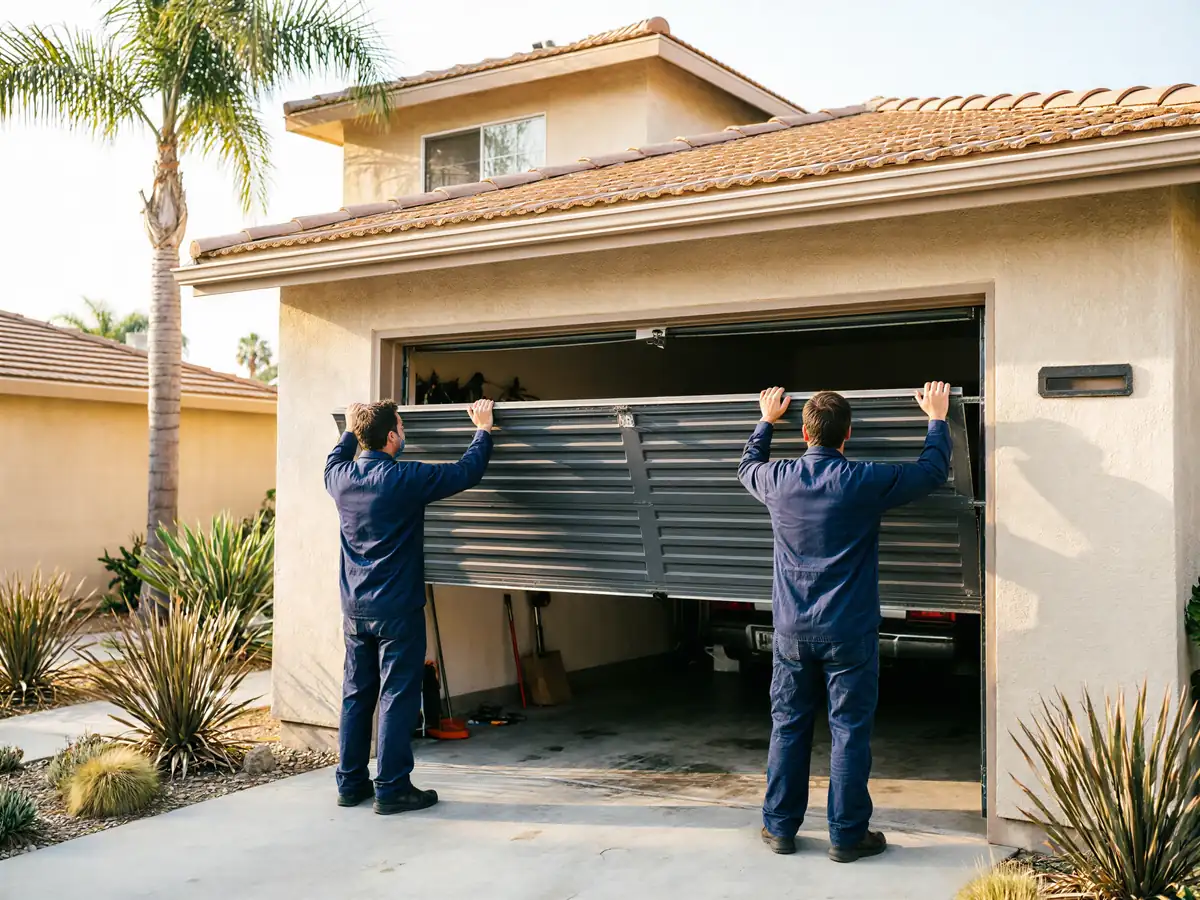
The job goes sideways when the cable snapped weeks ago and the door's been forced up and down anyway. Once a drum has been run grooved or a track bent from a door dropping unevenly, a cable swap alone won't fix it - you're now replacing drums, maybe a track section, and re-squaring the door. The other way it goes sideways is a double door where one side's cable broke and the other side kept working for a while afterward under double the load. That cable is usually close to its own failure, and skipping it to save on the visit just means a second trip within weeks. We'd rather tell a homeowner that upfront than let it become a surprise.