How Local Conditions Play In
Redding's housing splits into two main eras
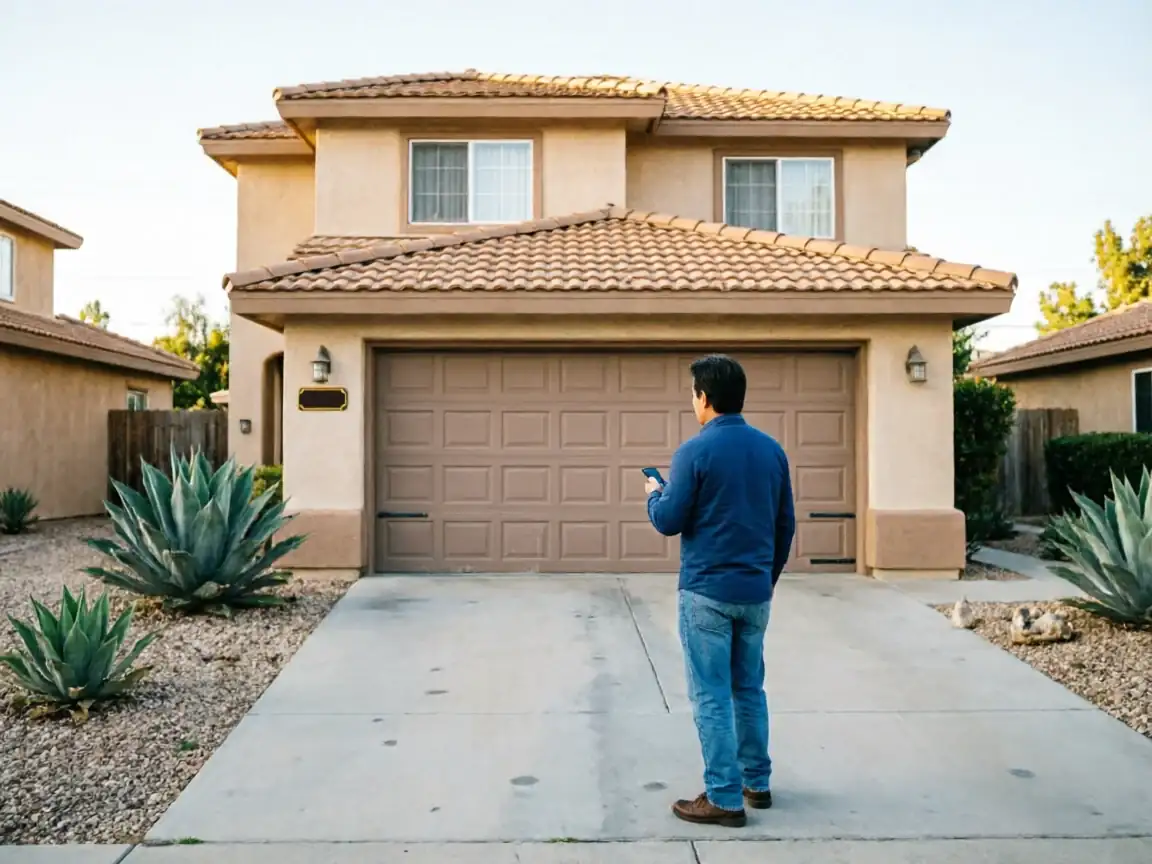
Frame houses built between 1938 and the 1960s, and the much larger wave of construction that ran through the 1980s and 90s. That second wave is what you see in most of the close-in neighborhoods - a mile out a few miles north and northwest. Close-in neighborhoods like filled in during that later boom, all within a few miles of downtown Redding.
Across the service area there are 18,971 households and 11,187 owner-occupied houses
Most of them sitting in that same 1938-to-2000 window. That matters for garage doors specifically because the hardware standards changed more than once in that span - torsion spring sizing, track gauge, and the insulation built into the panel itself all shifted as the decades passed. A door on a 1940s house in old Redding and a door on a 1990s build out past are not the same animal, even if they look similar from the driveway. Knowing which era you're in tells you which parts are easy to find and which ones take a special order.
- 18,971 households
- 11,187 owner-occupied
The Problem
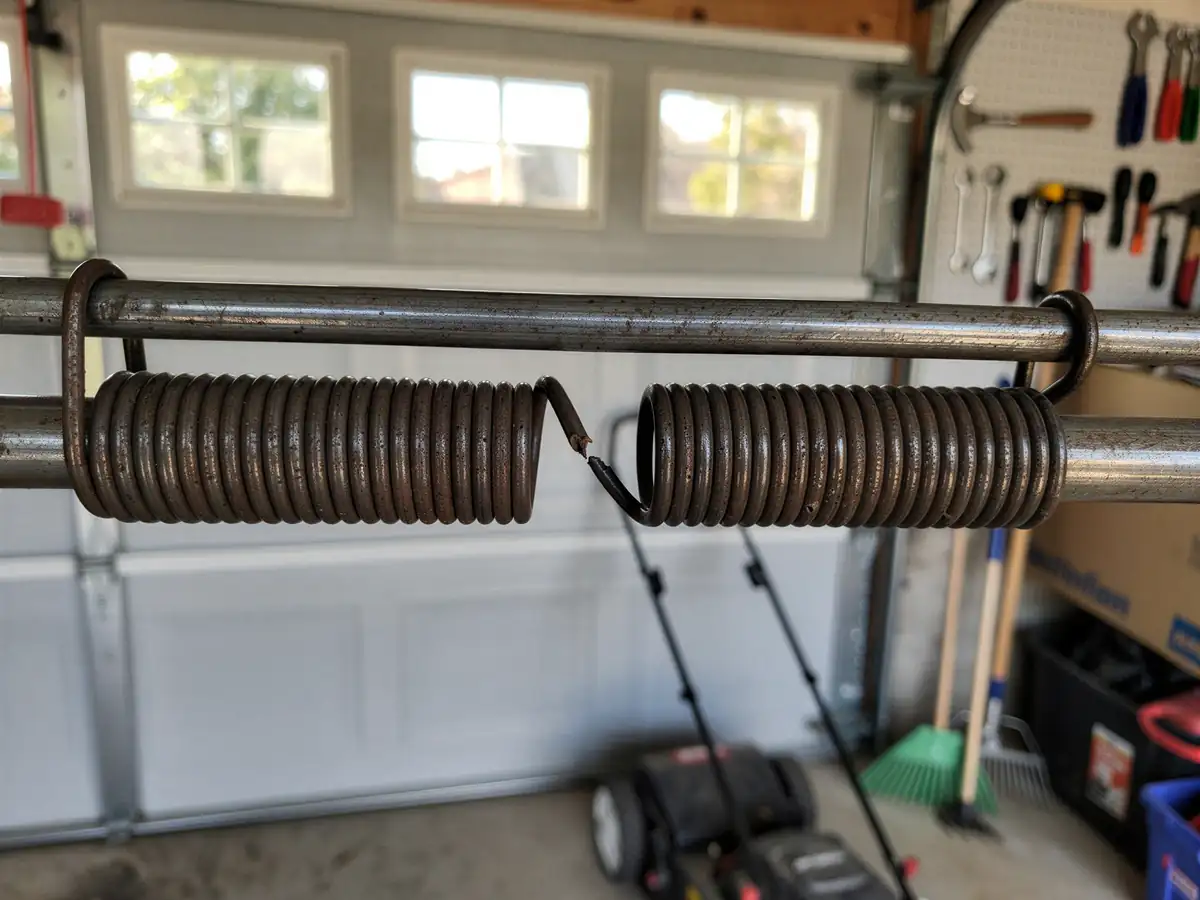
Redding sits in a severe-heat climate band, and that heat cycles steel panels and nylon rollers hard enough to shorten their working life well before a door in a milder climate would need attention. Heat doesn't just make things uncomfortable to work on - it changes how fast metal fatigues. A torsion spring wound to a certain tension loses a little strength every time it heats and cools, and in a climate this hot that cycle runs harder, every day, for months at a time.
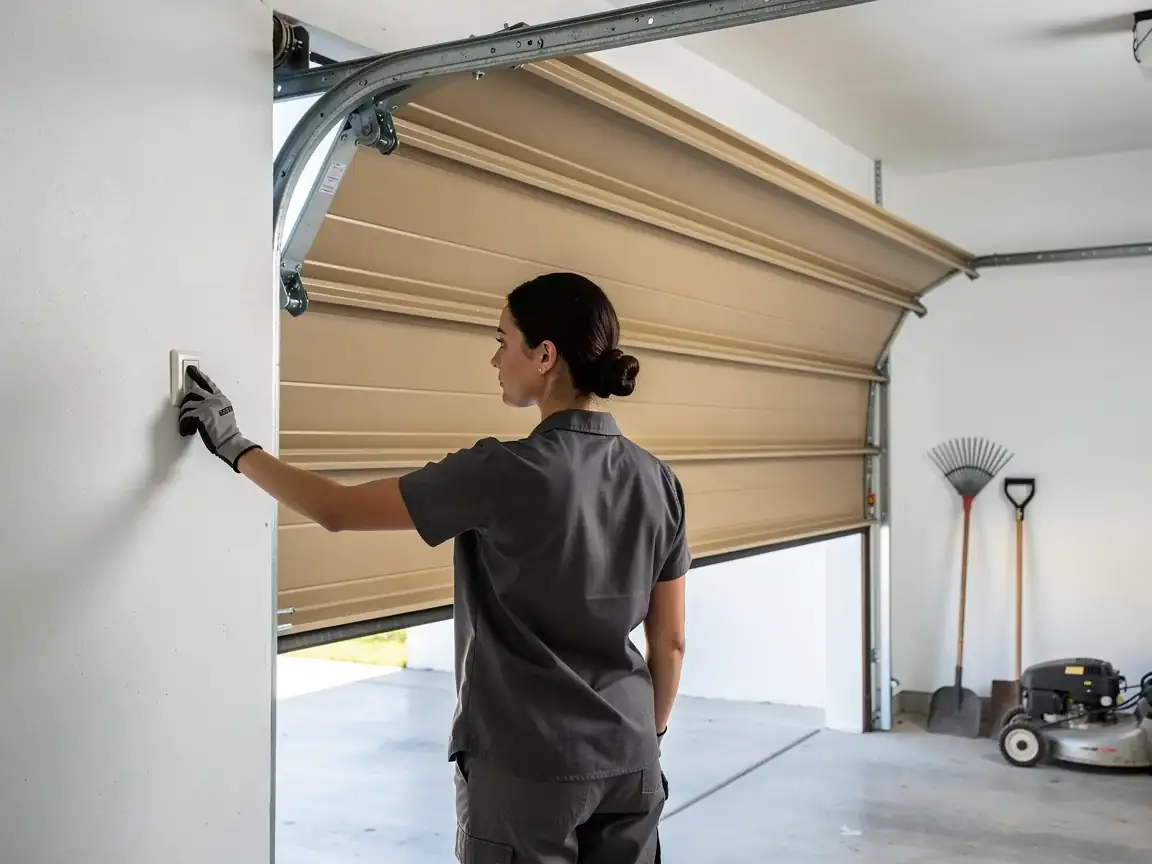
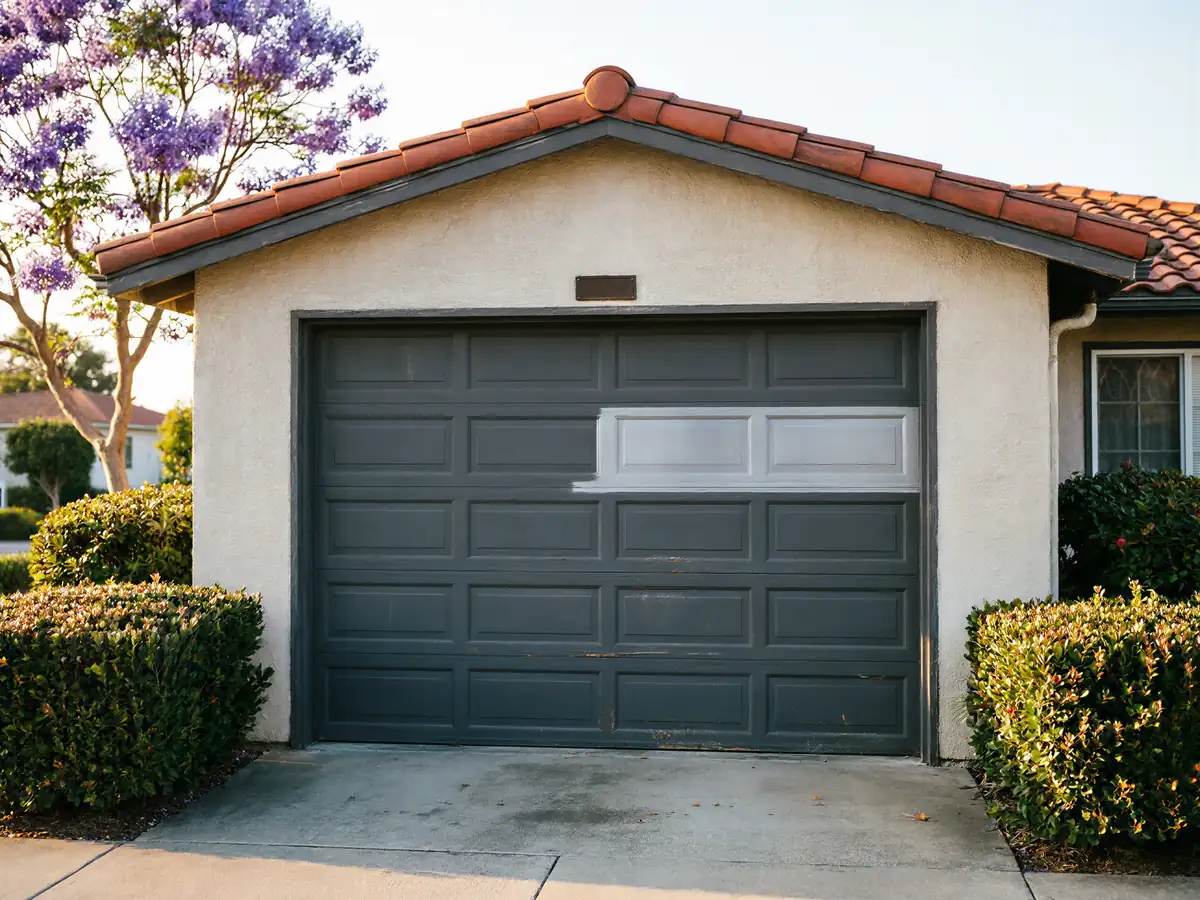
Older panels, especially the uninsulated steel common on houses from the 1938-to-1970s stretch, absorb and release heat directly into the garage, which is also where most openers sit. Circuit boards and logic sensors rated for moderate heat start throwing faults sooner here than they would somewhere cooler. Nylon rollers crack and go oval instead of round. None of this is dramatic - no single day wrecks a door - but the cumulative heat load on this housing stock means springs, rollers, and opener boards all run on a shorter clock than the manuals assume.
Season by Season
The heat season here is long, and it's the dominant force on a garage door's hardware, more than any other factor in this climate band. Early summer is usually when a spring that's been losing temper all year finally lets go - often on the hottest stretch, when the door's getting used the most for yard work and trips in and out. Mid-to-late summer is when opener boards that have been baking in a closed garage start misreading travel limits or refusing to close all the way.
As the heat eases, you get a natural service window. That's the time to check spring balance, lube rollers and hinges, and look at weatherstripping before the hottest stretch comes back around. It's also a good time to deal with anything that's been making noise but still technically works - a cracked roller, a slightly bent track - because waiting until peak heat to fix a marginal part usually means it fails on the day you need the door most. There isn't enough in the record here to say much about winter specifically, so the honest version of this section is: plan your maintenance around the heat, because that's the load your door actually carries.
When It Stops Being a DIY Job
A lot of garage door work is reasonable for an owner to tackle
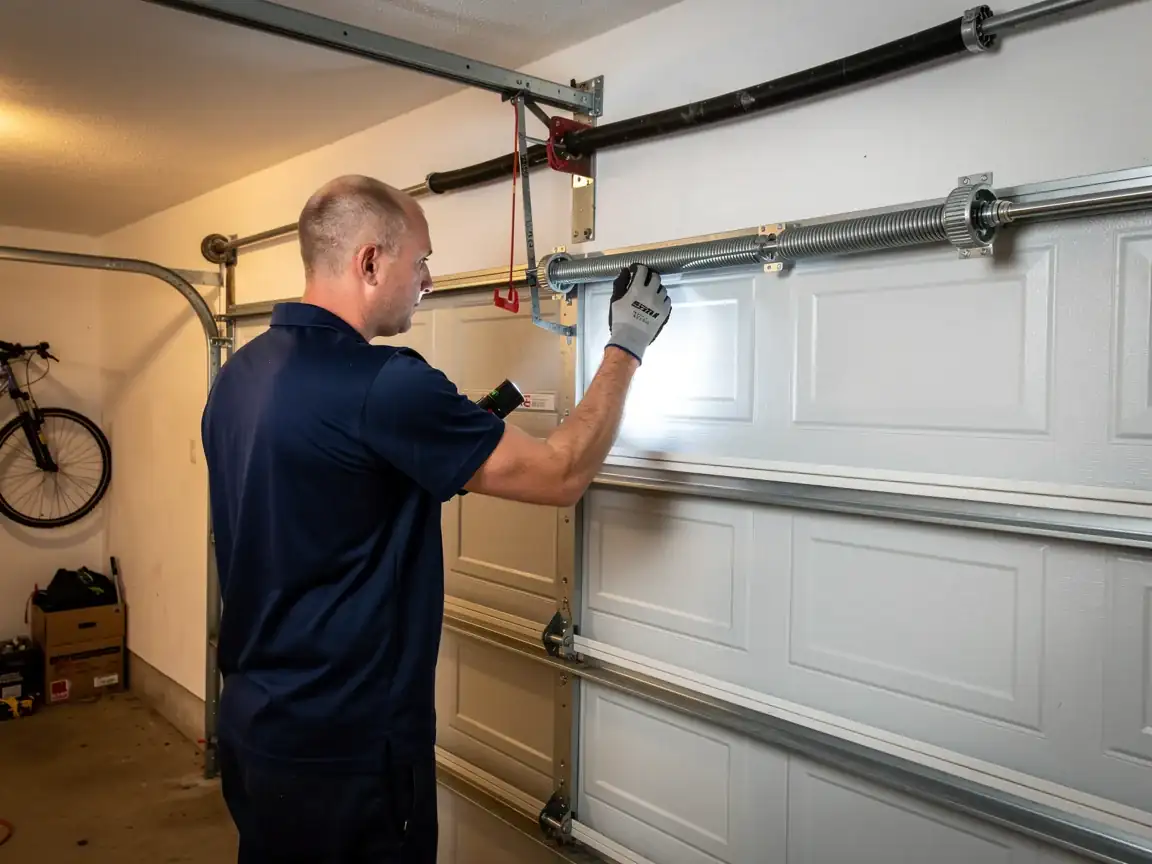
Lubing hinges, tightening loose bolts, swapping a worn weatherstrip. Torsion springs are not on that list, ever, regardless of the house's age; the tension involved can put someone in the hospital, and that's true on a 1940s door and a 2000s door alike.
Where the older stock in this area gets harder is parts
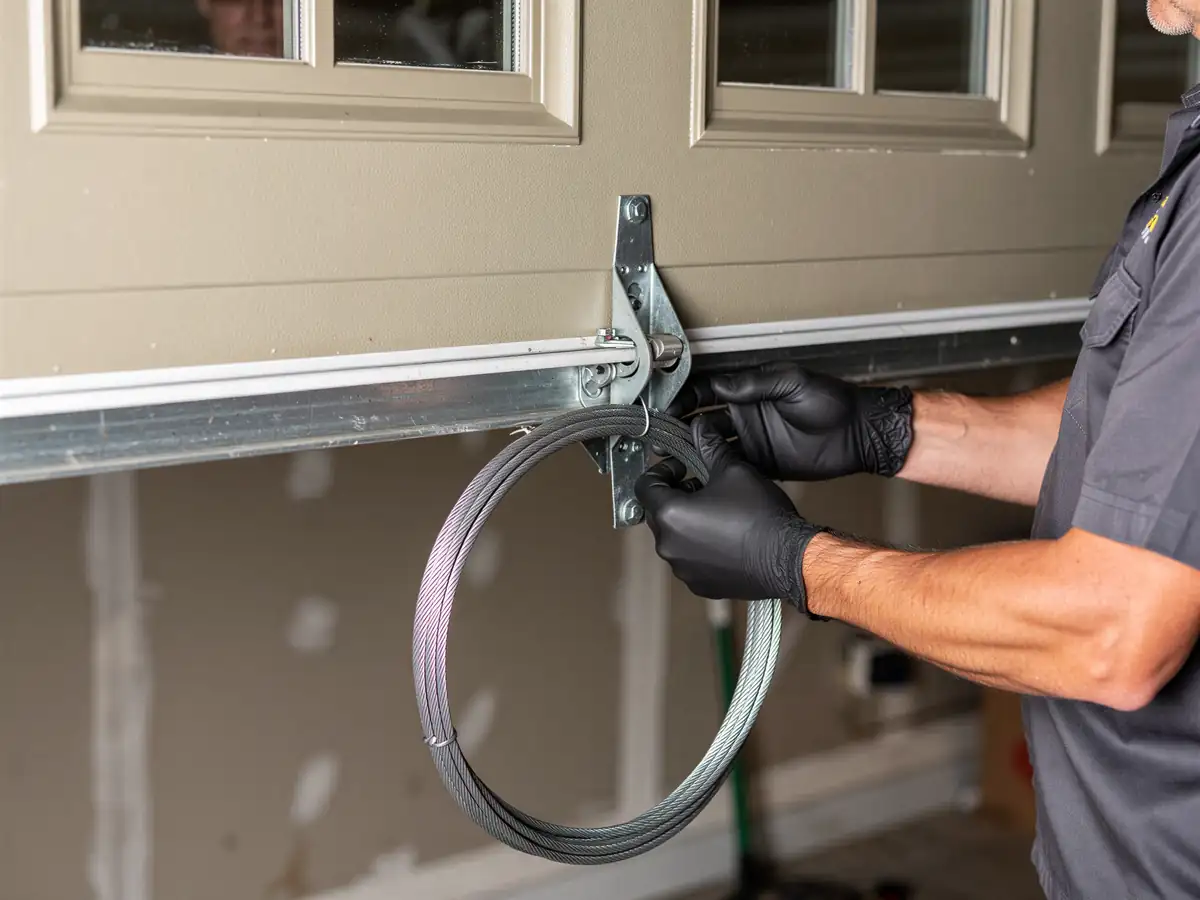
A door original to a house built before 1980 may use a spring size, drum, or track profile that newer hardware doesn't match exactly, and forcing a modern part onto an old frame is how you end up with a door that binds or drops unevenly. Here's the limitation worth saying plainly: sometimes the honest answer isn't a repair, it's a full door and track replacement, because patching a 40-year-old system with mismatched parts isn't a lasting fix, it's a delay. With median household income in the area at $95,978, most owners can afford to do that job right instead of stacking a second repair on top of the first. If a spring or opener fails on a door like that, get a second opinion before any repair goes forward - not every garage in this town needs the same fix.