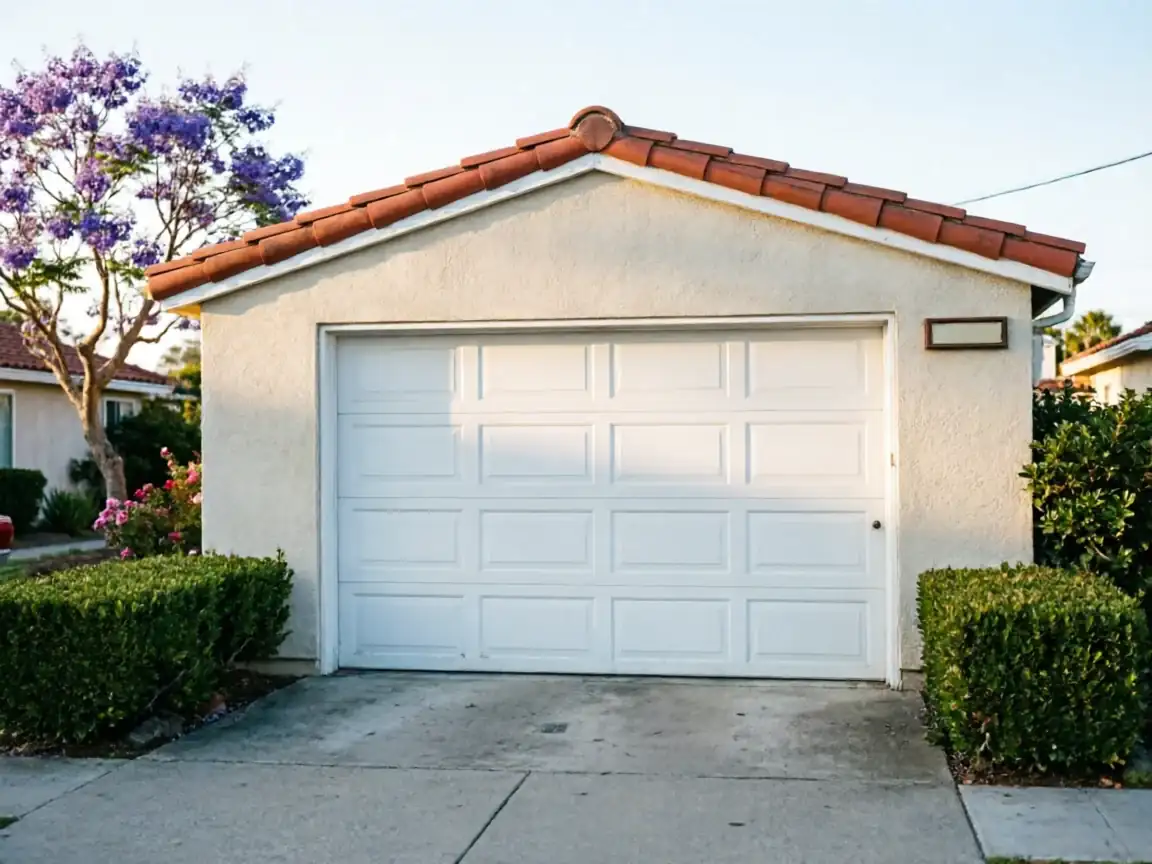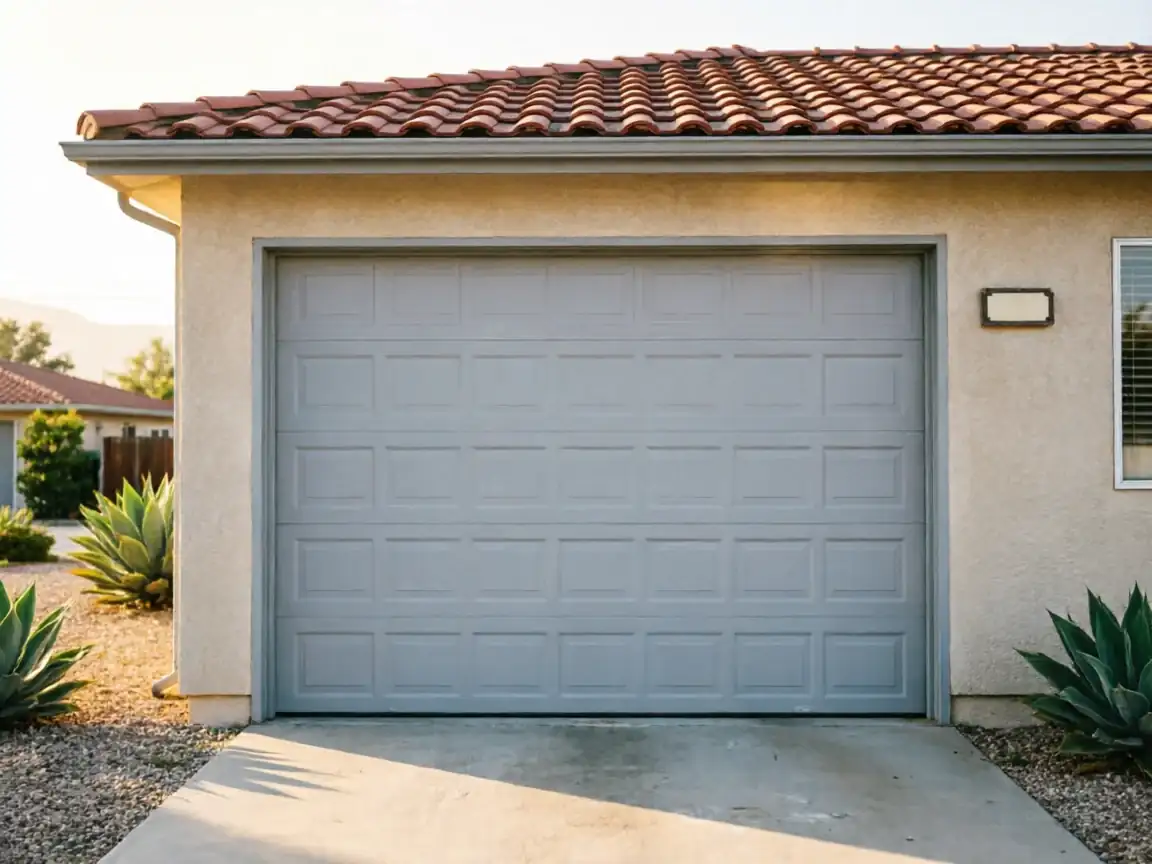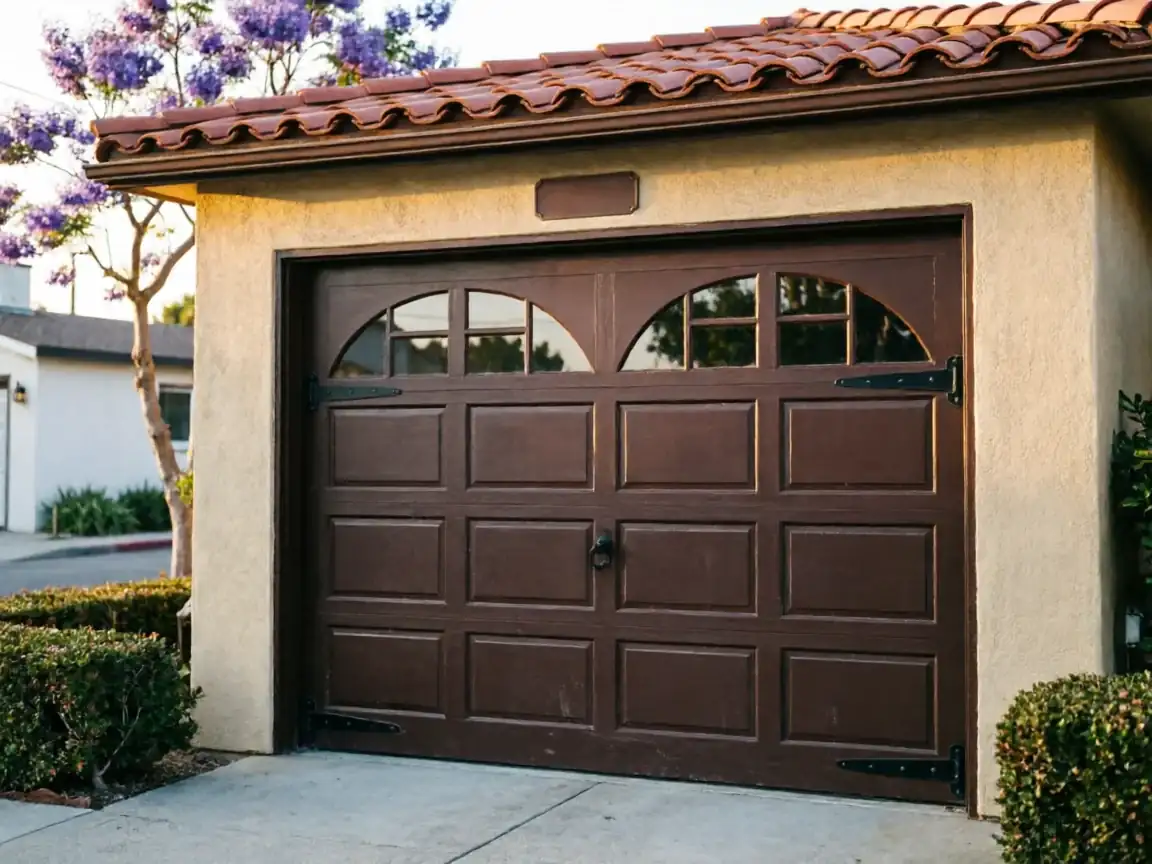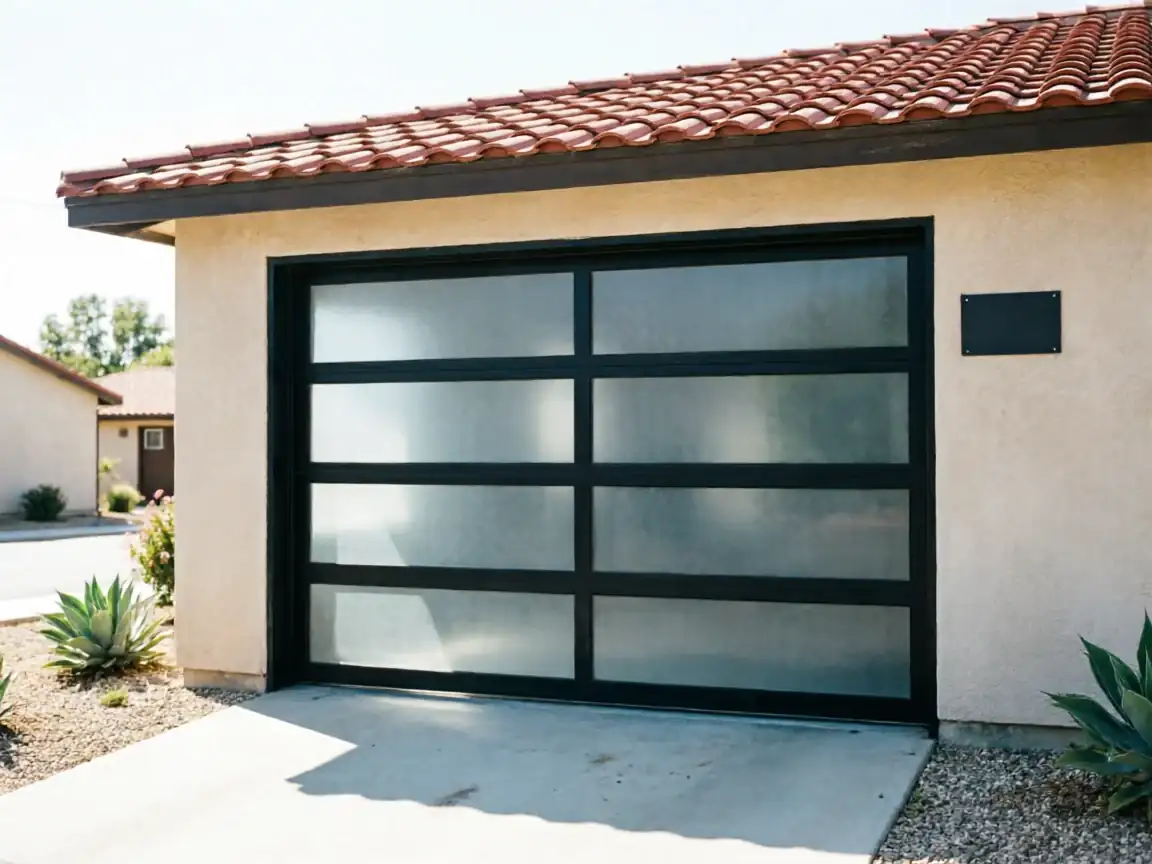
How We Fix It
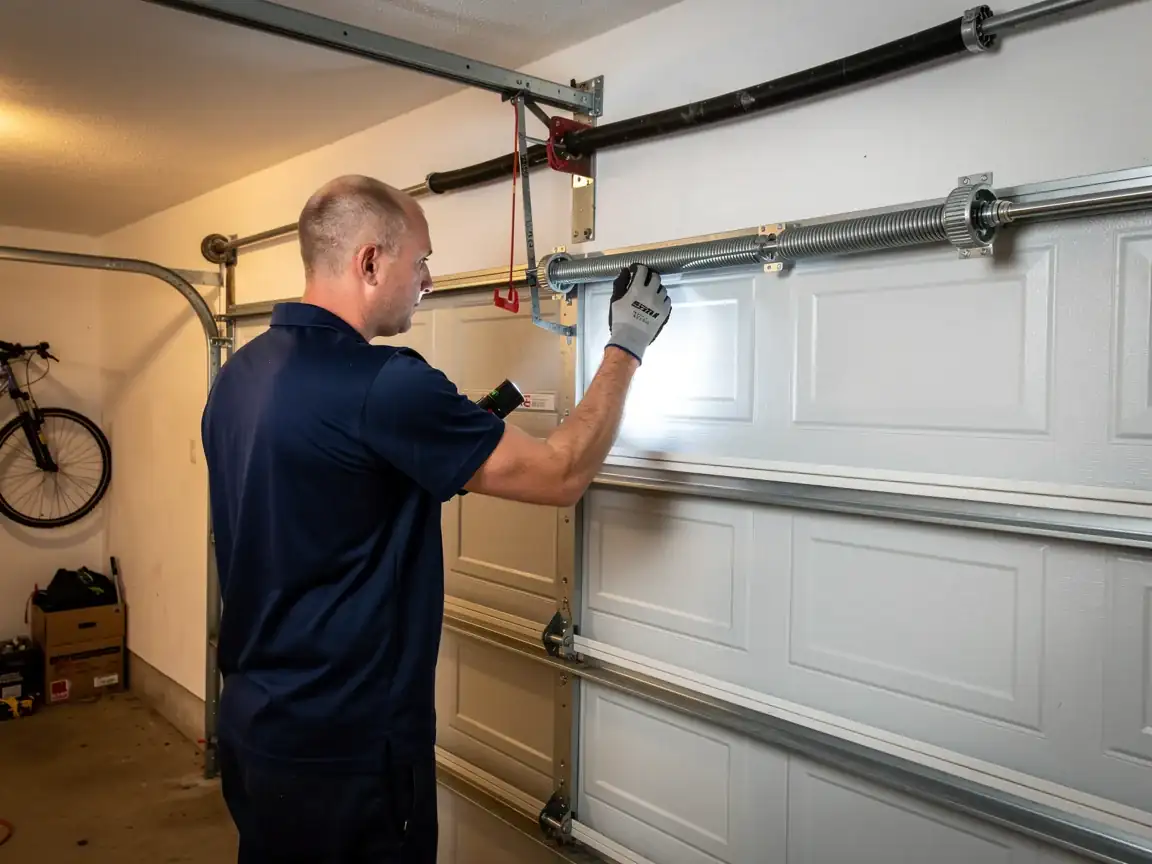
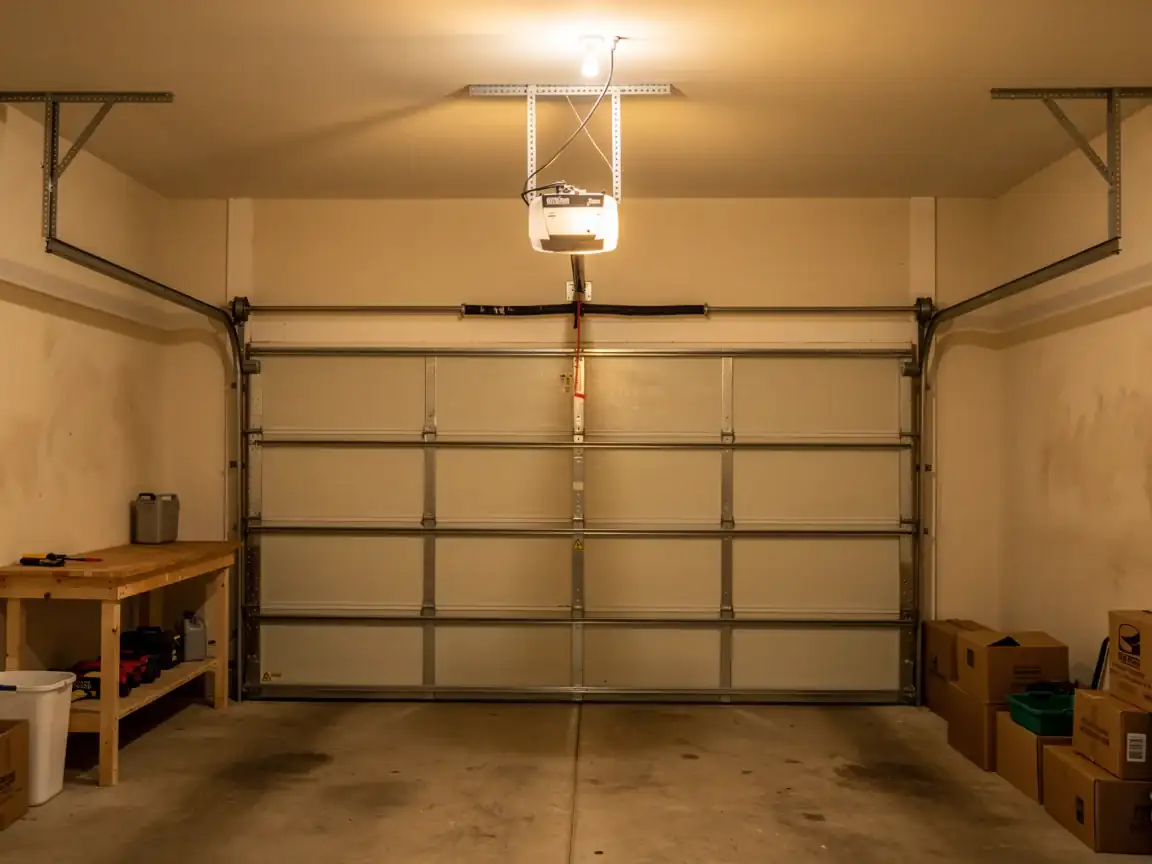
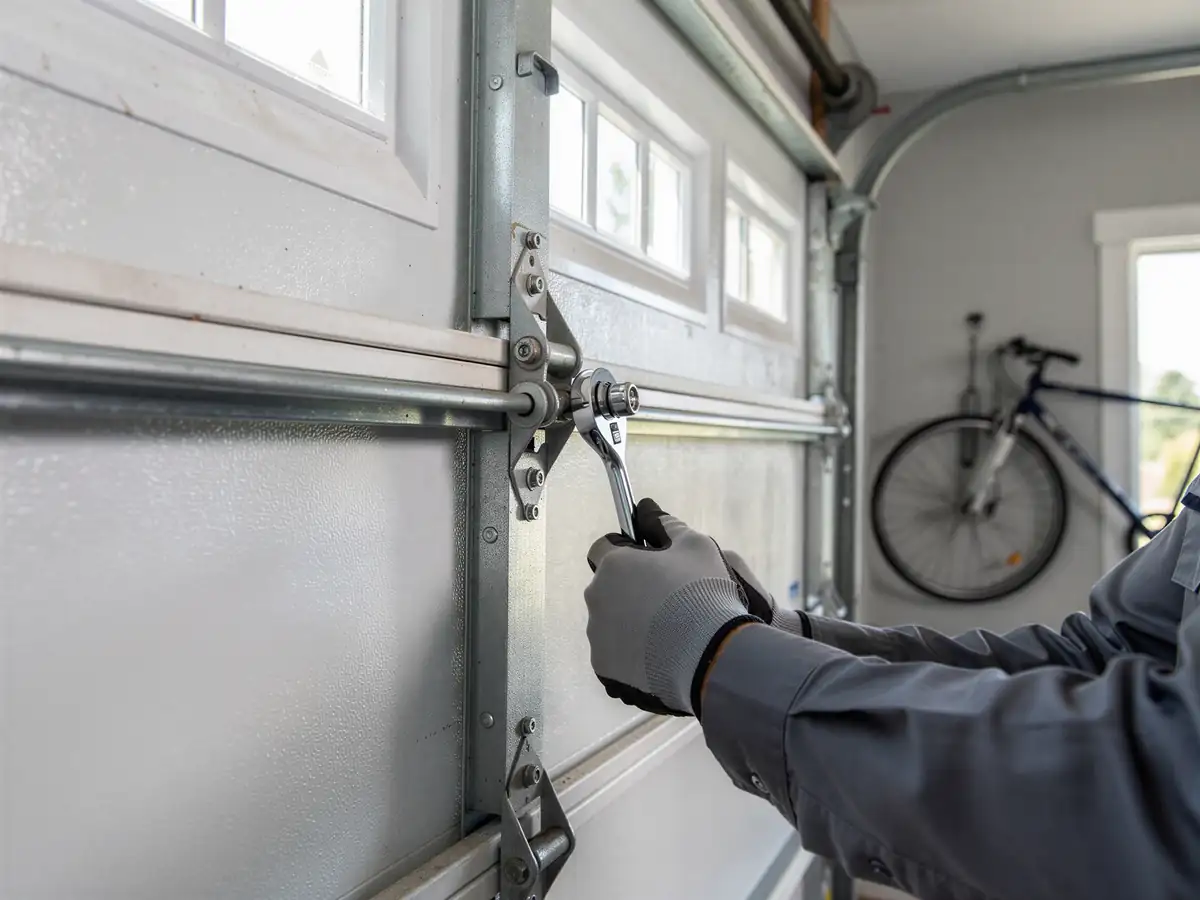
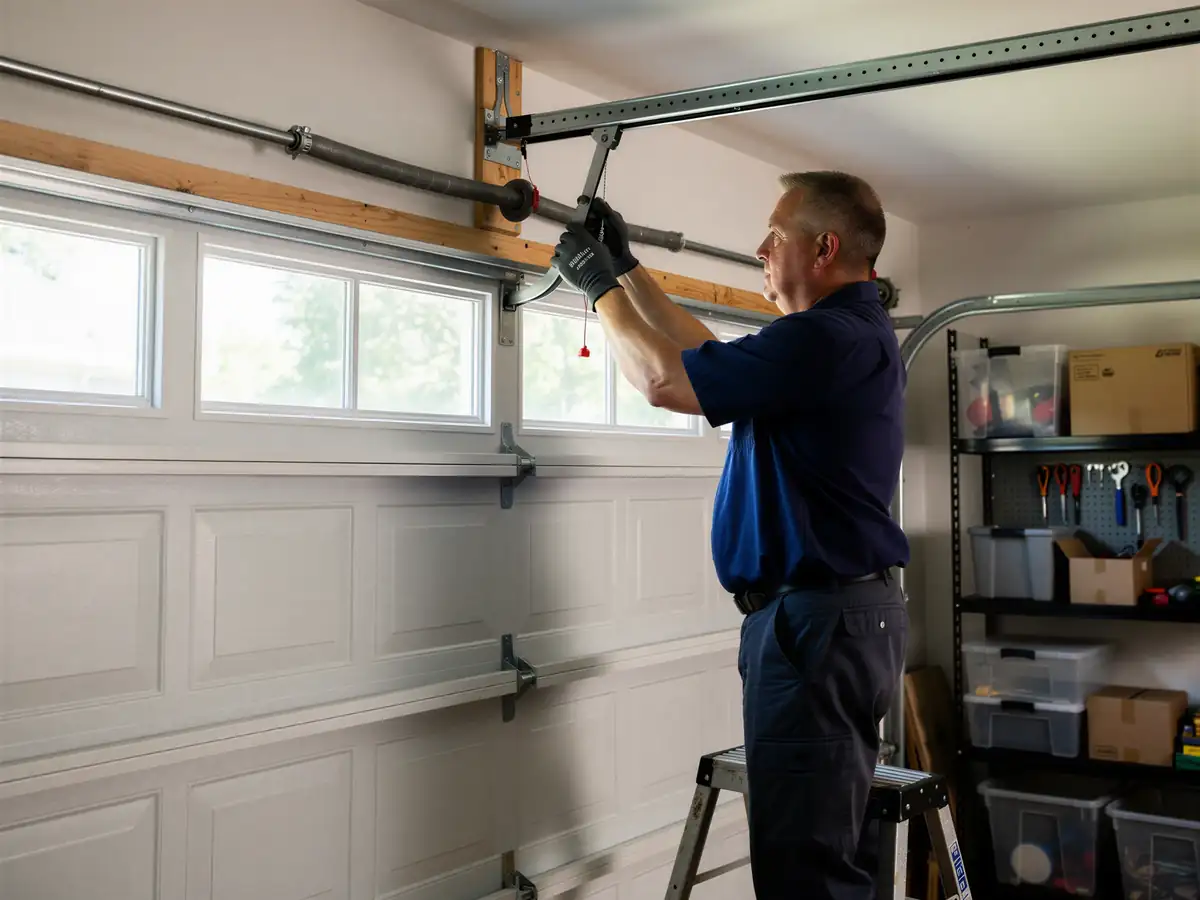
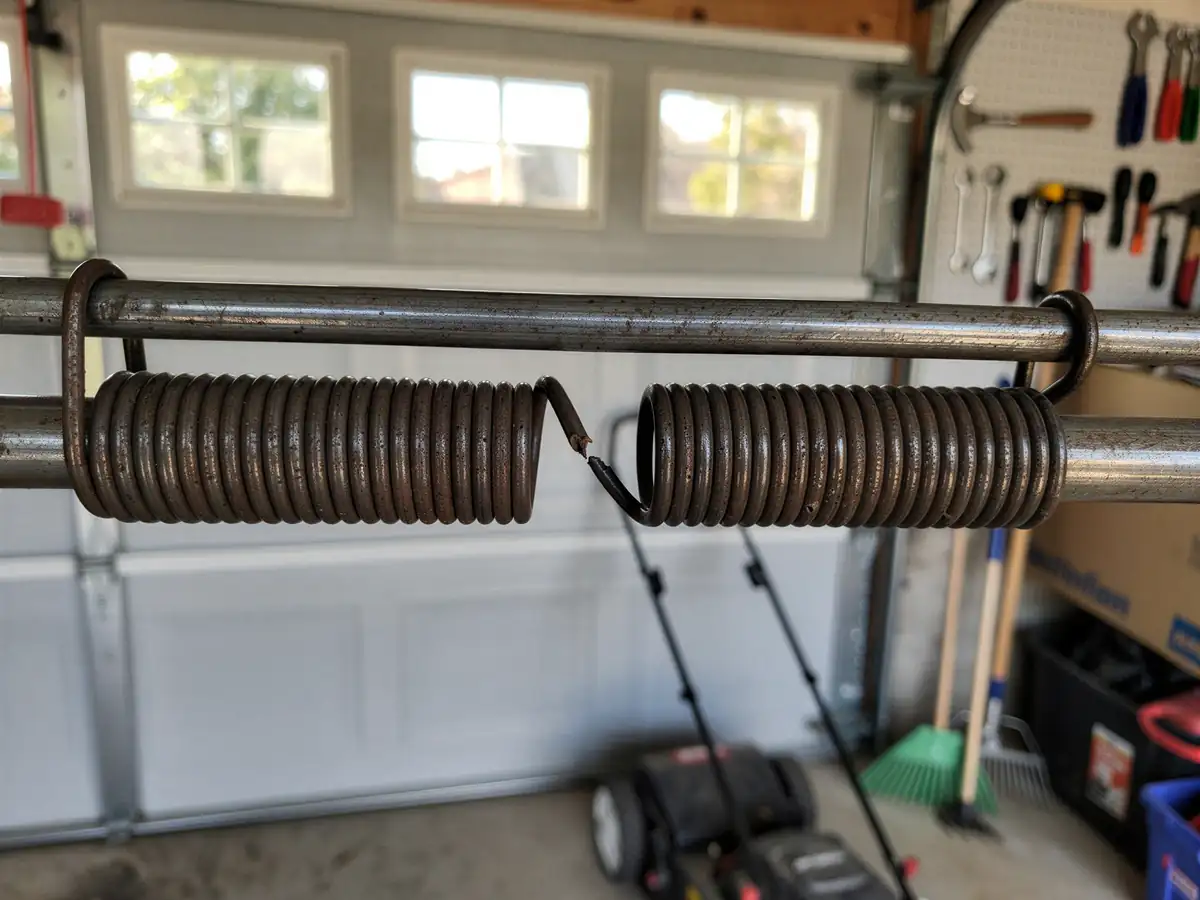
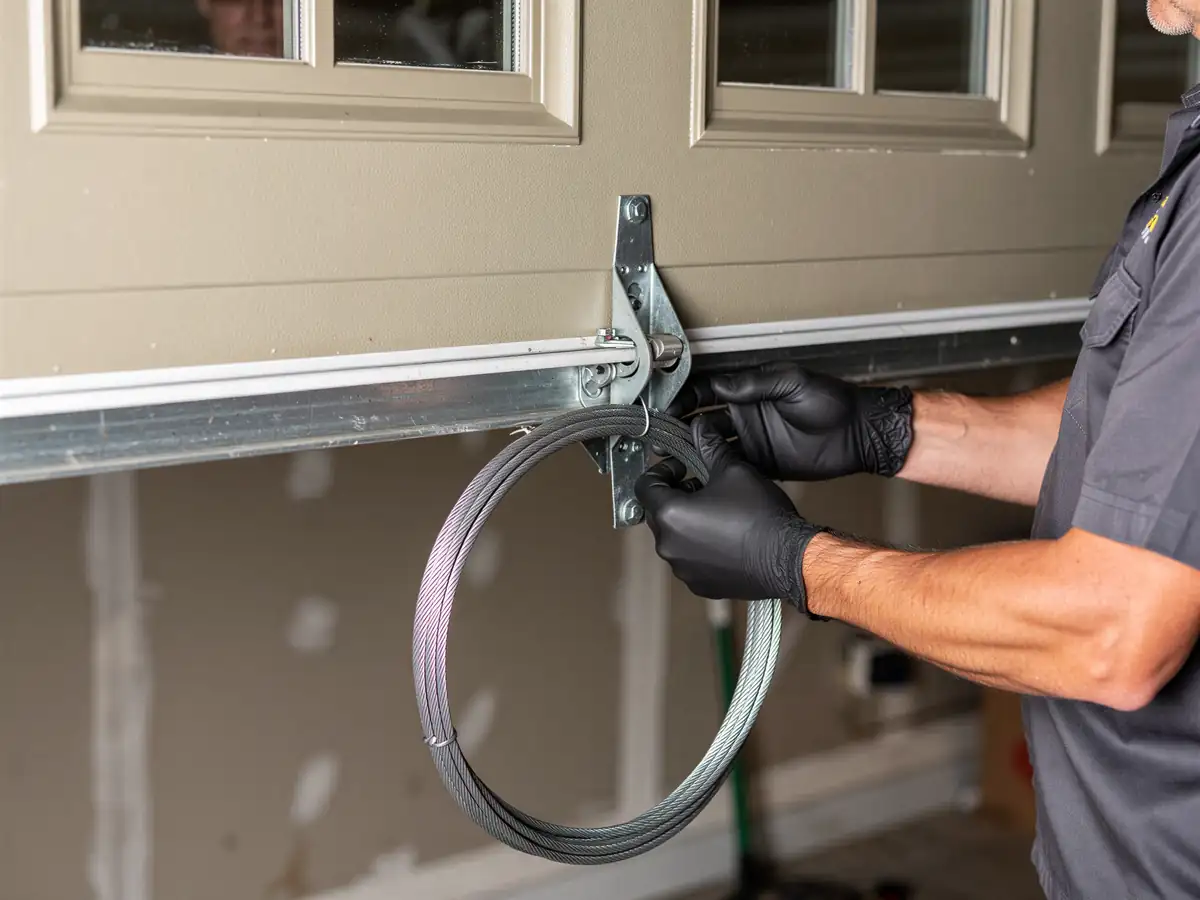
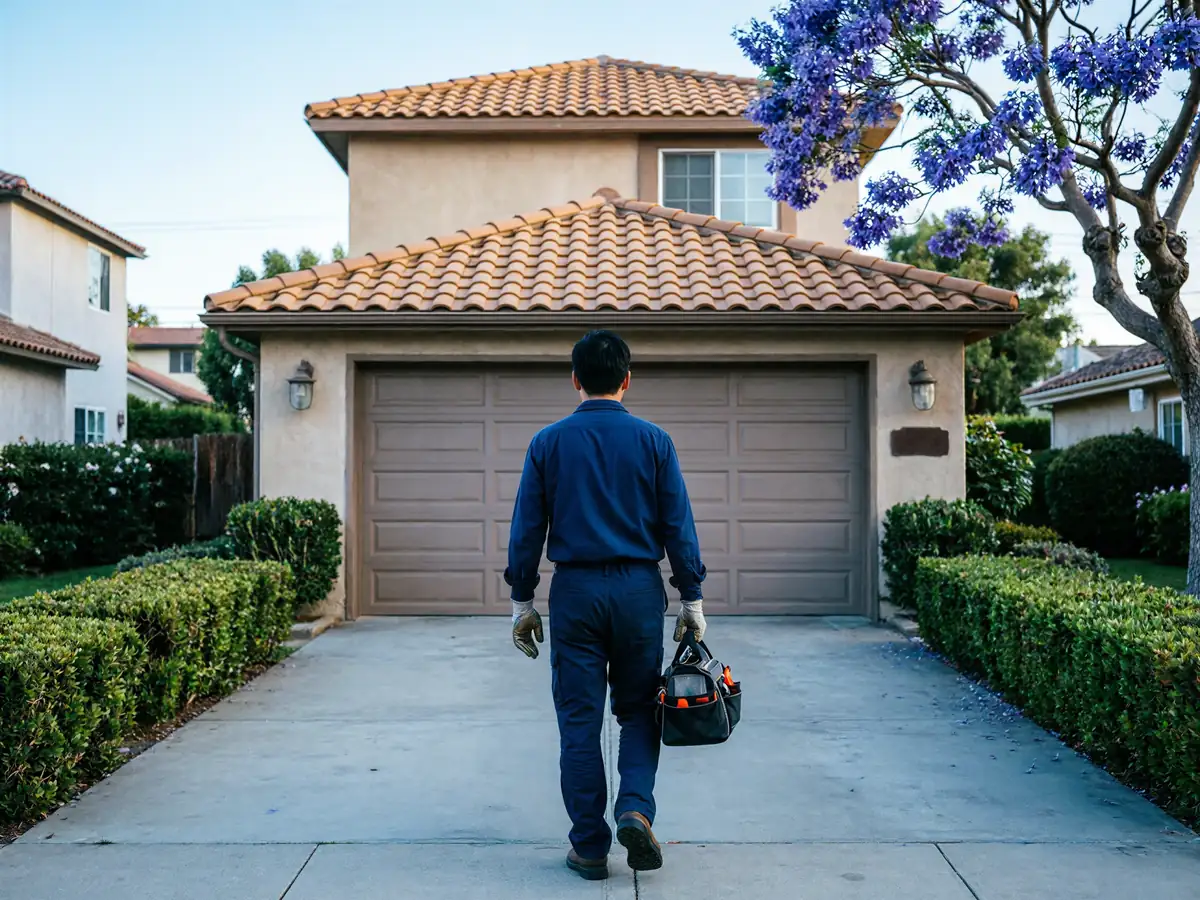
Most of the emergency calls we get from Palo Cedro trace back to the same root cause: houses here were built around a median year of 1978, which puts the original garage door hardware at well past its working life. That means torsion or extension springs rated for maybe 10,000 cycles that are now decades past that count, galvanized cable fraying where it wraps the drum, and steel rollers that have outlived their nylon bushings. We start by pulling the door manually off the opener to see what's actually failing versus what the opener is masking - a dead opener on a spring-loaded door can hide a spring that's one cycle from snapping. From there it's usually a spring and cable replacement sized to the door's actual weight, not a generic kit. If the track is bent from someone trying to force the door, we true it up or replace the section rather than just lubing a bind, because a bind that's forced open again will just come back.
How Long You Are Without the Door
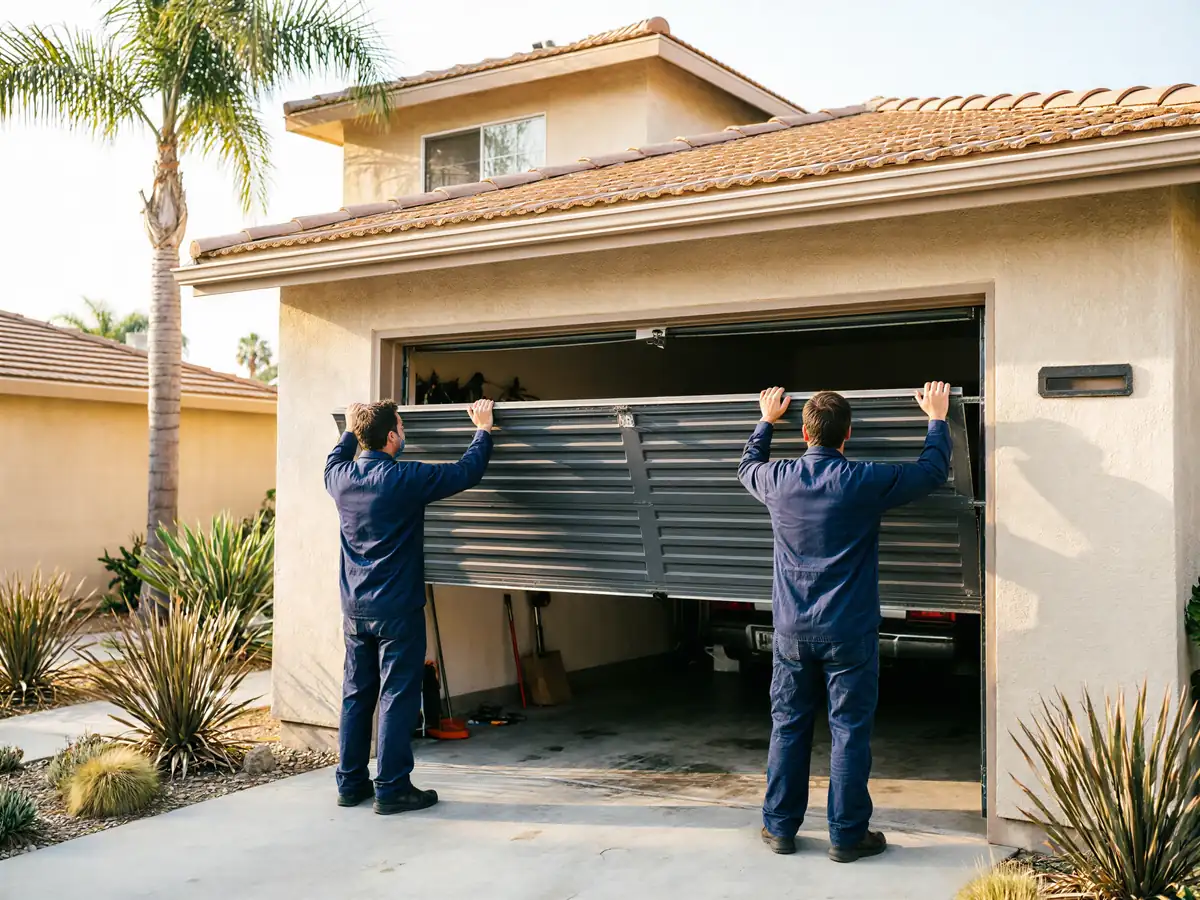
We run out of Redding, about 6 miles from Palo Cedro, so there's no local branch adding a stop before your call. That's the honest limitation: we don't have a crew stationed in Palo Cedro, so we can't promise a number of minutes, only that the drive itself is short compared to jobs further out in the service area. Once the truck's on site, how long you're without a working door depends on the fault. A broken spring with stock parts on the truck is usually a same-visit fix. A bent track on a door that got forced past a jam, or a panel that's cracked from age, sometimes means ordering a part sized to your specific door, and that can mean leaving the door manually secured for a day or two while we wait on it.
Why It Happens Here
Shasta County's climate band is rated for severe heat, and Palo Cedro sits squarely in it. That heat matters more for garage door hardware than people expect: steel springs expand and contract with daily temperature swings, and over enough summers that cycling fatigues the metal faster than it would in a milder climate. Combine that with a housing stock built around 1978, and you get springs and cable that were already near the end of a normal service life even before the heat sped things along. Lubricant on rollers and hinges also breaks down faster in sustained heat, which is why a door that was fine in spring suddenly starts grinding or binding by late summer. None of this is unique to one house - it's a pattern we see across the older stock in this part of the service area, where the original 1970s-era hardware is still running on borrowed time.
Where This Job Goes Sideways
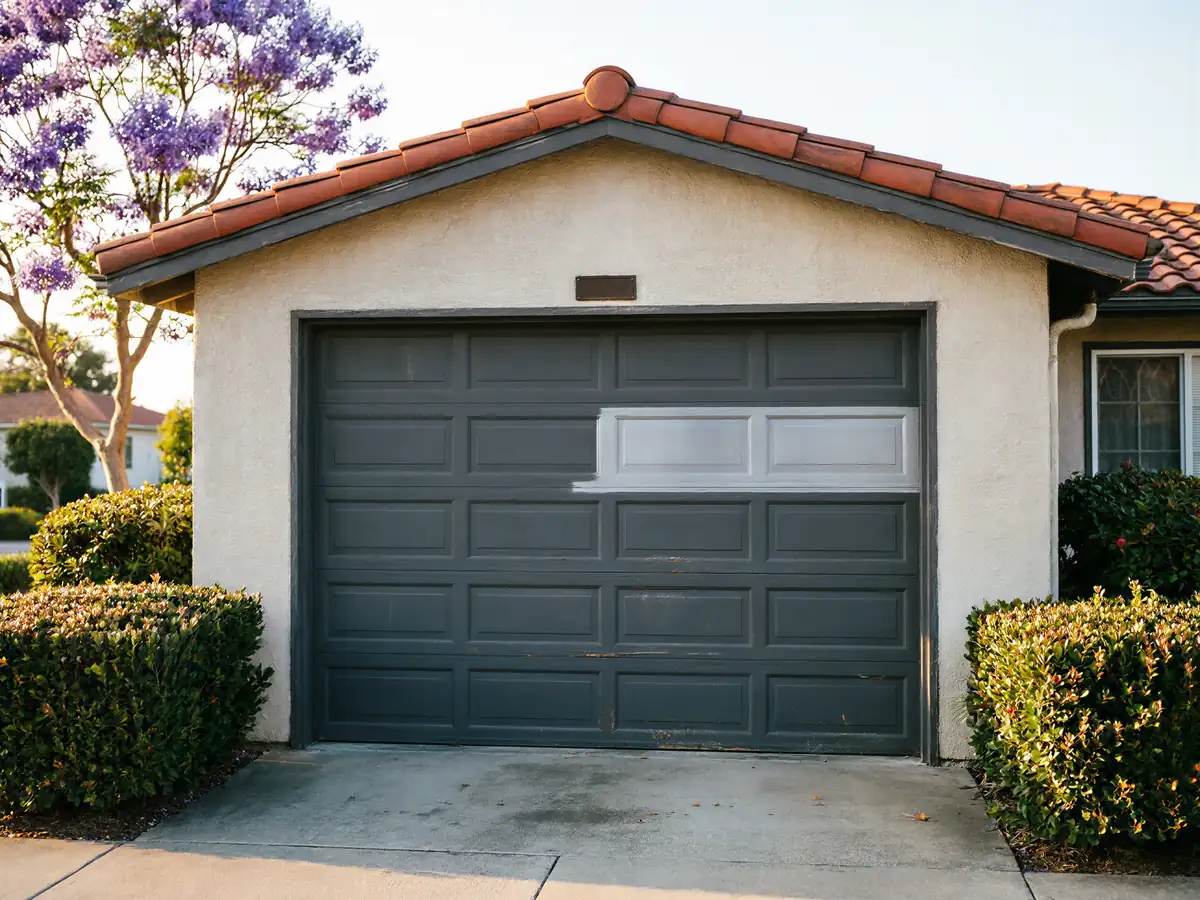
The failure we see most in Palo Cedro's older houses is a door that's been forced after it jammed - someone hits the opener button, the door catches on a bent track or a seized roller, and instead of stopping, they hit the button again or push it by hand. That turns a $150 roller fix into a bent track, a stripped opener gear, or a popped cable that needs the whole drum replaced. The other place this goes wrong is an owner assuming a dead opener means a dead motor, when on a 1978-era door it's just as often a spring that's lost enough tension that the opener can't lift the door's full weight anymore and is straining itself to failure. Replacing the opener without addressing the spring just means you'll be back here again once the new opener burns out trying to lift a door it was never meant to carry alone.