How We Fix It
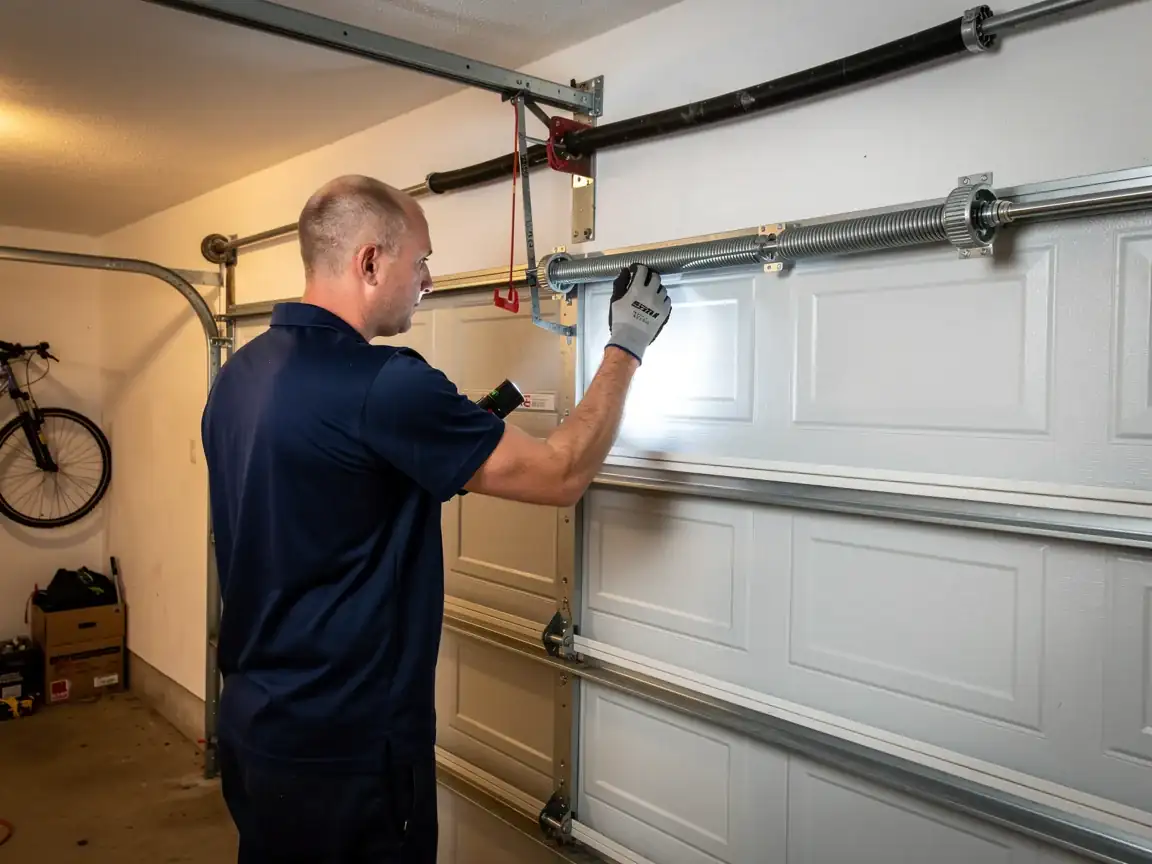
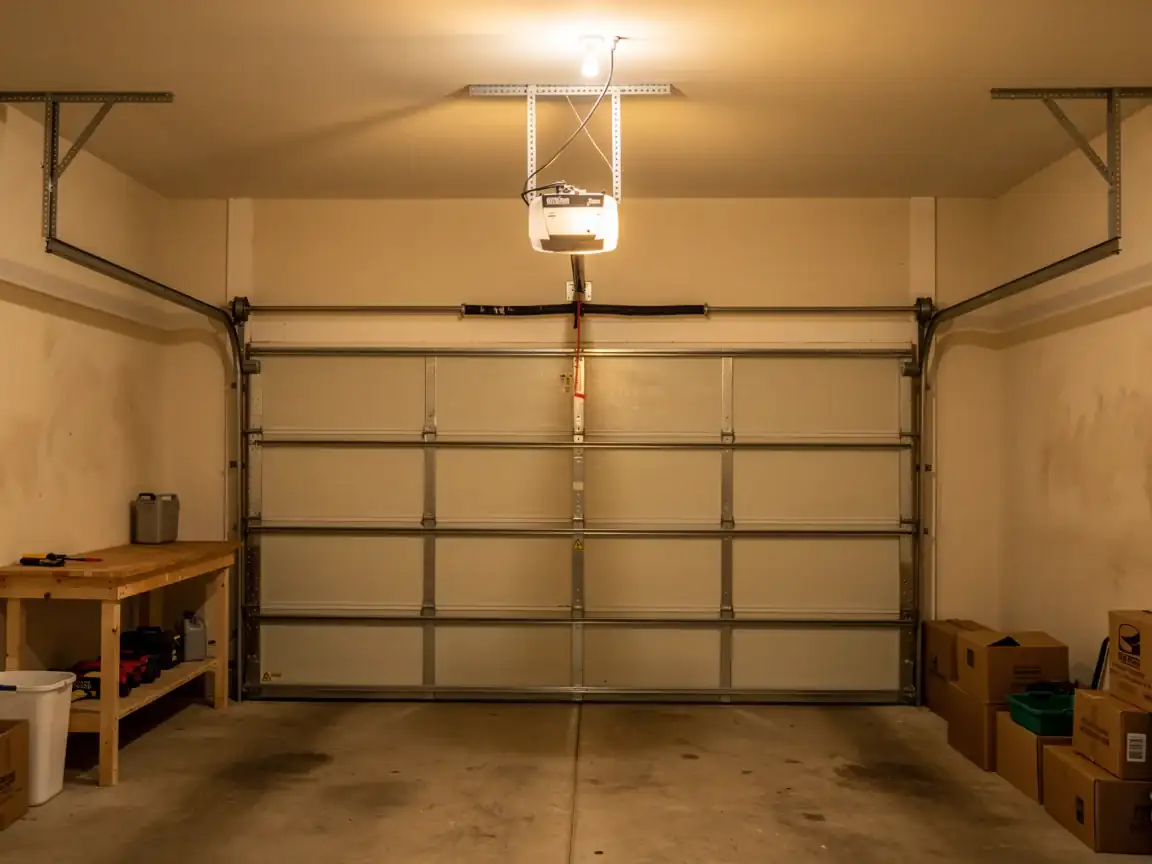
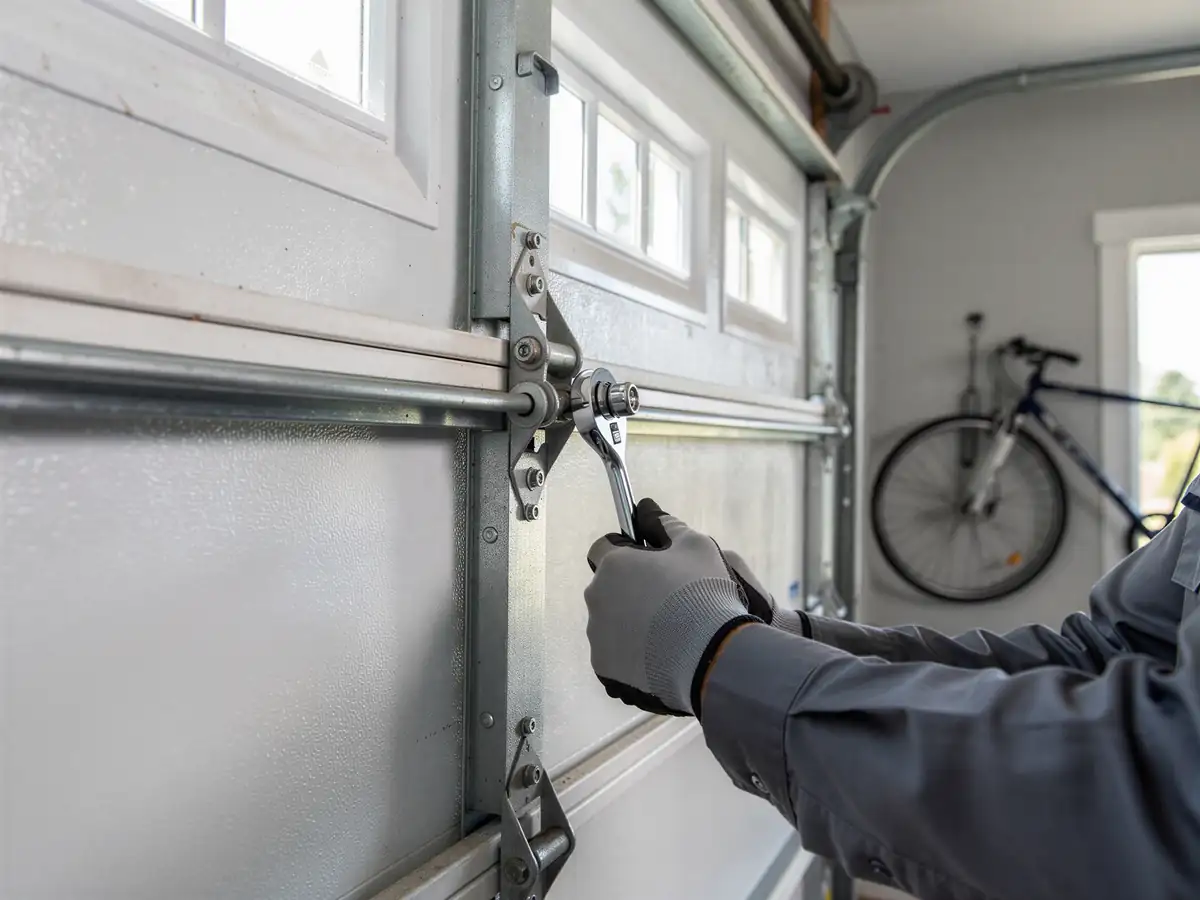
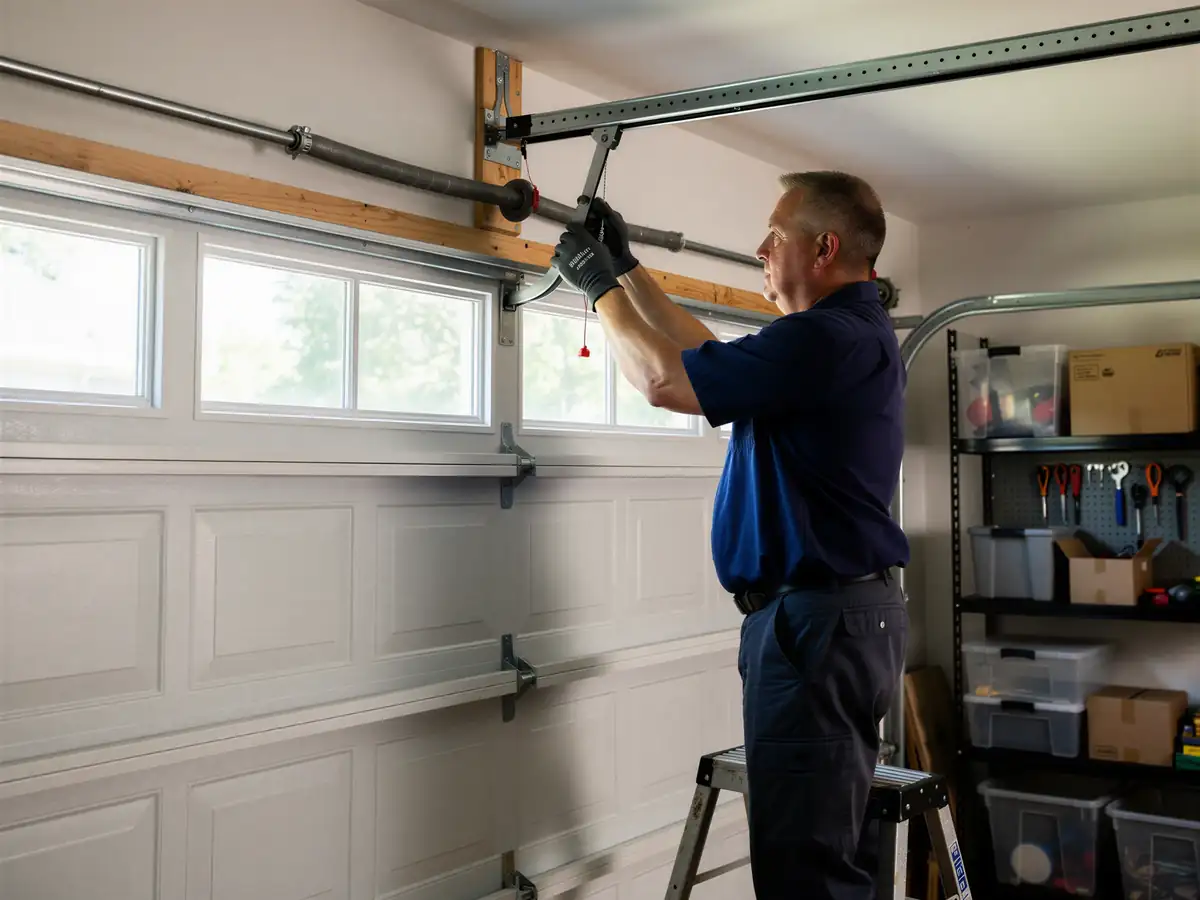
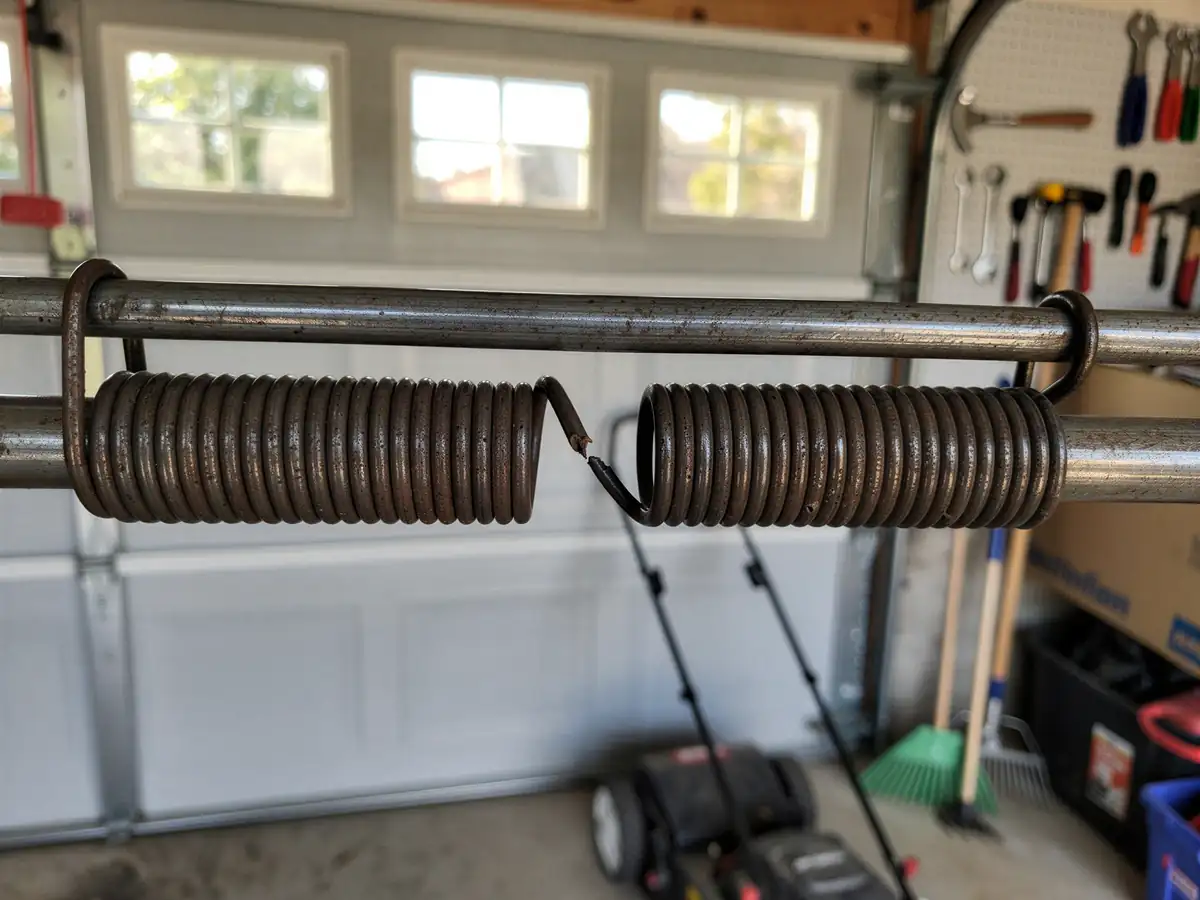
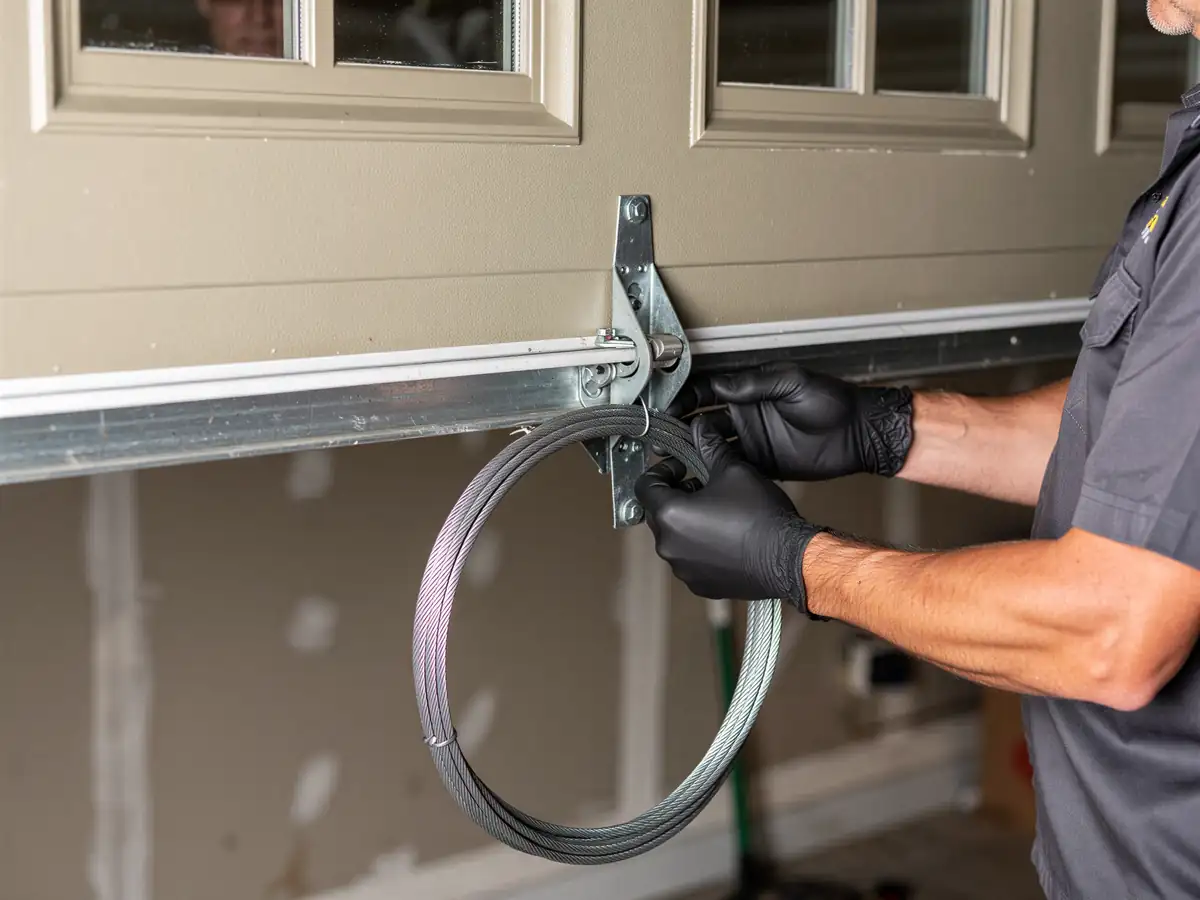
On a door built around 1978, the fix usually starts with matching spring wire size and wind to hardware nobody sells new anymore - cable drums and torsion tubes from that era were sized differently than what ships today, so we carry adapters and cut-to-fit stock rather than assuming a modern kit bolts straight on. Openers from the same build era are mostly long gone, replaced once or twice, so the opener itself is rarely the original problem; it's the bracket, the arm, or a track that's racked slightly out of true from decades of use. We check alignment before we touch springs, because a spring replaced on a bent track fails again inside a year. Panels on doors this old are usually non-insulated steel, and with the severe heat this region sees, the steel has had forty-plus summers to expand and contract, which loosens hinge screws and stretches hinge holes over time - something we look for even when it isn't the stated complaint.
How Long You Are Without the Door
Because we come out from Redding rather than running a branch in Palo Cedro, the trip itself is part of the timeline - it's a 6 mile run, which is short, but it's not instant. Once we're on site, a spring or roller job on a standard 1970s-era sectional door is usually a same-visit repair. What adds time is parts that aren't common stock: a torsion drum sized for older hardware, or a panel for a door that was never a mass-production model to begin with. On those, we tell you honestly if we need to order something rather than padding the first visit to look thorough. We don't promise a same-day window here, because we're not staged in Palo Cedro - we tell you the drive time and the shop time separately so you know which part of the wait is which.
Why It Happens Here
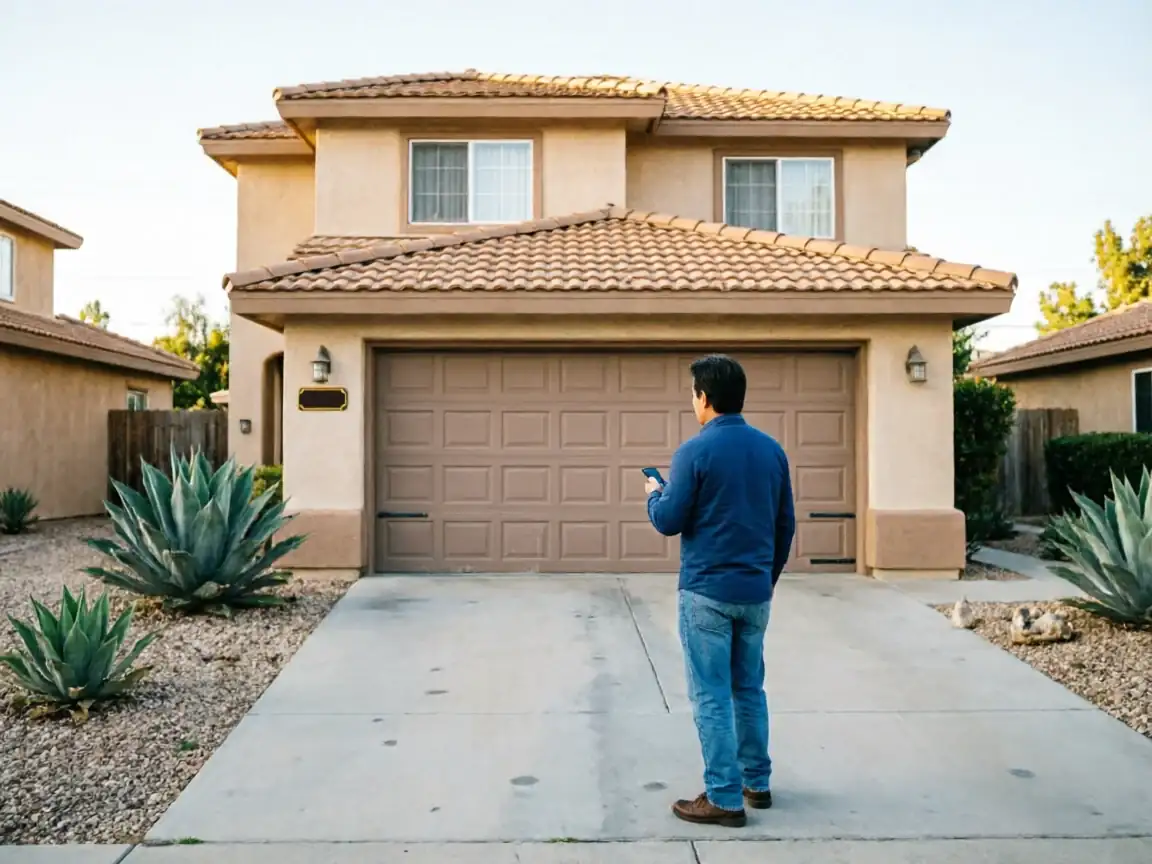
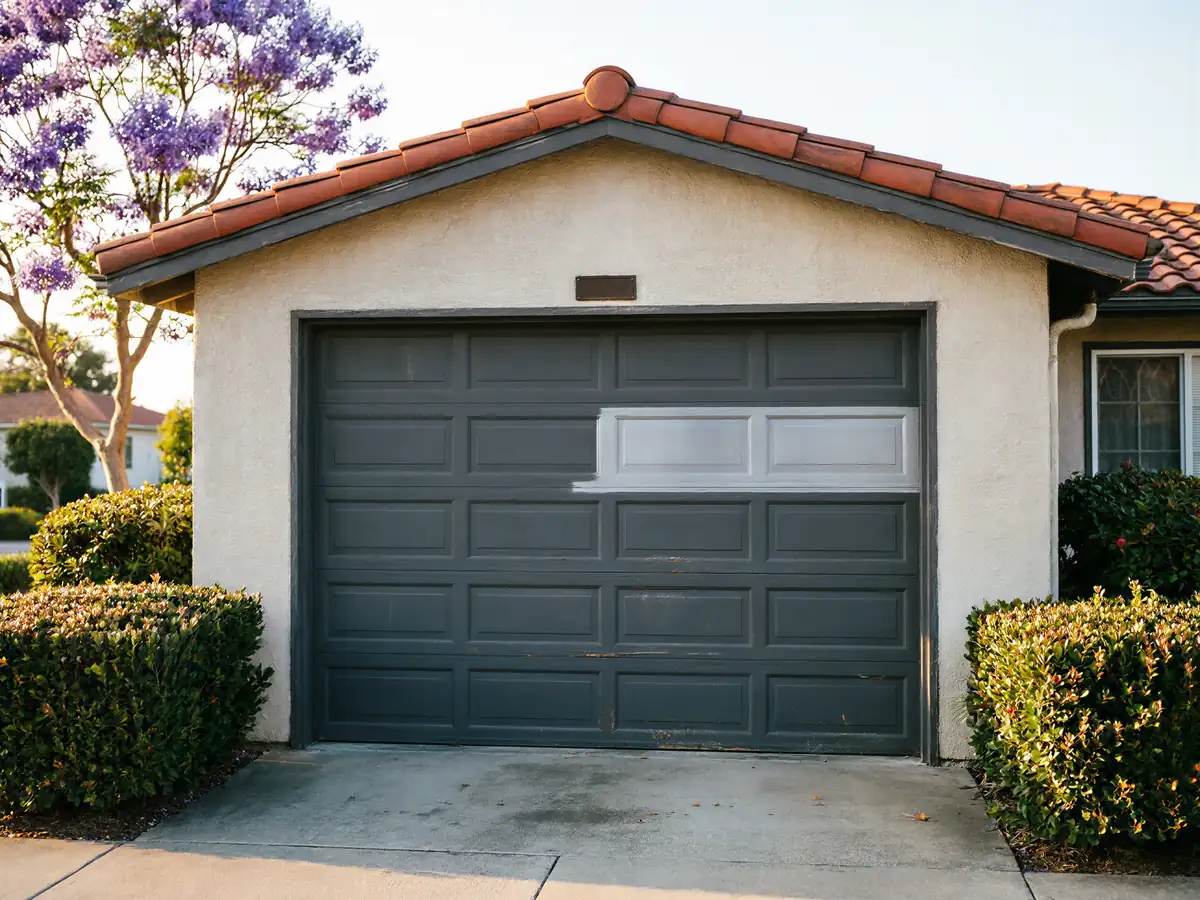
Palo Cedro's housing sits around a 1978 median build year, which puts a meaningful share of doors in a specific window - old enough that original hardware is wearing out, but not so old that it's been universally replaced like it has in the oldest pockets of the wider service area. That's different from the newer subdivisions closer to Redding, where doors are younger and the failures lean toward opener electronics rather than spring fatigue. Add the region's severe summer heat, which this whole service area sits under, and you get steel components expanding and contracting every season, plastic opener gears getting brittle faster than they would in a milder climate, and lubricant drying out on a shorter cycle than the bottle suggests. None of that is unique to one street - it's a function of when the neighborhood went up and what it's sat through since.
Where This Job Goes Sideways
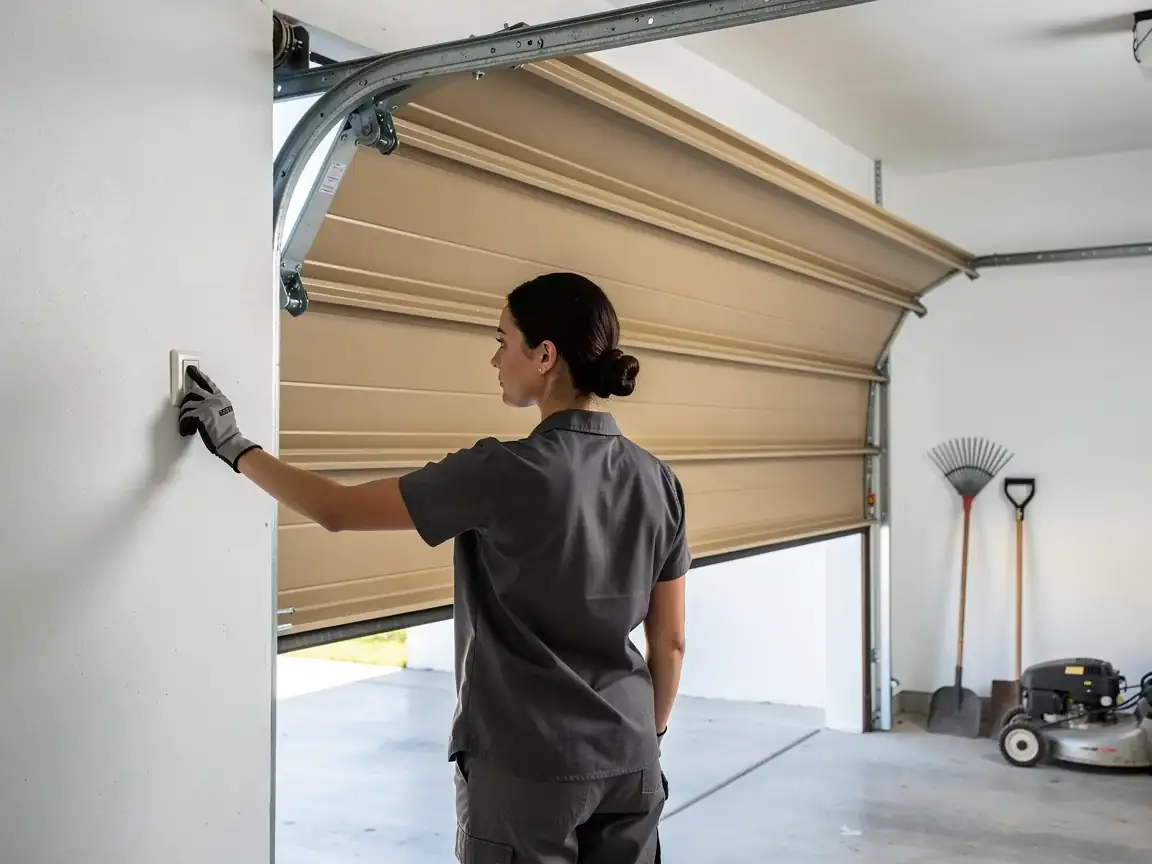
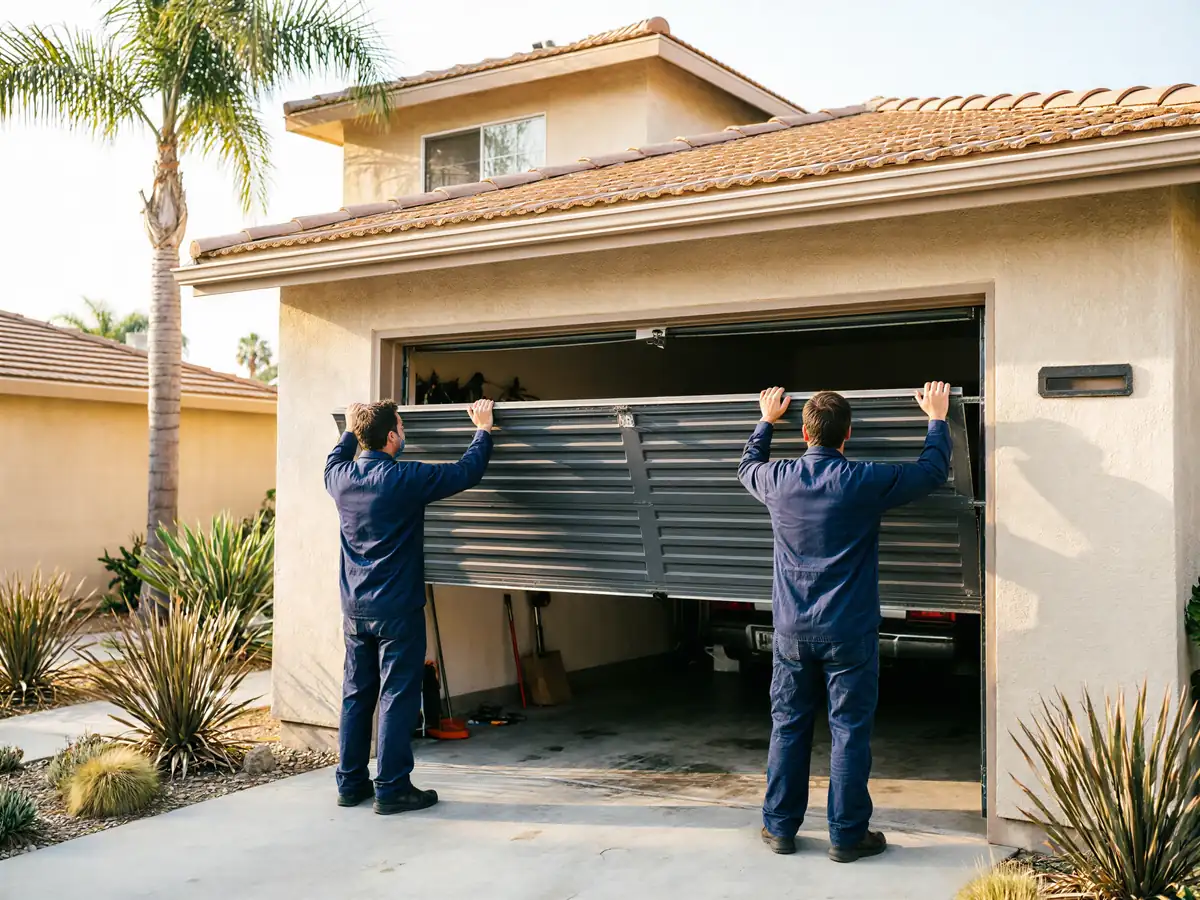
The job goes sideways when a homeowner replaces a spring on a door whose track is already out of alignment - the new spring does its job, but the door still binds, slams, or drops unevenly, and now it looks like the repair failed when the actual problem was never touched. It also goes sideways when someone matches spring wire by eye instead of by measurement; a 1970s-era torsion setup can look standard and not be, and a slightly wrong spring either underperforms or over-stresses the drum. We've seen both outcomes called in as a second job. The honest limitation here: if a door's track, hinges, and panels have all degraded together, patching one component is a short-term fix, and we'll say so rather than charge you for a spring that won't solve what's actually wrong.