Why It Happens Here
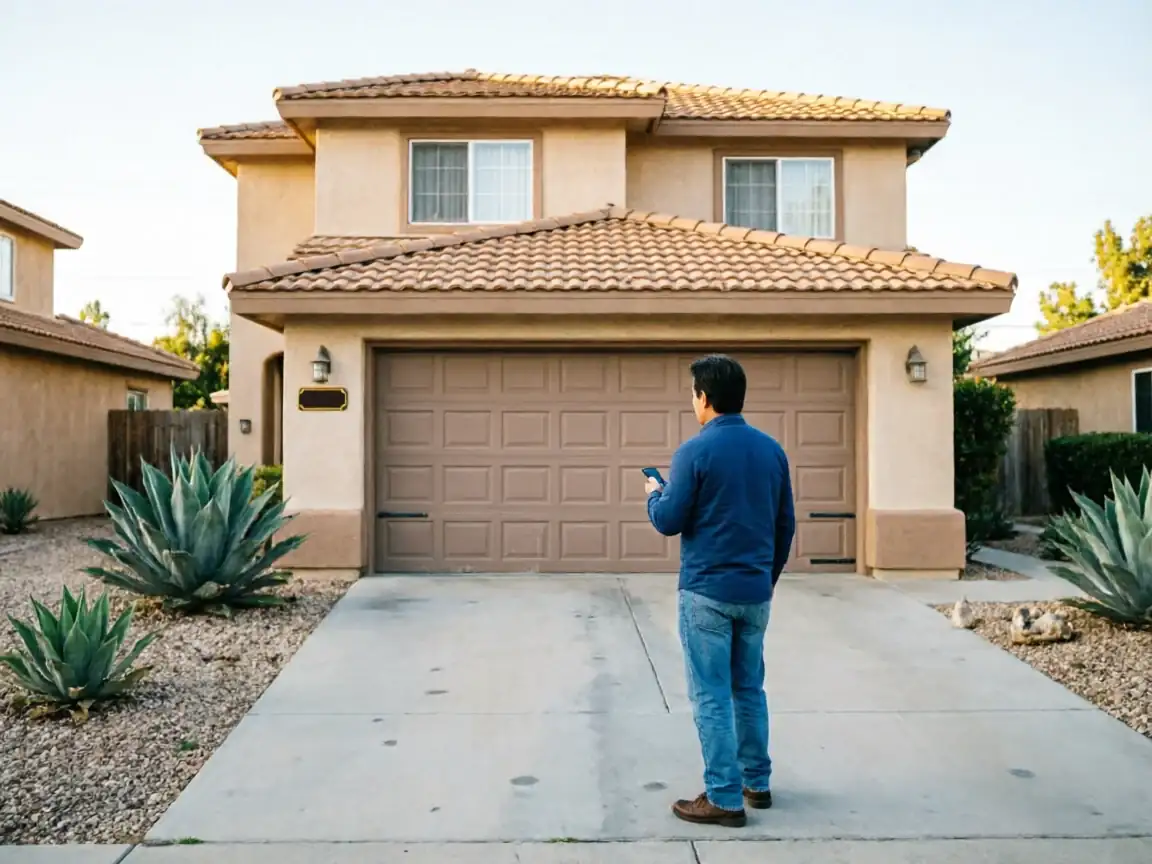
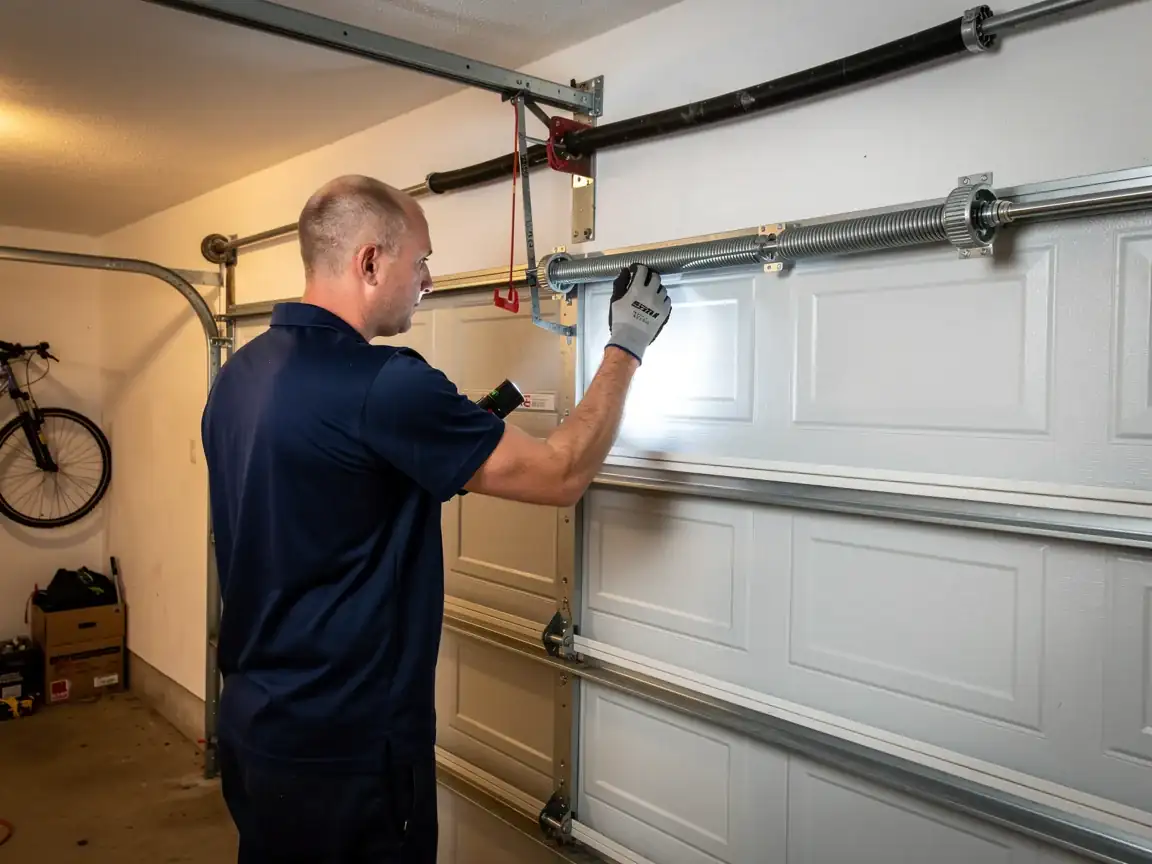
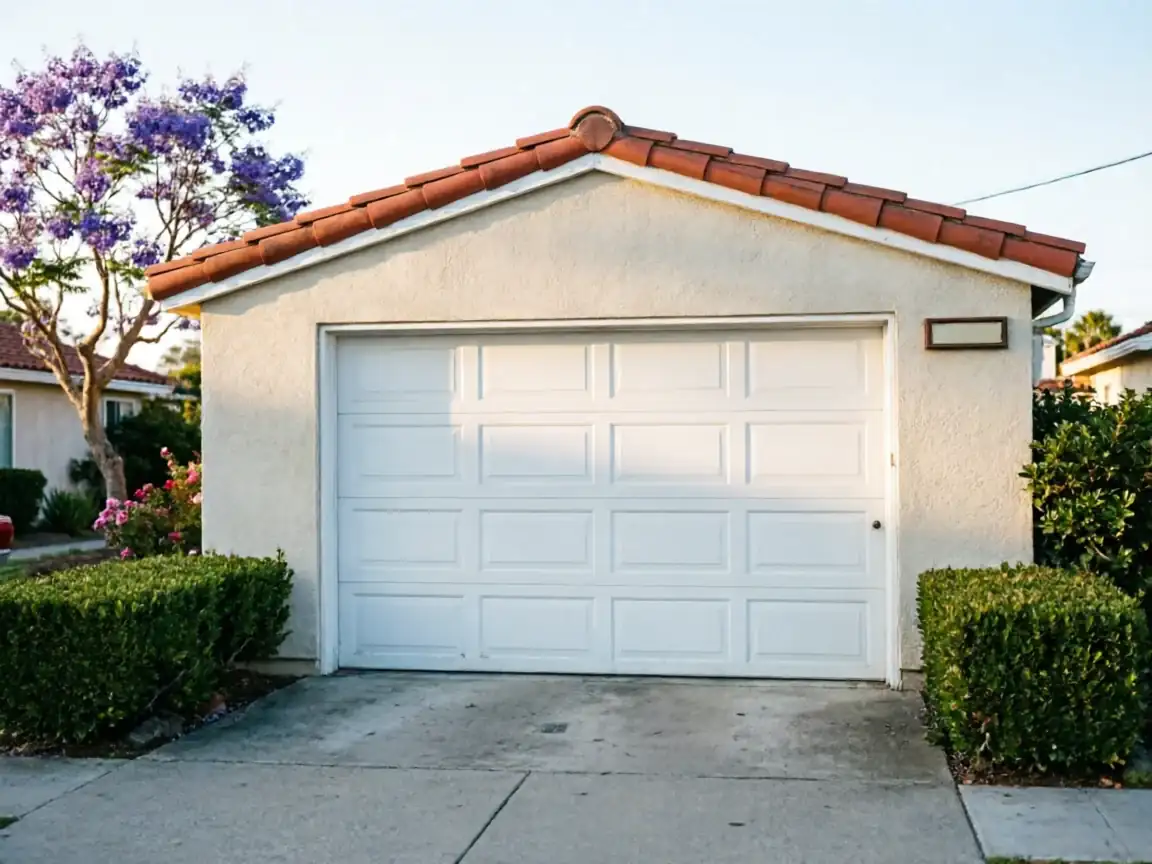
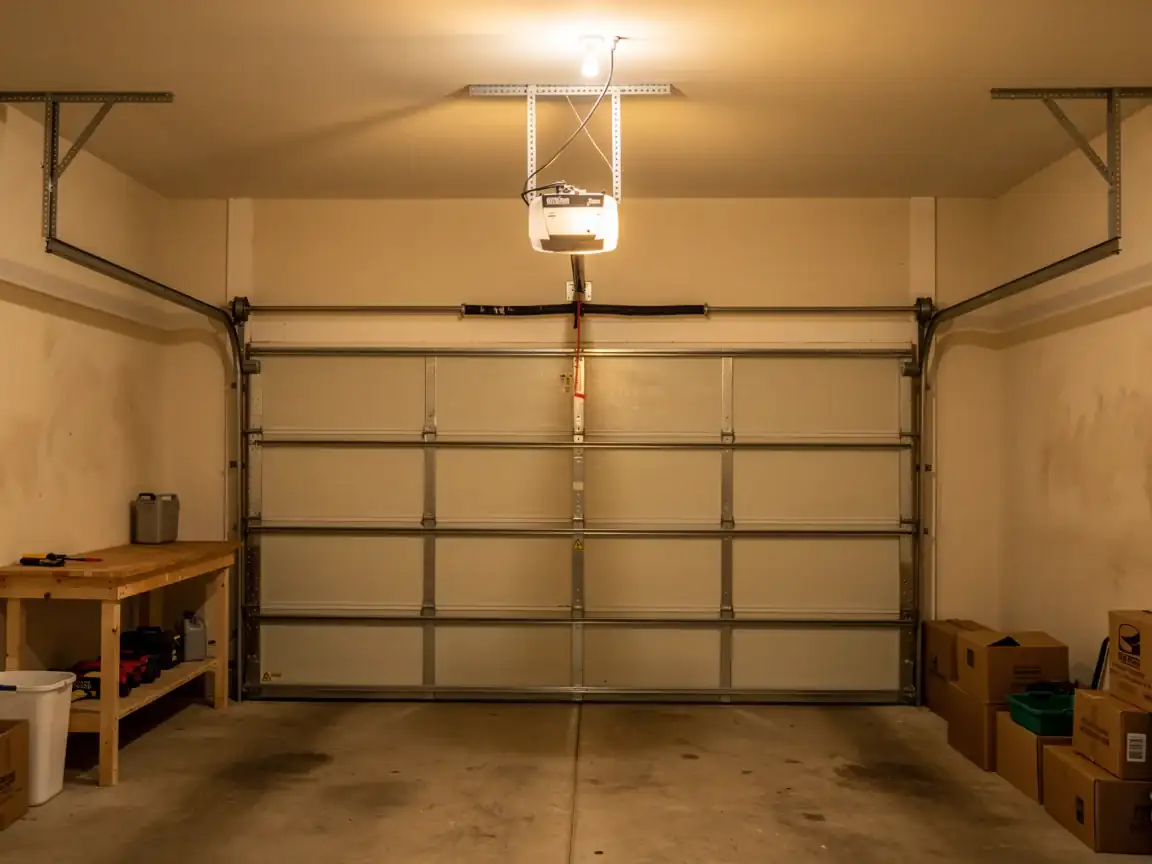
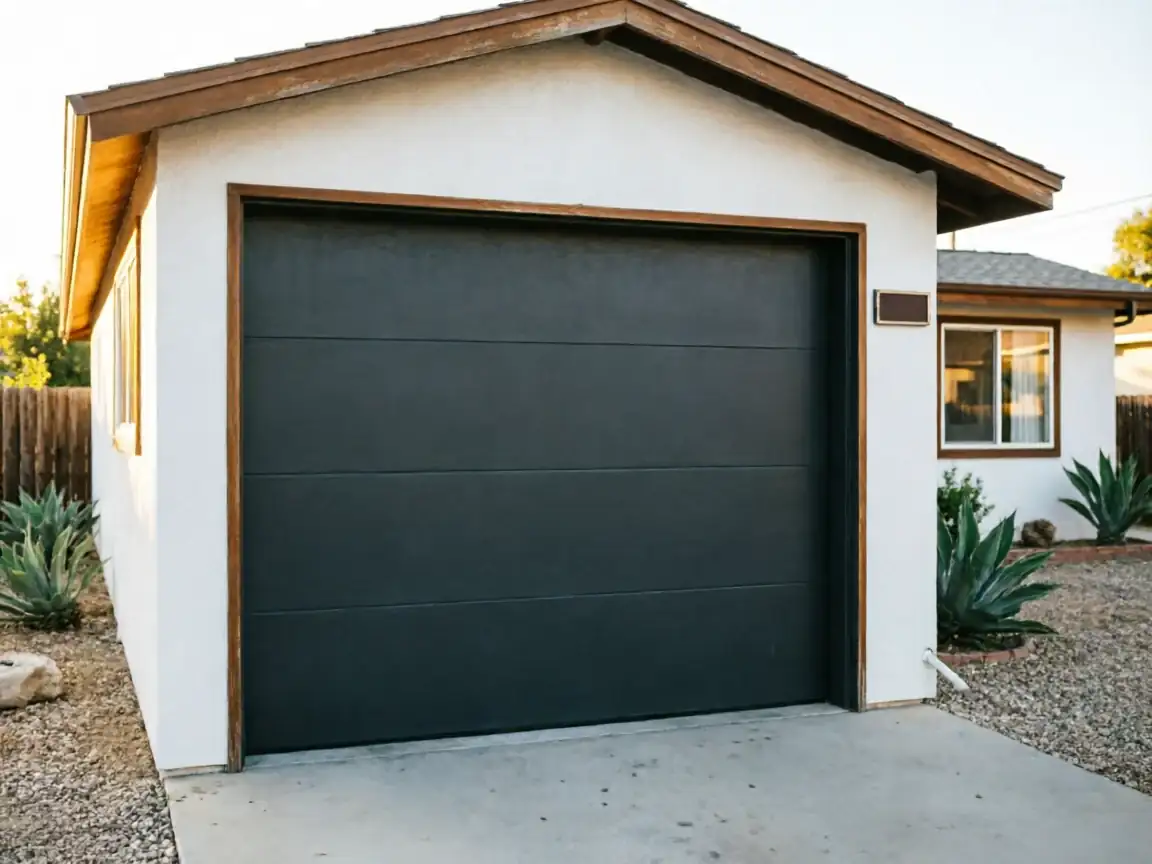
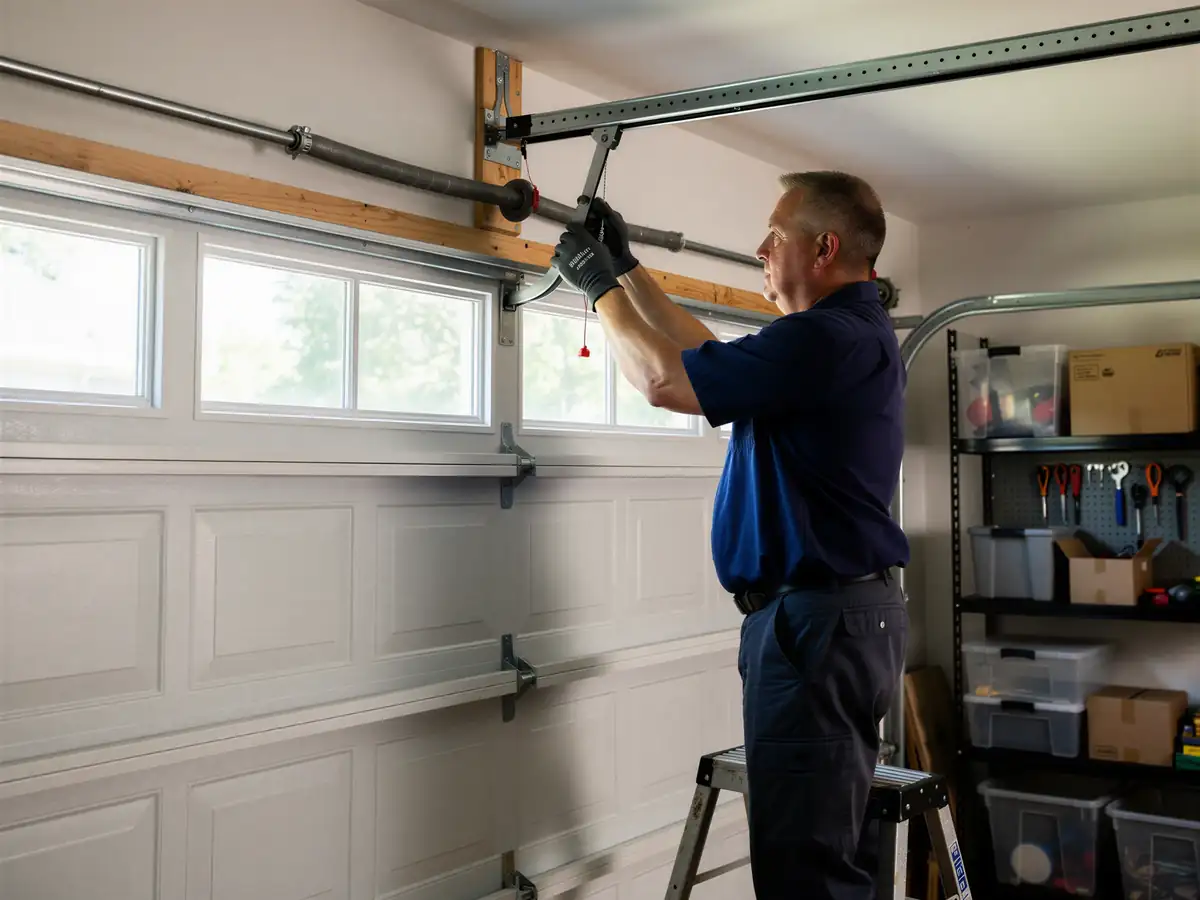
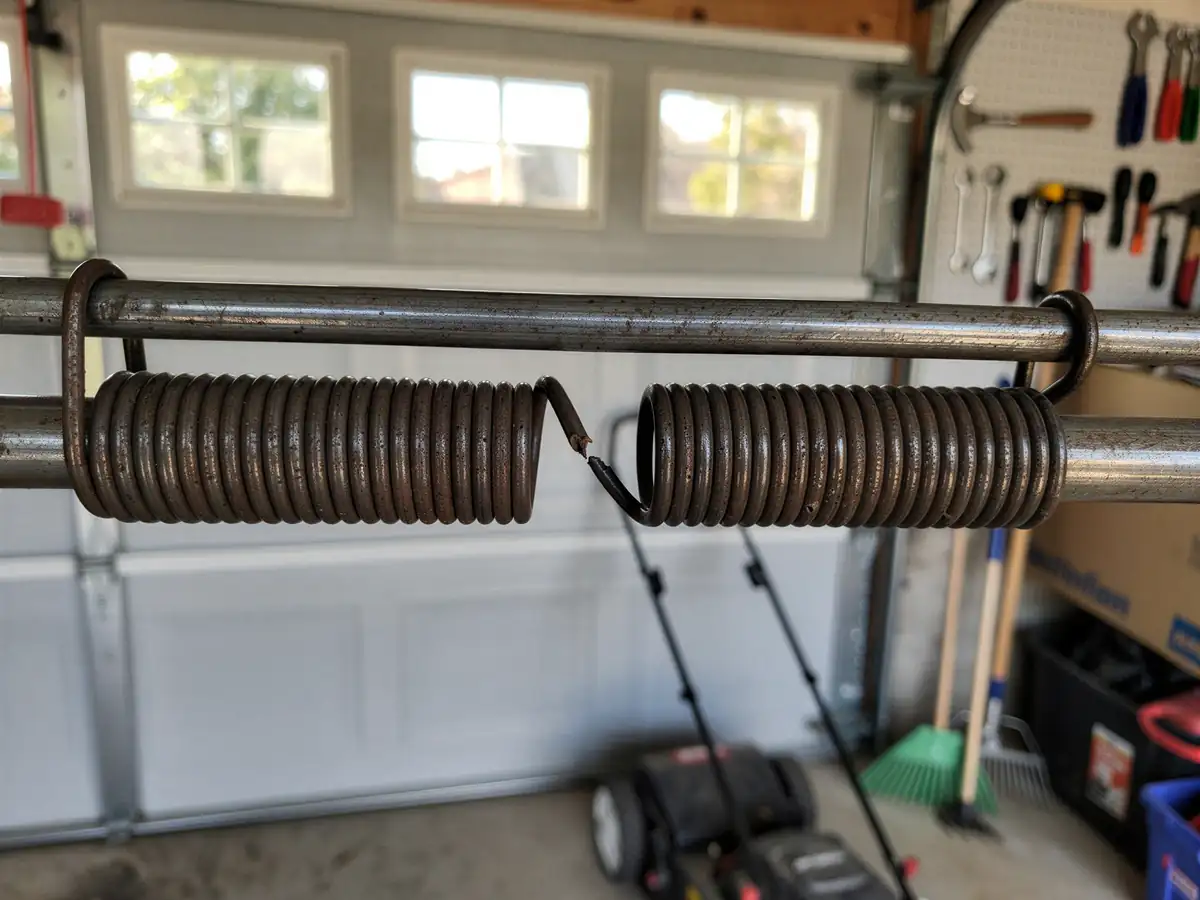
Cottonwood sits about 13 miles out from Redding, and the housing stock out this way tracks the same build window as the rest of the area - mostly 1938 to 2000 construction with a median around 1980. That means galvanized torsion springs sized to a builder-grade spec, often undersized for the door weight once a heavier insulated panel gets swapped in later. Add the region's severe heat band: steel spring wire expands and contracts through big daily temperature swings, and that cycling accelerates metal fatigue faster than a mild-climate spring of the same gauge would wear. A spring that's been baking in a detached garage through Cottonwood summers for 15 years is not the same spring it was in year one, even if it looks fine from the outside. That combination - mid-century-adjacent hardware sizing plus heat-driven fatigue - is why the failure shows up as a sudden snap rather than a slow squeak building toward one.
What Is on the Truck
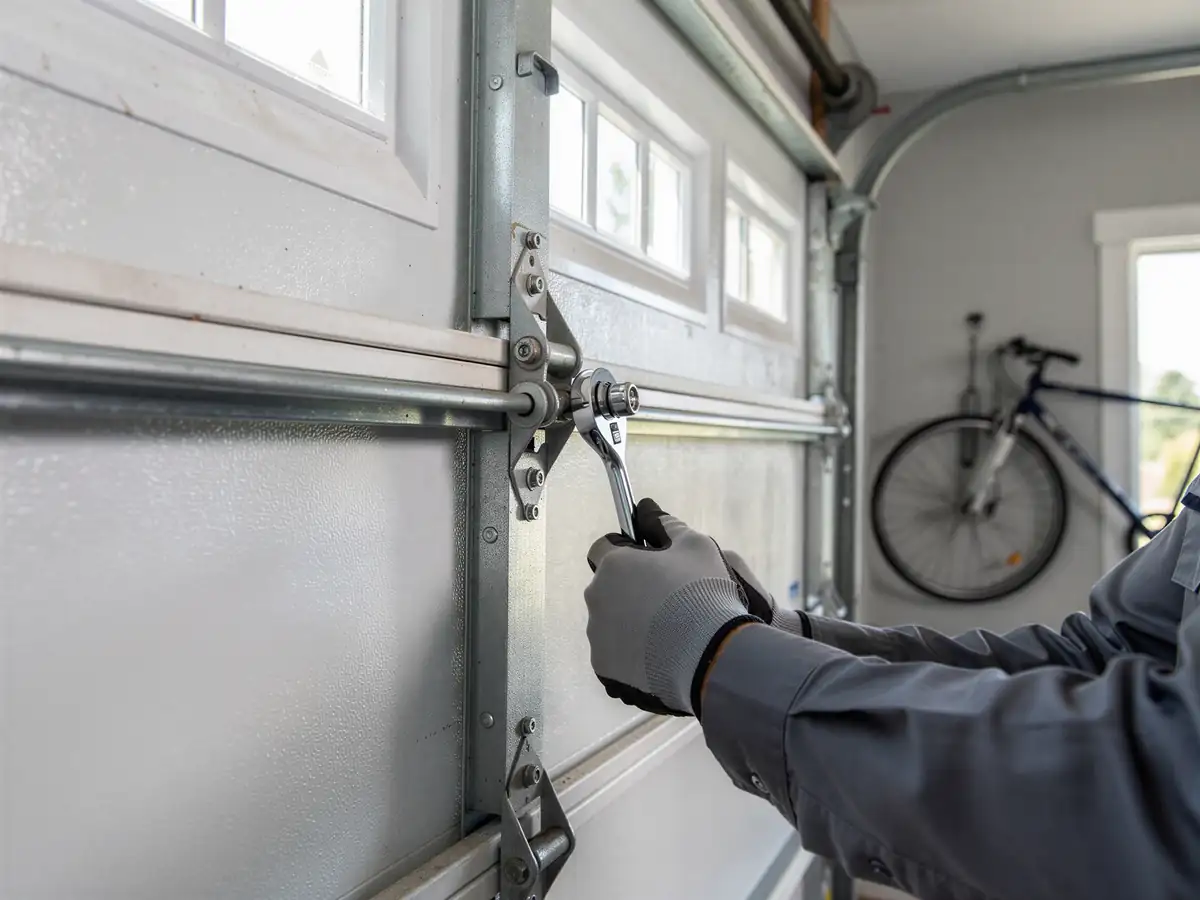
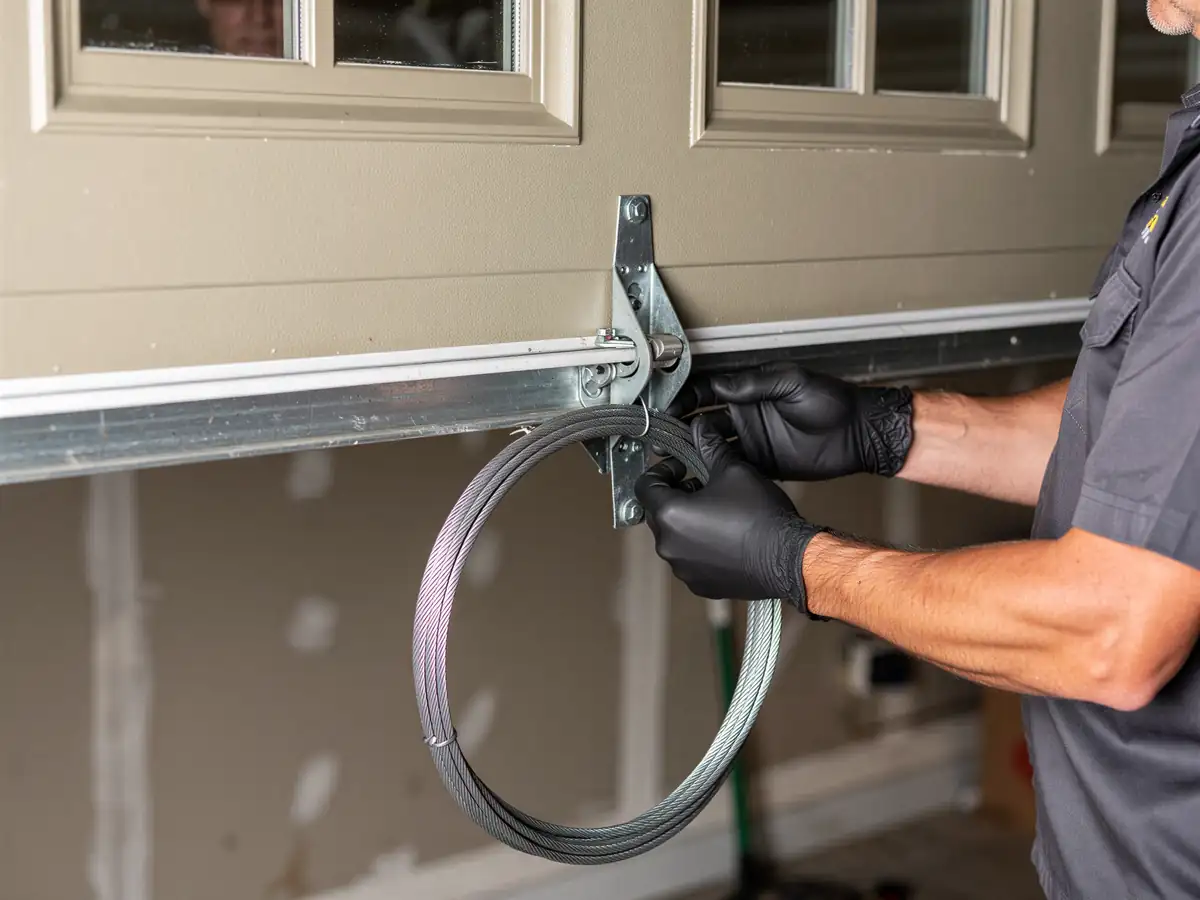
Because we're coming from Redding rather than running a depot in Cottonwood, the truck carries a working range of torsion and extension spring sizes rather than one specific stock size, along with cables, drums, and bearing plates sized for the torsion setups most common in 1970s-to-90s construction. We measure wire diameter, coil length, and inside diameter on site rather than guessing from the door's age - two houses built the same year can have different spring specs if one had a door replacement along the way. One honest limit: if your springs are an oddball size or your opener needs a part we don't carry that day, we'll tell you straight and get it scheduled rather than jury-rig something that'll fail again in a year.