The Symptom
The call usually starts the same way
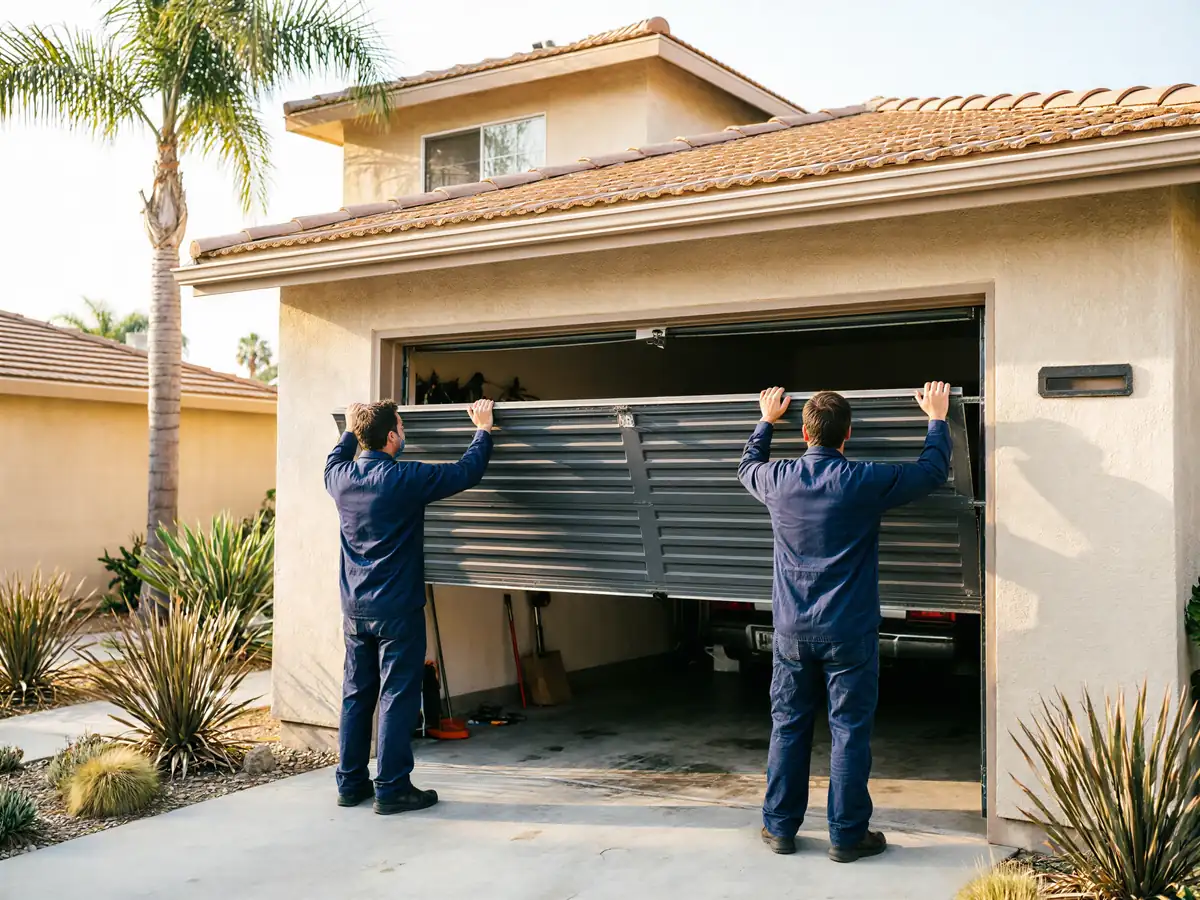
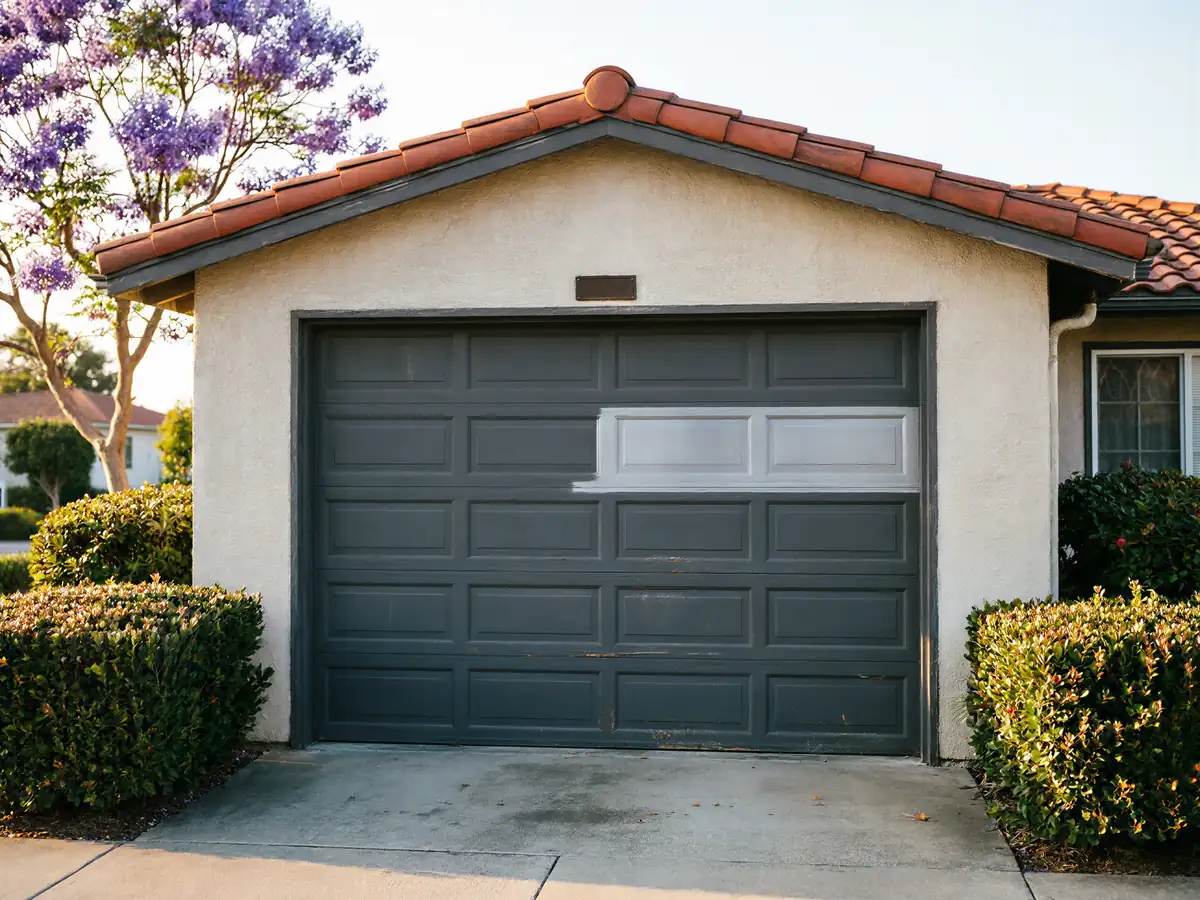
A bottom panel caved in from a trailer hitch backing up, or a mid-section cracked clean through after a ball or a bike pedal caught it wrong. Sometimes it's not an impact at all - it's rust working up from the bottom edge where water sits against the steel, or a panel that's bowed enough that the door binds in the track on the way down.
What you're dealing with next depends a lot on when the door went in
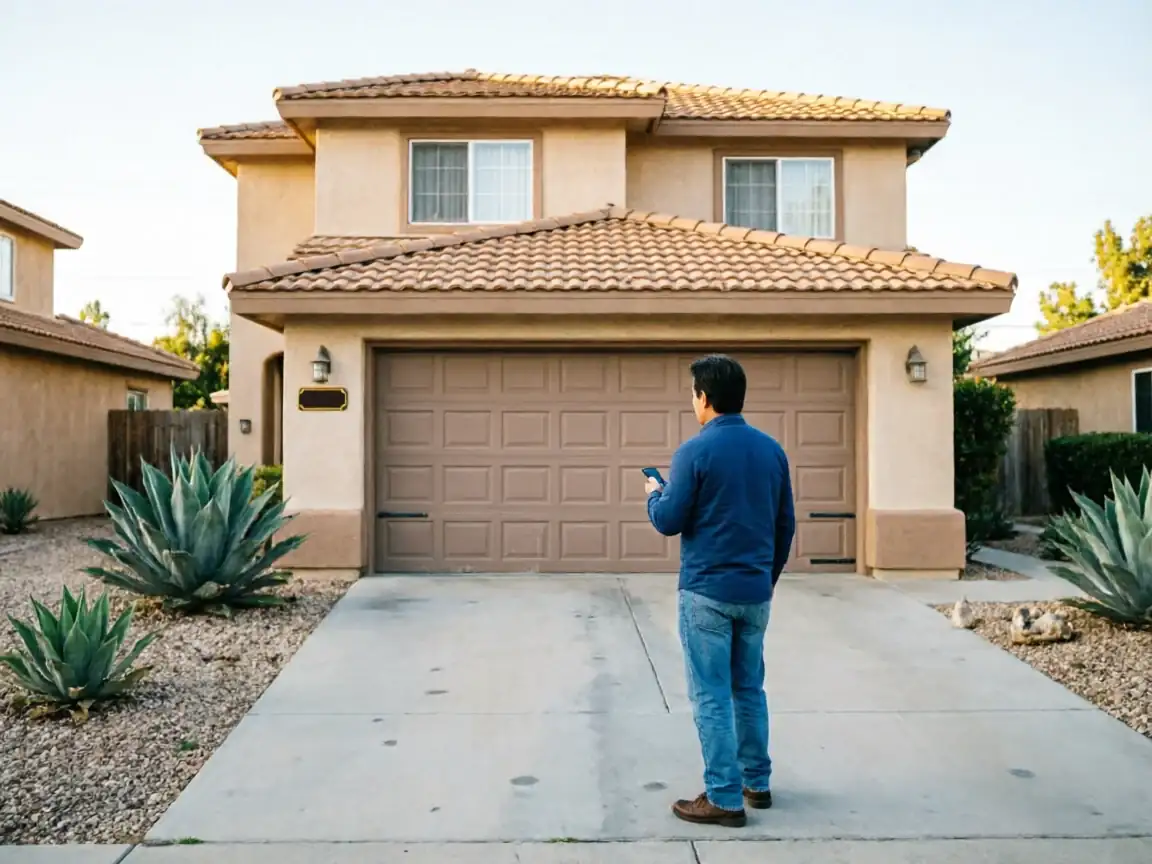
Cottonwood's housing stock centers on 1980, which puts most garage doors here in that same era or a retrofit from sometime after. A door from 1980 is not built like a door from 2015, and the panel that fits one will not fit the other - not the width, not the lock-seam profile, sometimes not even the color code.
Why It Happens Here
Panels fail here for two reasons tied to this area, not to garages in general. First, the heat. This region sits in a severe-heat climate band, and an un-insulated steel panel - common on doors built before foam-core sandwich construction became standard - takes a daily expansion-and-contraction cycle that an insulated panel doesn't. Over enough summers that stress shows up as hairline cracks along the seams and warping near the bottom section, where the panel sits closest to hot pavement.
Second, the door itself is older than the panel on the shelf at a big-box store. A 1980-era door built for 2,545 households' worth of garages out this way used panel dimensions and lock-seam styles that manufacturers phased out decades back. When one section goes, the easy fix - walk in, grab a matching panel, bolt it on - often isn't available. That's the honest limitation: if your door is old enough, we may not be able to match a single panel at all, and a full door swap ends up being the real fix, not a sales pitch.
What Is on the Truck
Because the trip out to Cottonwood runs about 13 miles from Redding, the truck gets loaded for the job before it leaves, not after a diagnosis. That means common steel panel sections in the widths that show up most in this area, roller and hinge hardware sized for older sectional tracks, and primer-matched finish for a panel that won't need repainting the same week it goes in.
What doesn't ride along as standard stock is a lock-seam profile matched to a discontinued 1980s door line. Those get special-ordered once we've got the door's actual measurements and panel style in hand - there's no guessing that from the driveway. We'd rather tell you a part needs to be ordered than bolt on something close enough and have it rattle in the track inside a year.
How We Fix It
First step is figuring out whether this is a panel job or a door job
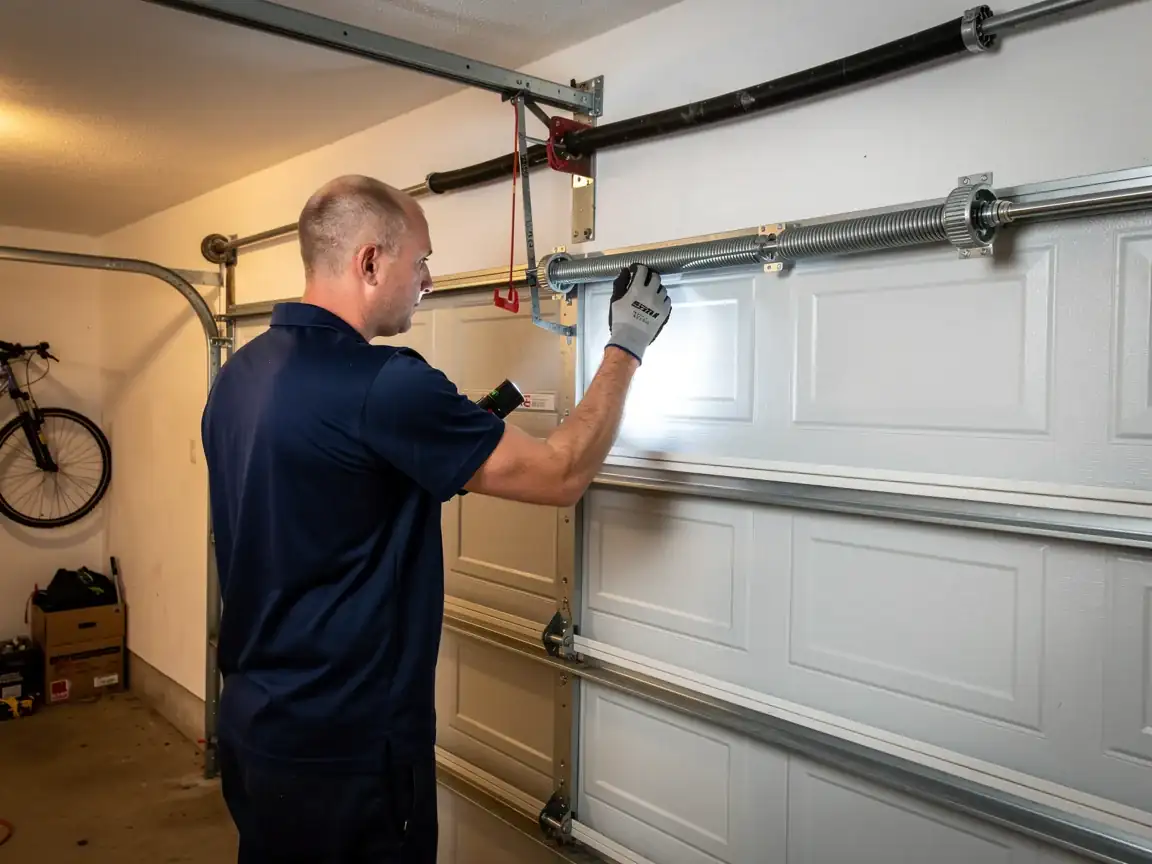
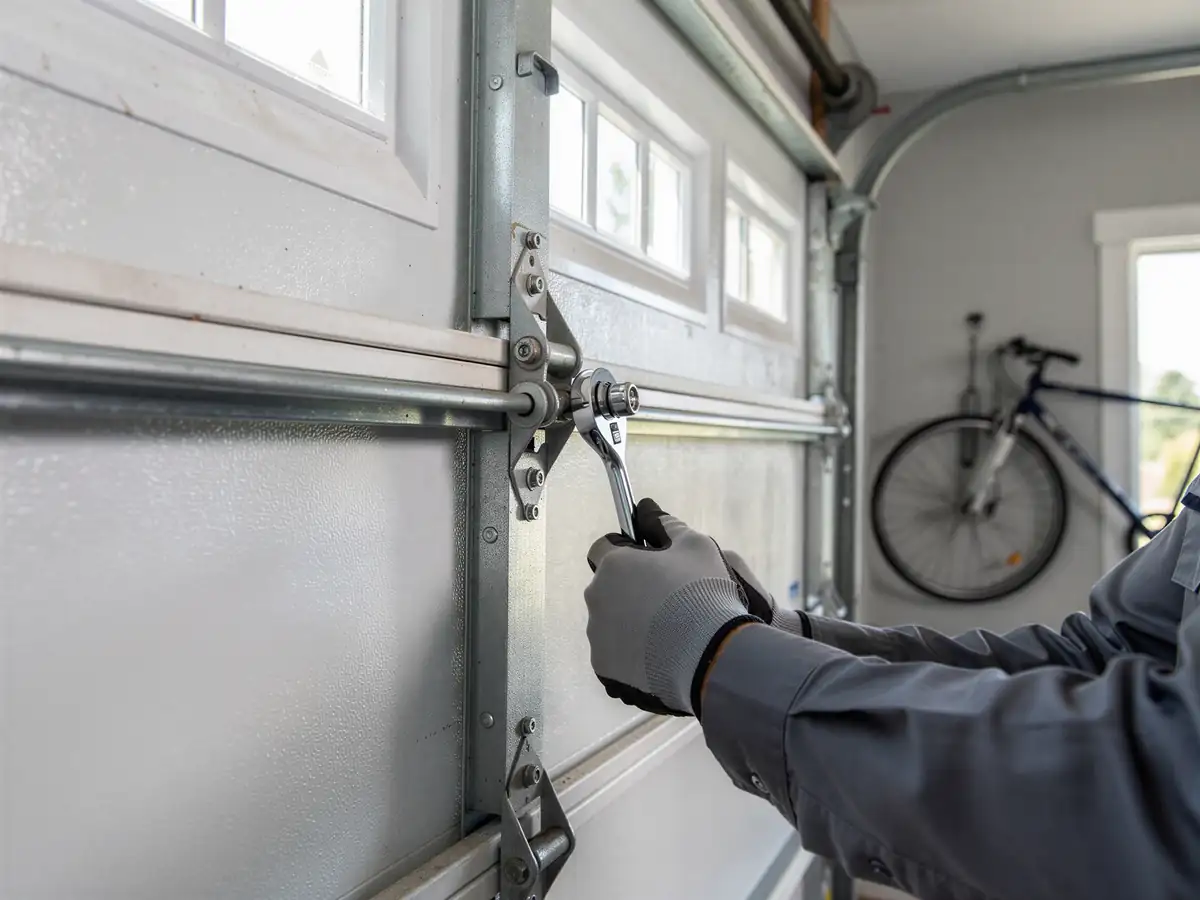
We measure the section, check the lock-seam and screw pattern against what's still manufactured, and look at how many other panels on the same door are showing the same rust or warp pattern the heat causes here. One bad panel on an otherwise sound door is a straightforward swap. Three panels going the same way on a 1980s door usually means the whole door is near the end of its run, and we'll say so instead of patching it section by section.
If a panel does need a special-order profile, that adds lead time
We won't promise a same-visit fix on something we don't have on the shelf. For repairs that go beyond the panel itself, like a track that's been pulled out of alignment by the same impact, that work gets covered under our standard garage door repair service for Cottonwood. If you're weighing a full door replacement instead of chasing discontinued panels, the broader options are on our panel replacement page for the Redding service area.