The Symptom
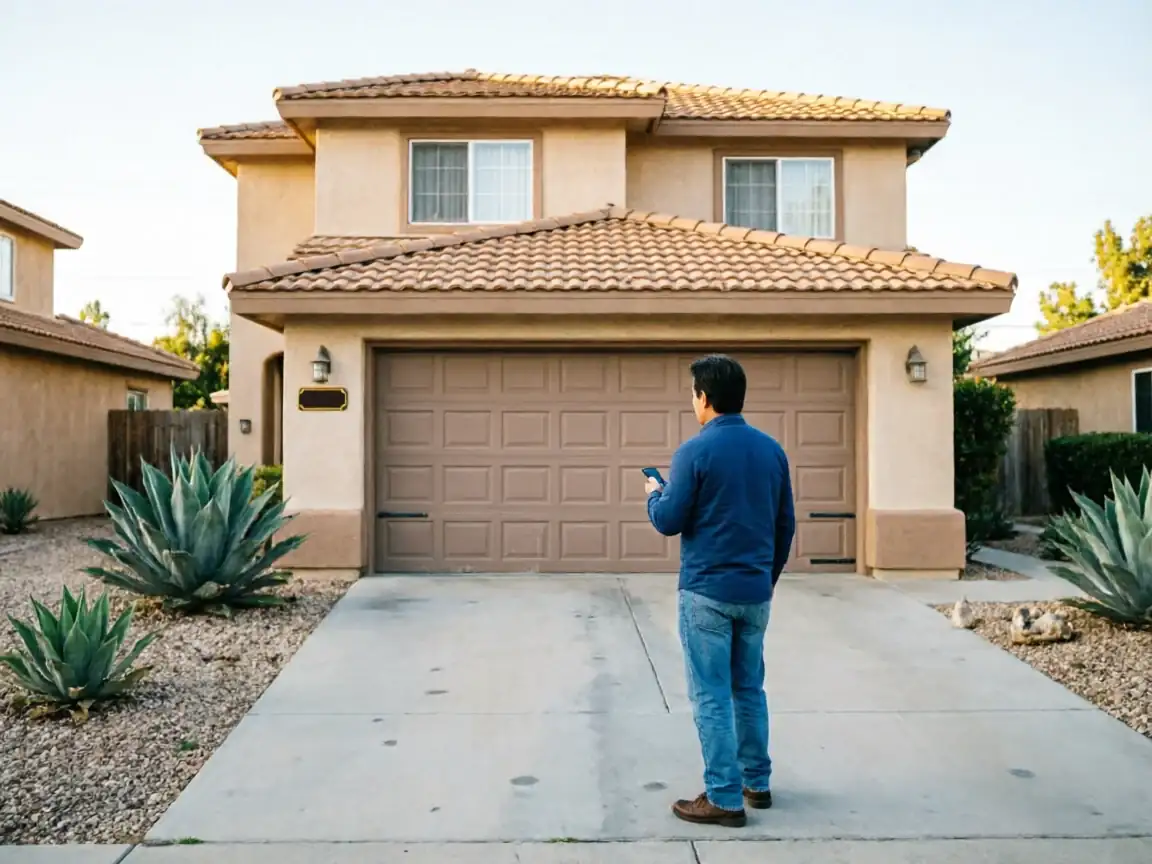
Cottonwood sits thirteen miles south of our Redding shop
Which turns every new-install job into a two-trip job: one to measure, one to hang the door. That matters because you can't call in the morning and expect a panel on the truck that fits your opening sight unseen - we need the actual width, height and headroom first.
What brings people to that first call is usually the same handful of things
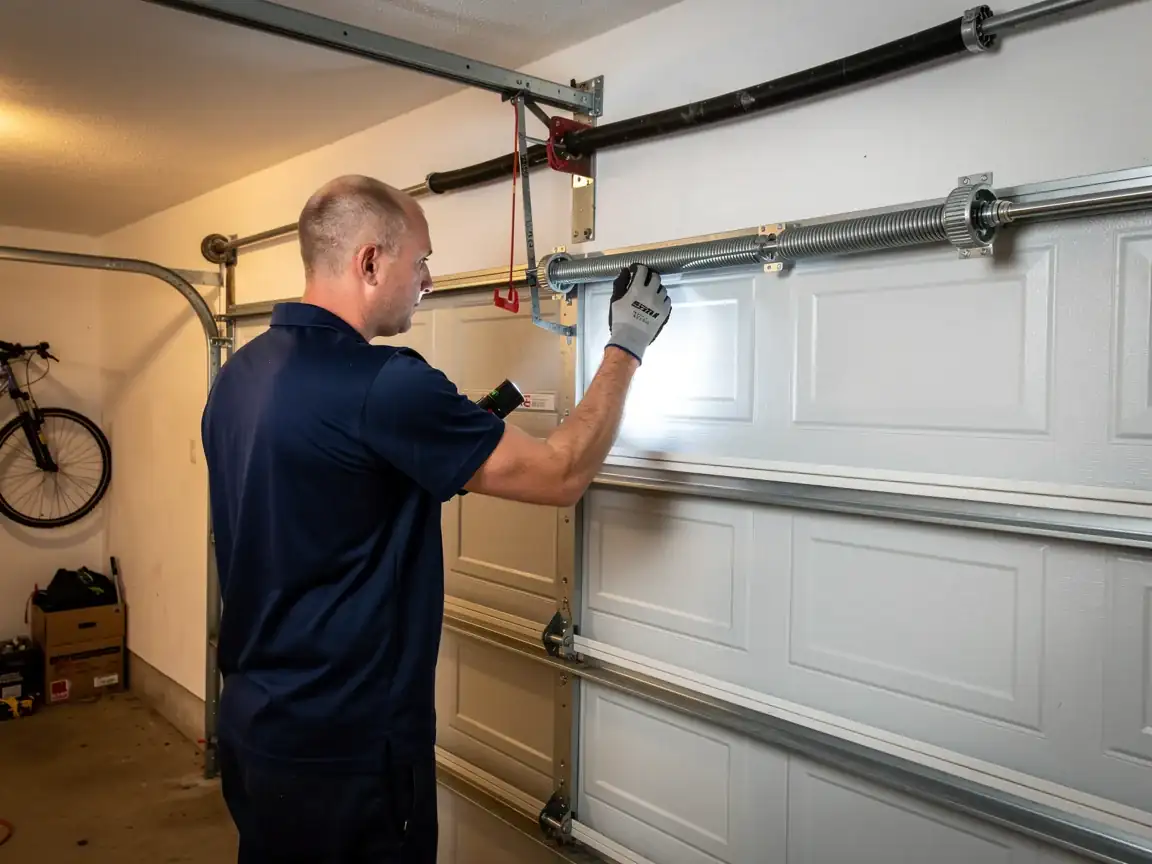
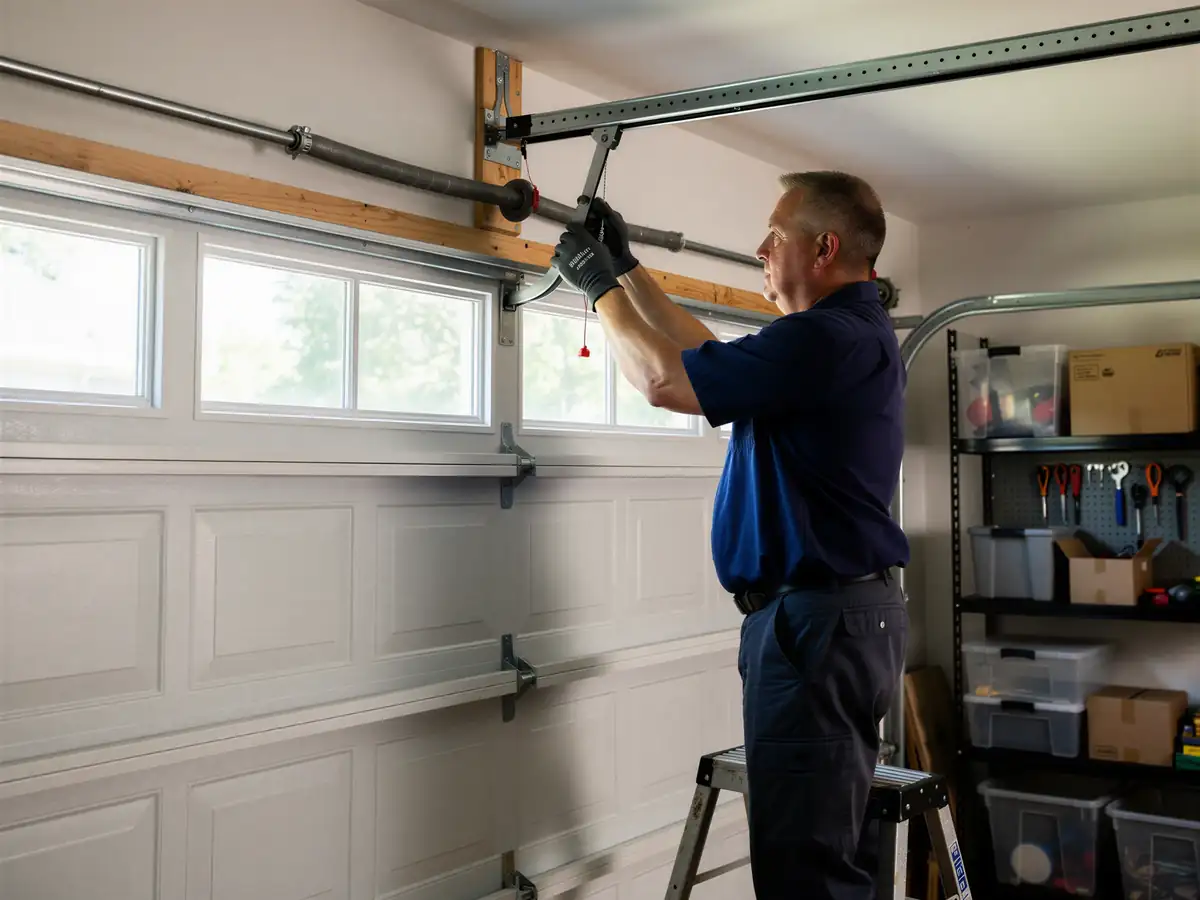
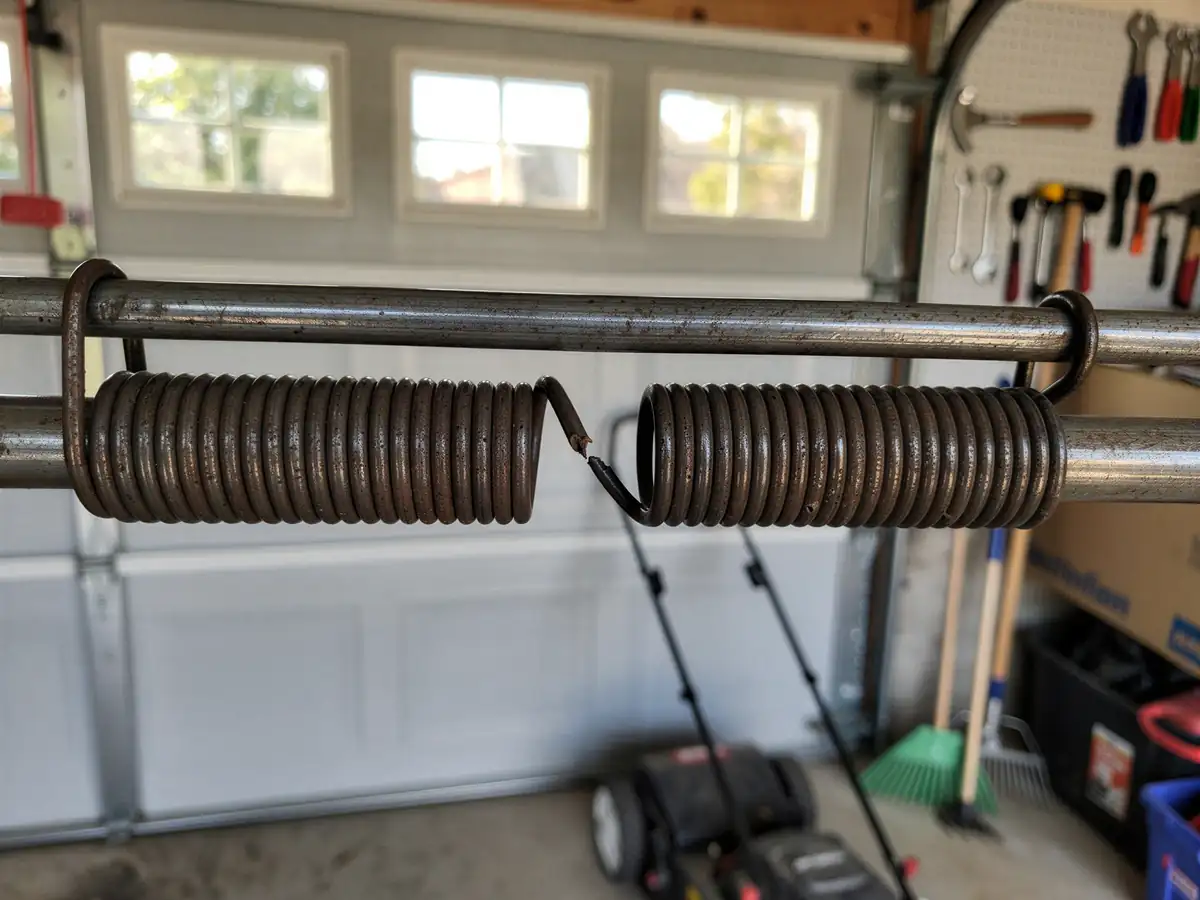
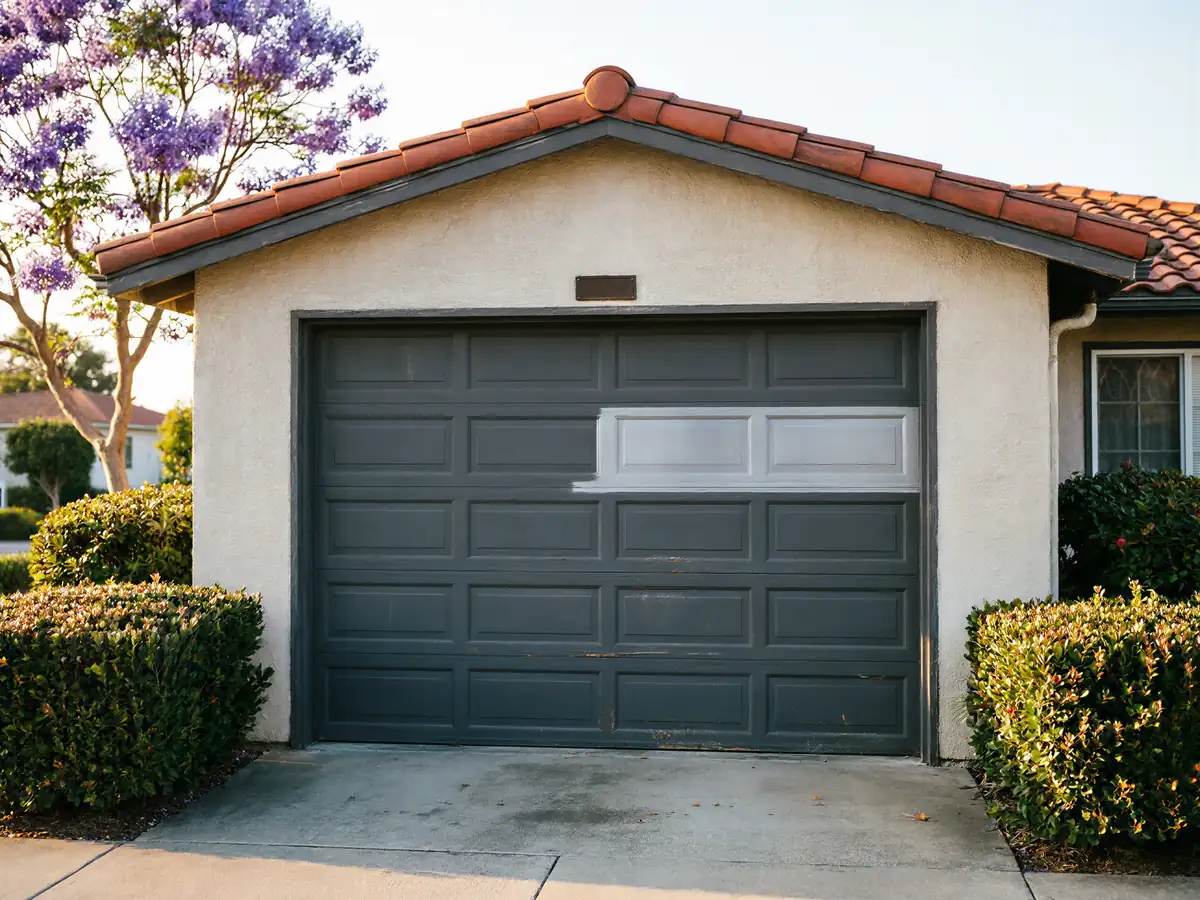
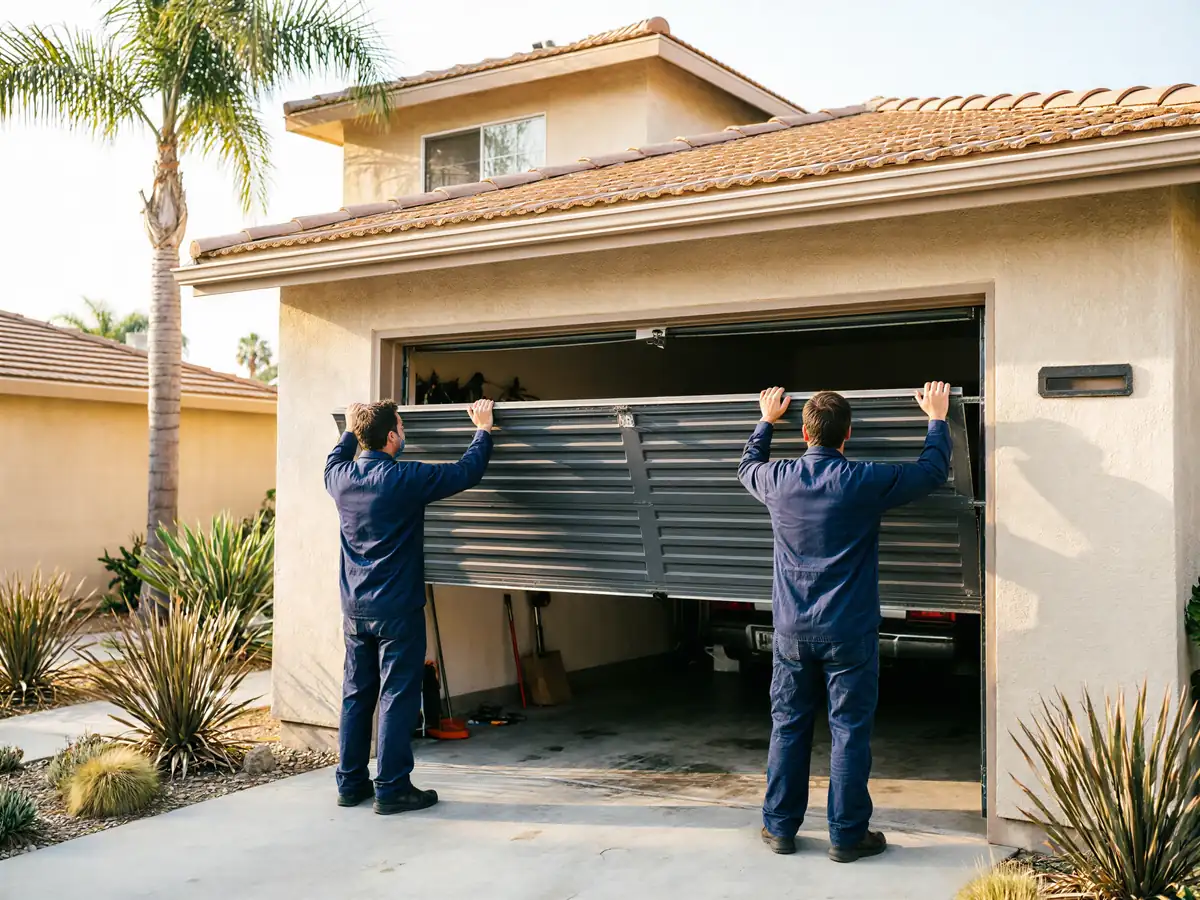
A steel door from the original build that's bowed across the middle, a bottom panel gone soft from years of moisture wicking up off the slab, or a door that still runs but weighs noticeably more to lift than it used to, which usually means the torsion spring is tired, not the opener. None of those are repair jobs worth chasing once the door itself is the problem. If the panel is original to the house, patching one section just delays the same call by a year or two.
Why It Happens Here
Cottonwood's housing stock centers on 1980, the same decade that put a generation of plain steel doors on single-layer construction into garages across this part of the county. Forty-some years on, those doors are at or past the end of their service life at the same time, which is why replacement calls out here tend to cluster by neighborhood build year rather than trickle in one at a time.
The area's roughly 2,545 households sit at a median income of $96,679, close to the wider service area's $95,978 - high enough that most homeowners here replace with insulated steel rather than patch the original uninsulated panel, especially with the region's severe summer heat baking an attached garage all afternoon. An uninsulated 1980s door does nothing to slow that heat gain; an insulated replacement with a sealed bottom astragal does measurably more, which is the upgrade we talk through on the measuring visit, not just a swap of the same door.
What Is on the Truck
For a town built mostly around 1980, the openings we measure are almost always standard 7-foot or 8-foot single and 16-foot double, which keeps most jobs to stock sizes we already carry rather than a custom order. What changes is the spec: insulated steel panels rated for the valley's severe summer heat, heat-rated weatherstrip at the bottom seal, and torsion springs sized to the heavier insulated door rather than the lighter single-layer panel the opening was originally built around.
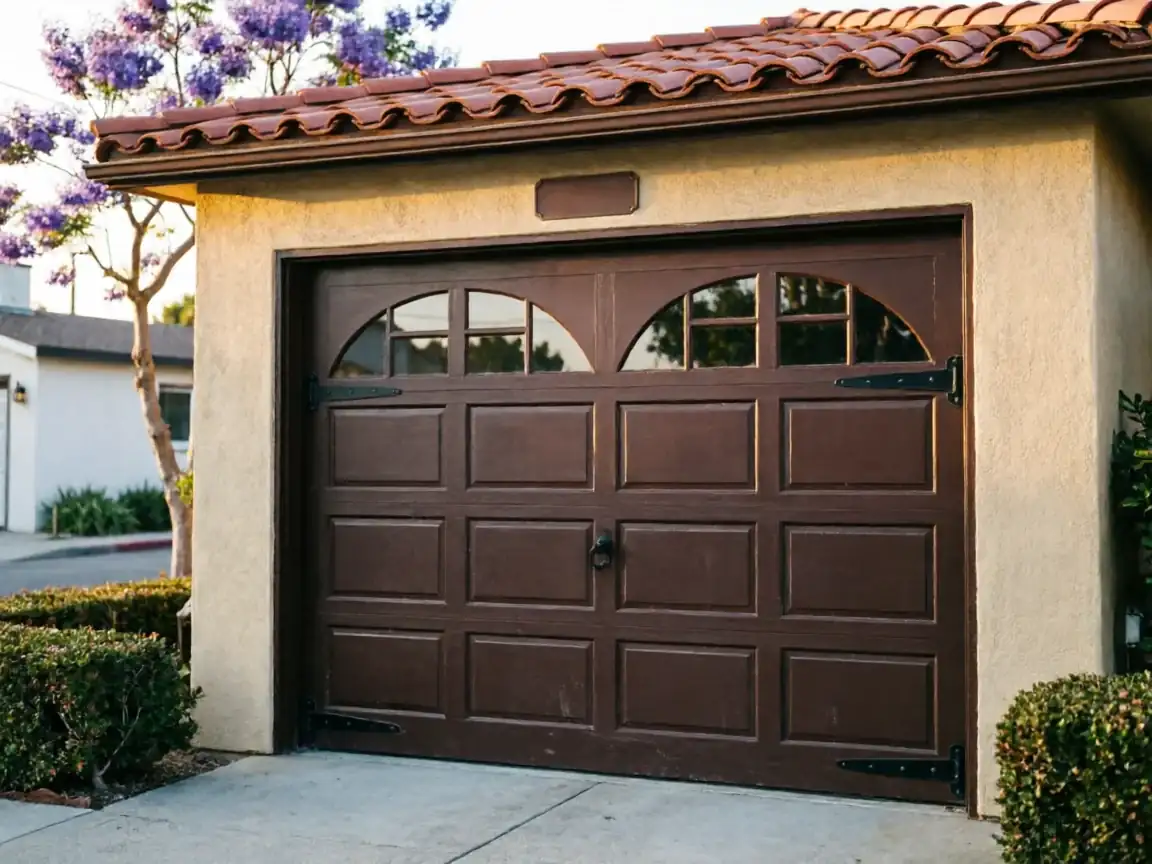
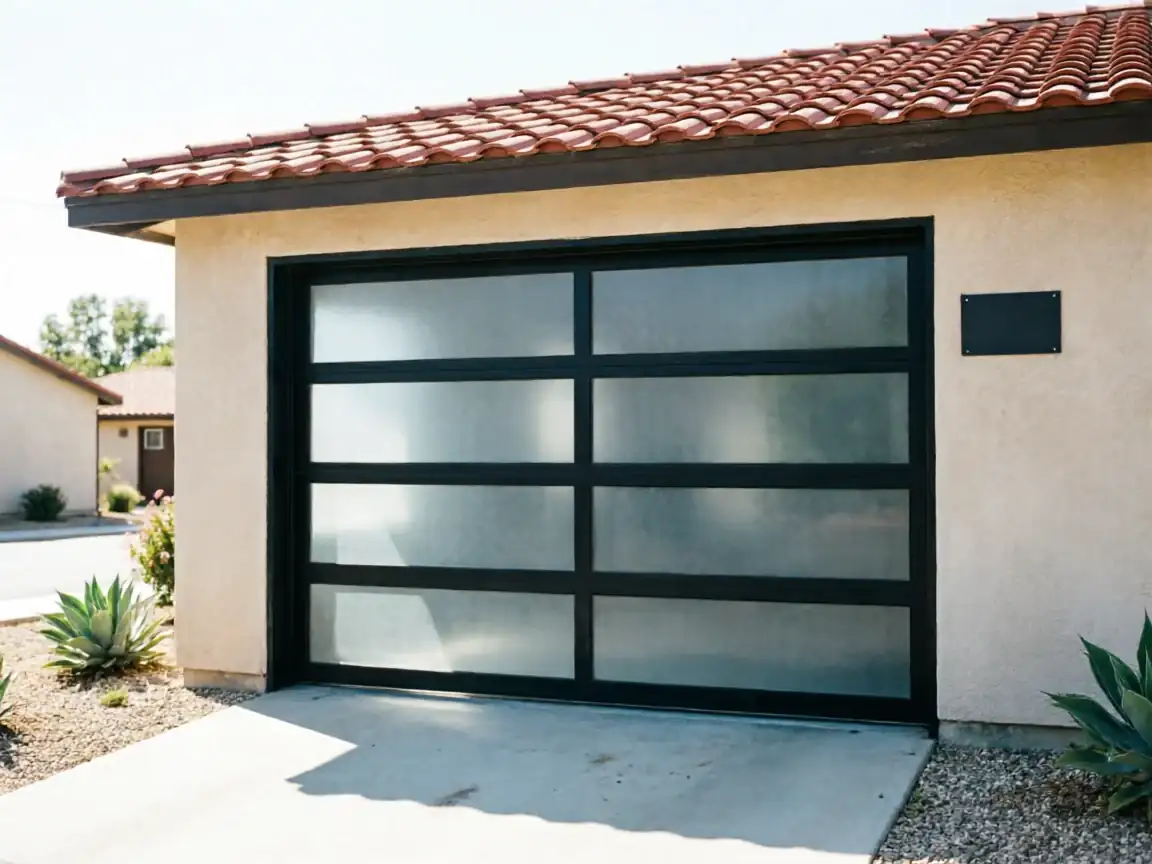
We also carry upgraded end bearing plates and reinforced top sections, since original 1980s jambs weren't always built with a heavier door's wind load in mind. What we don't carry on the truck is every custom color or glass-panel option - those get ordered after the measuring visit, not pulled off the shelf that day.
How We Fix It
First visit is measurement only
Opening size, headroom, track path, and a look at whether the jamb and header can take a heavier insulated door without reinforcement. We check the spring size against the new door's actual weight rather than assume the old spring was ever matched right in the first place, since a lot of 1980s installs weren't.
Second visit is the install
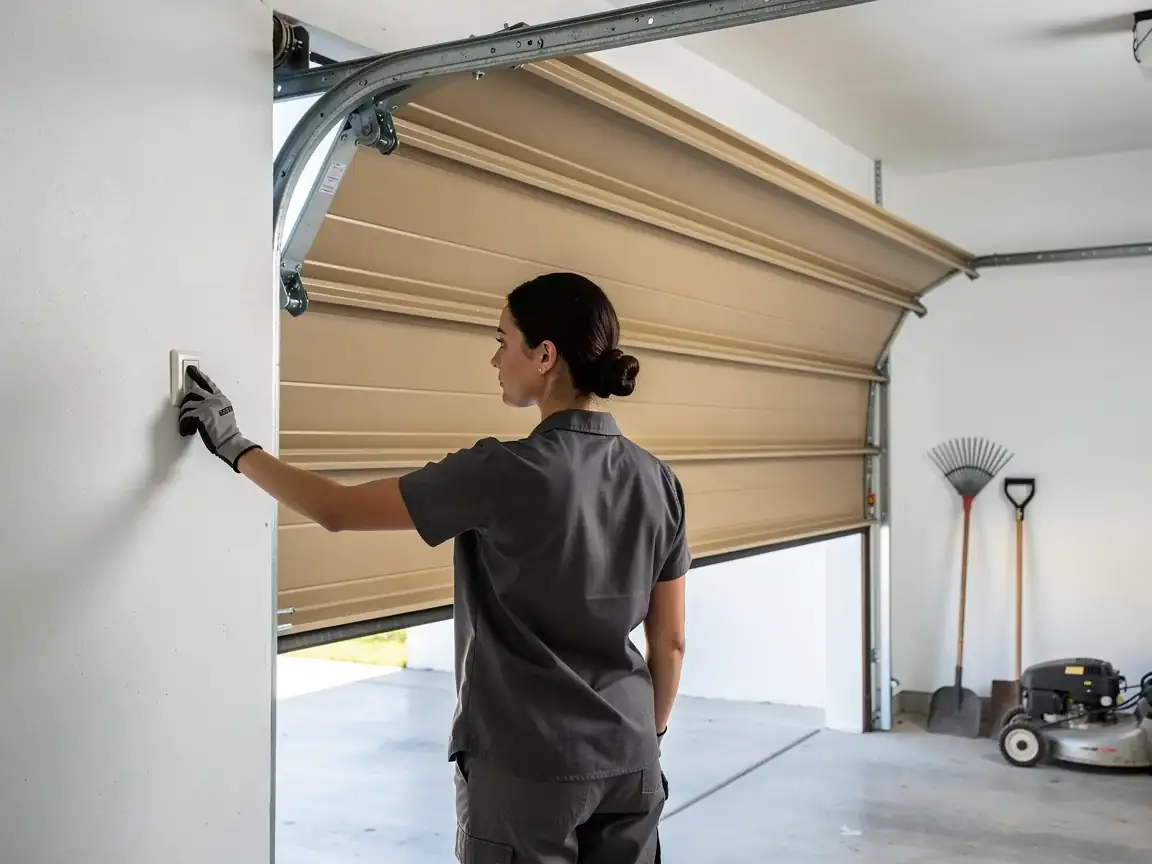
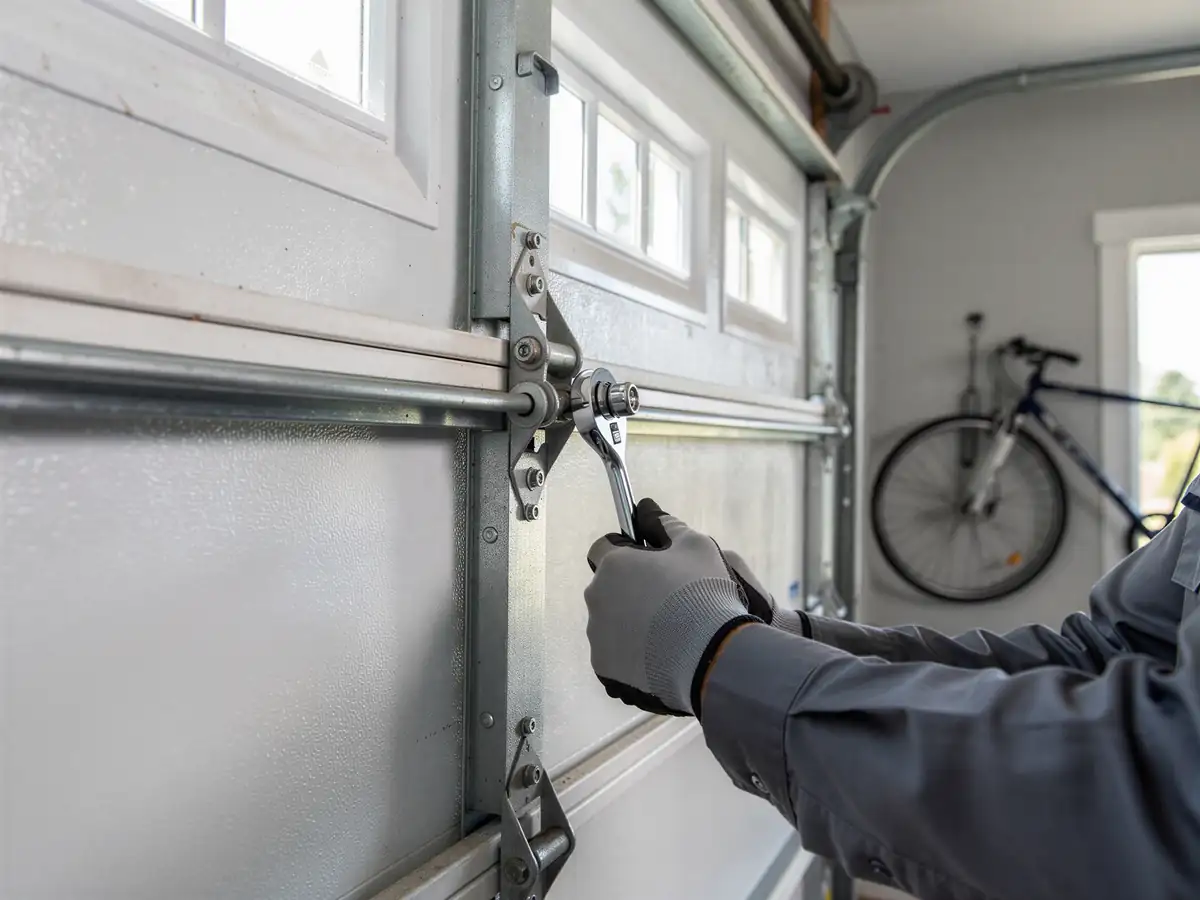
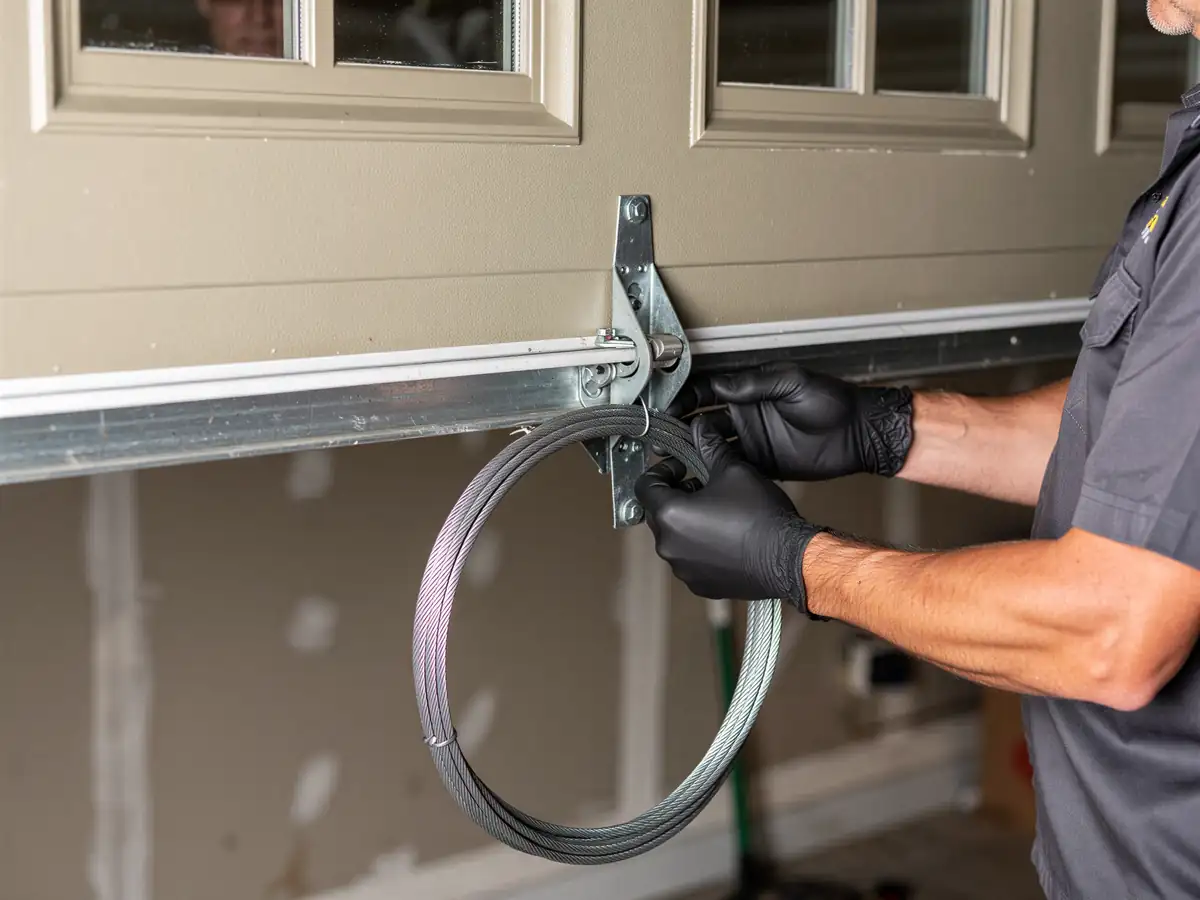
Old door and track out, new jamb brackets set if the framing calls for it, new door hung, torsion spring sized to the new panel's weight, and the whole thing balance-tested before we call it done. Because the crew drives out from Redding rather than staging from a local yard, we don't offer same-day install on the first call; a custom color or a non-standard opening adds order time on top of that. For a stock-size door with no reinforcement needed, the two trips are usually close together.