Why It Happens Here
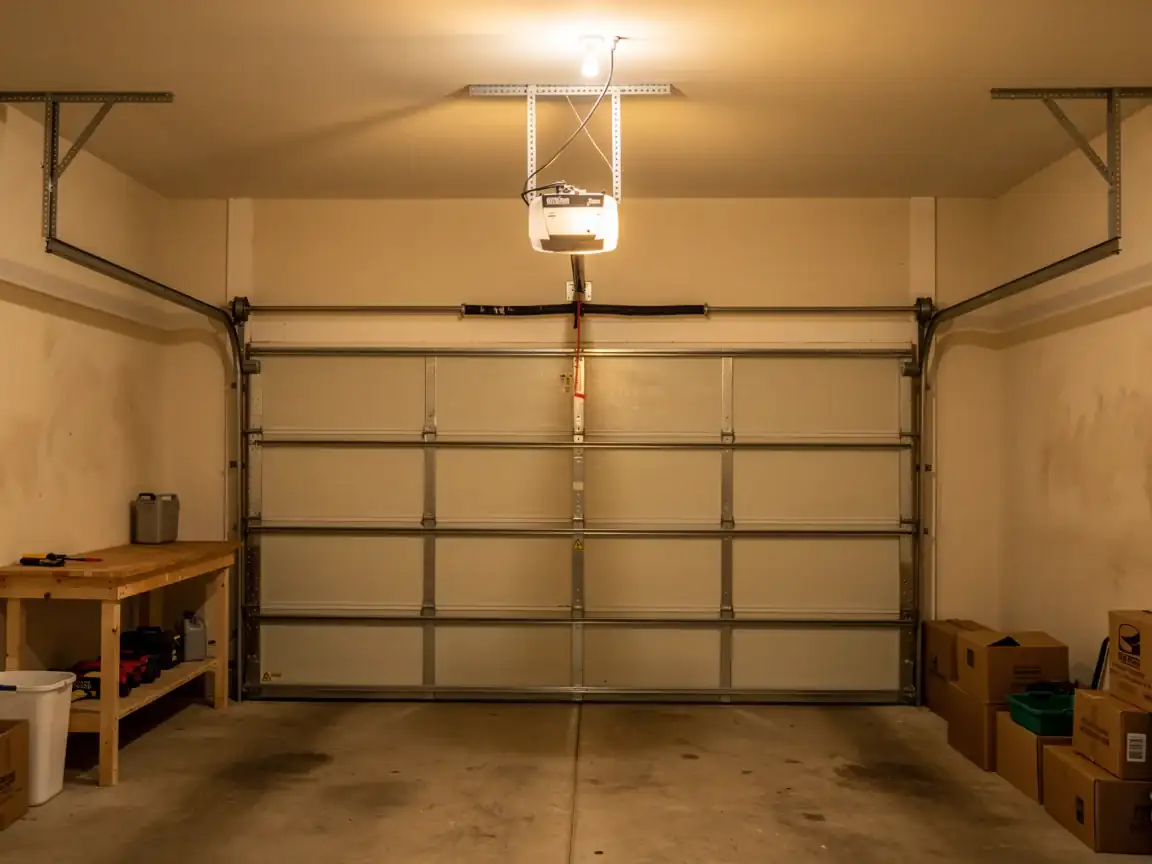
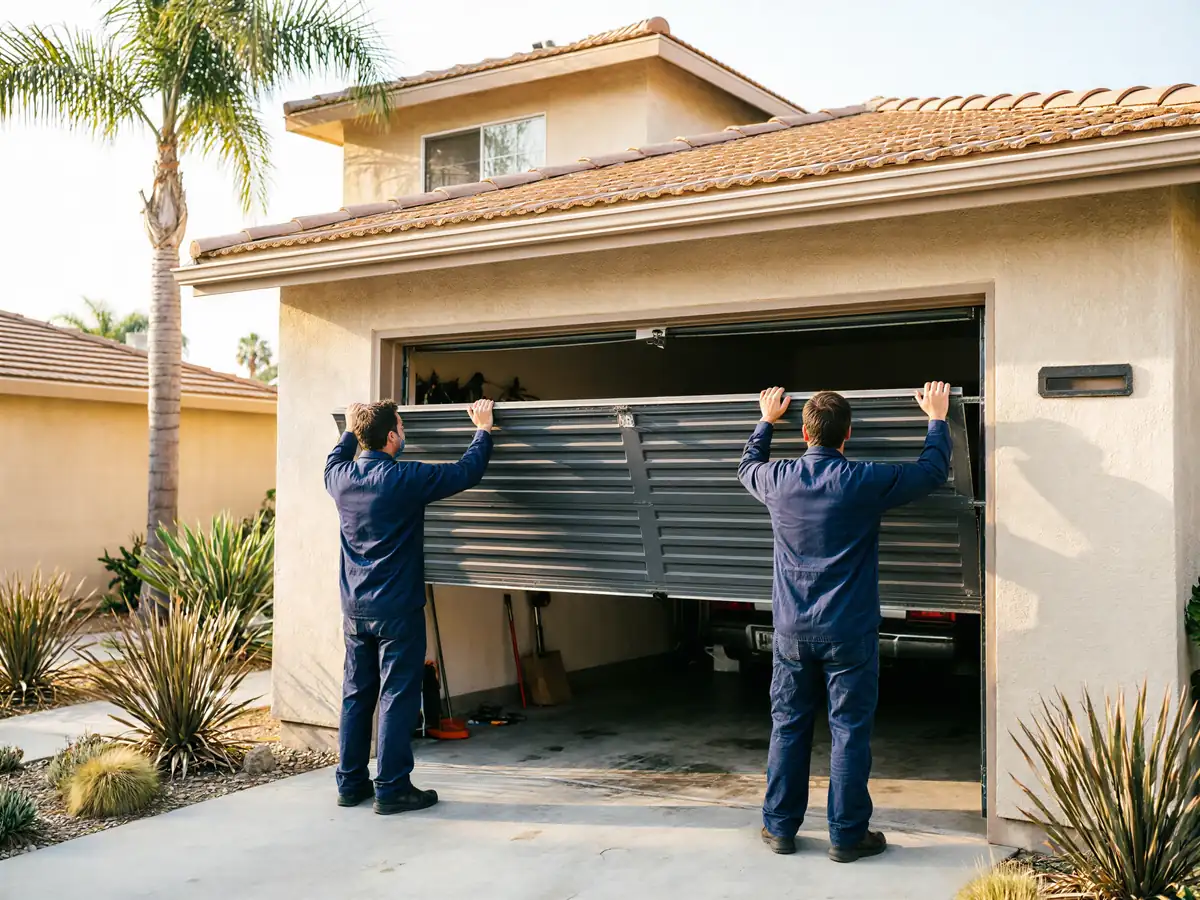
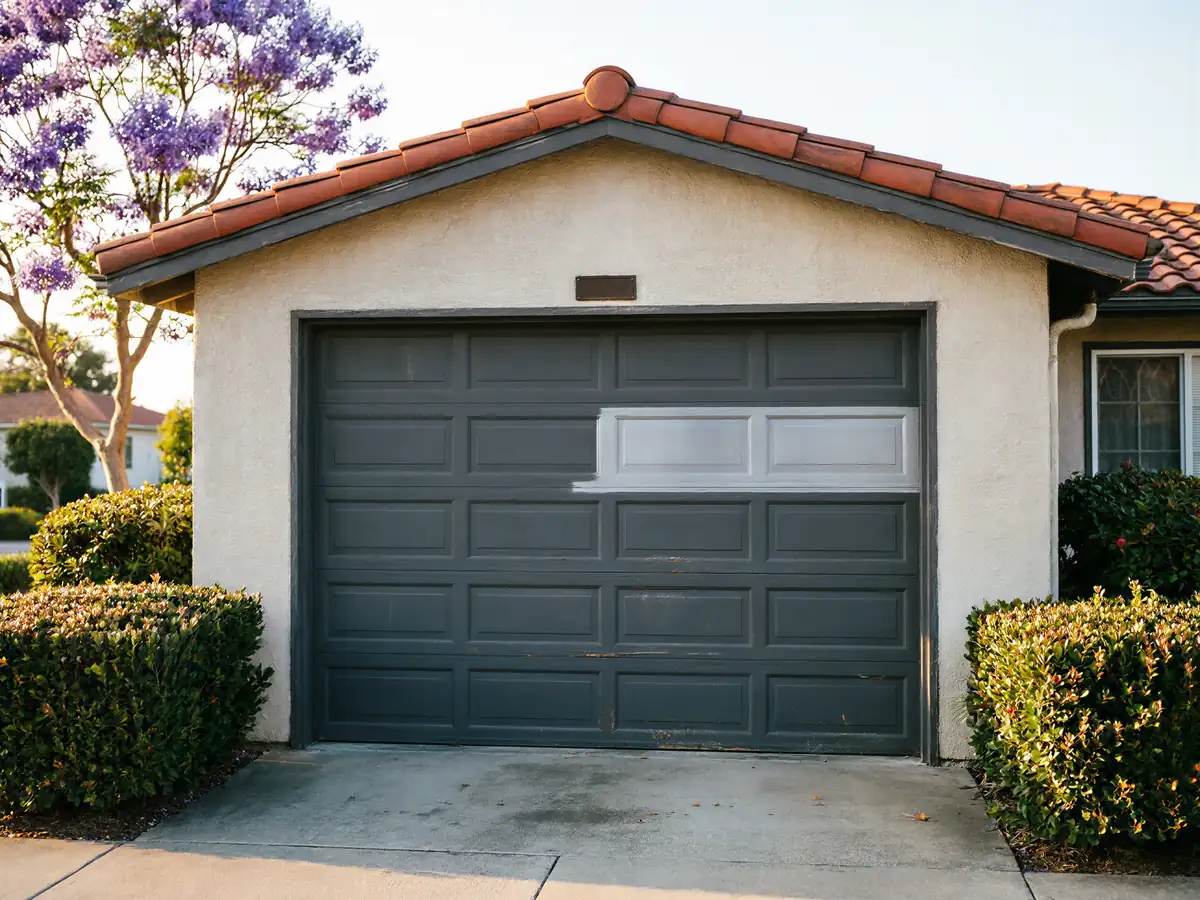
Cottonwood sits in a severe-heat climate band, and that matters more for garage doors than people expect. Steel expands and contracts through summer highs and swings back overnight, and over 40-plus years that cycling fatigues springs and loosens the fasteners holding tracks to the jamb. A door built in 1980 has had four decades of that expansion-contraction cycle, which is a big part of why springs out here fail on a schedule you can almost predict once you know the install year. Garages that face west or get full afternoon sun also see the nylon rollers and plastic idler bearings go brittle and crack years before they would in a shaded or insulated bay. None of this is unique to one house - it's the housing stock as a whole, since Cottonwood's homes cluster tightly around that same 1980 build year. We don't guess at this from a windshield survey; it's consistent with the age and climate numbers for the area.
What Is on the Truck
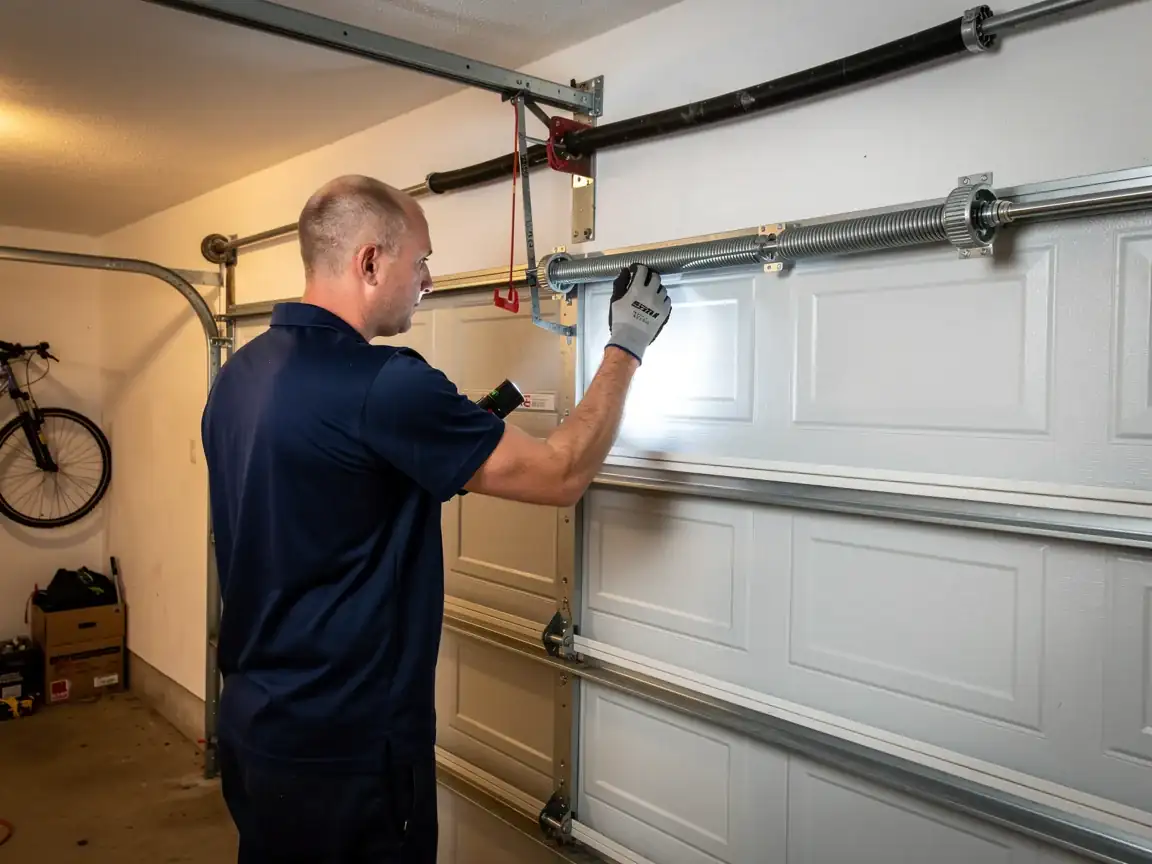
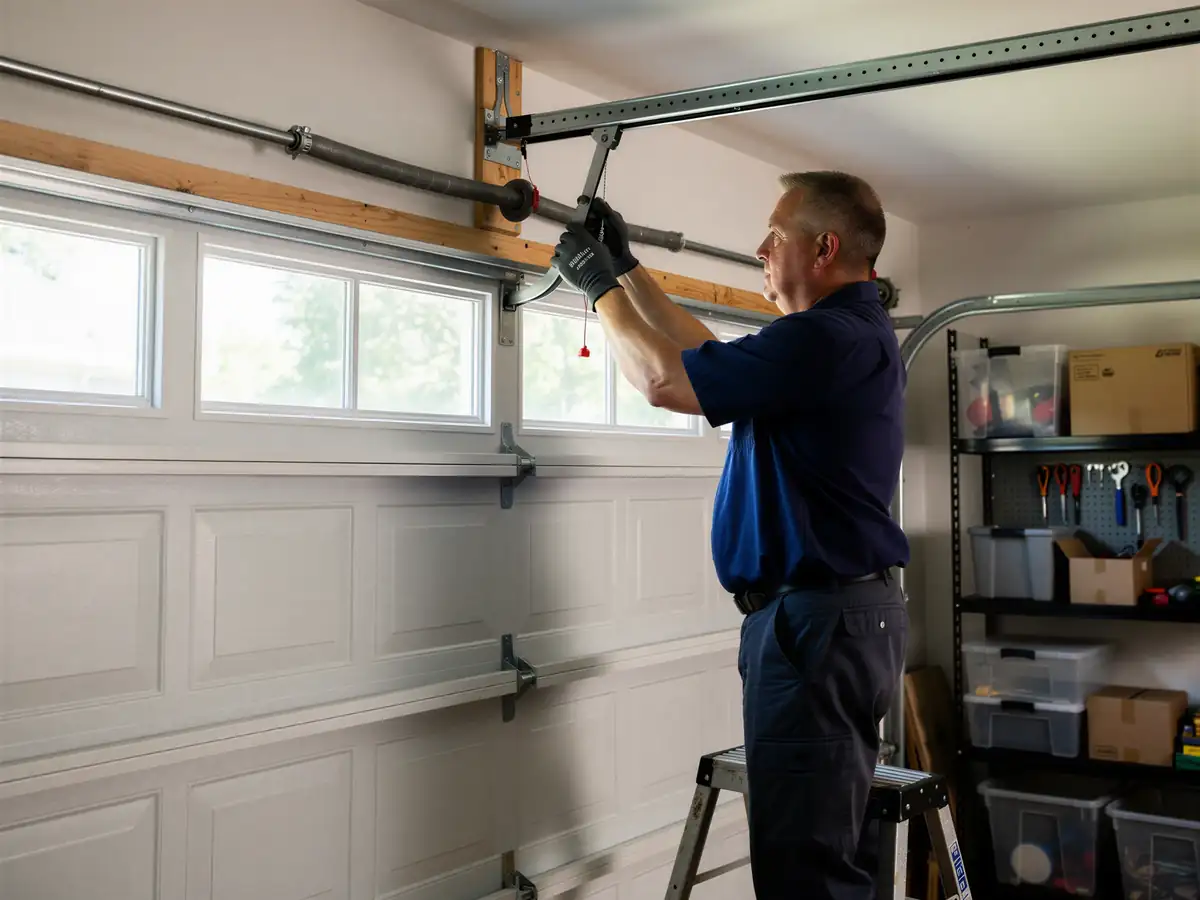
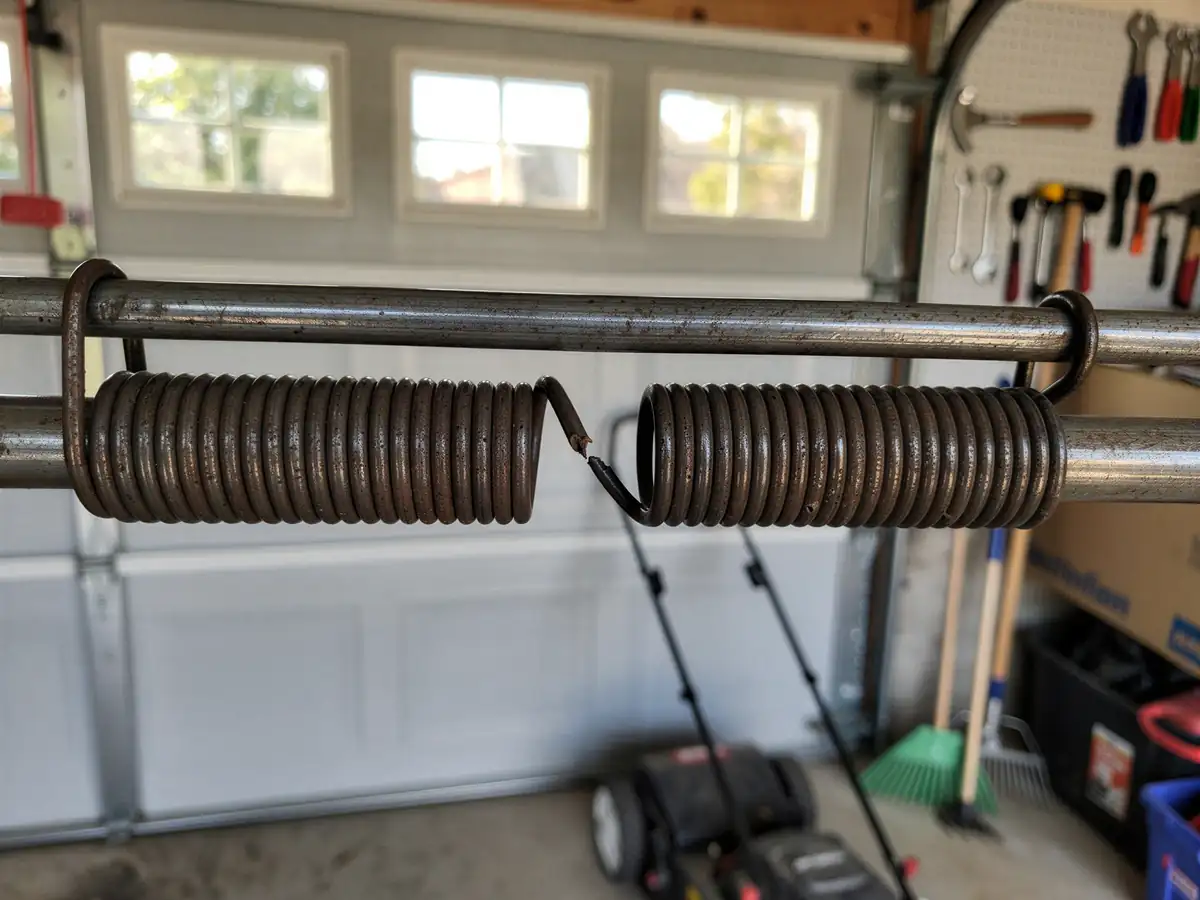
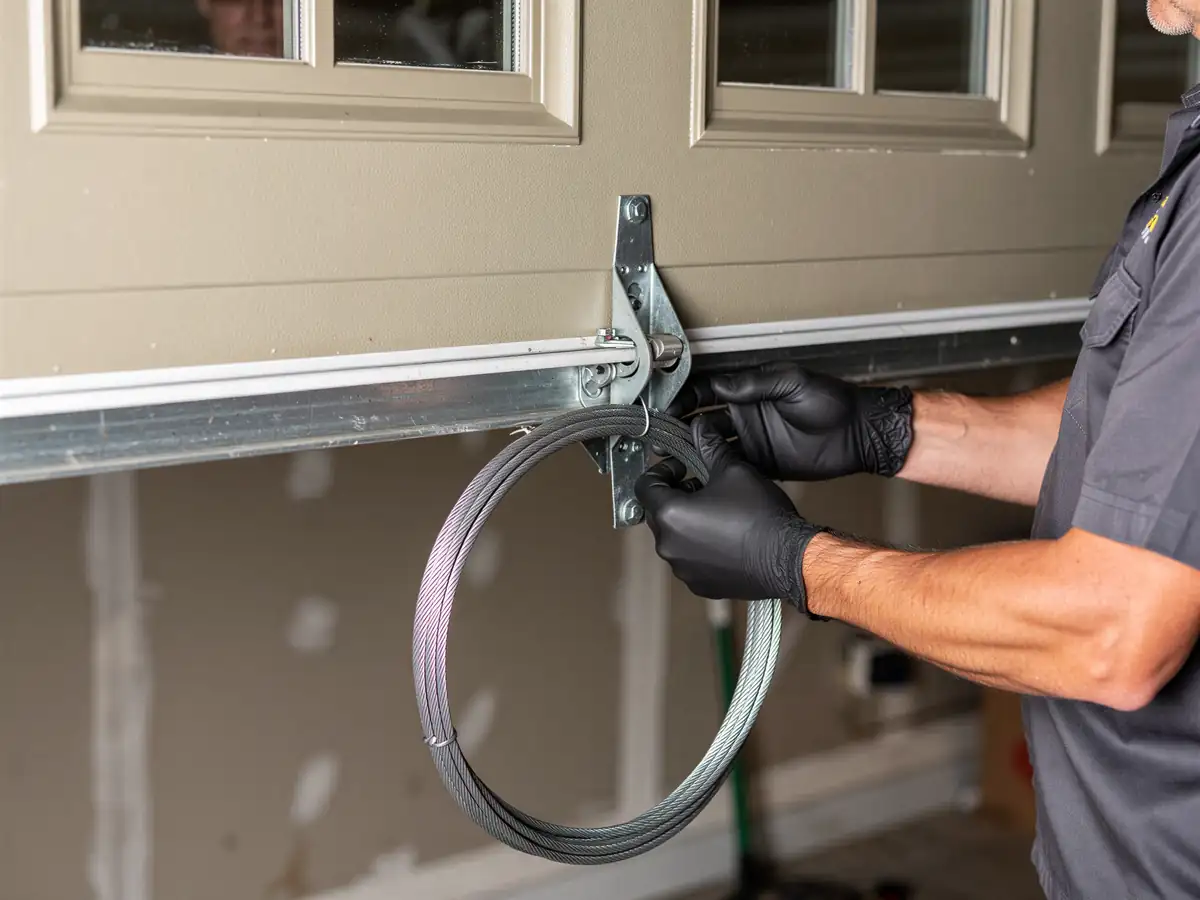
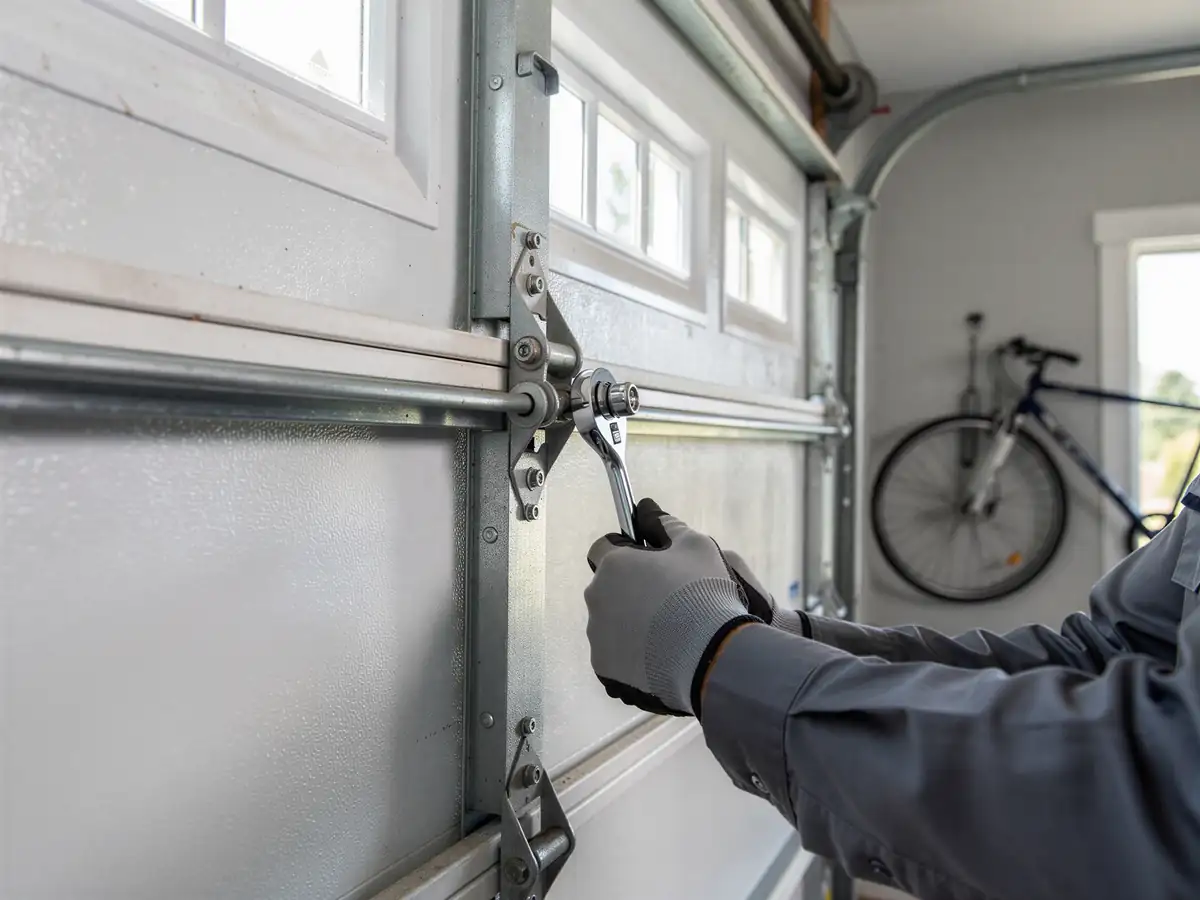
We carry torsion springs sized for the standard 7-foot and 8-foot door heights common in homes from this era, plus extension spring sets for the older setups still running them. Rollers, both steel ball-bearing and nylon, come in several sizes because door weight varies between the single and double openings common out here. We stock standard lift cables, a range of hinges, and the fasteners that heat-cycling tends to loosen first - track bolts and jamb brackets. What we don't carry on the truck is custom-width doors or insulated replacement panels matched to a specific older model; those get special-ordered, and if your door needs one, that's a return trip, not a same-visit fix. We're honest about that upfront rather than promising a part we don't have in the truck.