
The Symptom
Cottonwood's median household income sits at $96,679
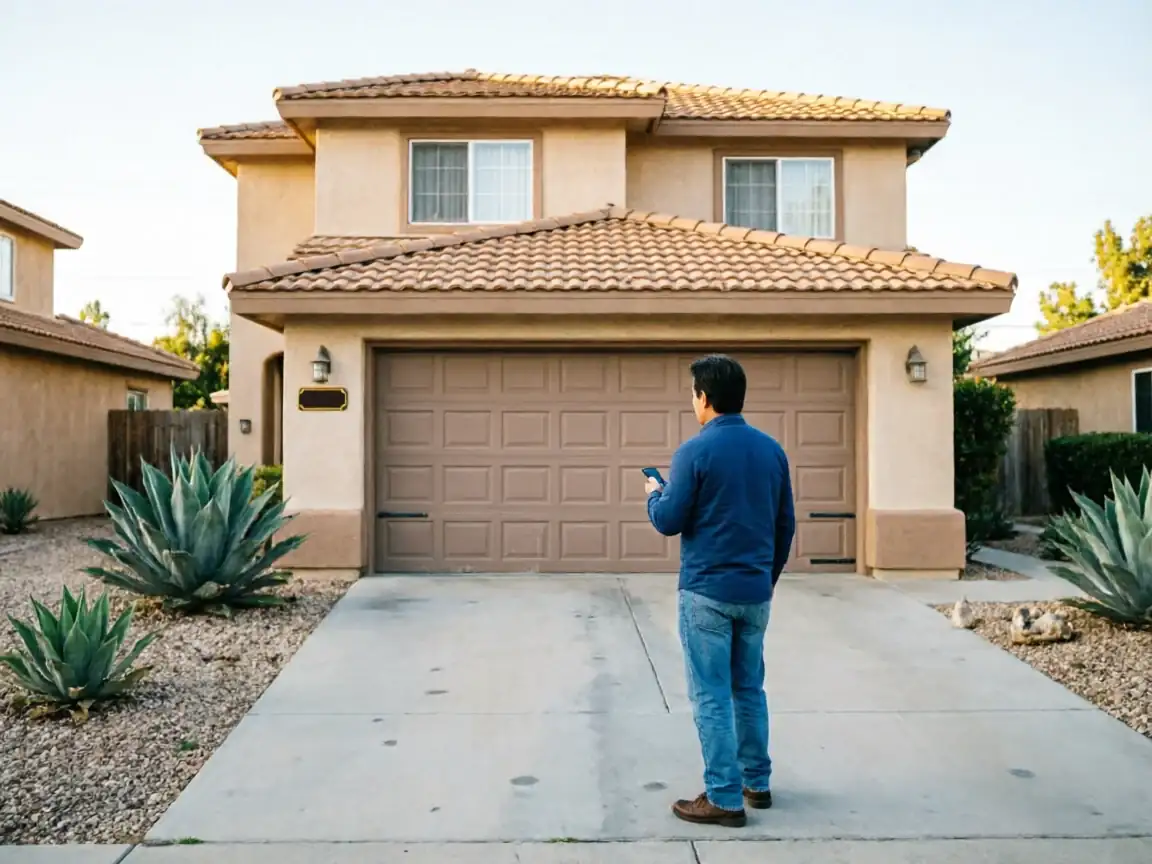
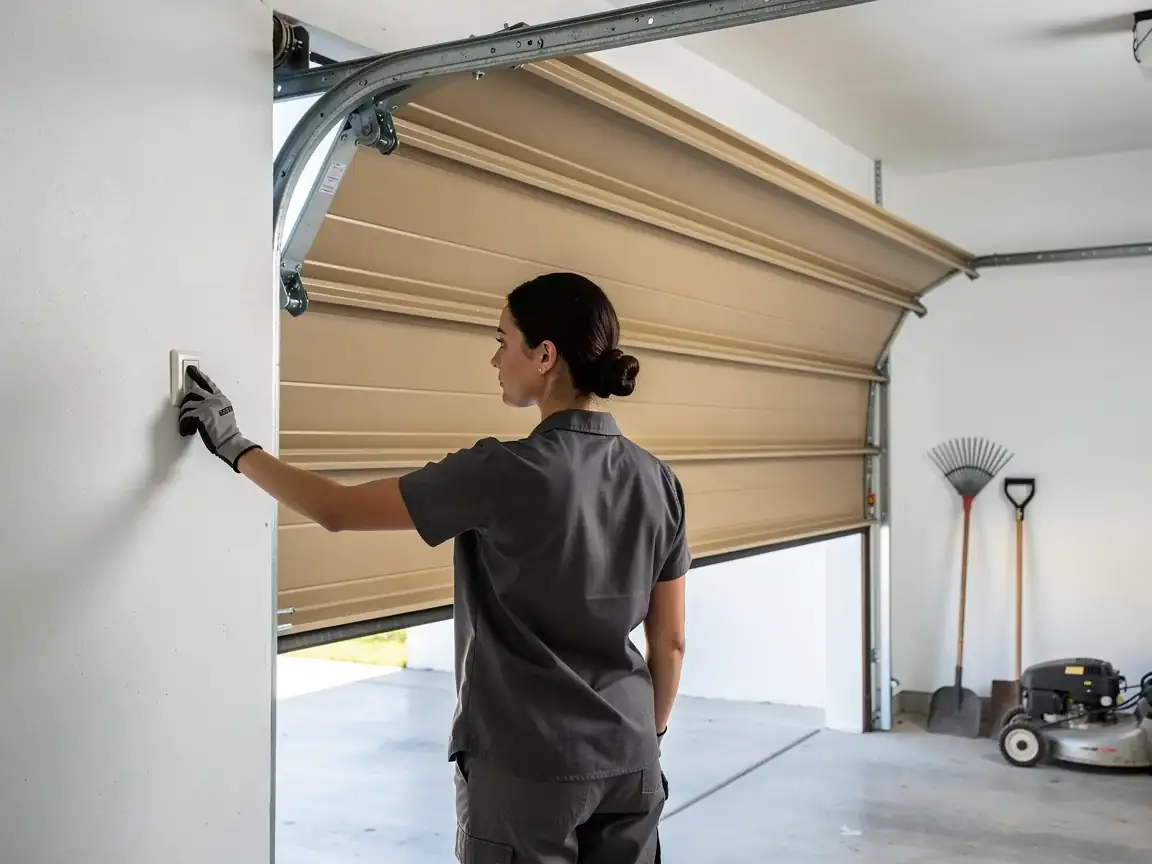
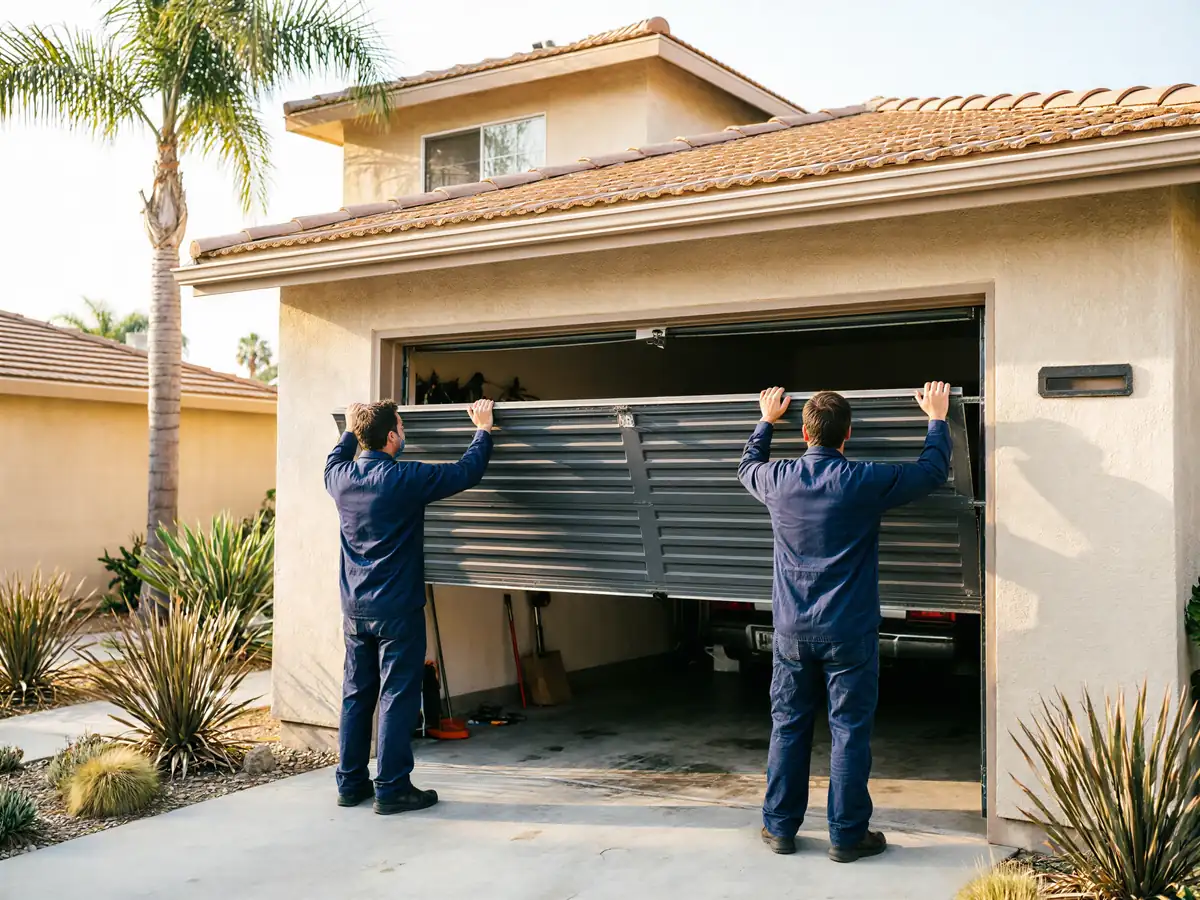
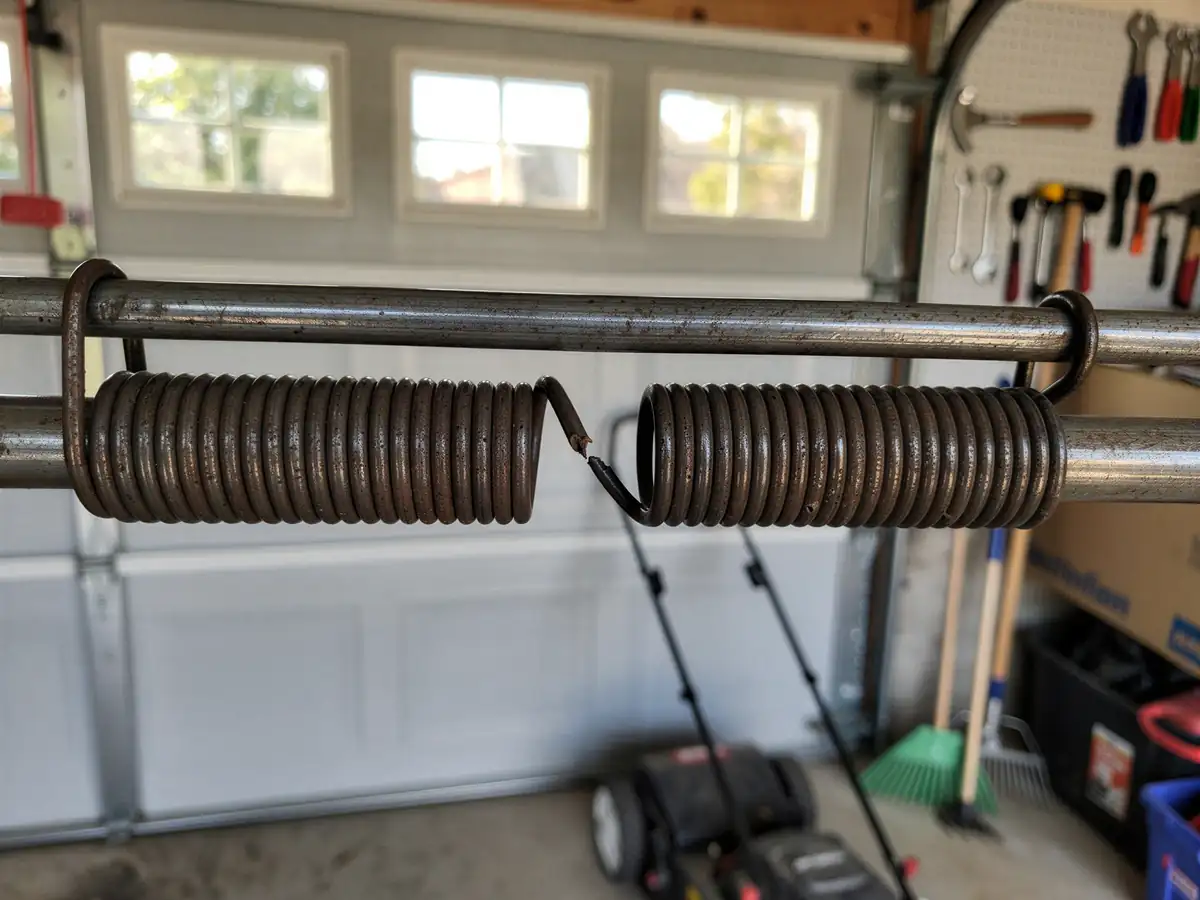
Which matters more than it sounds like it should when a spring snaps at 6pm on a Friday. At that income level, a $300-$600 spring or cable repair is an annoyance, not a crisis - but a full door replacement, especially on a double-wide opening, is a decision most households here want to make on their own schedule, not because the door is stuck shut with the car trapped inside. We see Cottonwood calls split pretty evenly between the door that won't open (broken spring, snapped cable, opener gear stripped) and the door that won't close all the way (track knocked out of alignment, sensor misaligned, roller jumped the rail). Both feel like emergencies in the moment. Only one of them usually is.
- $96,679 median household income
The practical question we ask on the phone is simple
Is the opening secure right now, and is a vehicle trapped. If yes to either, we treat it as urgent. If the door is just noisy or slow, it can usually wait for a scheduled slot instead of a dispatch from Redding.
Why It Happens Here
Cottonwood's housing stock runs older on average than the newer subdivisions closer to Redding - the median year built here is 1980, which puts a meaningful share of doors and openers at or past the end of their working life. A torsion spring rated for roughly 10,000 cycles doesn't care how well it was installed in 1980; it breaks on cycle count and heat exposure, not on a calendar. This area sits in a severe-heat climate band, and repeated summer expansion and contraction on galvanized spring wire accelerates fatigue cracking faster than it would in a milder zone. That's not a Cottonwood-specific metal, but it's a Cottonwood-specific exposure, given how many of the doors here are original to a 1980-era build.
The other recurring issue is hardware mismatch. A homeowner replaces a worn opener over the years but keeps the original track and spring system, or vice versa, and the parts end up fighting each other under load. On a house with 40-plus years on the original frame, that mismatch shows up as a door that labors, reverses randomly, or drifts off-track after only moderate use.
What Is on the Truck
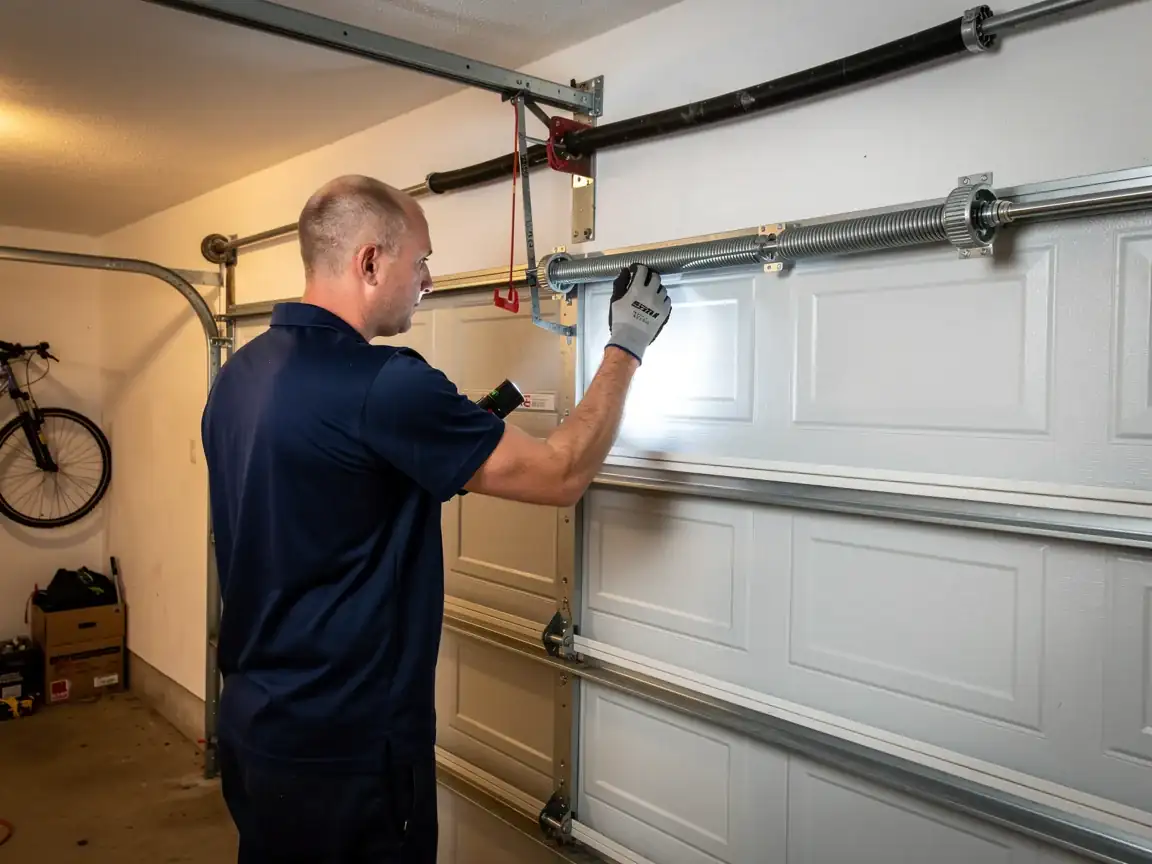
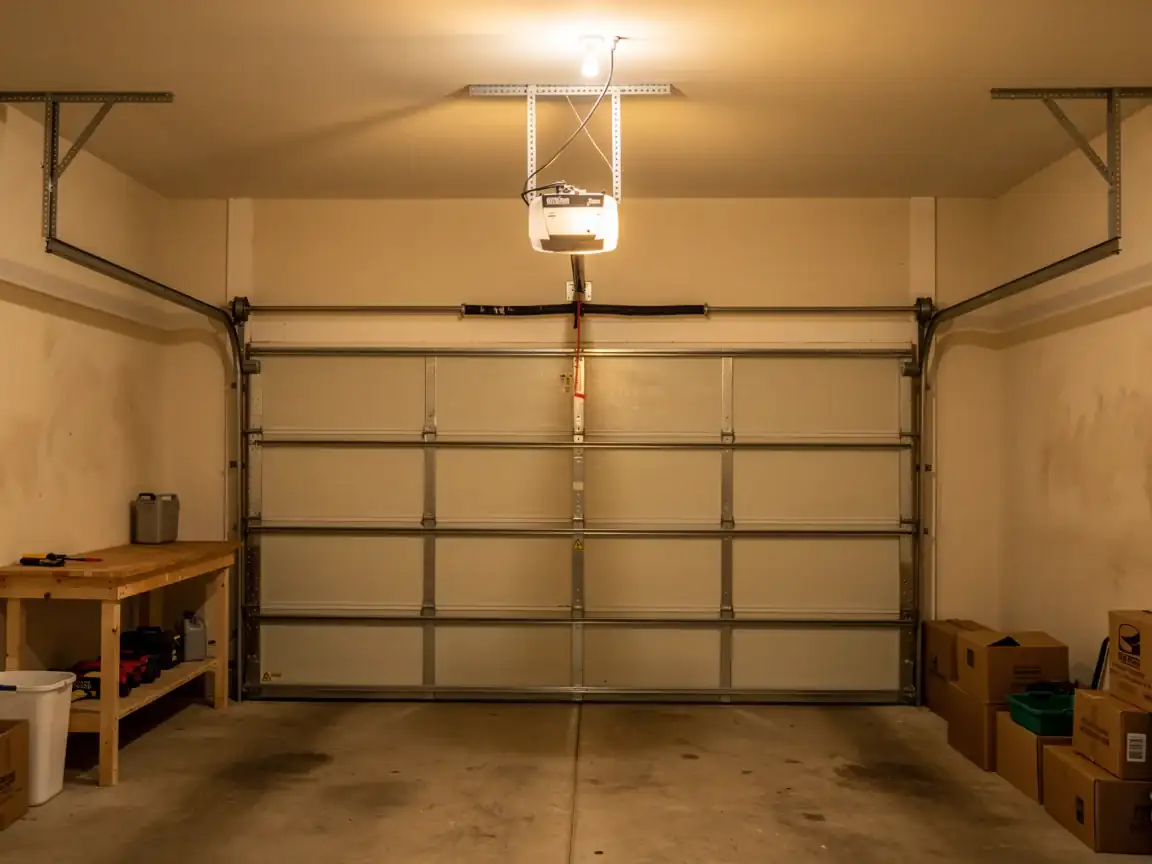
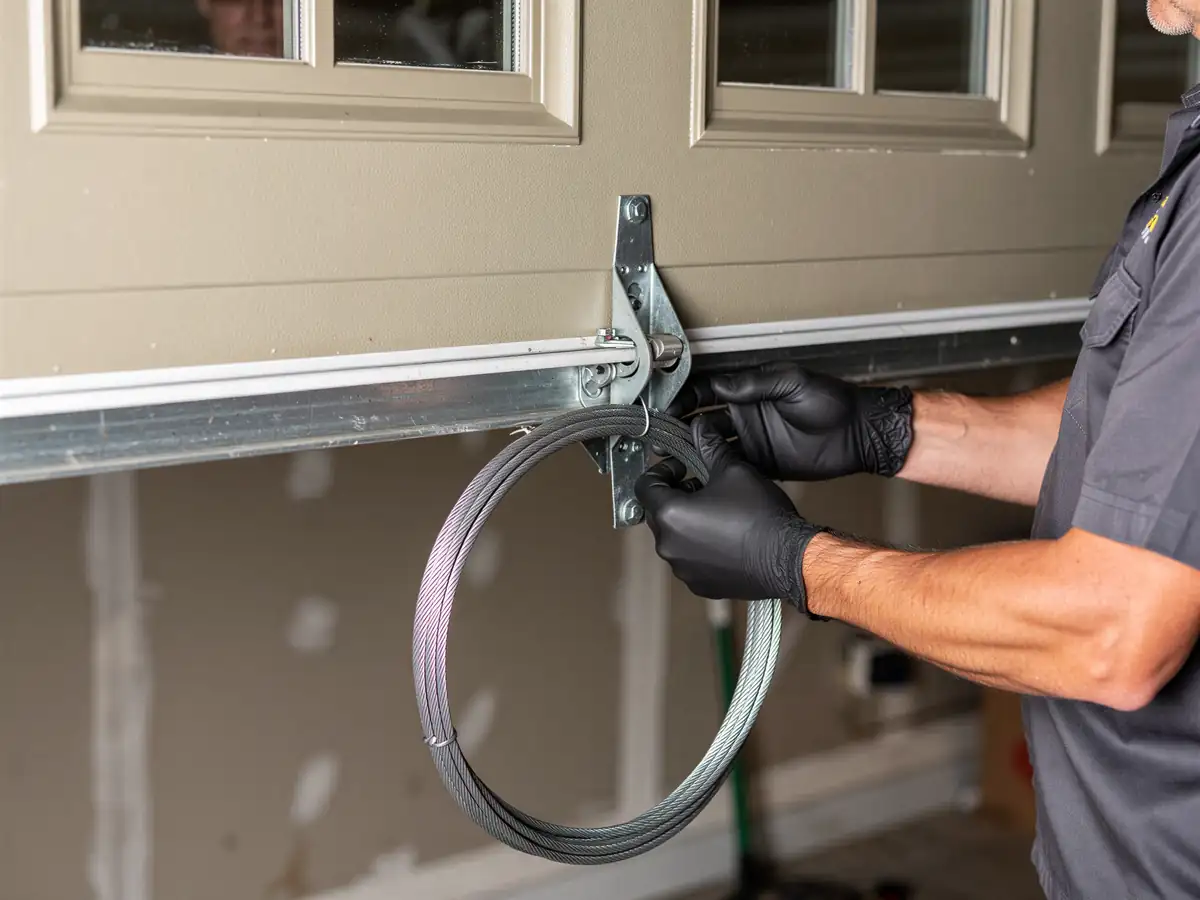
For the drive out from Redding - 13 miles each way - we stock the parts that fail most on 1980s-era residential doors: standard torsion and extension springs in common residential sizes, galvanized lift cables, nylon and steel rollers, and universal opener logic boards and gear kits that fit the majority of openers installed in that build era. We also carry track hardware and hinges, since misaligned track is one of the most common Cottonwood calls that turns out not to be a spring at all.
What we don't carry on every run is a replacement for every obscure or discontinued opener model. Some units from the 1980s and early 90s used proprietary drive systems that the manufacturer no longer supports, and in those cases the honest fix is a modern opener swap rather than chasing a part that doesn't exist anymore. We'll tell you that on the spot instead of charging you for a search that won't end.
How We Fix It
On a jammed-shut or stuck-open door, the first move is always safety
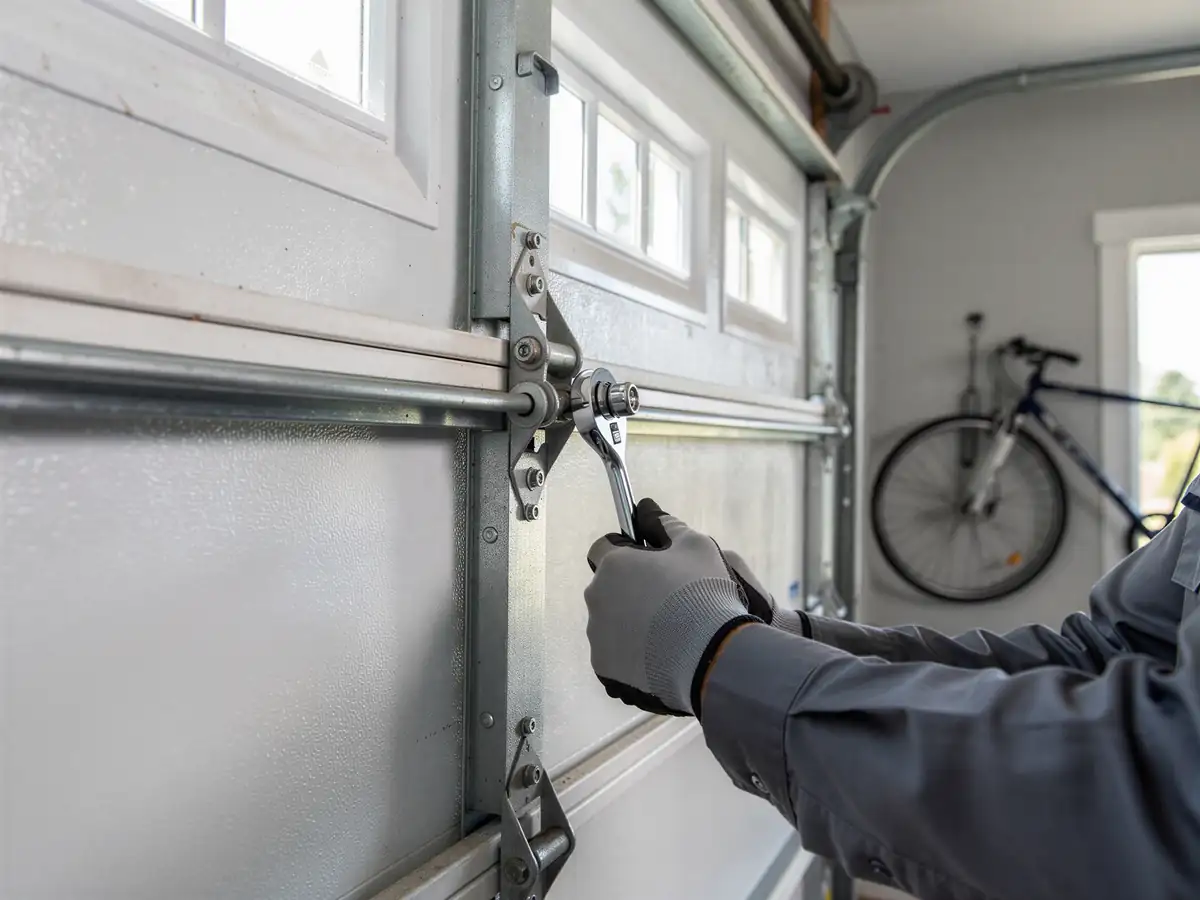
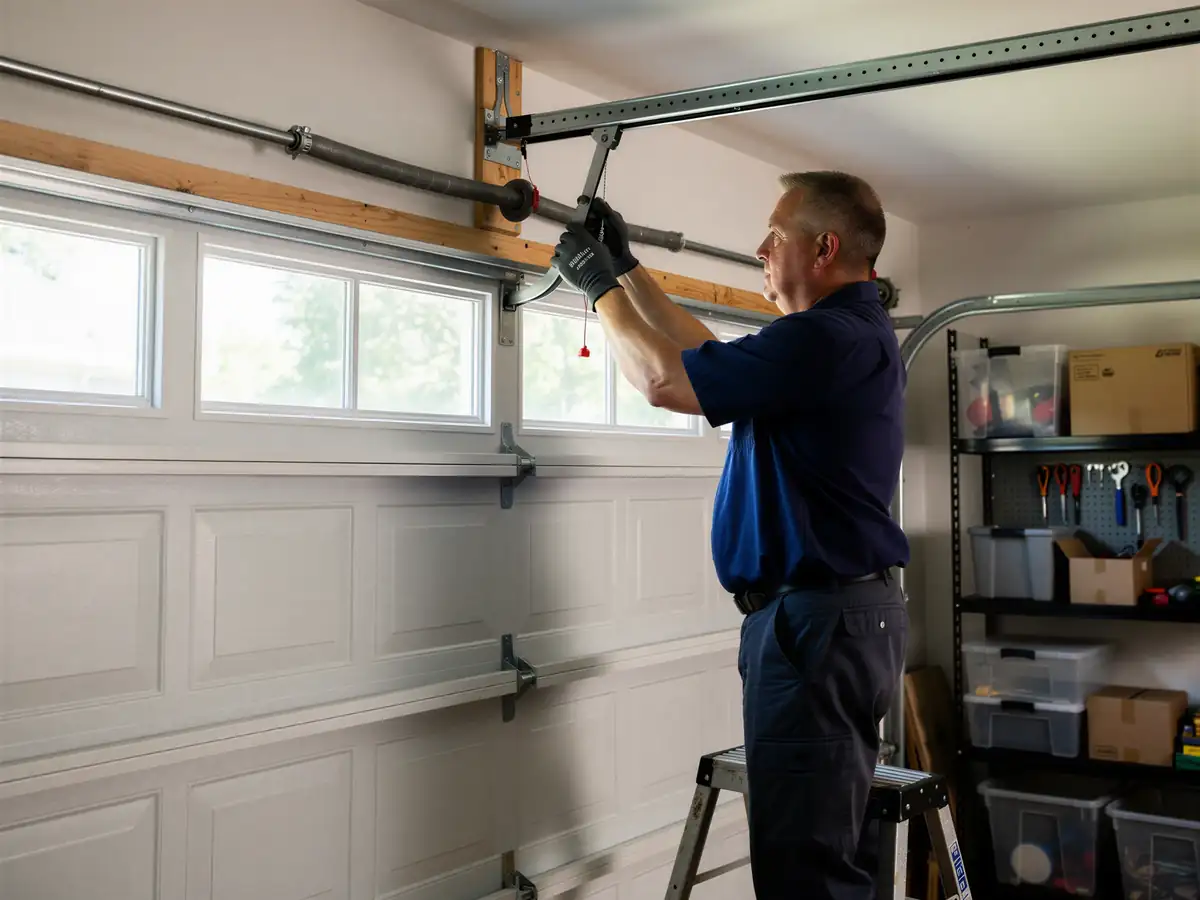
We secure the opening manually before touching any spring or cable under tension. From there it's diagnosis - spring, cable, track, or opener - and a repair quote before any work starts, so you're not guessing at cost on top of an already bad day.
For most Cottonwood calls, the repair is a spring or cable swap, a track realignment, or an opener board replacement
And the door is back in working order the same visit. Where the math doesn't favor repair - an opener that's dead and discontinued, or a door with enough age and rust that a second failure is weeks away - we'll say so plainly rather than patch it and have you calling again. At a household income level where a full door replacement is a real line item, you deserve that number up front, not after the fact.