Can You Do This Yourself
The fault we see most in Shasta Lake isn't a dead motor - it's a mismatch
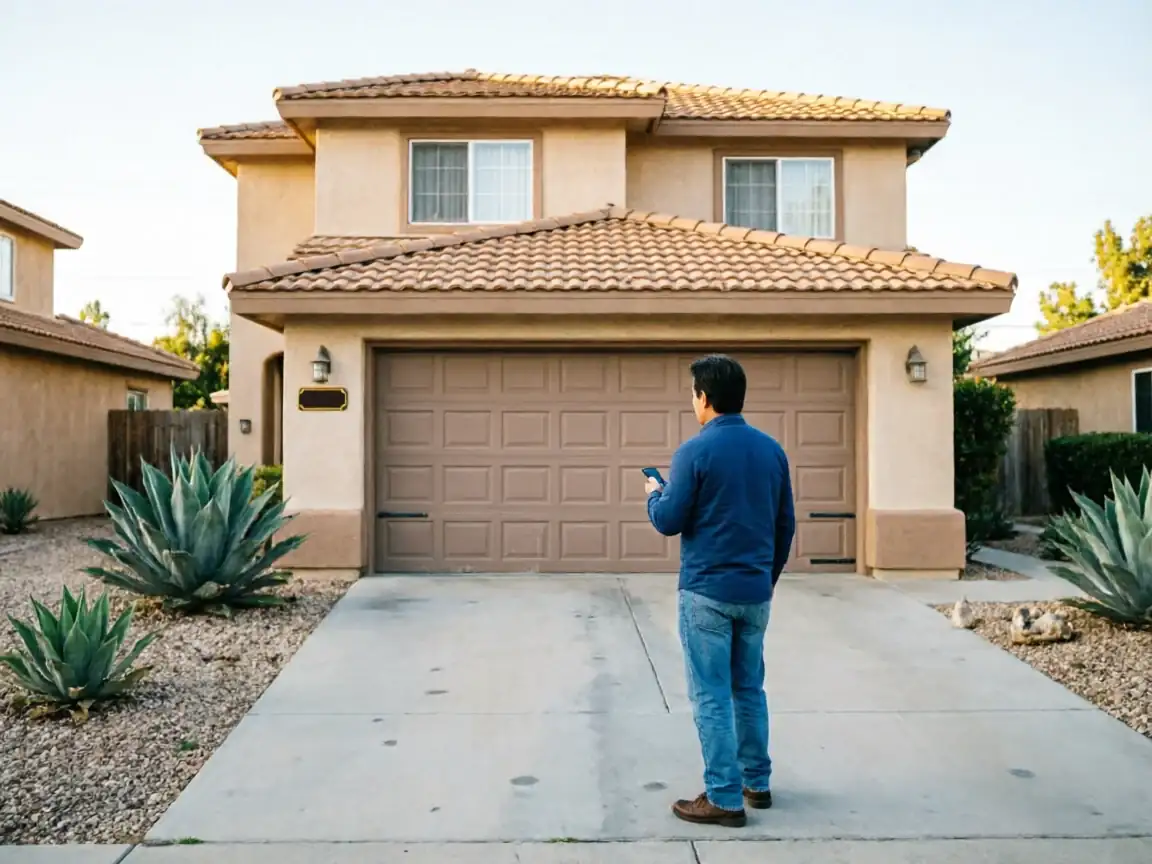
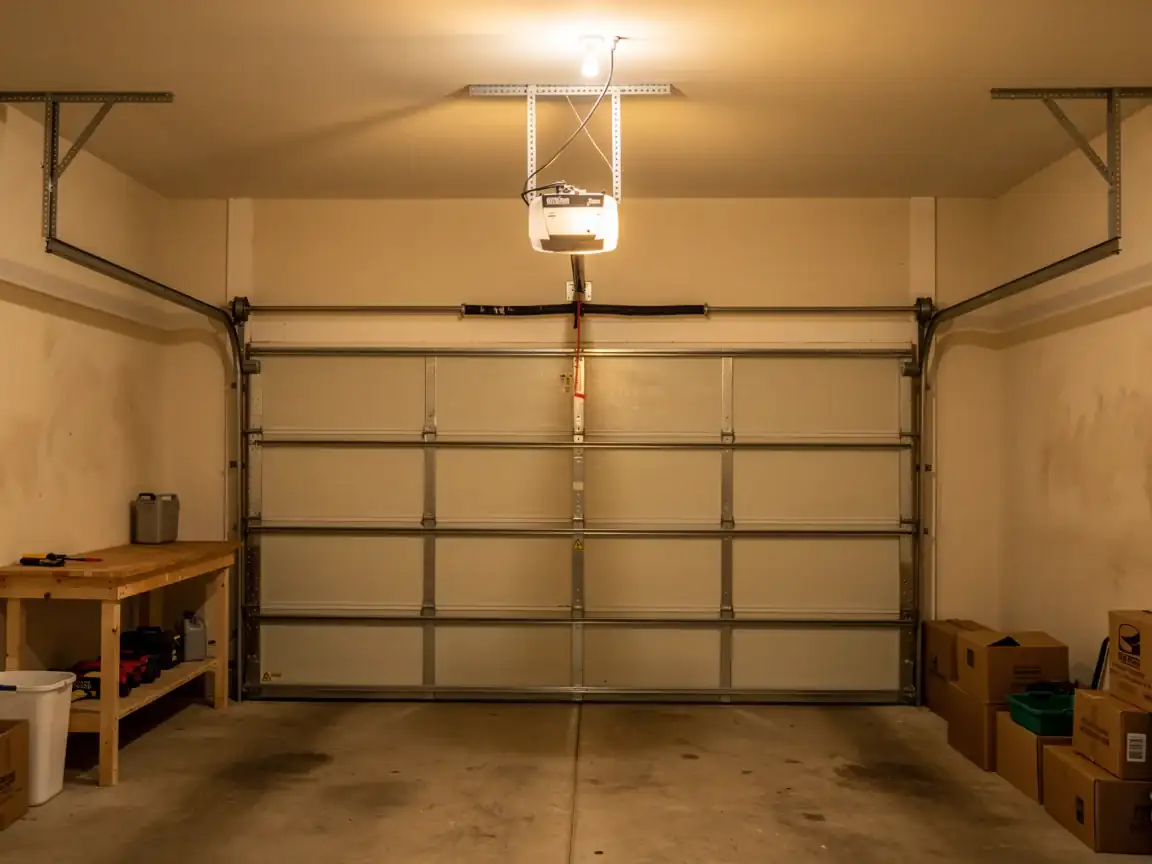
Most houses in this town went up around 1981, built with lighter chain-drive openers sized for the original wood doors. Plenty of those doors have since been swapped for heavier insulated steel panels, and the old opener drive is still back there trying to lift weight it was never rated for. That's what burns out a motor in two years instead of fifteen.
Swapping the unit yourself means more than unboxing a new opener and bolting it to the same bracket
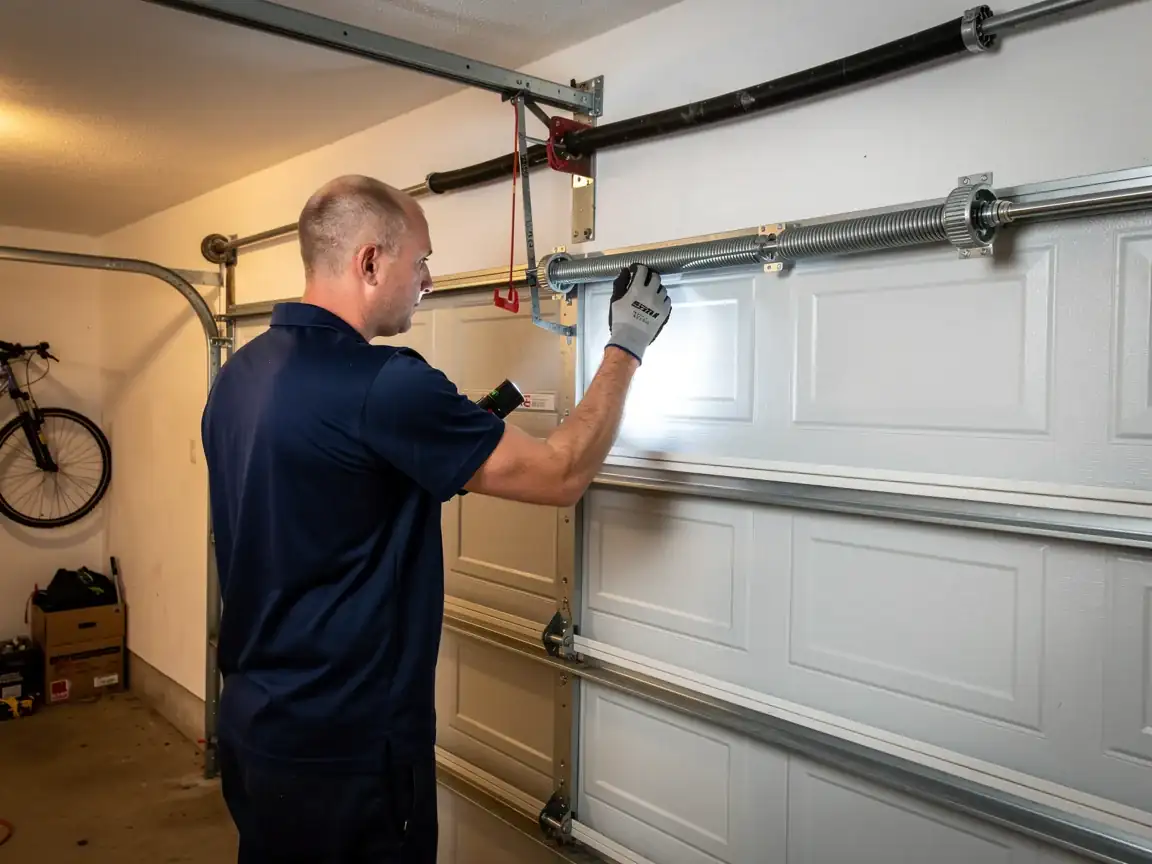
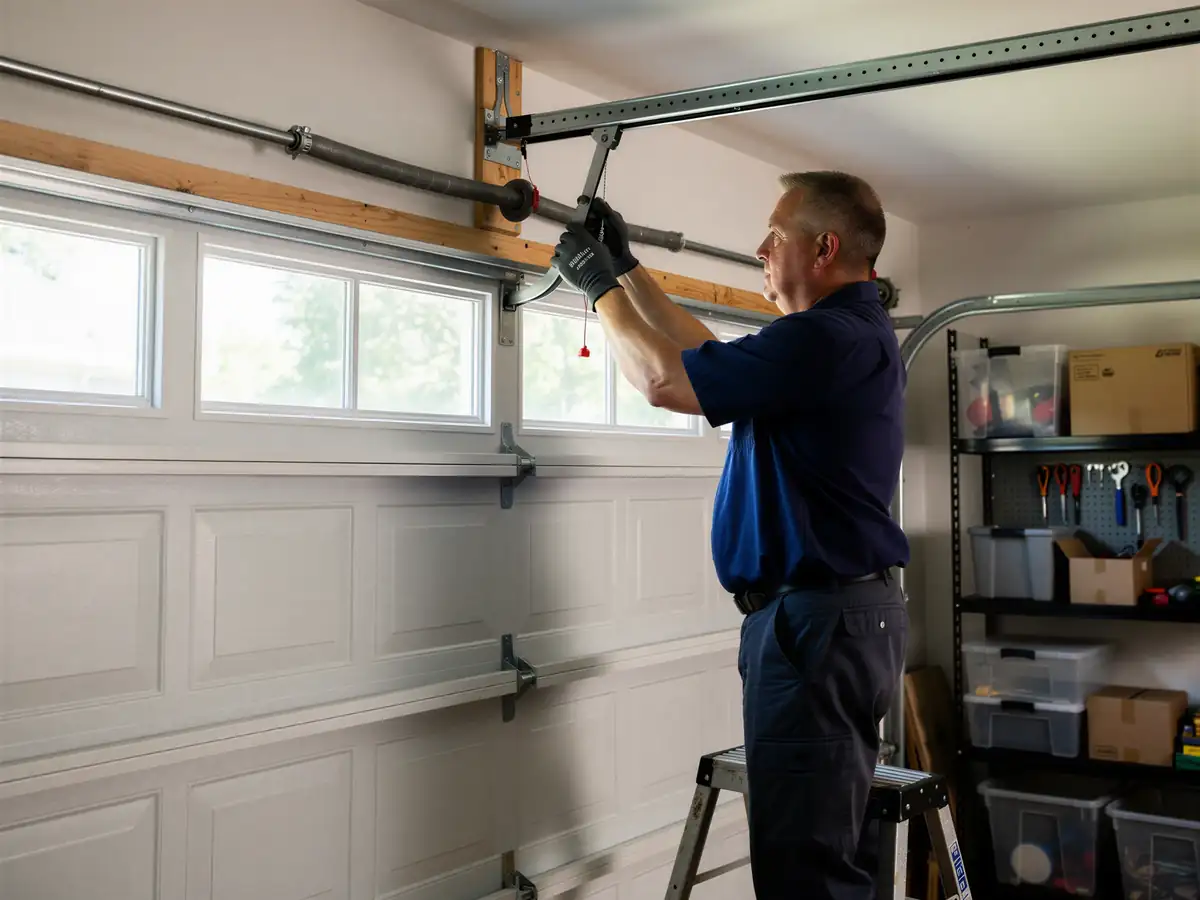
You need to match horsepower and rail length to the actual door you have now, wire in the safety reversing sensors code requires, and run power to a dedicated circuit rather than tapping a shared outlet. On houses from this era, the header board above the door has often sagged a little over four decades, and the opener bracket needs solid wood to grab - not drywall or a soft header. That reinforcing step is where most DIY installs stall out, and it's not one we'd talk you through over the phone.
How to Book
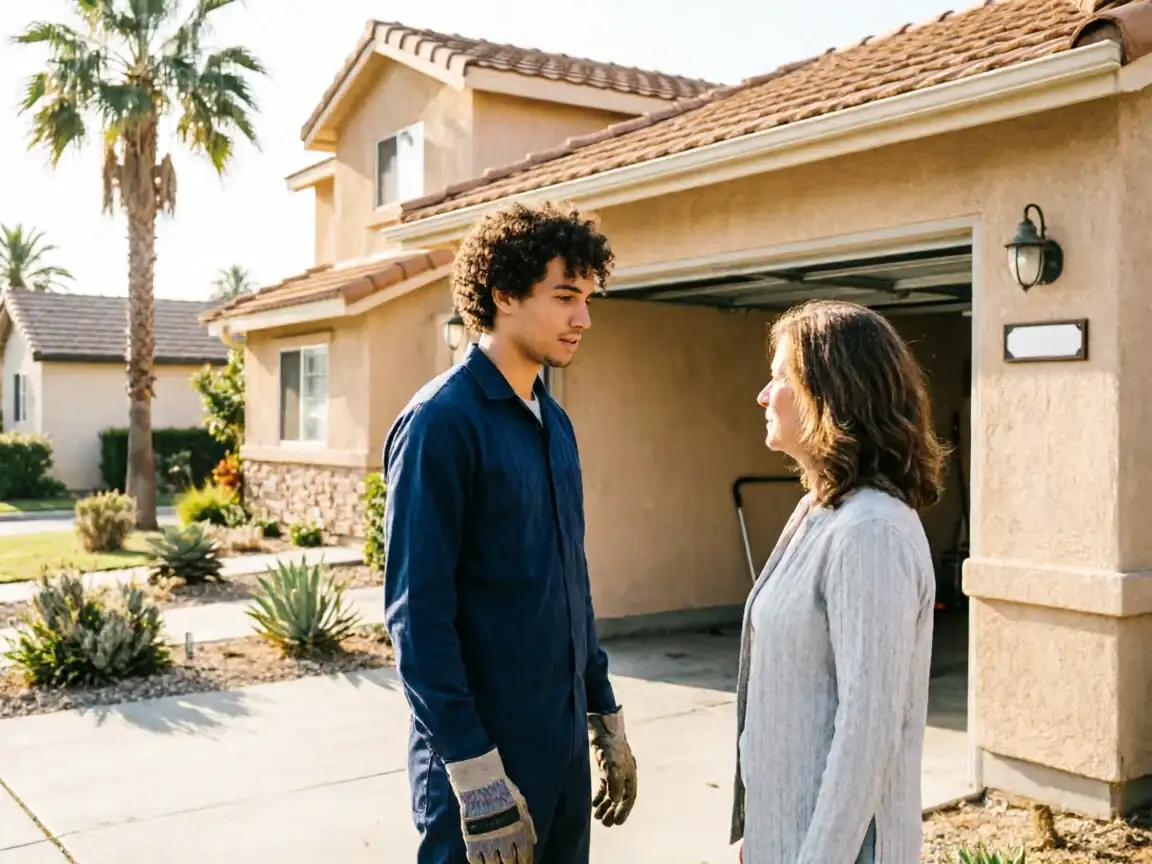
There's no Redding Garage Door Pros branch sitting in Shasta Lake - the truck comes from Redding, about 7 miles up the road, for every opener job here. Booking works the same way it does for the rest of the service area: you tell us the door you have now (make, panel weight, whether it's insulated), and we bring an opener sized to match rather than whatever's cheapest on the shelf.
If your opener is still working but the door itself is giving you trouble - a bent track, a dead spring, a cable off the drum - that's a separate visit and a separate page: see /shasta-lake-garage-door-repair/ for that side of things. For the fuller rundown on opener installation itself, including the models we install and how we size a unit to a door, that lives at /garage-door-opener-installation-redding-ca. This page is just about what's different for Shasta Lake: the 1981-era housing stock, and the fact that we're driving in rather than driving out of a local yard.
How Long You Are Without the Door
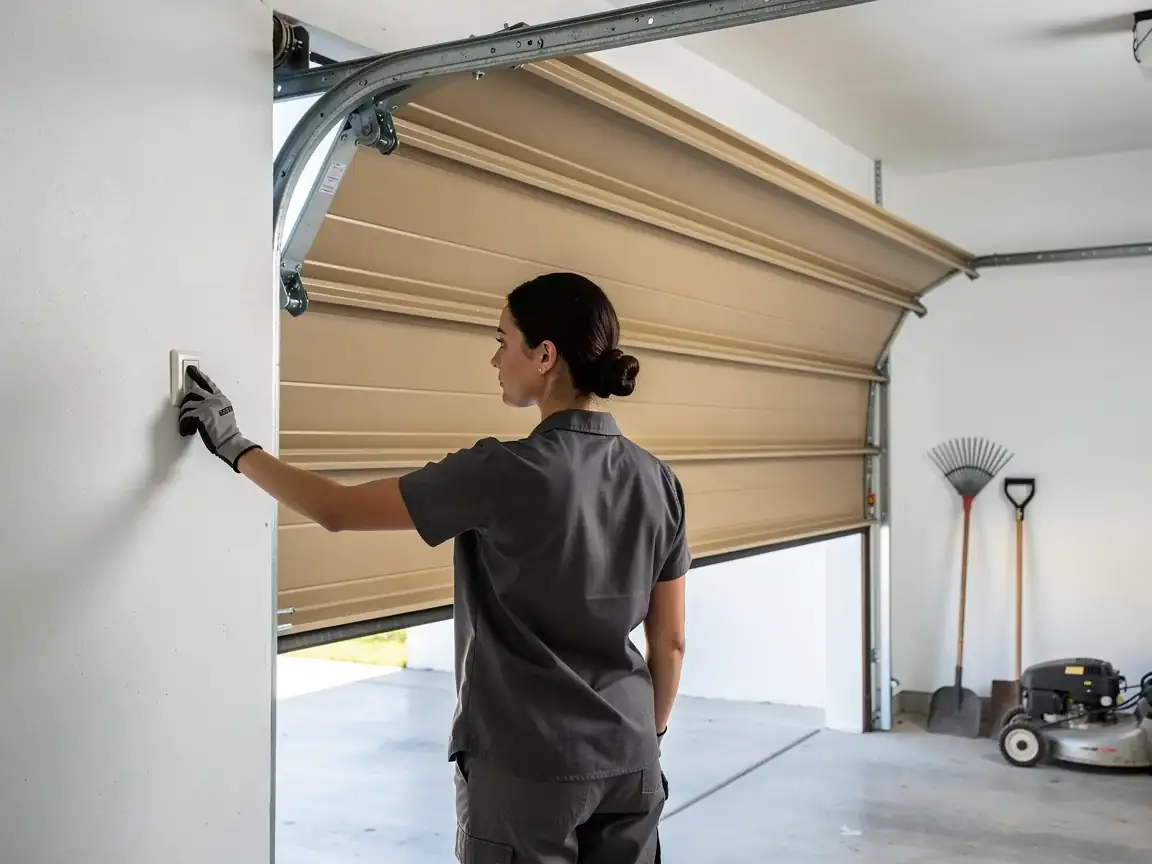
An opener swap doesn't take your door out of service the way a broken spring does. The door itself stays mounted and balanced the whole time - once the old opener is unbolted, you can run the door by hand using the manual release, same as if the power went out. You're not locked in or locked out while the new unit goes up.
The install itself usually runs a few hours per door, longer if the mounting bracket needs reinforcing (common on header boards from the early 1980s) or if the garage needs new wiring run to support a dedicated circuit. We don't quote a response time for getting a truck out to Shasta Lake, since that depends on the day's schedule out of Redding - but once we're on site, the door is never fully out of commission, just running on muscle instead of a motor for an afternoon.
Where This Job Goes Sideways
Two things complicate an opener install here more than in newer housing stock
First, wiring: a lot of Shasta Lake garages built in the early 1980s were never fitted with a dedicated outlet near the ceiling, so before the opener goes up, we sometimes have to run new circuit wiring - that's an added step, not a standard part of the quote.
Second, heat
This area sits in a severe-heat climate band, and an opener mounted tight against an uninsulated attic space runs hotter all summer than one in a shaded or conditioned space. That shortens the life of the lubricant in the rail and stresses the logic board faster than you'd expect from a unit that age.
The honest limitation
If the header board above your door has rotted or bowed - more common the closer a house gets to 45 years old - we won't mount a new bracket to it. That structural fix has to happen first, even if it means the opener install waits a week while that gets sorted.
- 45 years