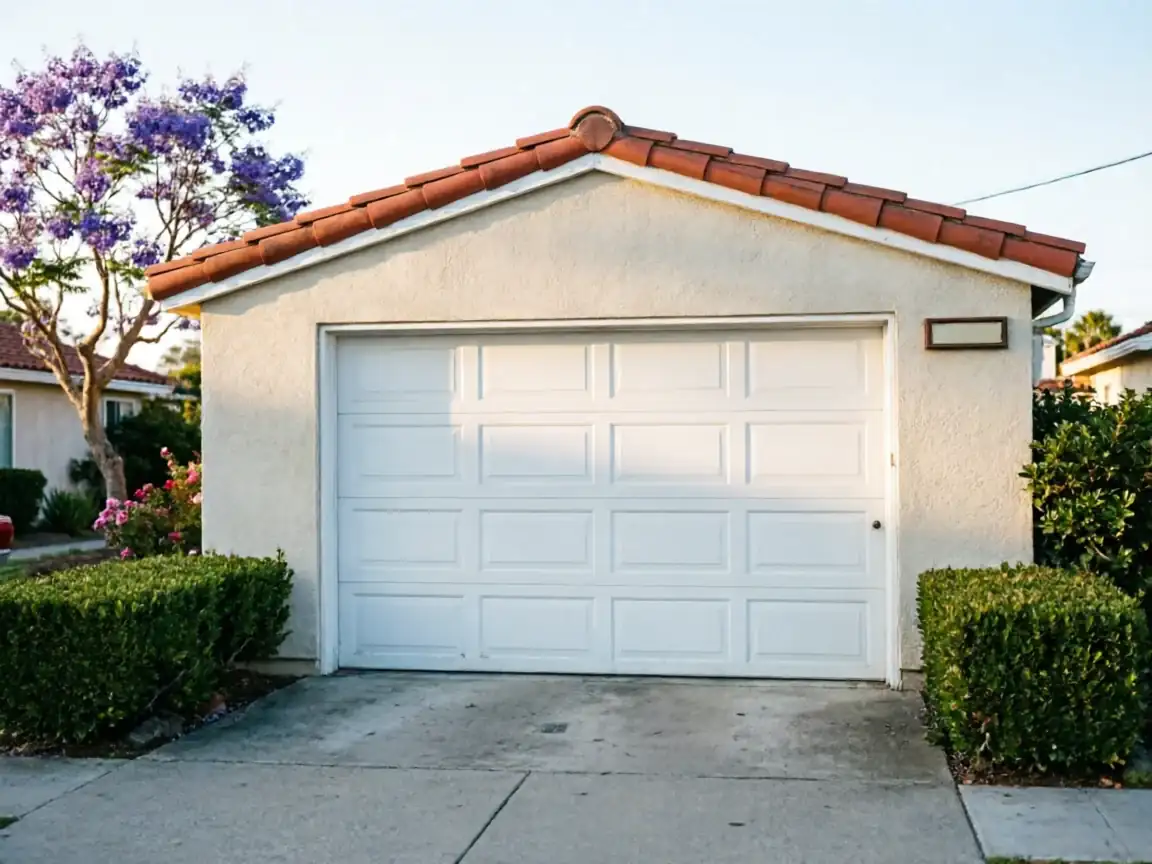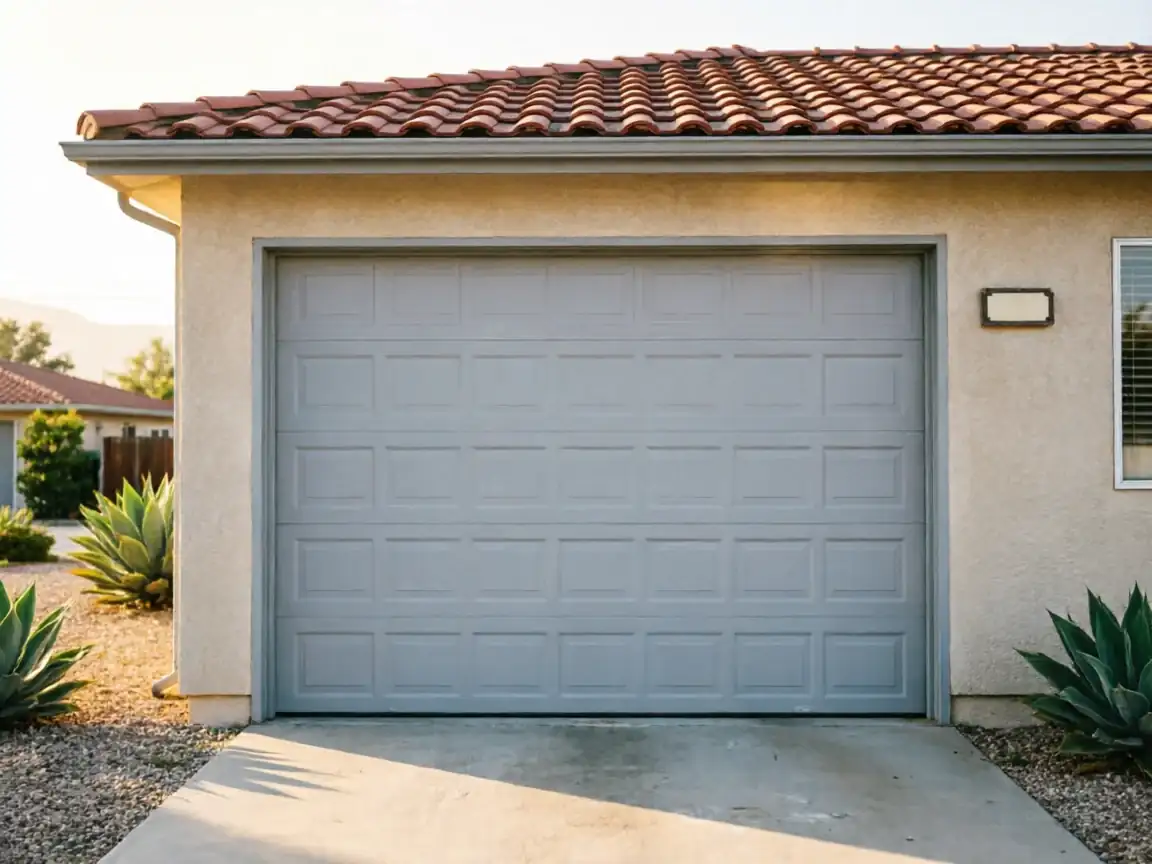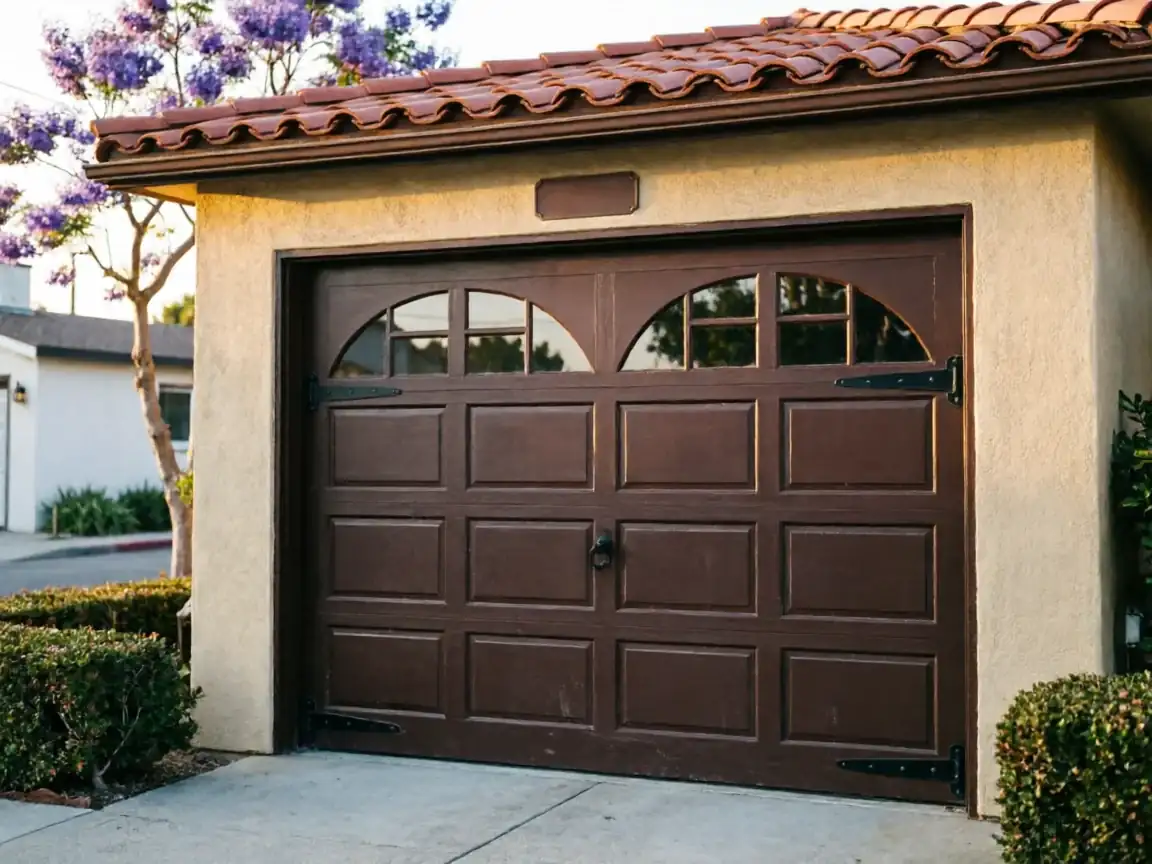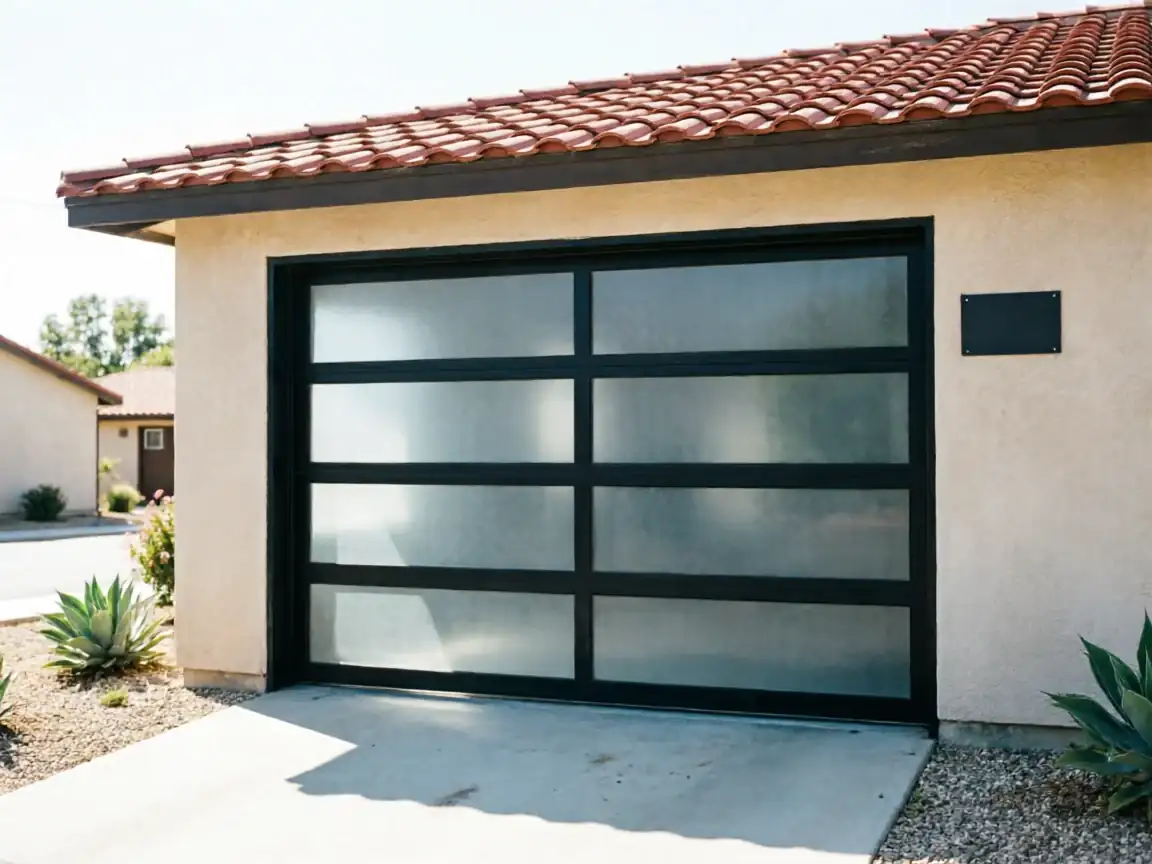
Can You Do This Yourself
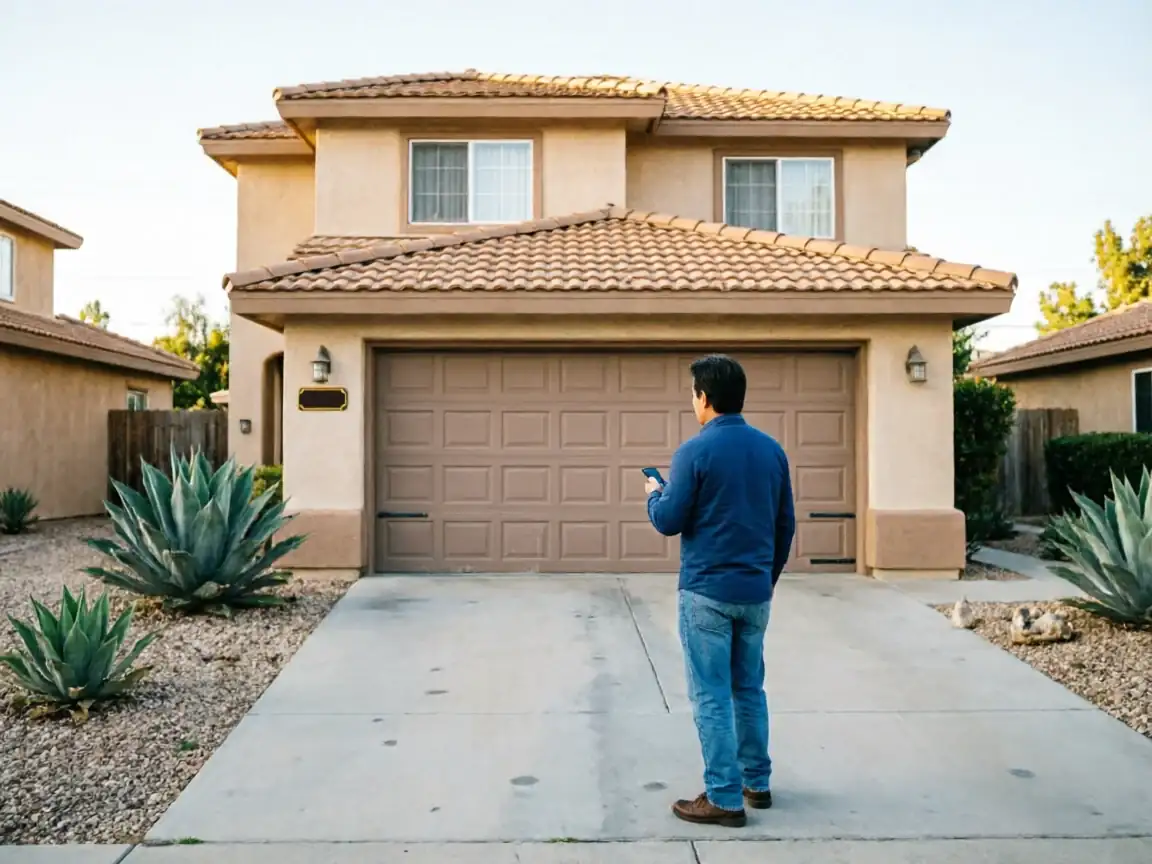
Shasta Lake's housing stock dates to about 1981, just a year off the wider service area's 1980 median
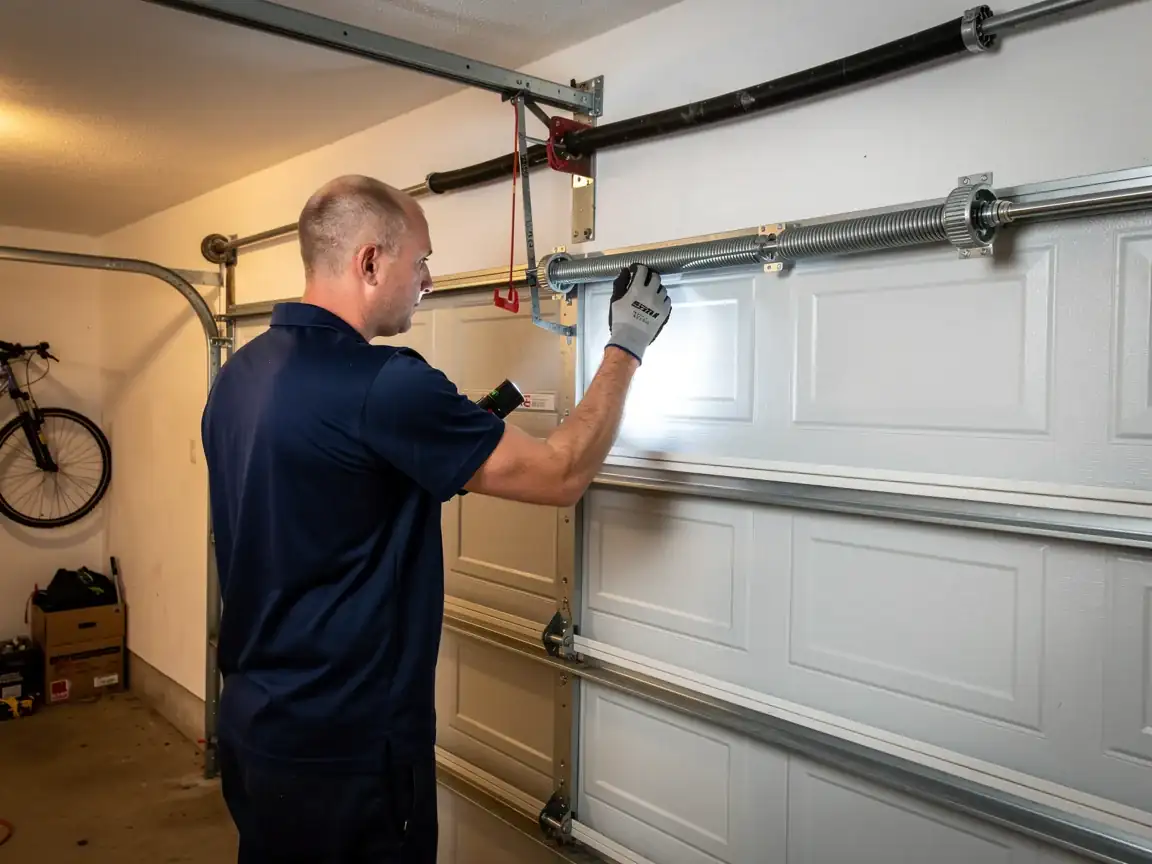
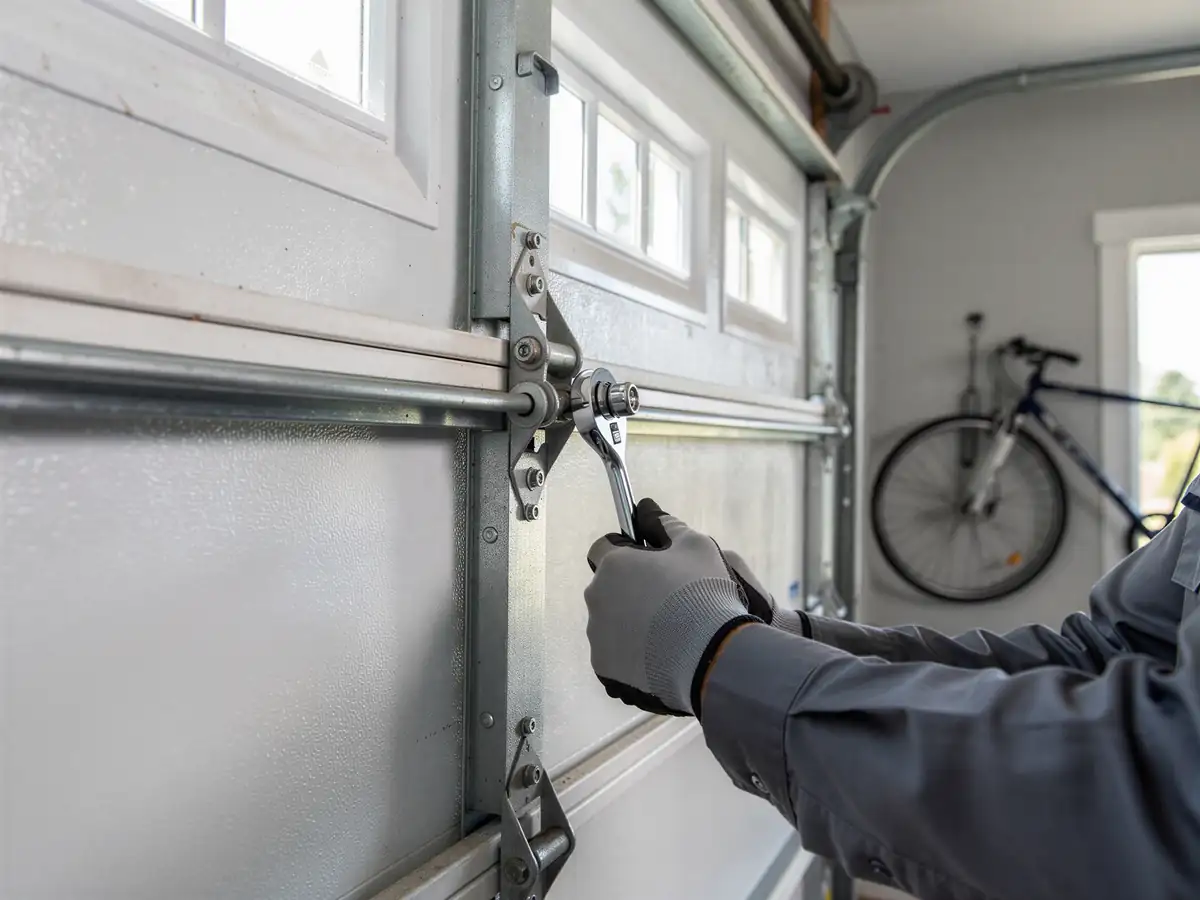
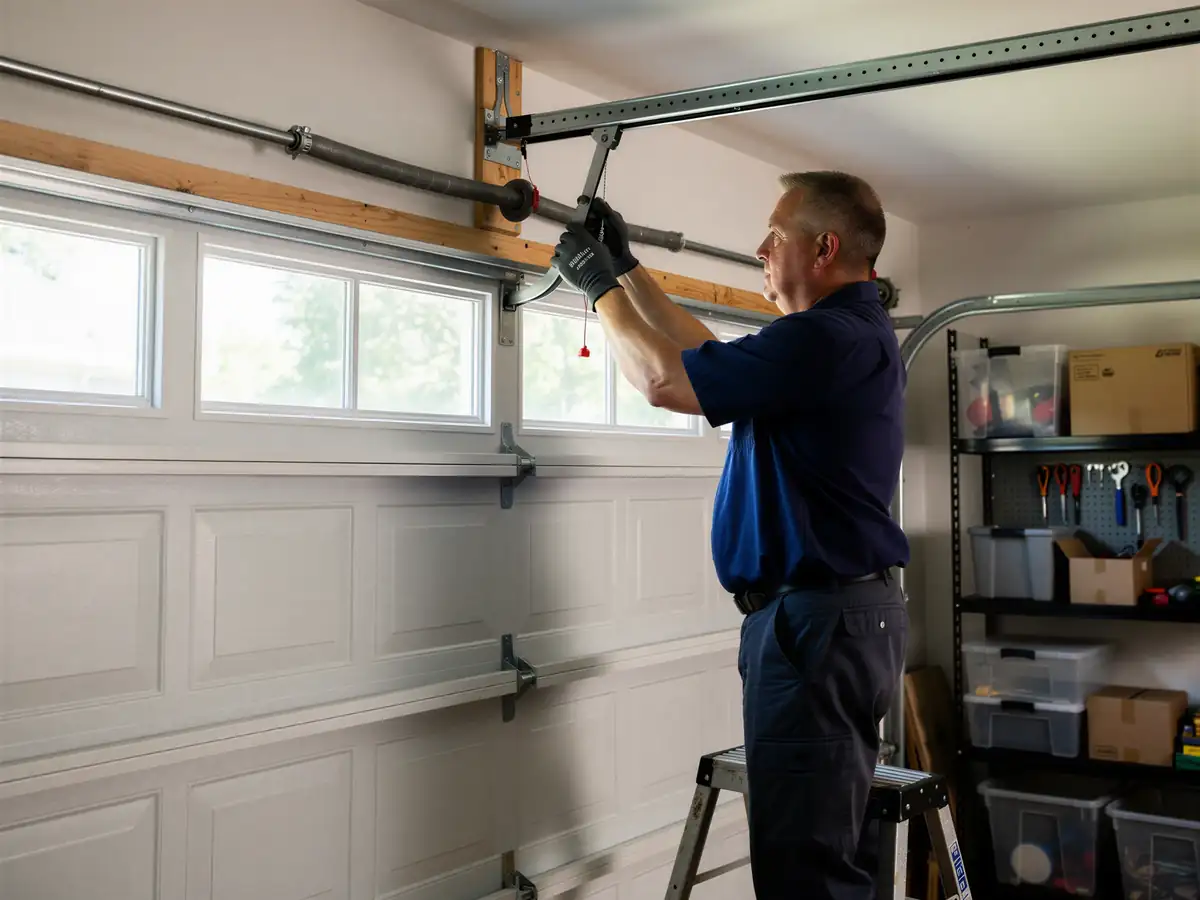
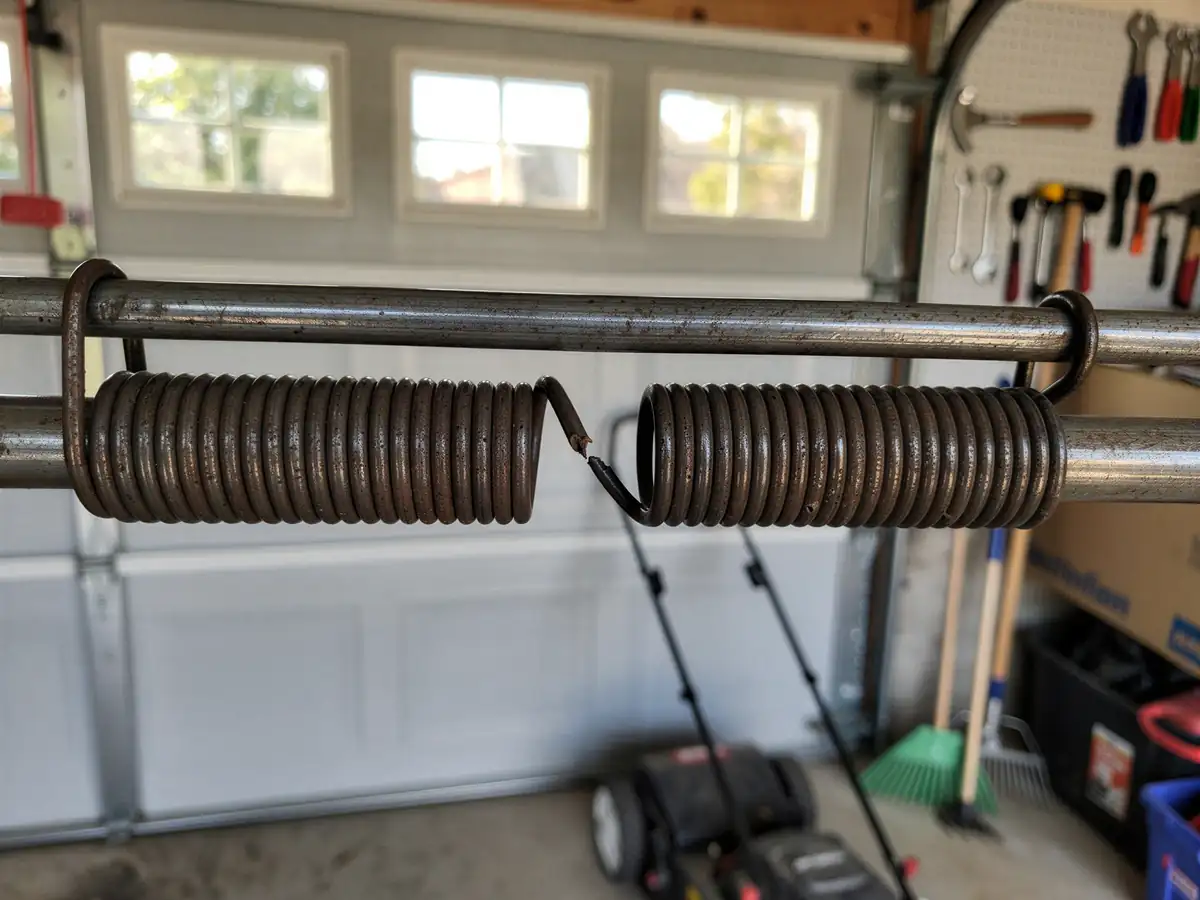
So the doors and openers here are running the same vintage hardware as most of the district - old torsion springs, steel tracks bolted to wood jambs that have had forty-some summers to warp. That matters for what you can safely touch. Lubricating hinges and rollers, tightening a loose track bracket, swapping a remote battery - fine, do it yourself. Pulling a wound torsion spring off its cone, or trying to re-tension one, is not a DIY job at any income level; the spring is under enough force to break a wrist or worse.
At a median household income of $61,319 here
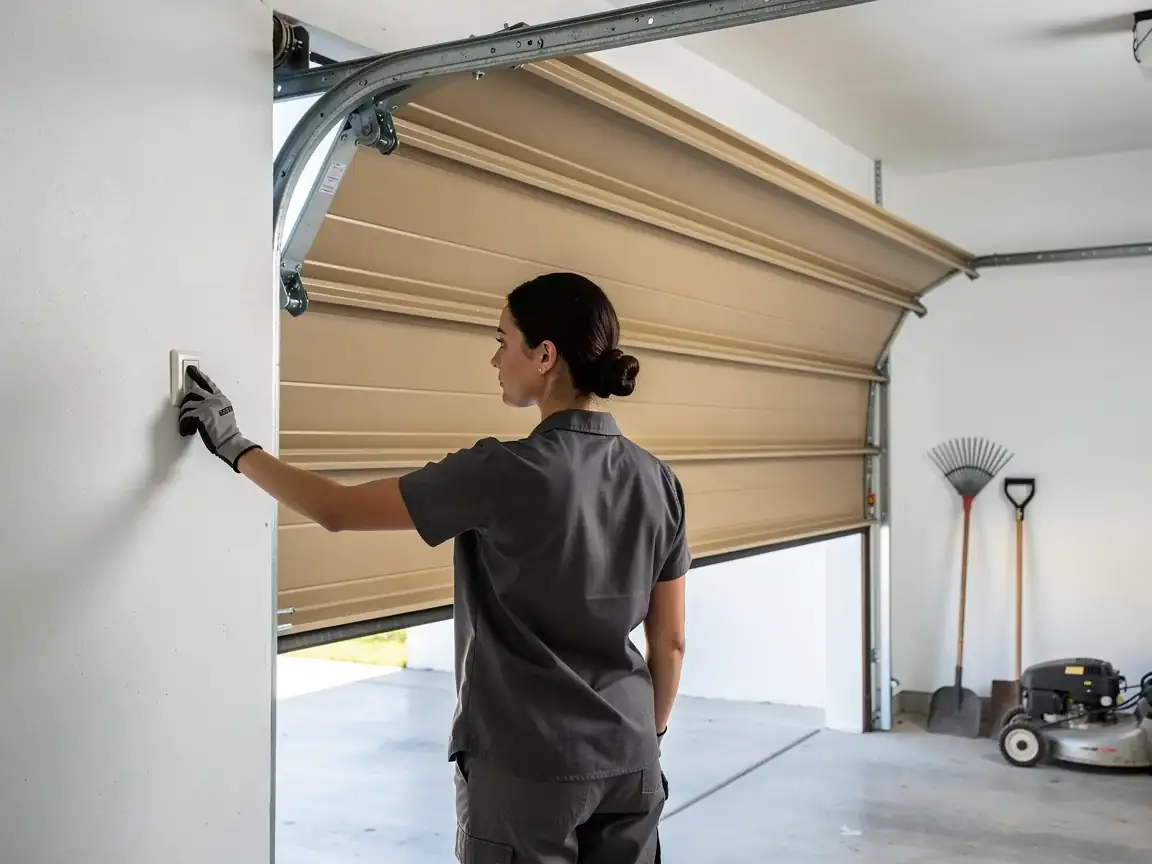
Well under the $95,978 median across the whole service area, it's common for a bent track or a grinding opener to get lived with for a while before anyone calls. That's understandable, but a door that's been dragging on a bent track for months usually means the rollers and the opener gears are wearing unevenly, which turns a $40 roller fix into a cable-and-drum job. If the door won't open with the emergency release pulled and the opener disconnected, that's your sign it's a spring, not a setting.
How to Book
We don't keep a crew stationed in Shasta Lake - the truck comes from Redding, 7 miles down the road, same as it does for every call in this part of the service area. You can book through the Shasta Lake page or call in; either way, tell us what the door is doing (won't open, won't close, off track, loud bang and then nothing) so the truck rolls with the right spring size and roller type for a house built around 1981 rather than guessing.
One honest limitation: because this is a drive-out call and not a local branch, we can't promise a same-hour window the way a company with a yard in town could. If your opener or spring is an odd or discontinued size - more common on original-to-house hardware from this era - the first visit may be diagnosis and a return trip for the part, not a one-stop fix. We'll tell you on-site which one it is.
How Long You Are Without the Door
With 3,931 households in Shasta Lake against 18,971 across the whole service area, the truck isn't stocked assuming a Shasta Lake call every day - it's stocked for whatever's on the route. A standard torsion spring, a roller set, a safety sensor: those ride on the truck and get fixed the same visit. A specific opener gear kit or a spring wound to an odd size for a 1981-era door is more likely to need ordering, which stretches the job from a single visit to two.
The heat here is a factor too. Severe summer heat puts real strain on nylon idler pulleys and plastic end bearings, and those parts tend to fail on the hottest days of the year, which is also when everyone else's door is failing for the same reason. That doesn't change what we carry, but it's worth knowing that a hot stretch means more calls ahead of yours, not fewer.
Where This Job Goes Sideways
The failure that catches people off guard in Shasta Lake is the slow one
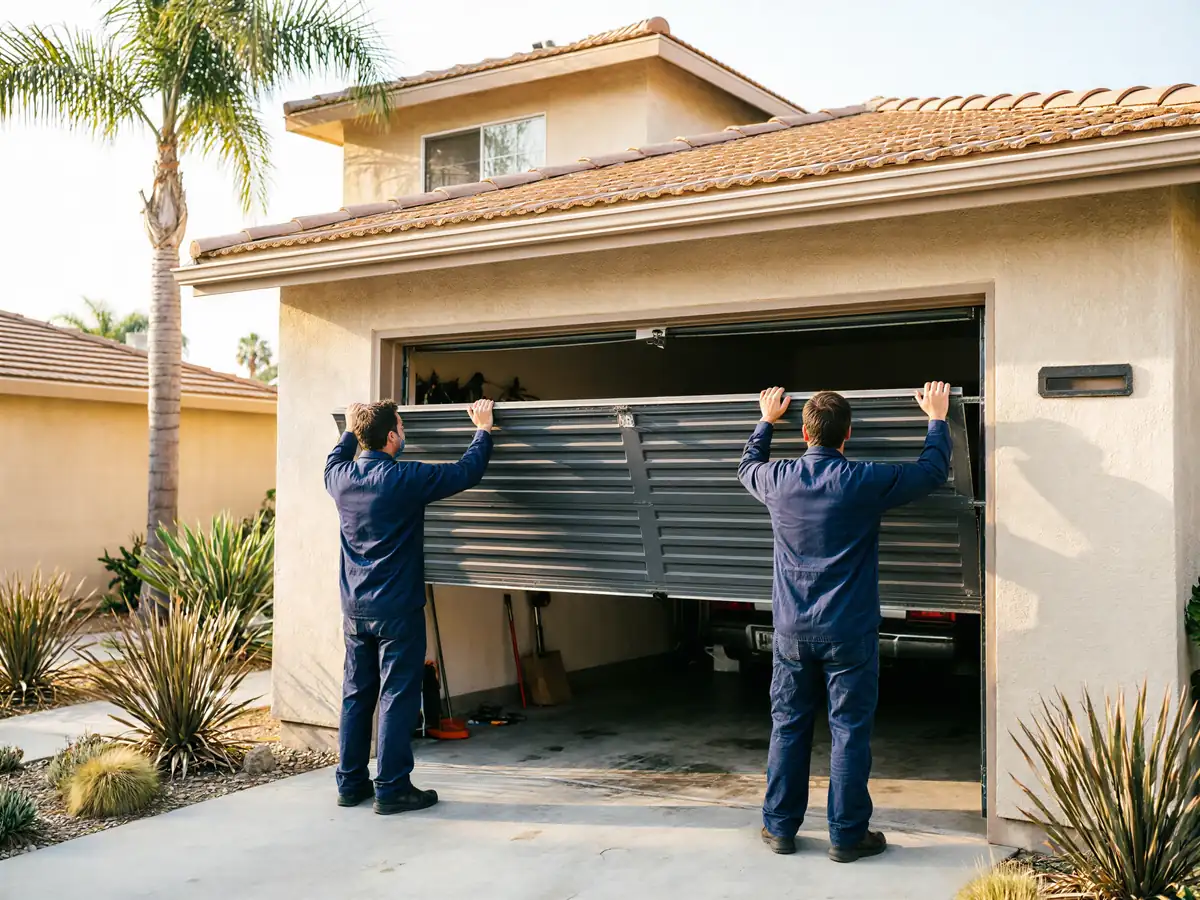
A door built around 1981 was engineered for a lighter steel skin and a smaller opener motor than what's sold today, and when a homeowner upgrades to an insulated door but keeps the original springs or track, the spring is now under-sized for the new weight. It'll run fine for a year, then snap without warning.
The other pattern ties back to the income gap between Shasta Lake and the rest of the service area
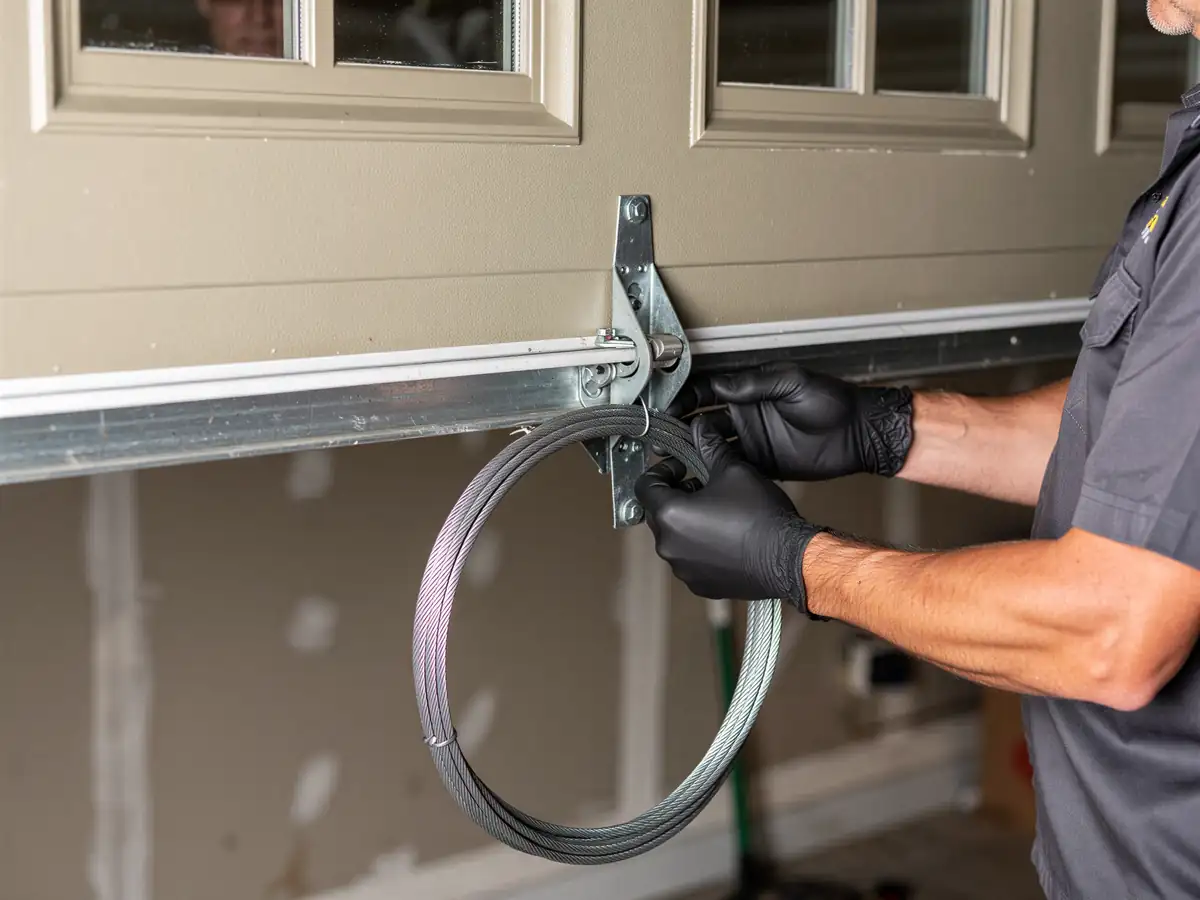
At $61,319 median versus $95,978 district-wide, deferred maintenance is more common here, and deferred maintenance on a garage door doesn't stay small. A dragging door strains the opener's gears; a misaligned sensor gets bypassed instead of fixed; a frayed cable gets ignored until it jumps the drum. By the time the call comes in, it's often two problems instead of one, and the honest answer is that bundling the fix costs more than catching either one early would have.