How Long You Are Without the Door
Most garage doors in this part of the service area went up around 1984
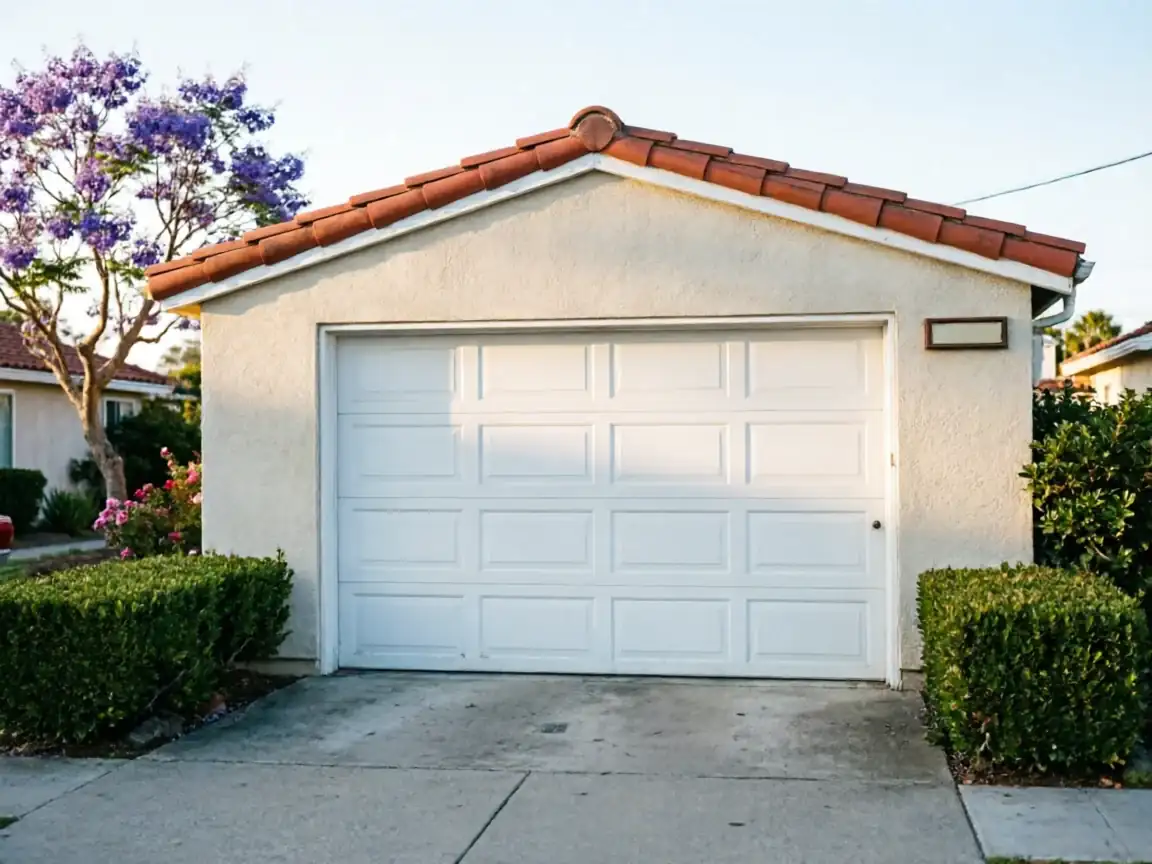
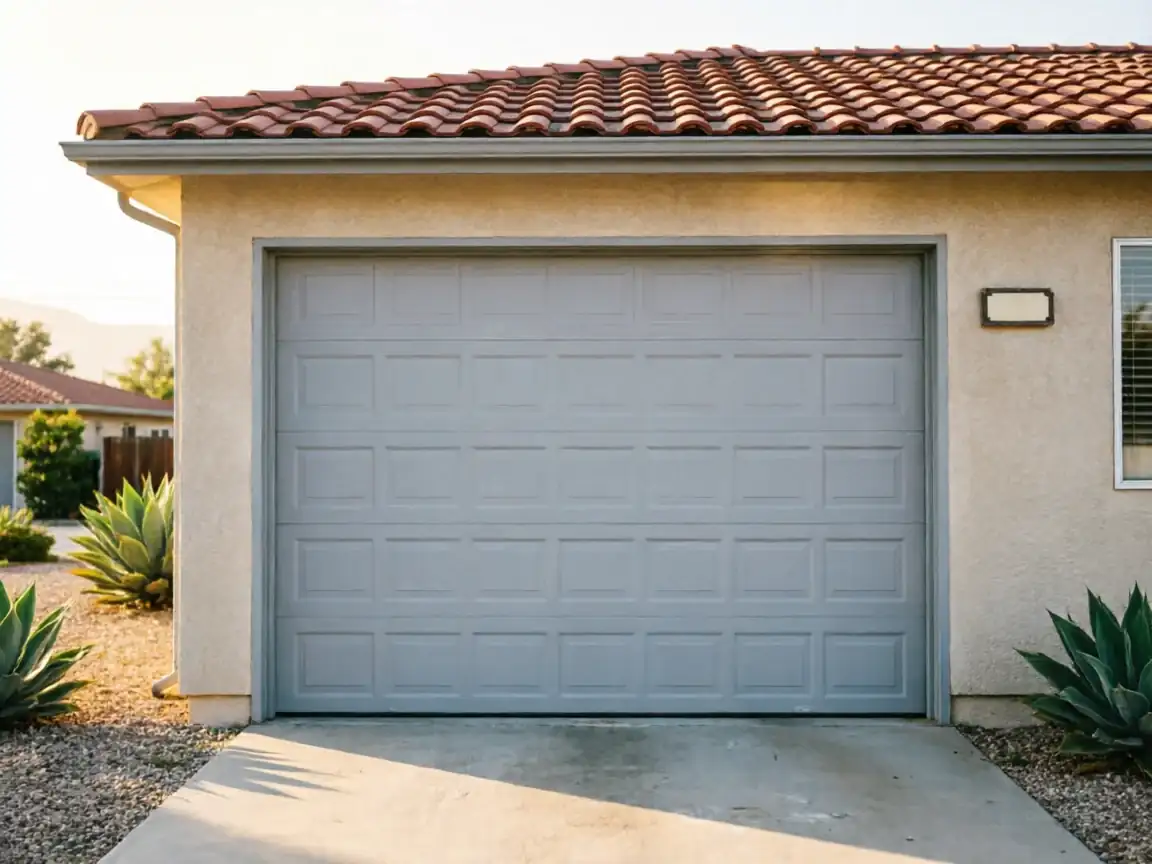
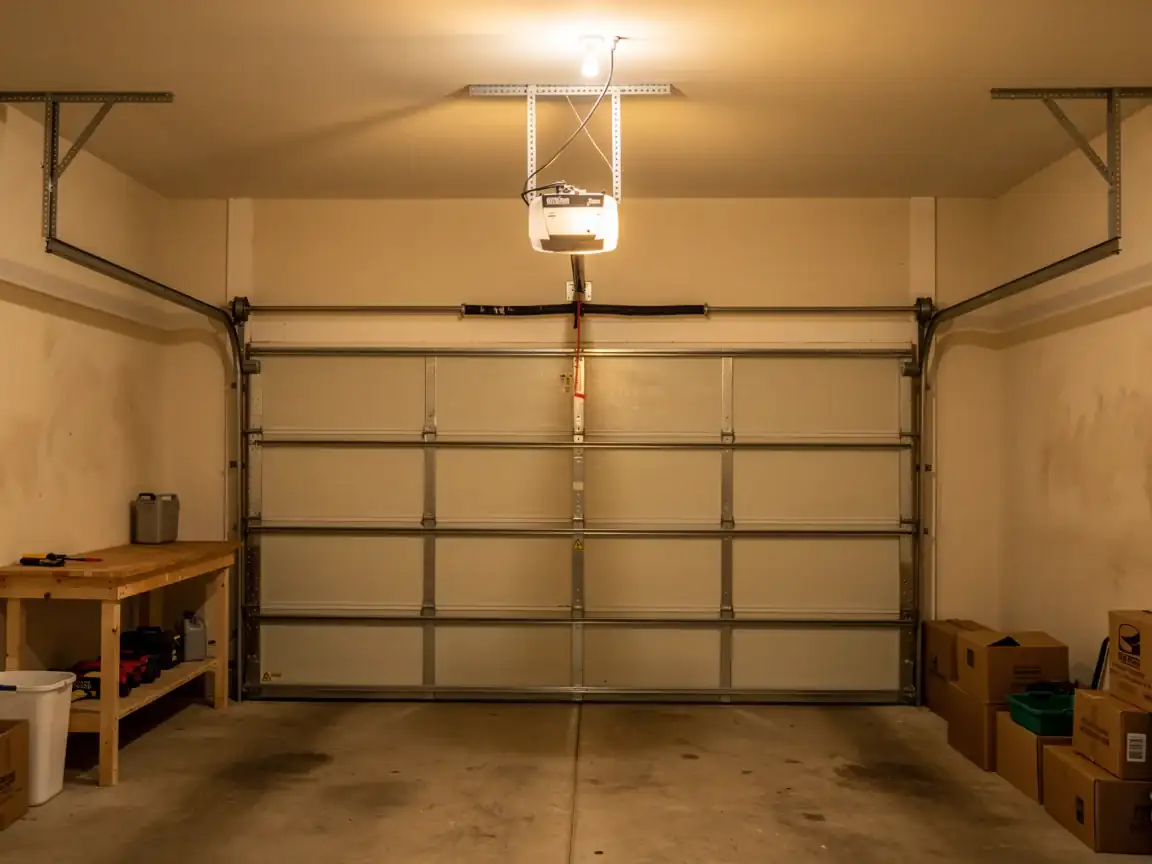
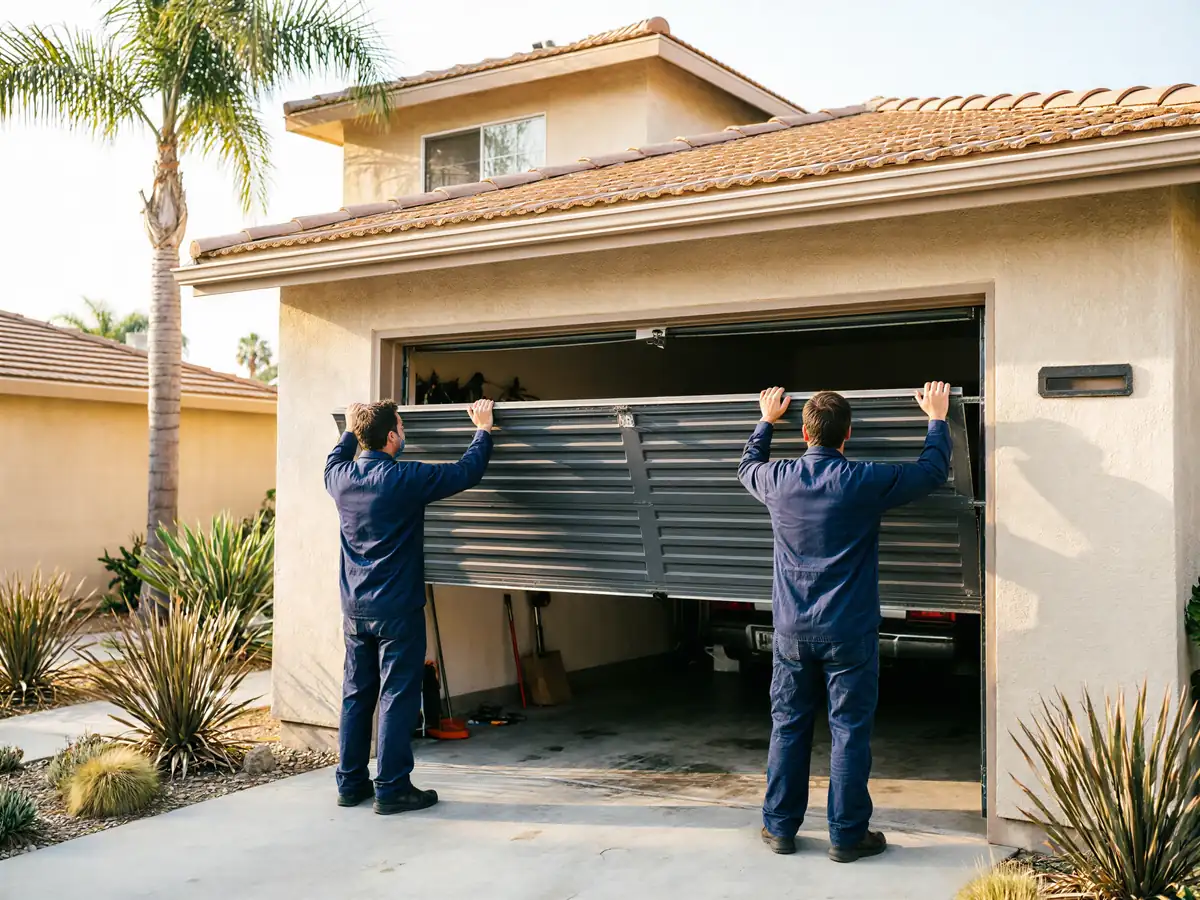
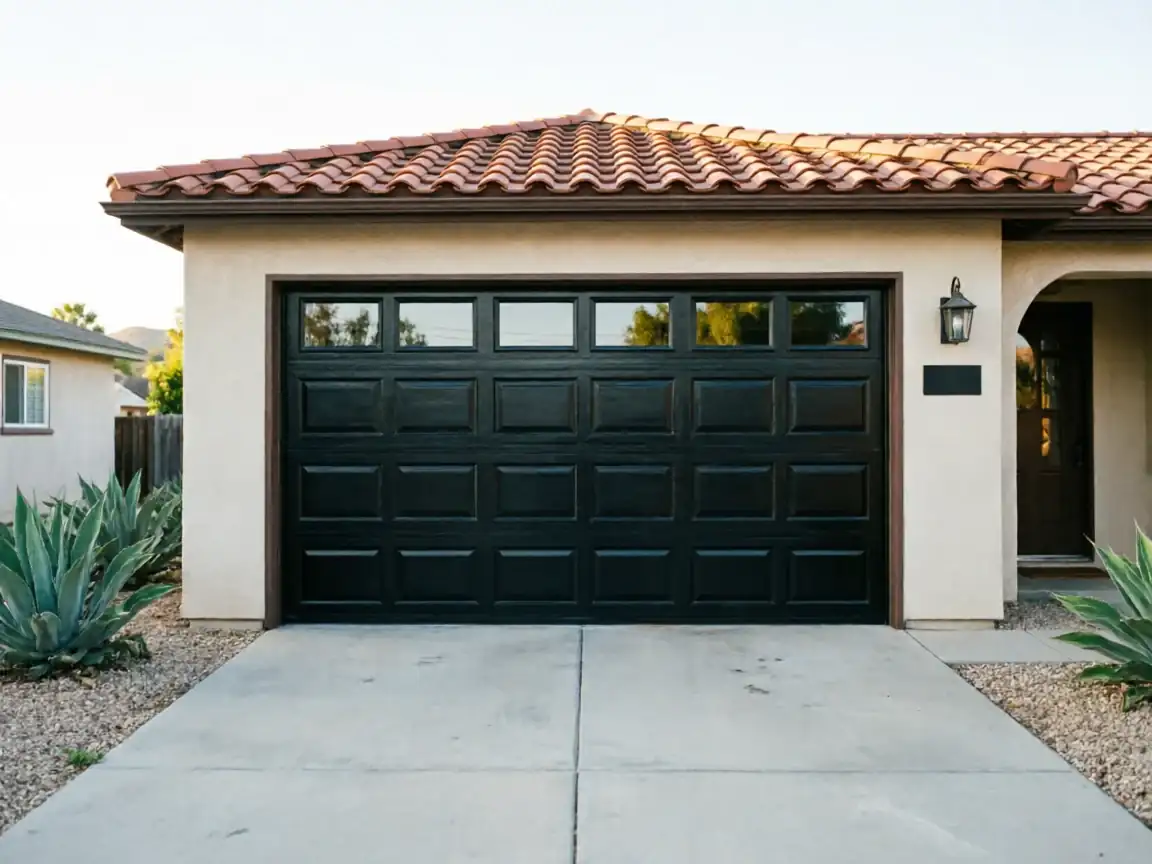
Which puts them squarely in the steel sectional era - single-layer steel panels, no foam core, bolted to a track system sized for a standard two-car opening. That generation of door was built to be functional, not flexible, and after four decades of Shasta's severe summer heat the steel has usually faded unevenly or developed a slight bow along the top rail where the sun hits hardest. A cracked or dented panel on a door like that isn't a same-day swap in every case. We don't keep a depot in Shasta - the truck comes out from Redding, and if your exact panel profile isn't already on it, we measure on site and bring the right one on the follow-up trip rather than force a mismatched panel onto an otherwise sound door. The door itself usually still operates while you wait; it's the look and the weather seal that suffer, not the function, unless the damage is at a hinge point.
We won't quote you a turnaround time we can't back up with a fact
But we will tell you straight whether your panel is a common size or a hunt.
What Is on the Truck
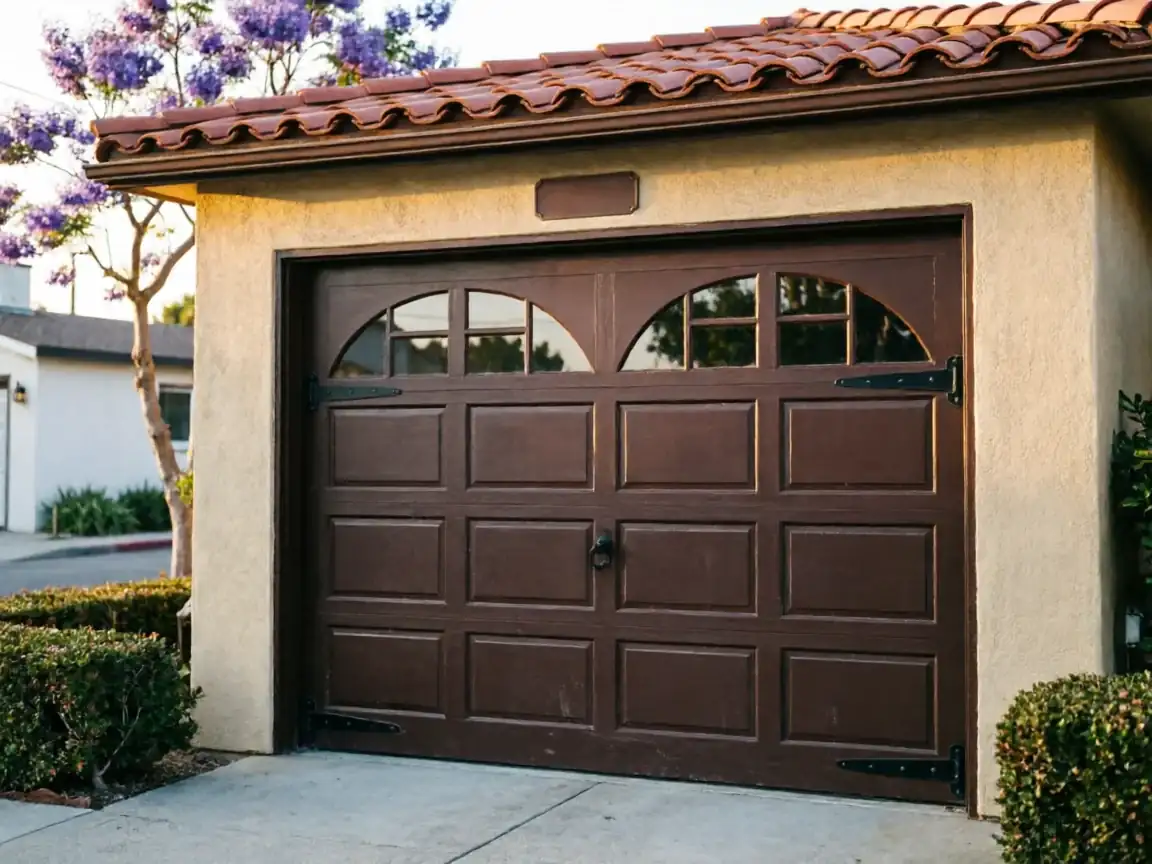
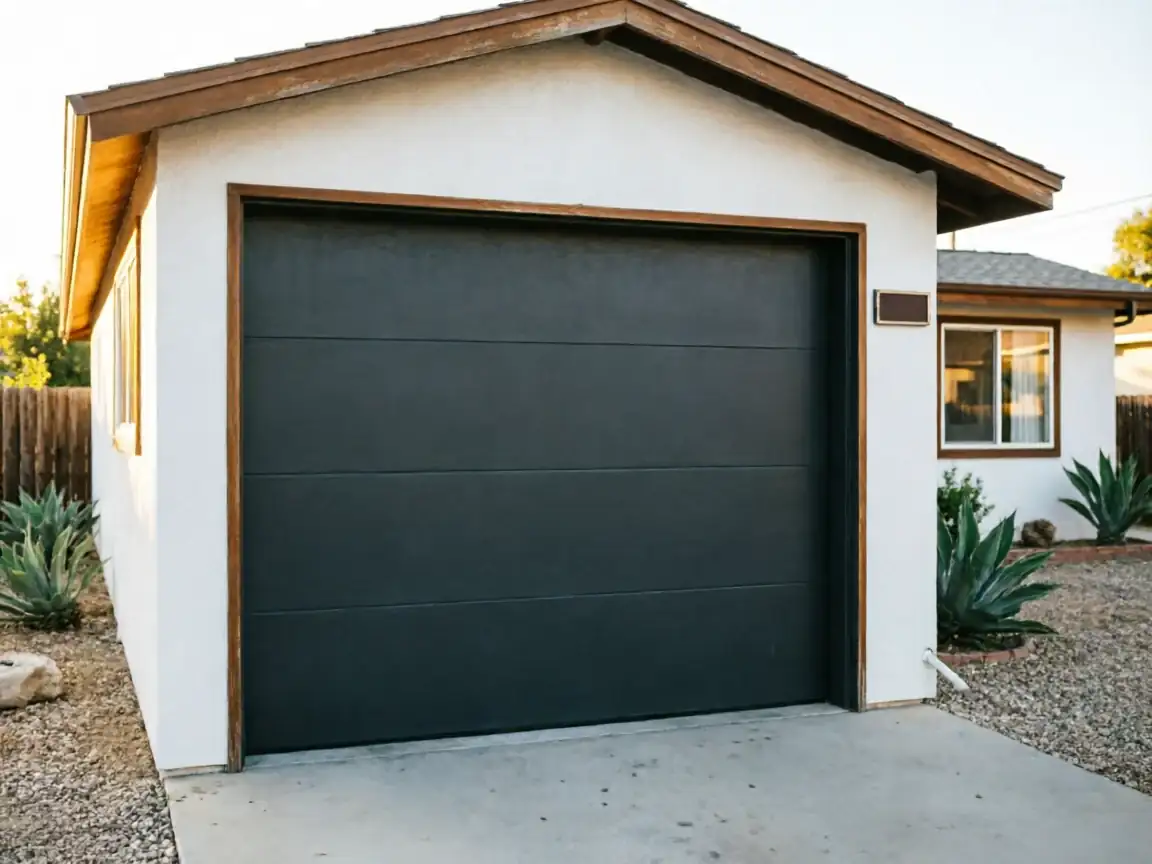
The panel sizes that show up most in this area match the 1980s and 90s sectional doors that make up most of the local stock - standard two-car widths, steel, often with the simple raised-panel or flush design that was common for that build era rather than the carriage-house styles you see on newer construction. We stock toward those sizes because that's what the houses here actually have, not because it's a universal kit that works everywhere.
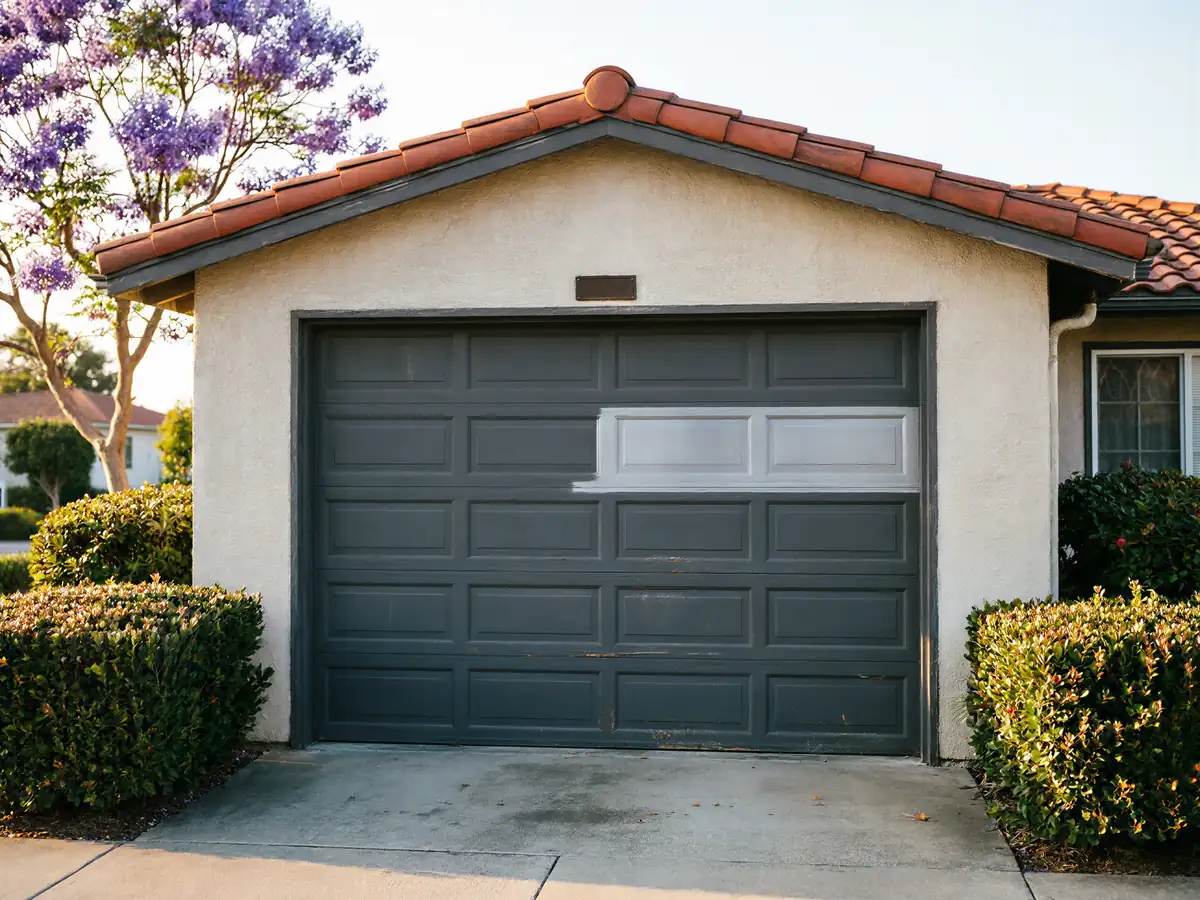
Color match is the part people underestimate. A steel panel that's spent twenty or thirty years under Shasta's severe heat band has usually faded or chalked unevenly compared to the day it was painted, so a brand-new panel next to the old ones can look obviously newer even when the size and profile are correct. We'll tell you that up front rather than let you be surprised on install day. If the fade is bad enough that one new panel would stick out, replacing the full door instead of patching it sometimes ends up the better-looking and better-value call - we'll say so rather than sell the smaller job just because it's smaller.
How to Book
We travel the 6 miles out from Redding to reach Shasta, so booking a panel job here means a scheduled trip rather than a walk-in visit - there's no local branch to swing by. The most useful thing you can do before calling is get the door's panel height and the approximate age of the door, since that tells us whether we're likely dealing with the common 1980s-era steel sizing this area mostly has or something else.
For general repair work beyond a single panel - openers, springs, tracks - see our Shasta garage door repair page. If you want the broader rundown of how panel replacement works as a service across the whole Redding area, that's covered on the main panel replacement page, and this page is just the Shasta-specific side of that same job.
Can You Do This Yourself
A single cracked or dented steel panel on a sectional door is one of the more DIY-friendly garage door repairs that exists, mechanically speaking
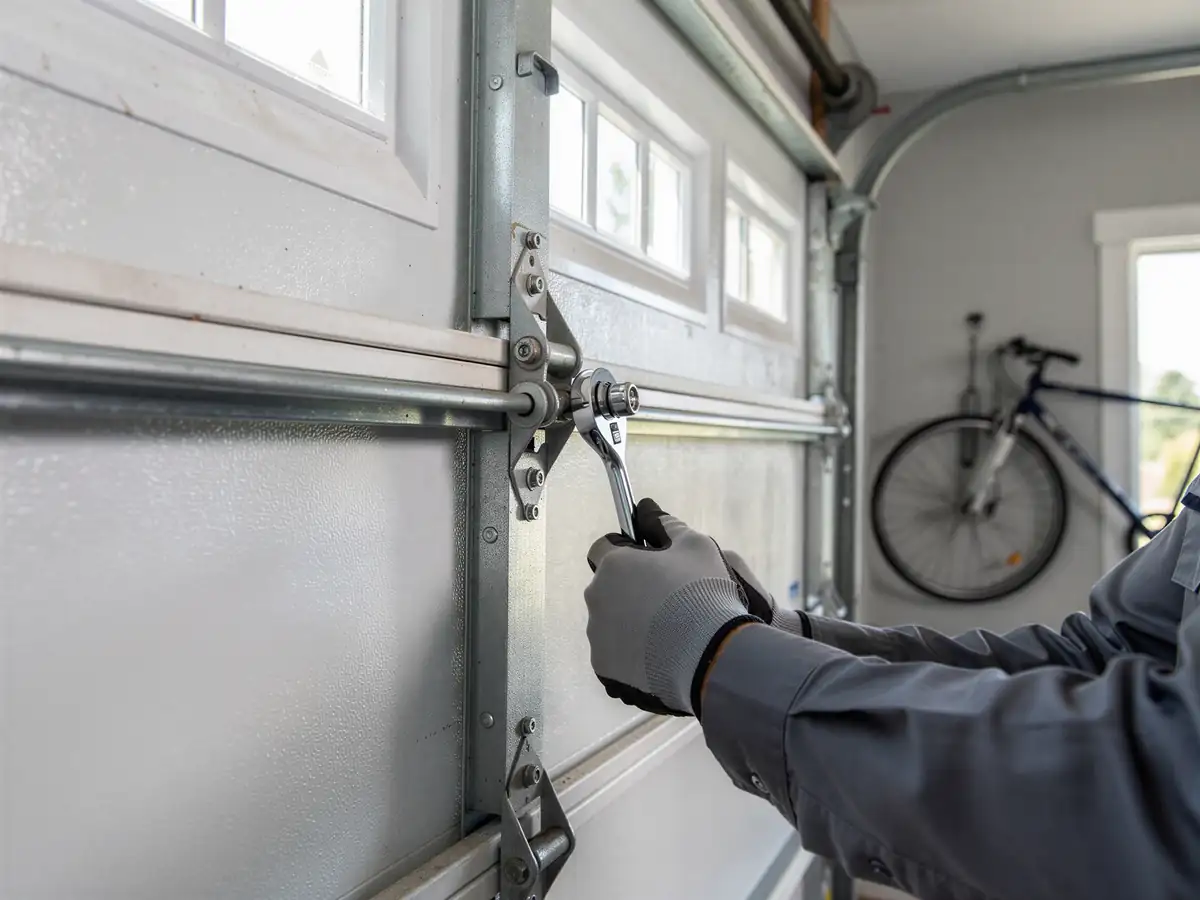
The panel bolts to the adjacent sections and to the roller brackets, and on a lot of these 1980s doors there's no insulation layer complicating the swap. If you can get an exact match for the panel profile and the color gap doesn't bother you, doing it yourself is a reasonable call.
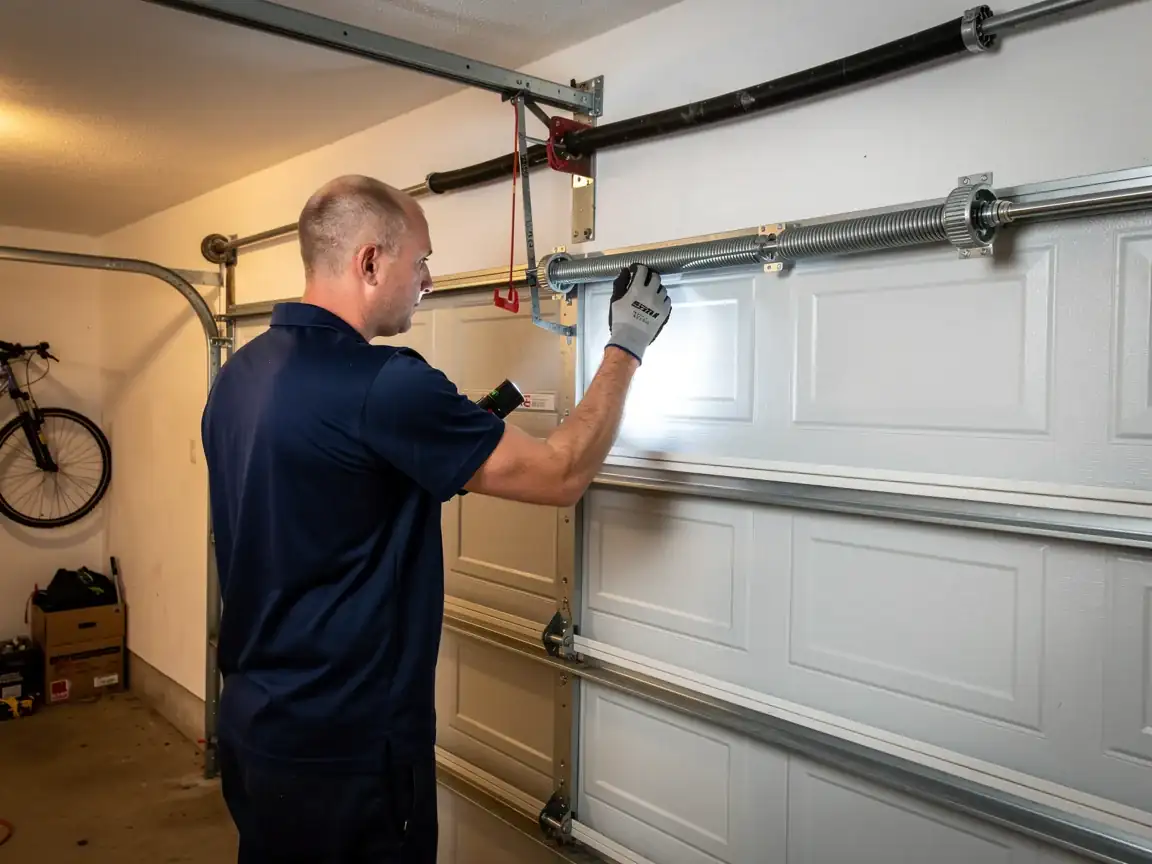
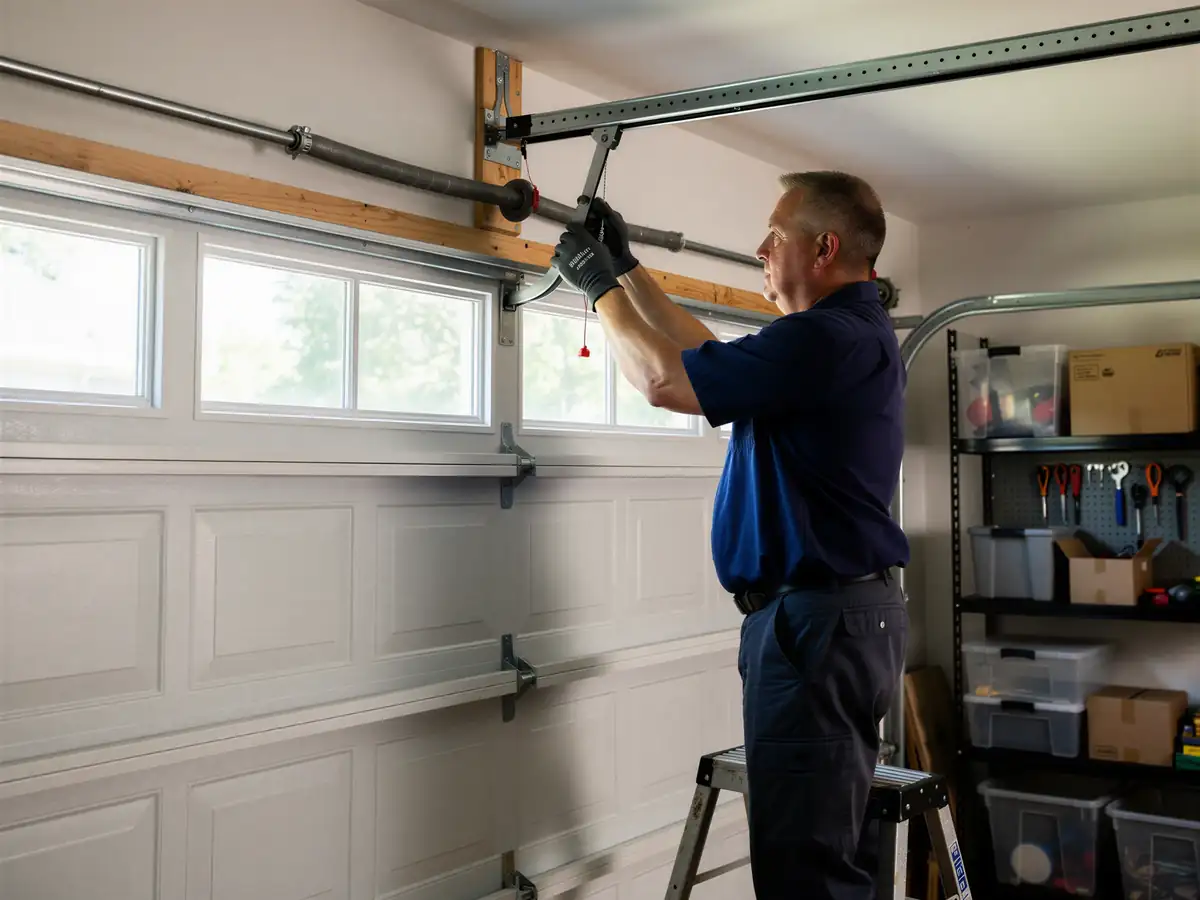
Where it stops being a reasonable DIY job is anything touching the top panel with the torsion spring assembly mounted above it
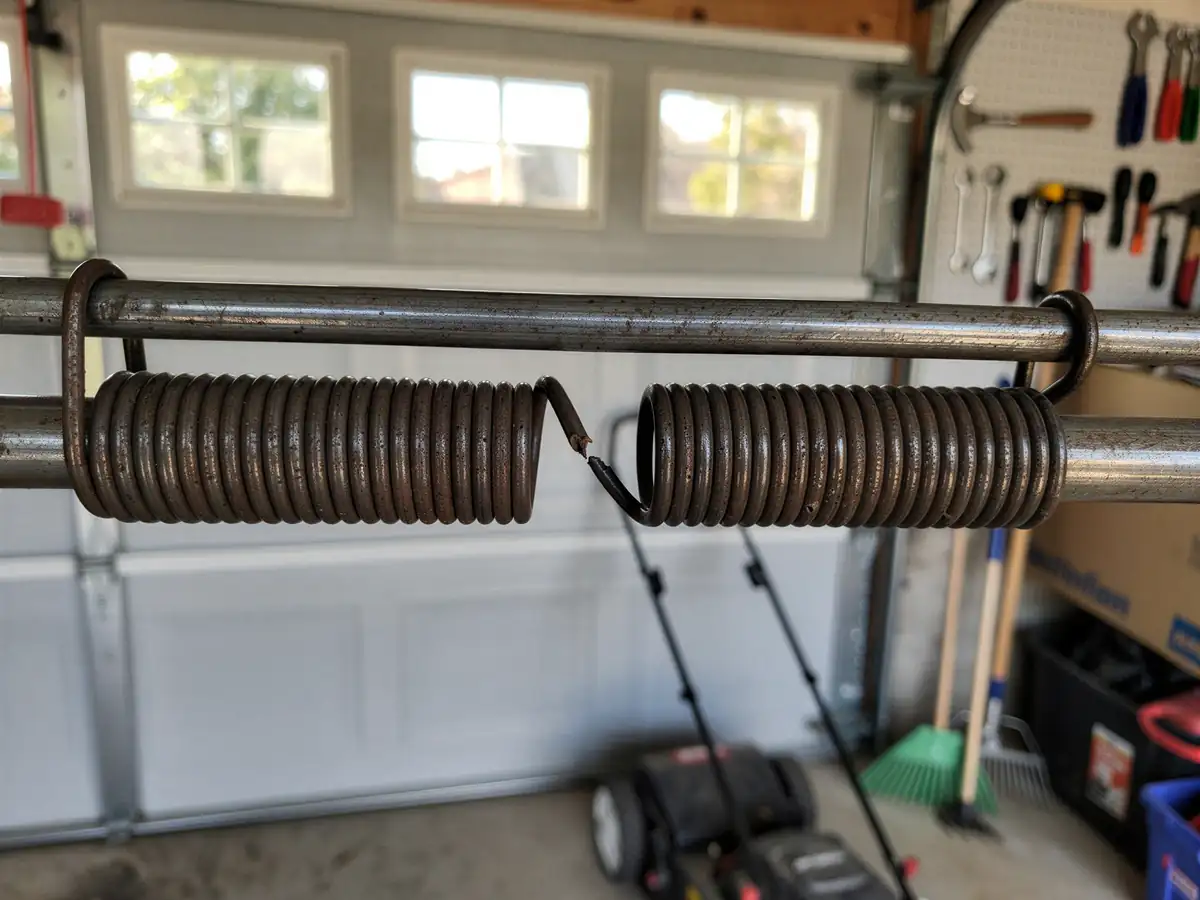
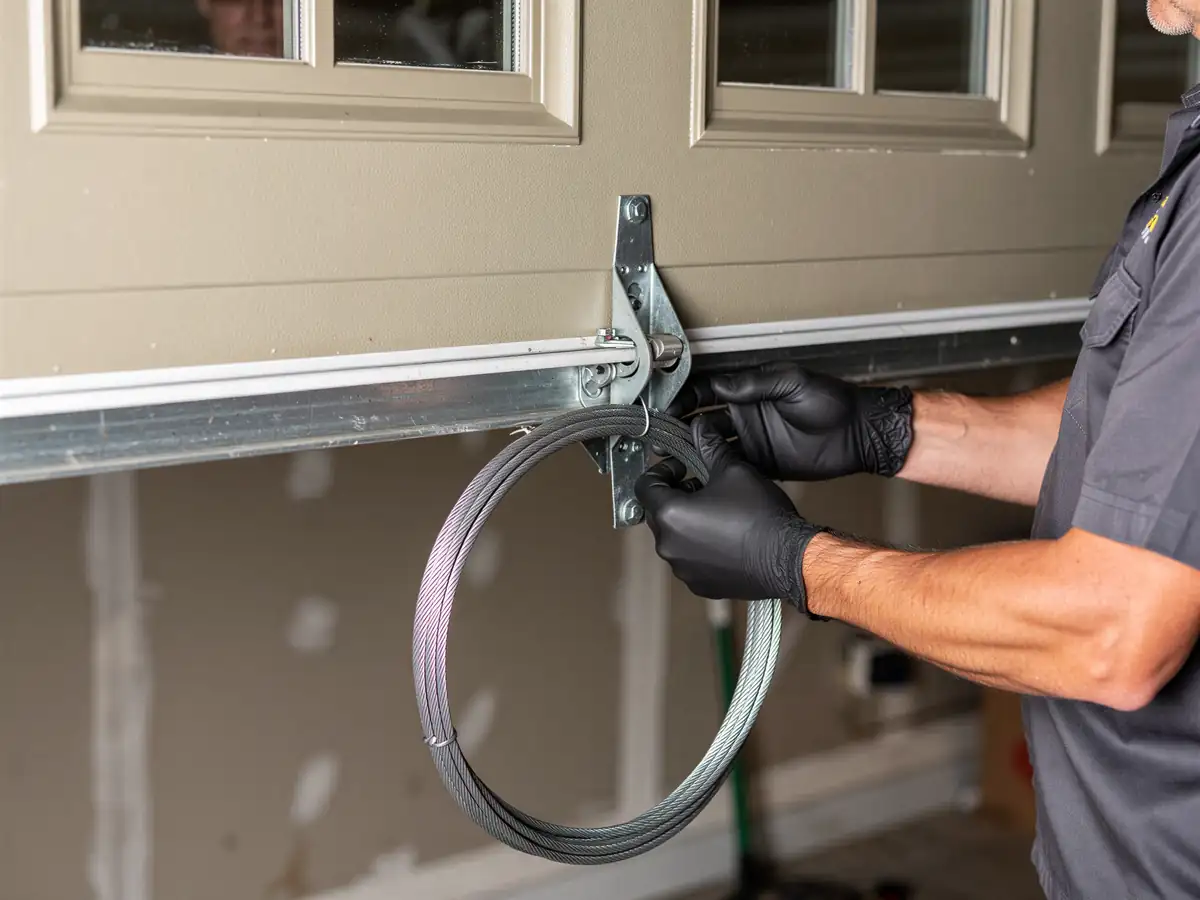
Or any section with the cables still under tension. That's not a scare tactic - a wound torsion spring lets go with enough force to break bones, and it's the one part of this job we won't walk a homeowner through over the phone. If your damaged panel is a middle or bottom section and the door still opens and closes true, it's worth trying yourself first. If it's the top section, or the door's started binding or racking in the track, that's the point to call instead of keep going.