What Is on the Truck
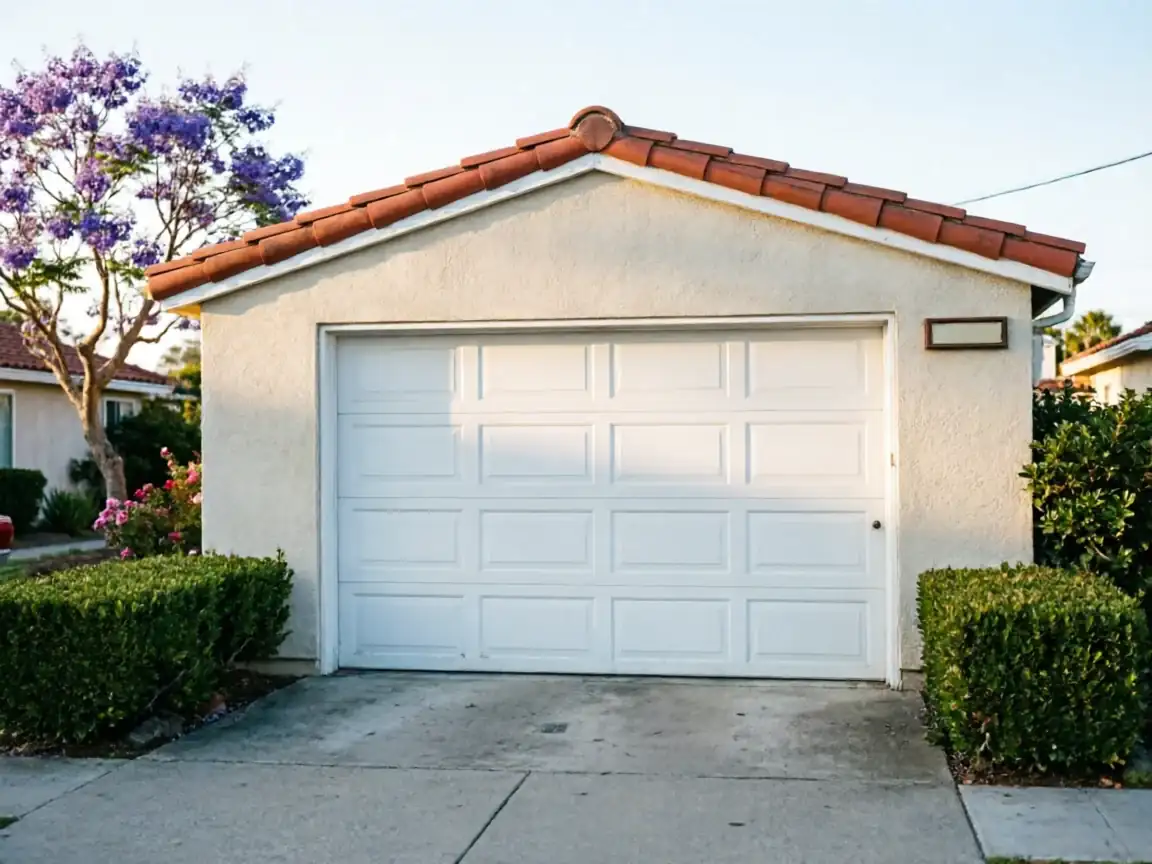
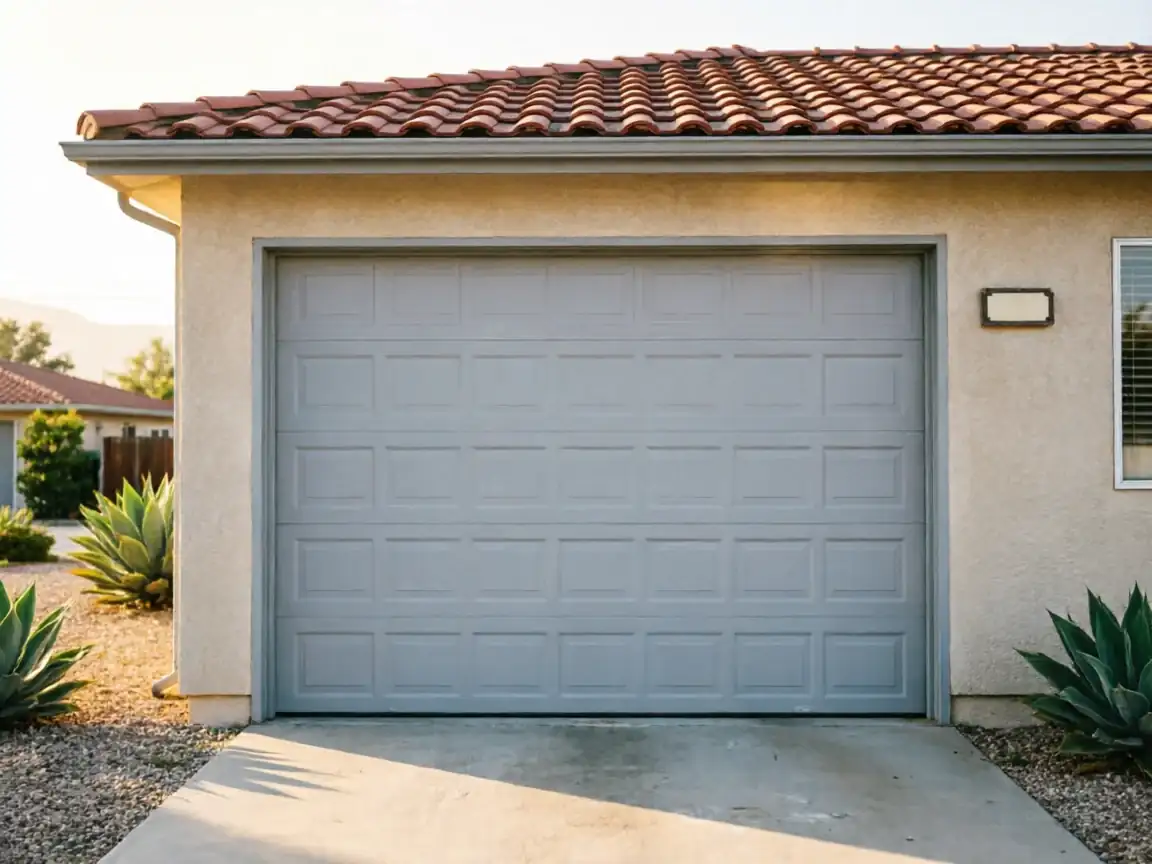
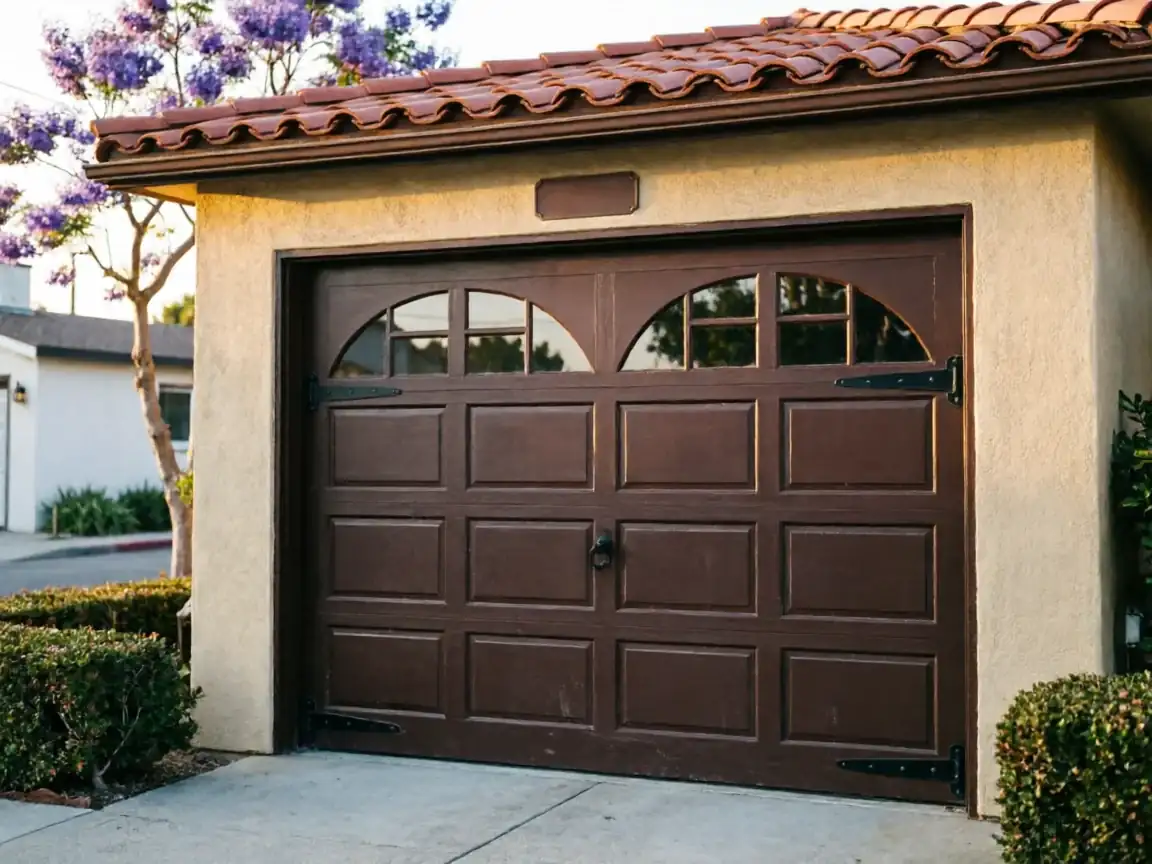
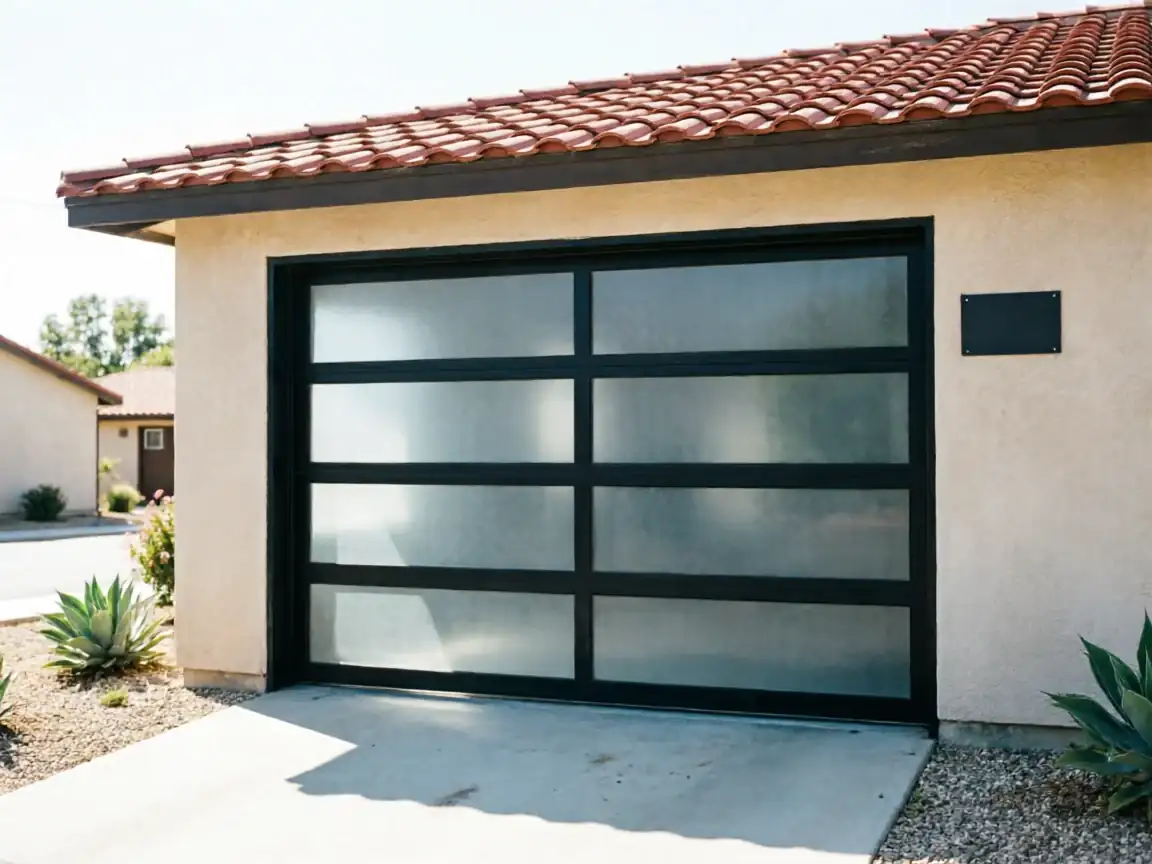
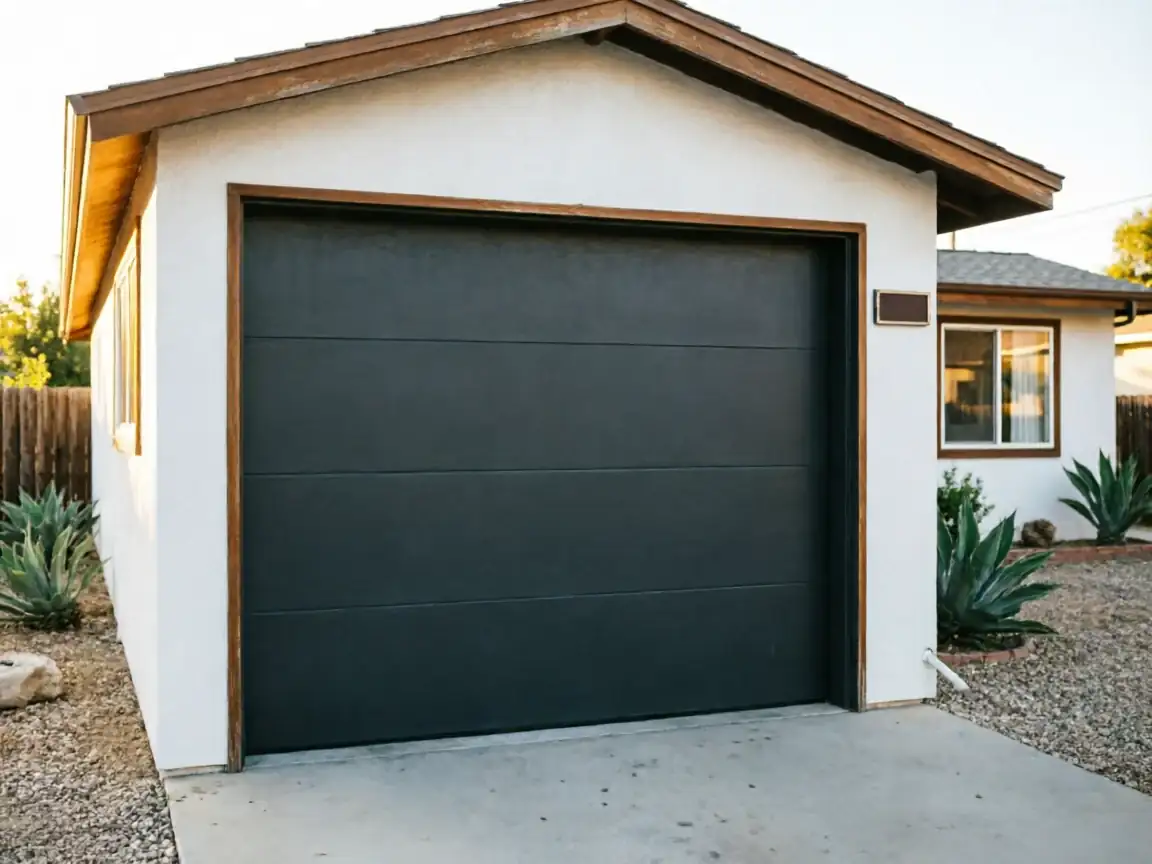
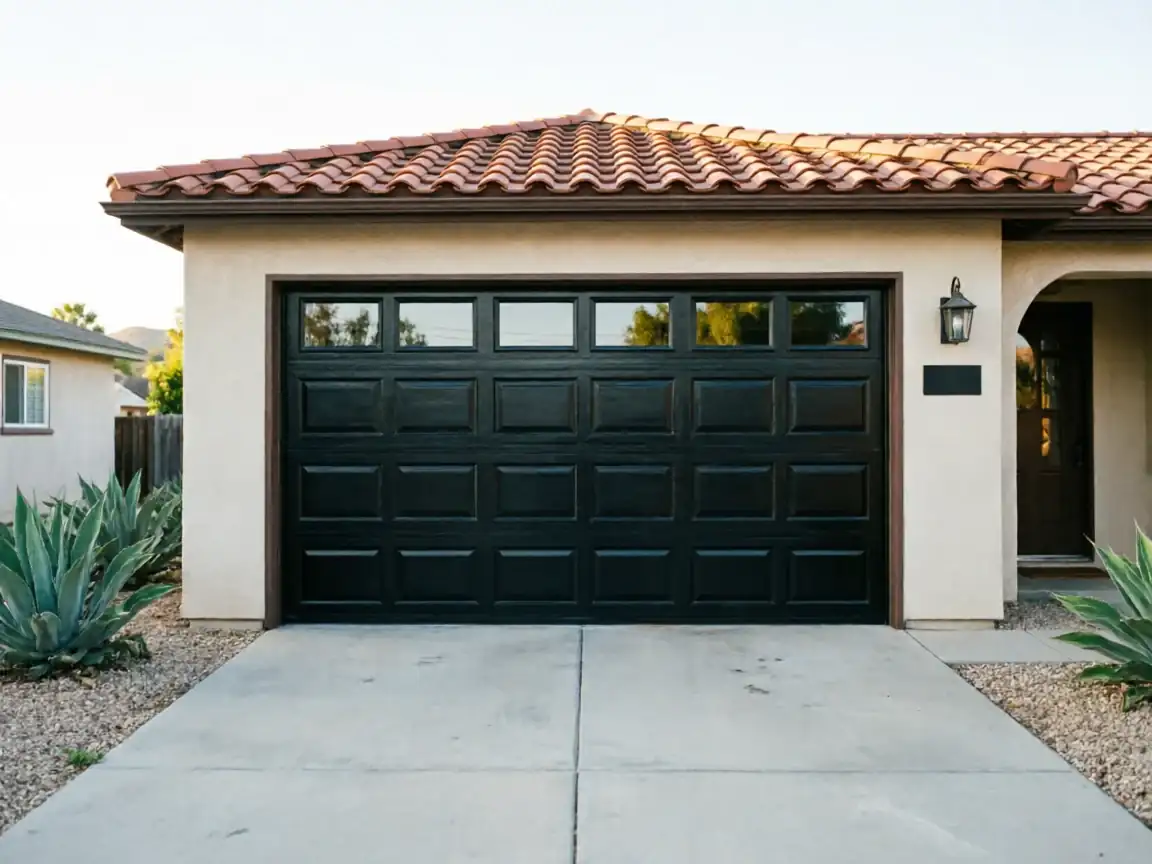
For Happy Valley jobs we load for the hardware we expect to find, not the hardware a newer subdivision would have. That means both torsion and extension spring kits, since houses from this build era mix both setups depending on who did the original install or a past repair. We carry wall brackets and reinforced track sections because original framing from the late 1970s often needs backing before it can take a new door's weight. Openers go on the truck with updated safety sensors built in, since anything original here predates that requirement by over a decade. We stock a range of insulated steel panels - single and double layer - because summer heat in this part of the service area is severe enough that an uninsulated door turns a garage into an oven by early afternoon. What we don't carry on every run is custom wood or specialty glass-panel doors; those get special-ordered once you've picked a style, and that adds lead time we can't shorten from our end.
How We Fix It
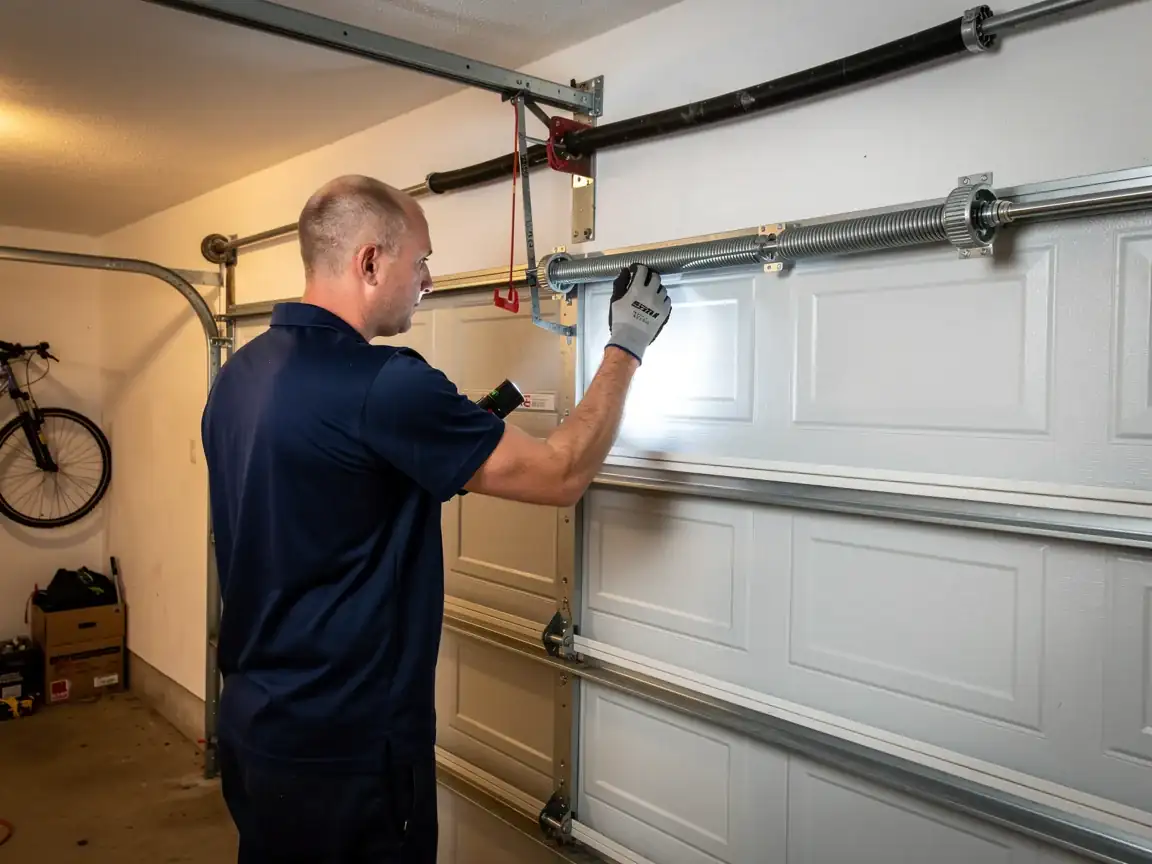
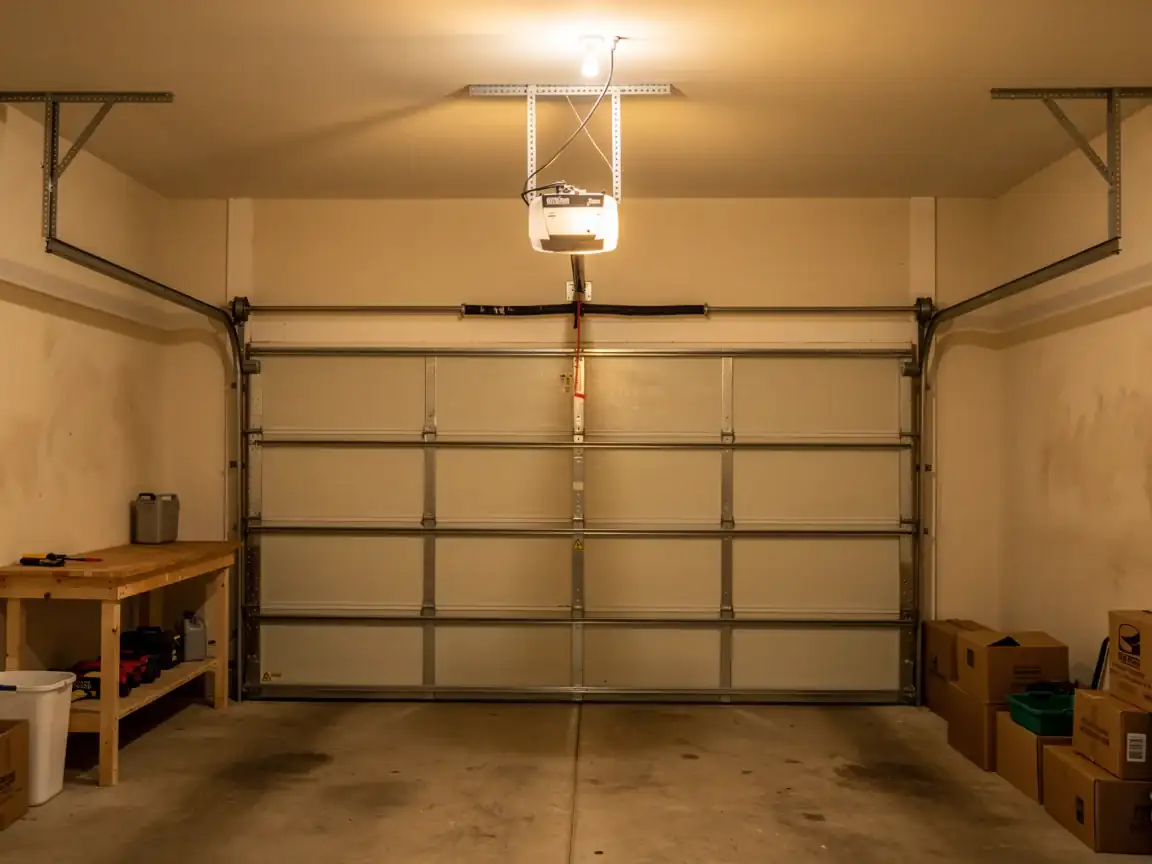
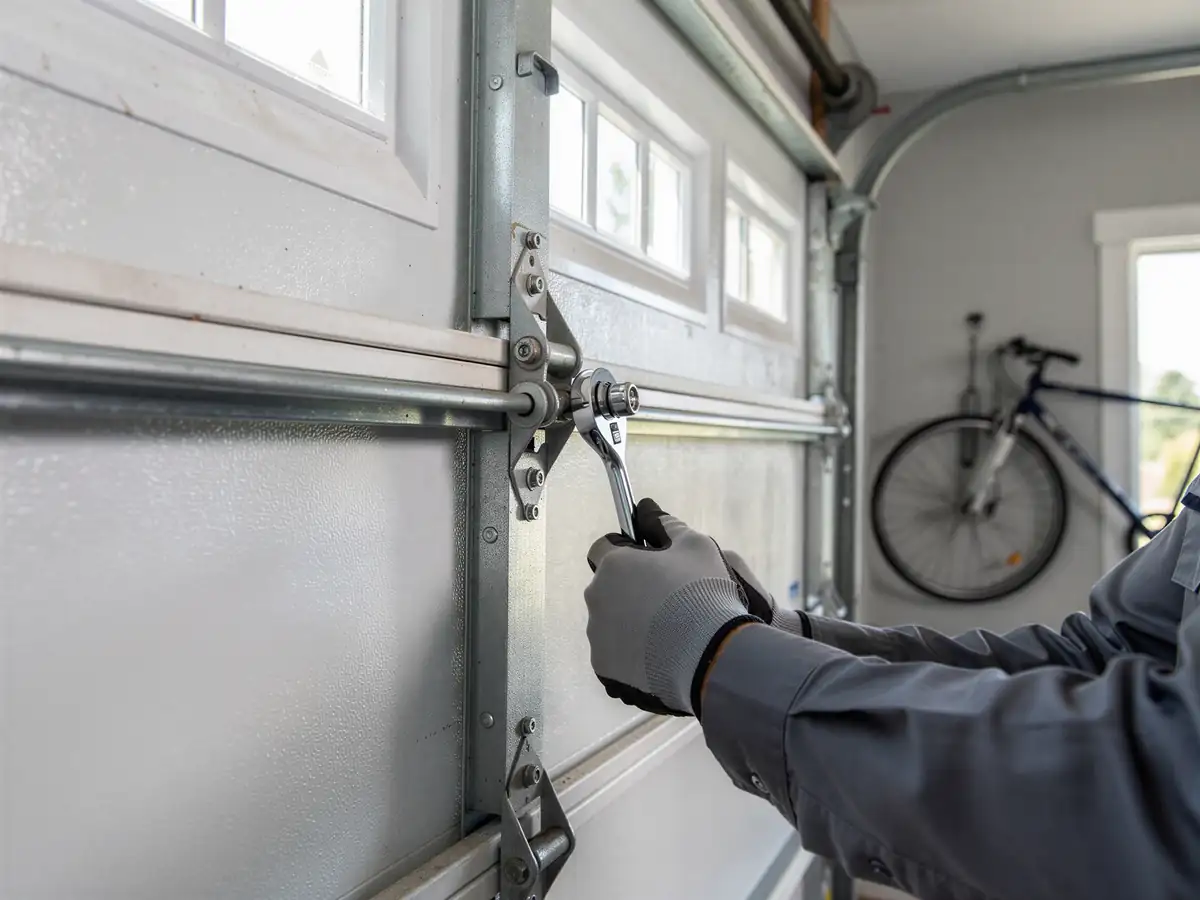
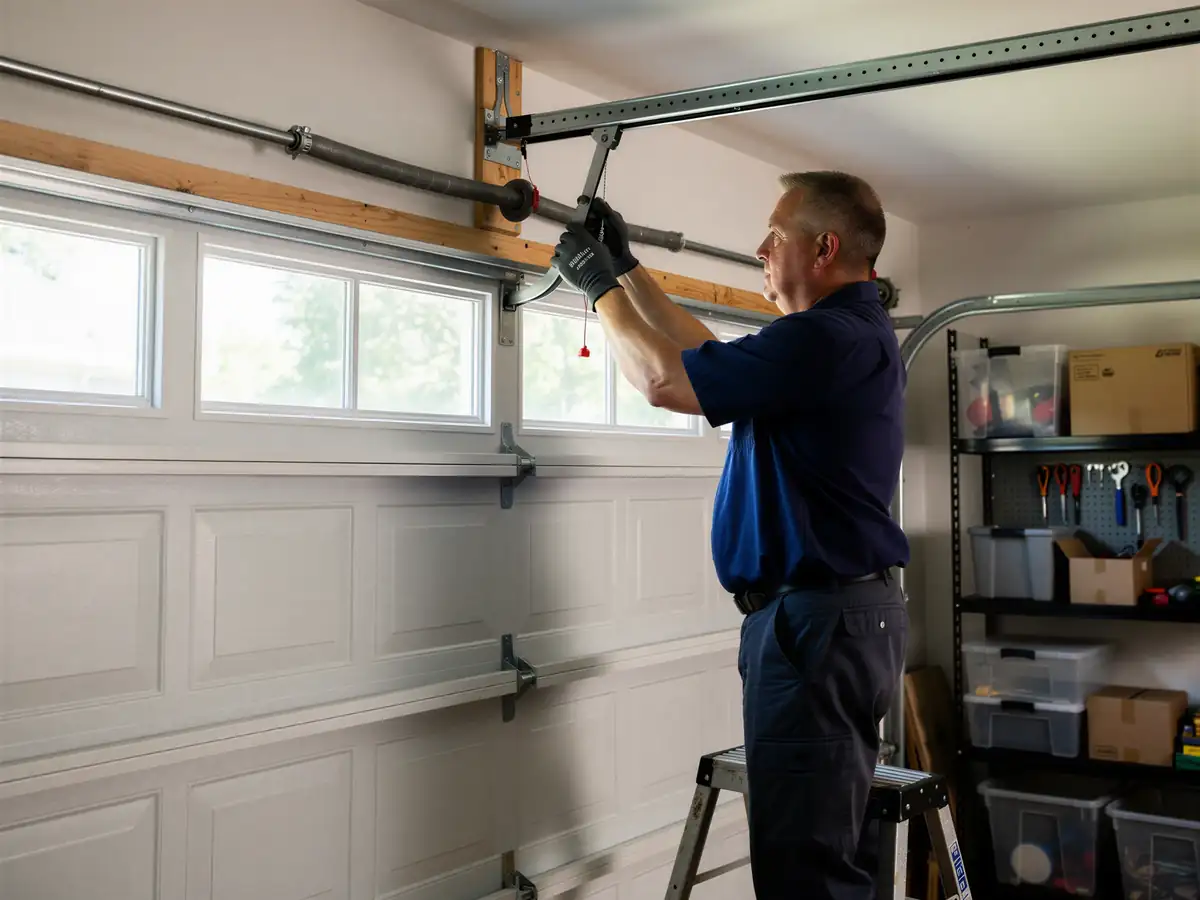
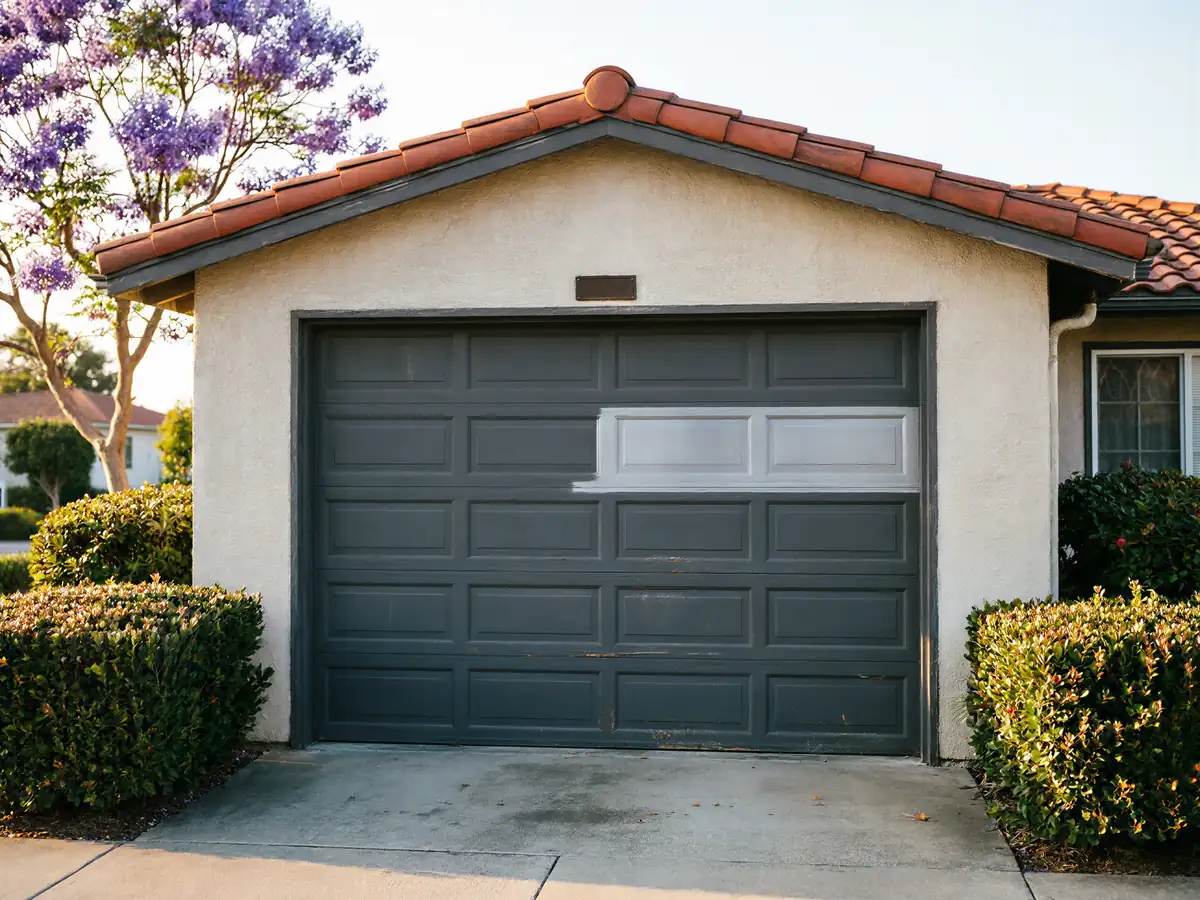
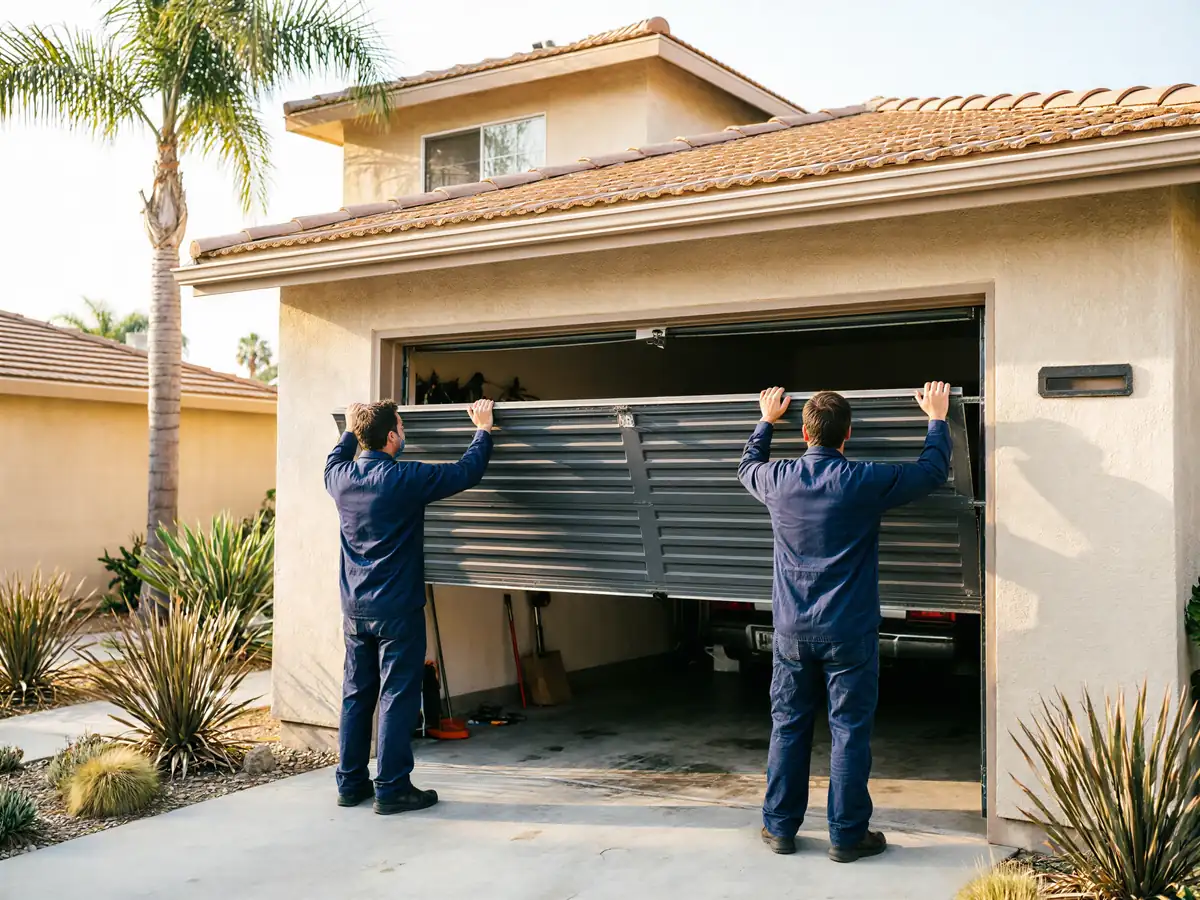
Installation starts with pulling the old door and checking what's actually bolted to the house - track alignment, header strength, and whether the jamb has settled, which is common on houses this age. We reinforce or replace bracketry before the new door goes up, not after. Springs get sized to the new door's weight, not reused from the old setup, because a 1978-era extension spring sized for a lighter uninsulated panel will fail fast under a heavier insulated one. Opener installation includes the current safety sensor pair, travel limits set for the new panel's actual height and weight, and a balance test by hand before anything's powered on. If your current door is more repair than replacement candidate, that's a different job and a different page - see our Happy Valley repair work for that call. Given the eight-mile drive from our Redding shop, we schedule these as a planned appointment rather than a same-day stop, so the full crew and the right spring kit show up together.
Can You Do This Yourself
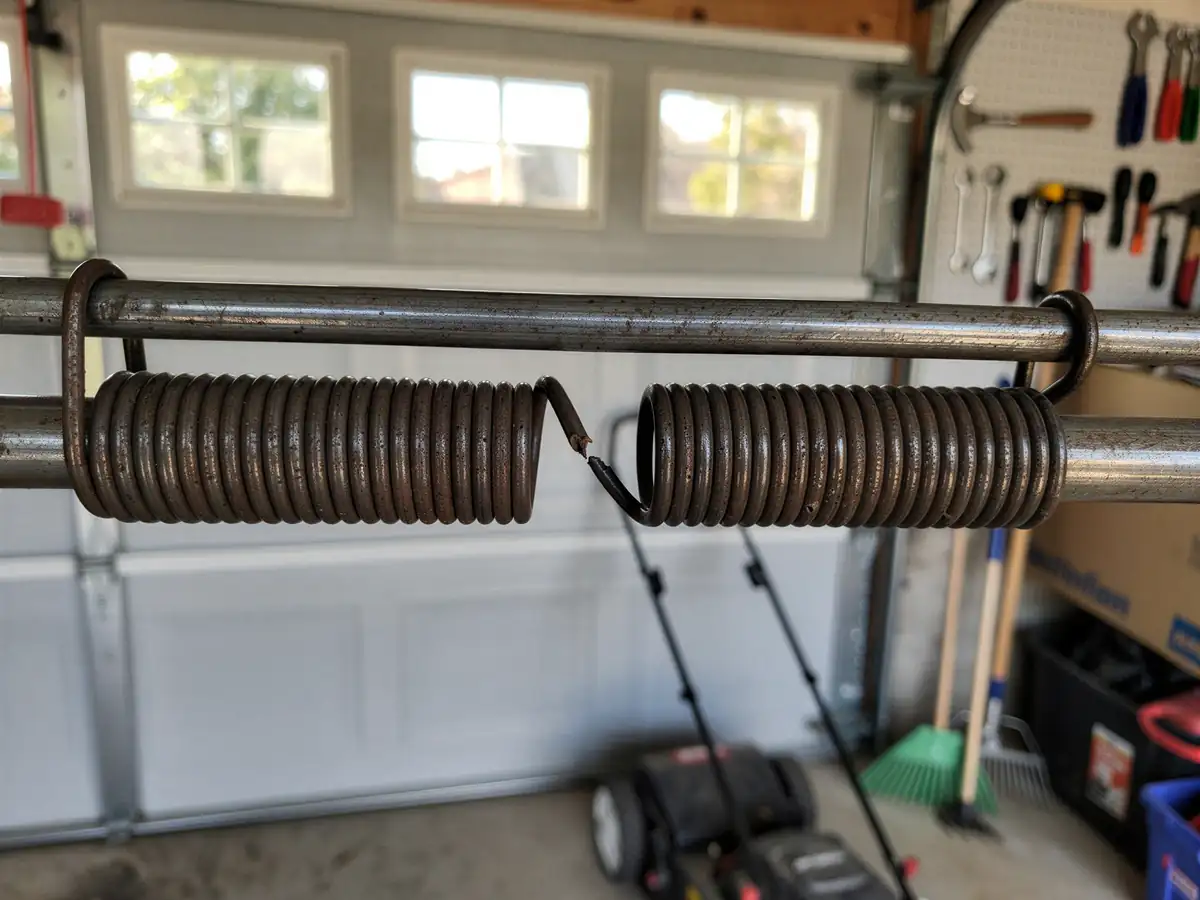
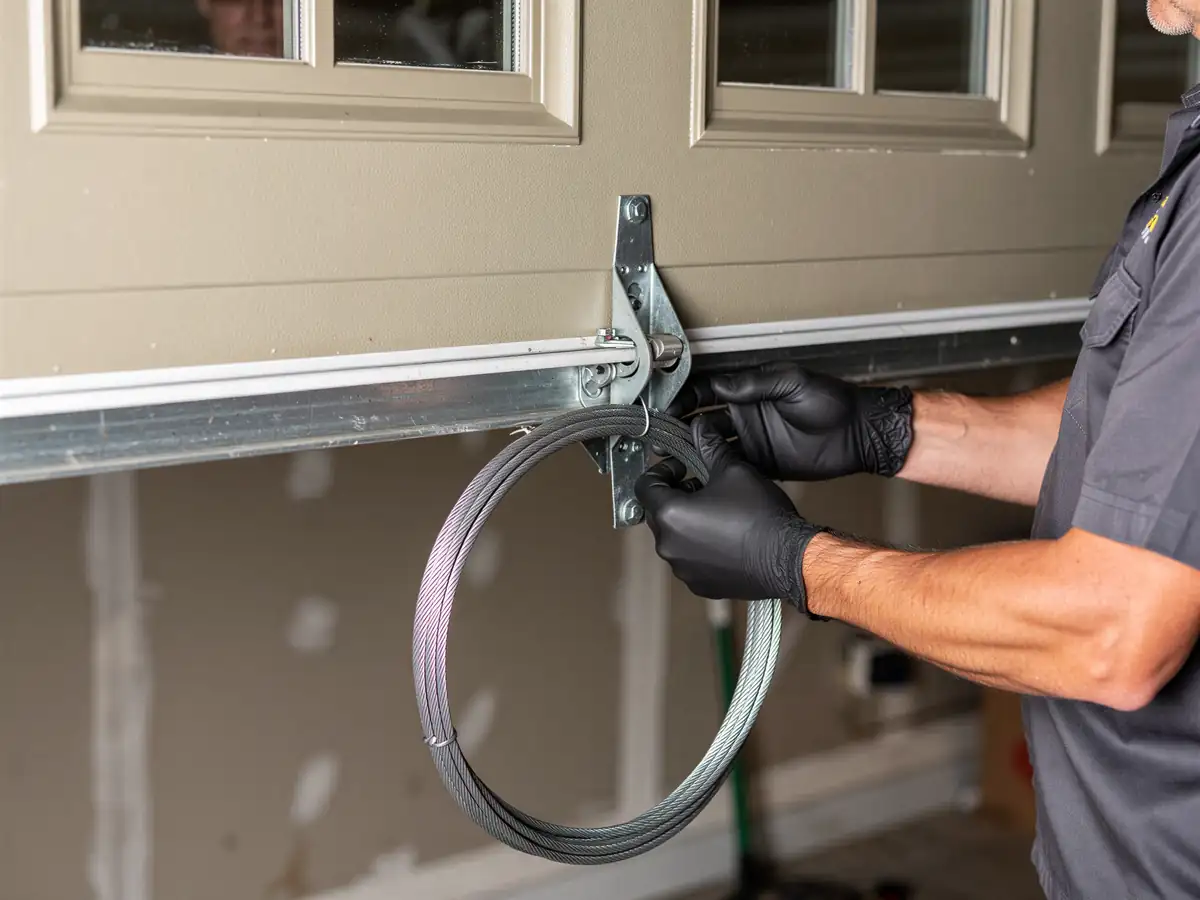
A new door is heavier and less forgiving than it looks, and on a house from this build era the hidden part of the job - bracket and header condition - isn't something you can eyeball from the driveway. Torsion springs under tension have put people in the hospital, and extension spring setups from the late 1970s often lack the safety cables that keep a broken spring from becoming a projectile. If you're comfortable with framing carpentry and have someone to help lift panels, a straightforward swap on sound track is within reach for a confident DIYer. What's not a DIY call is anything involving spring conversion, header reinforcement, or opener wiring tied into the safety sensor circuit. If you get partway in and the jamb turns out to be softer than expected, that's the point to stop and call rather than push through it.
How Long You Are Without the Door
Because we're coming from Redding, about eight miles out, a Happy Valley install is scheduled as a dedicated trip rather than worked in between closer jobs, so we'll give you a window rather than an exact hour. The door itself usually goes from old-out to new-in within a day once we're on site, assuming the opening doesn't need header work. Where it runs longer is when the original 1978 framing needs reinforcing before the new panel can hang - that can add a return visit if we find it needs lumber we didn't load for. Custom panel styles or anything special-ordered adds lead time on the front end, sometimes a couple of weeks before the door even arrives at our shop. We'll tell you up front which category your job falls into once we've seen the opening, so you're not guessing at how long the garage sits open.