What Is on the Truck
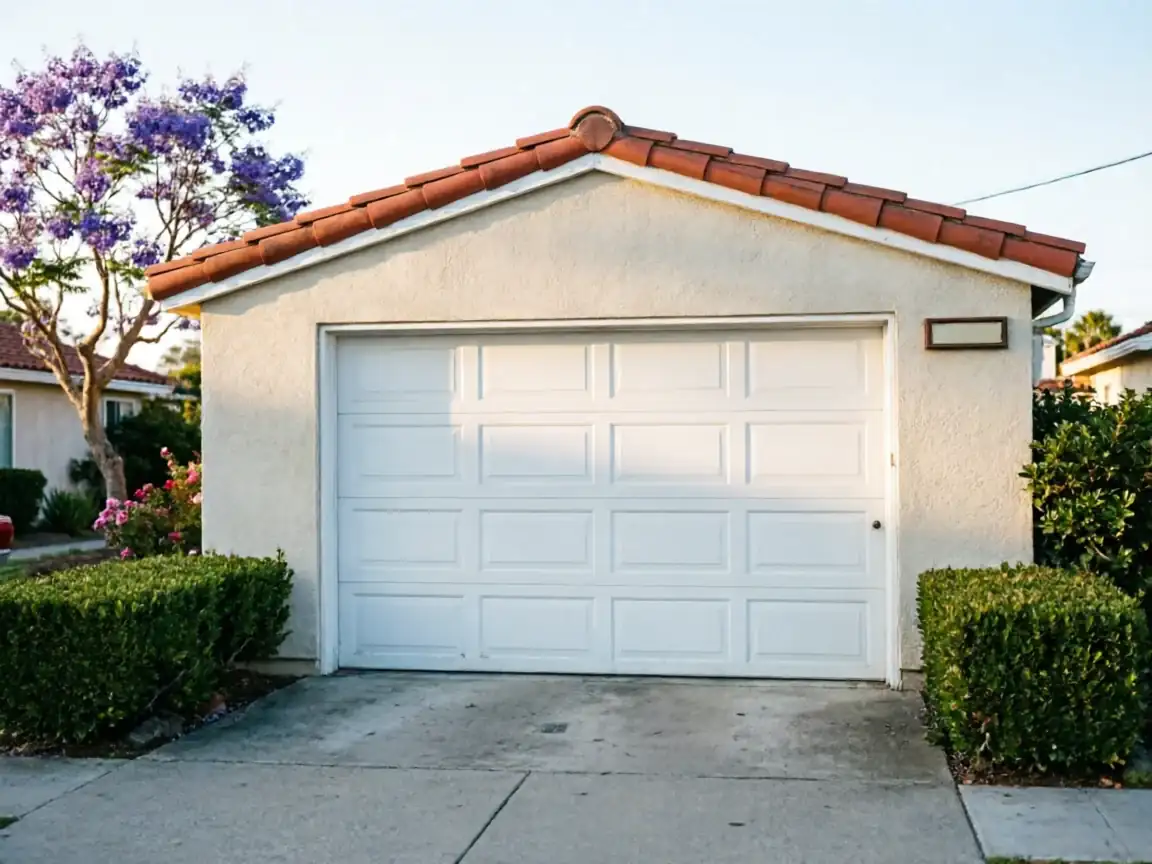
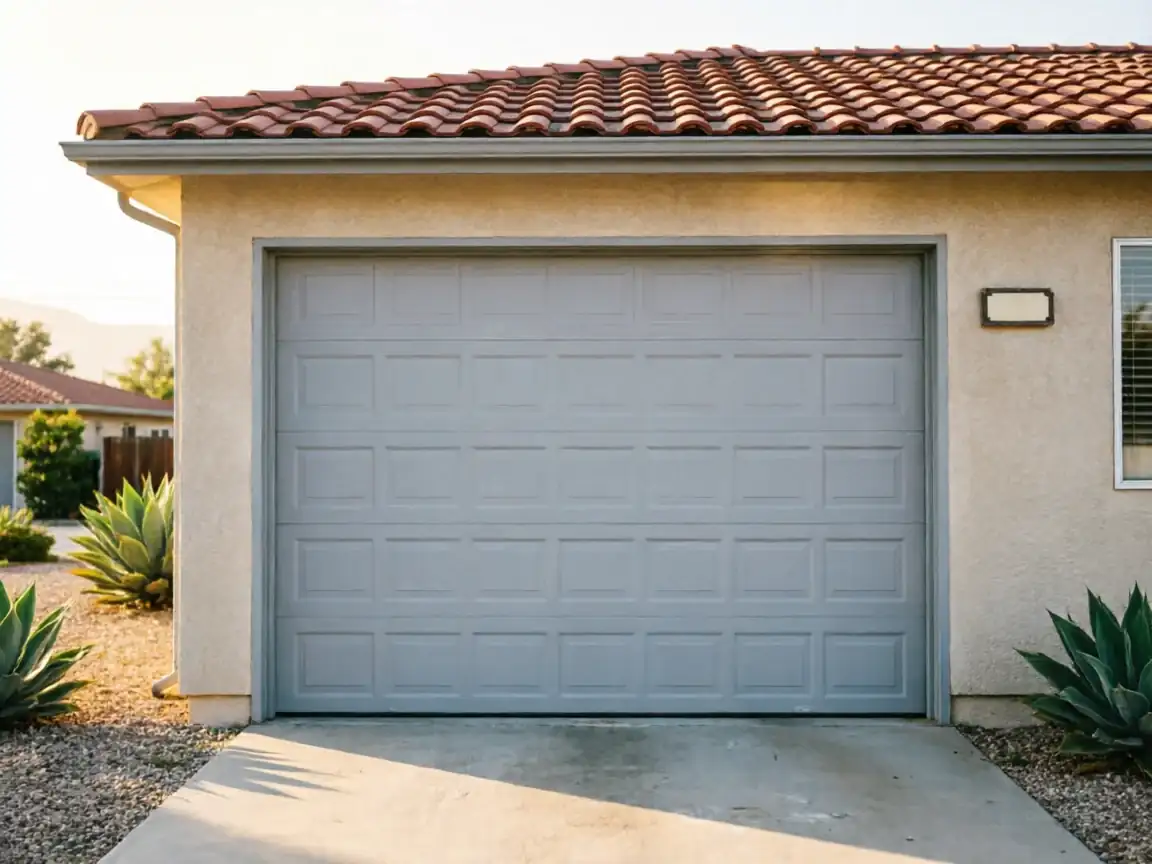
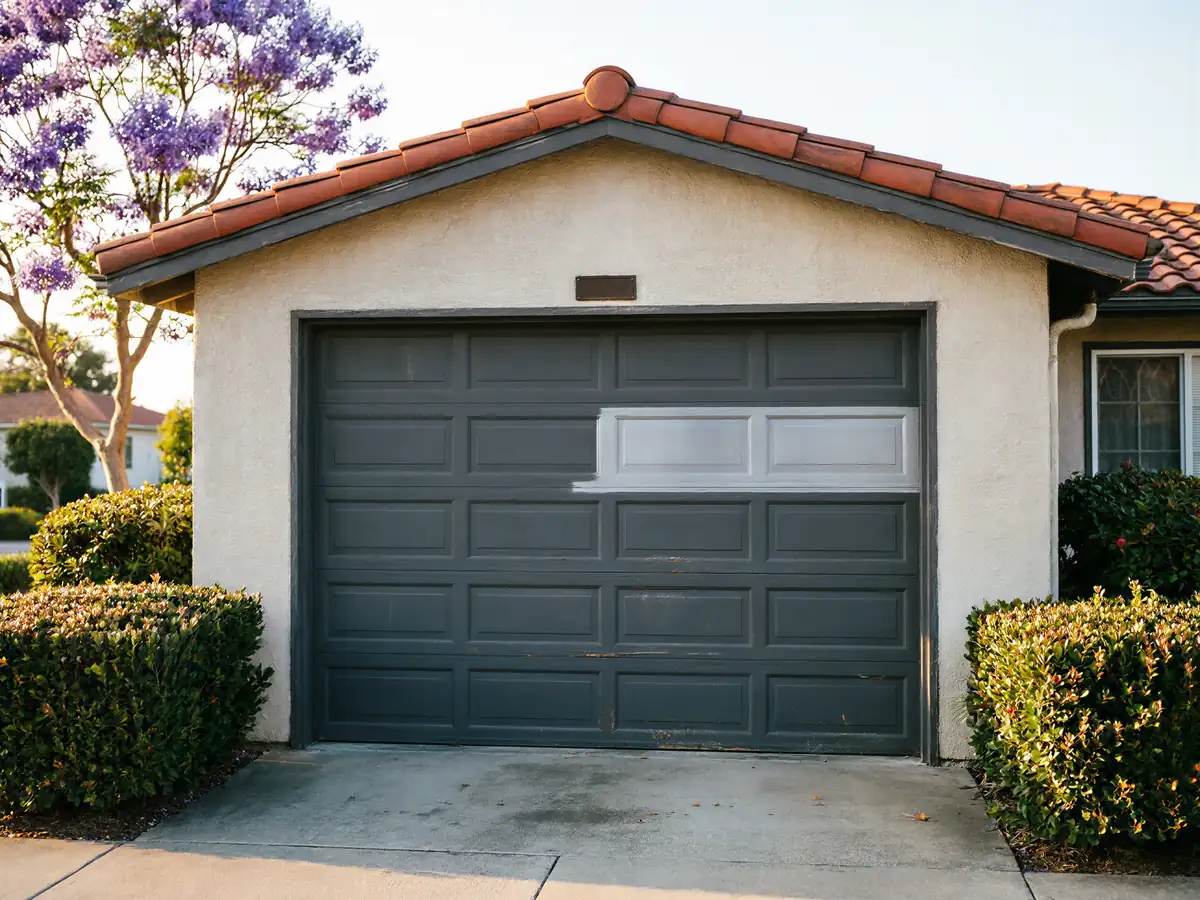
Anderson's housing stock centers on 1980
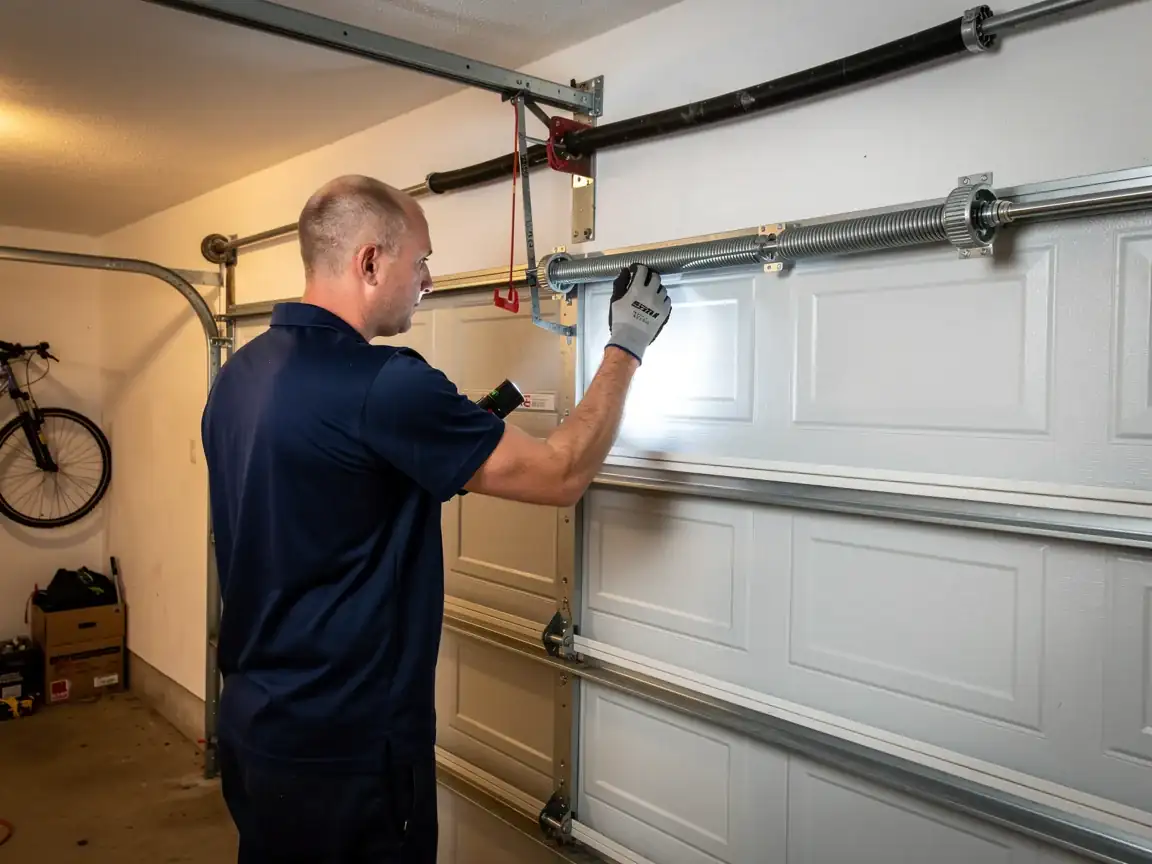
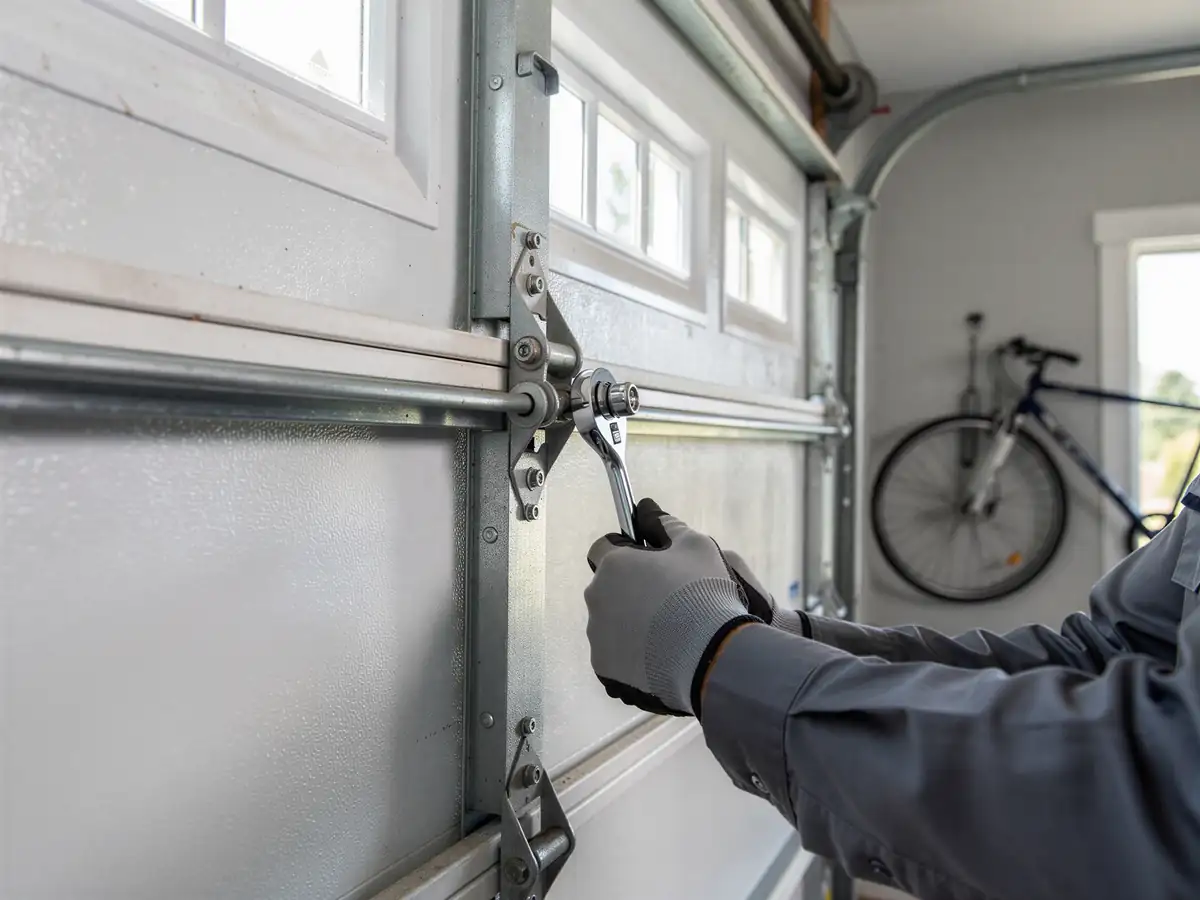
And that year matters for what we load before we even leave Redding. A door built around then is almost always a steel sectional, non-insulated or single-layer, in the standard 16x7 or 9x7 sizes that builders used across this part of the county. Wood doors from earlier decades are rare out here. What we carry for these jobs is extension spring sets and the older-style torsion kits that fit side-mounted brackets, since a lot of these garages were framed before center-mounted torsion became the default. We also keep galvanized rollers and the lighter-gauge track that matches a panel this age, because a 2020s heavy-insulated door and a 1980 steel door do not share hardware, even if the opening is the same size. If a part on the truck doesn't match what's on the wall, we say so before we start charging for the visit, not after.
The truck comes from Redding, nine miles up the road
Which is close enough that we're not guessing at drive time or padding the window to cover it.
The Symptom
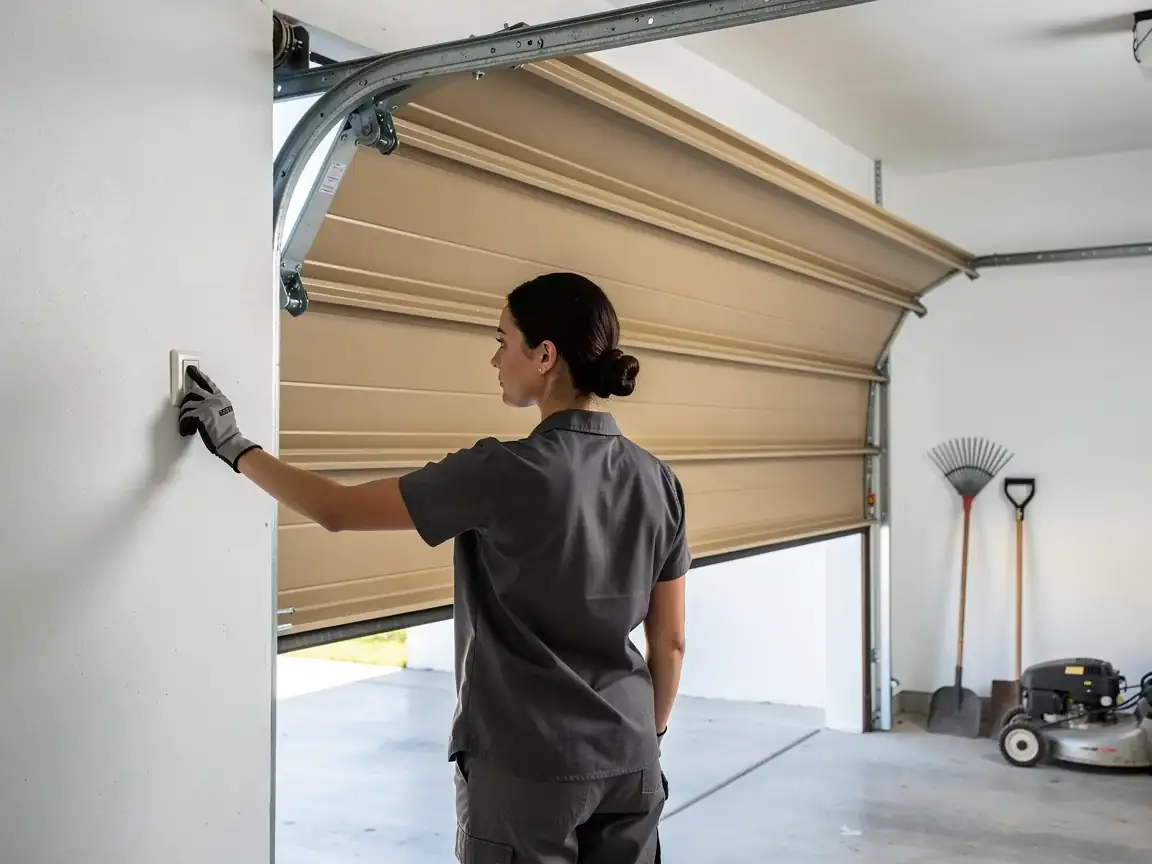
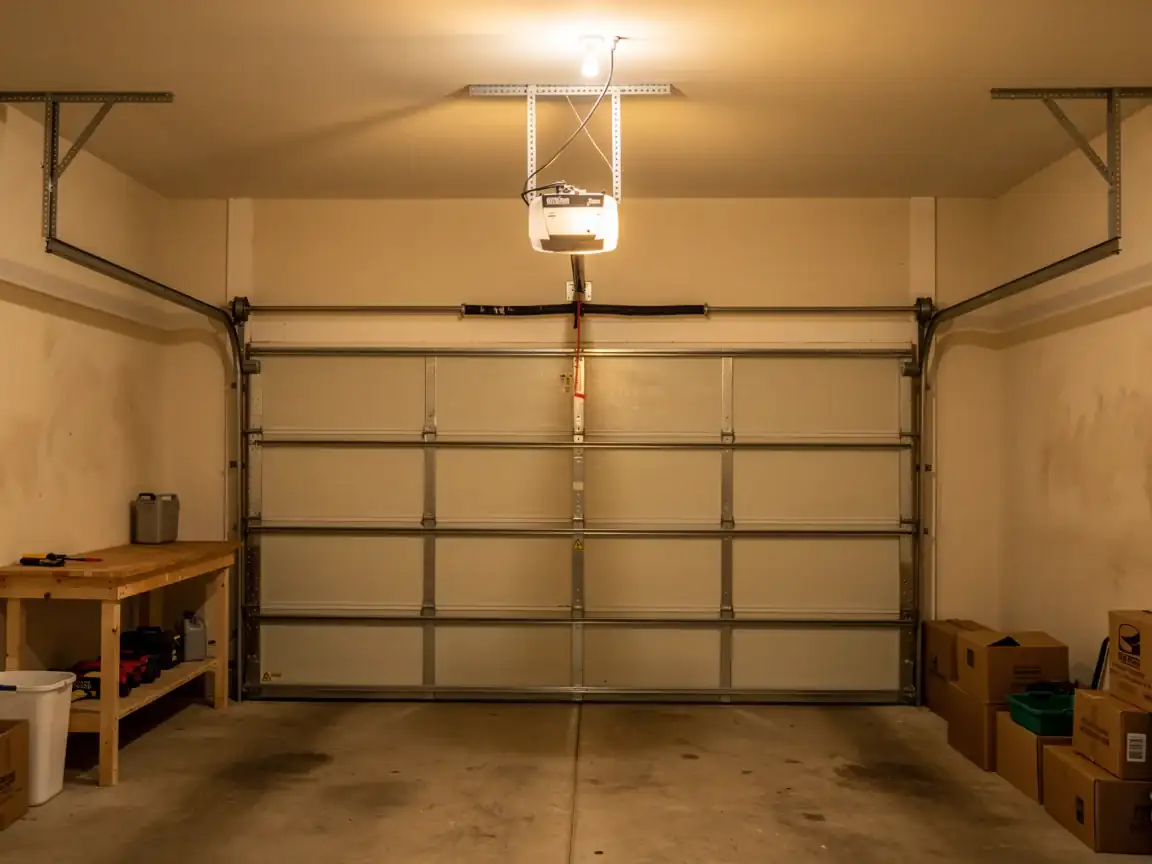
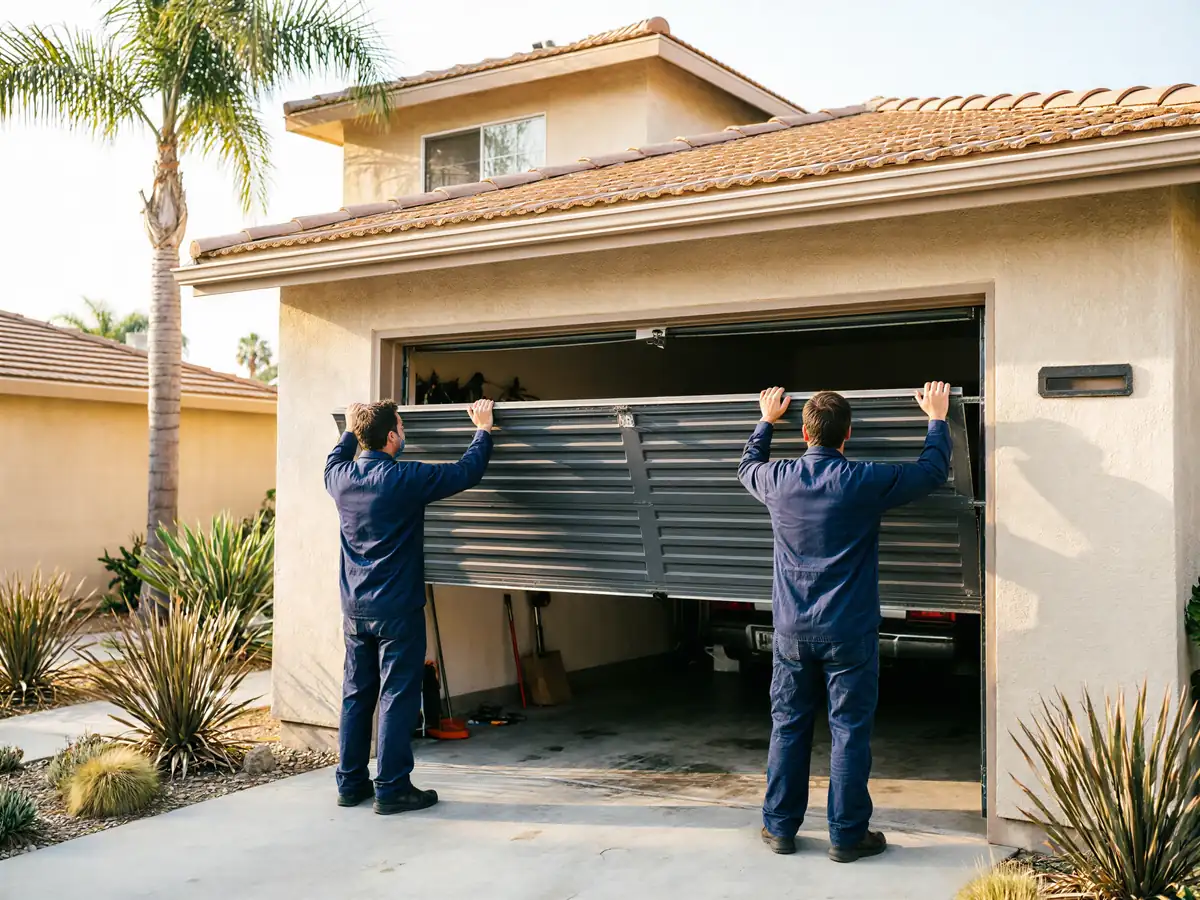
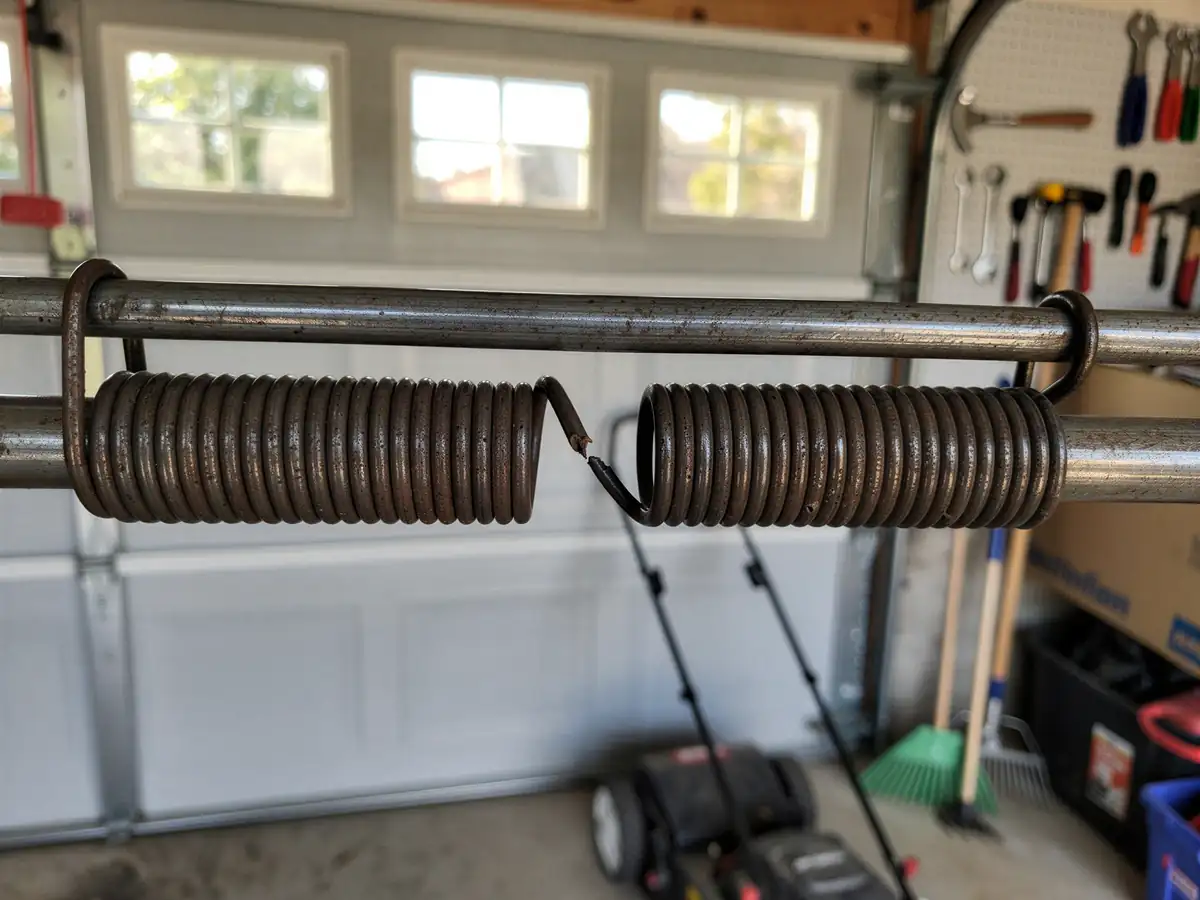
The complaint we hear most out of Anderson is a door that slams the last foot of travel, or won't come down evenly, one corner dragging behind the other. On a 1980-era steel door that's usually the spring losing tension, not the opener. These doors are heavy enough that a weak spring shows up fast: the opener strains, the chain or belt skips, and eventually a sensor or the motor gear gives out trying to compensate for a job the spring used to do. A second common call is a track that's pulled away from the jamb, which on a panel this age is often the original mounting hardware finally letting go after four decades, not a new problem.
When a homeowner describes the door as 'fine until it suddenly wasn't,' that's almost always a spring, and almost never worth troubleshooting over the phone - we'd rather look at the coil wear in person than guess.
Why It Happens Here
Anderson sits in a climate zone the federal data flags as severe heat, and steel doors from the 1980 era feel that more than newer insulated models. Daily heat cycling expands and contracts the panel and the track mounts, and over forty-plus years that cycling loosens lag screws, warps thin steel skins, and dries out the lubrication in older spring coils faster than it would in a milder zone. Combine that with median household income here around $50,306 - notably lower than the roughly $95,978 median across the wider Redding service area - and a lot of Anderson doors get repaired in stages rather than replaced outright, which is a reasonable call on a door that still has good bones.
With 4,825 households in town, most dealing with the same era of garage, we see the same failure points repeat: the side-mounted torsion bracket, the original rubber-gasket weatherstrip gone brittle, and springs that were sized for a lighter door than later safety standards would spec.
Where This Job Goes Sideways
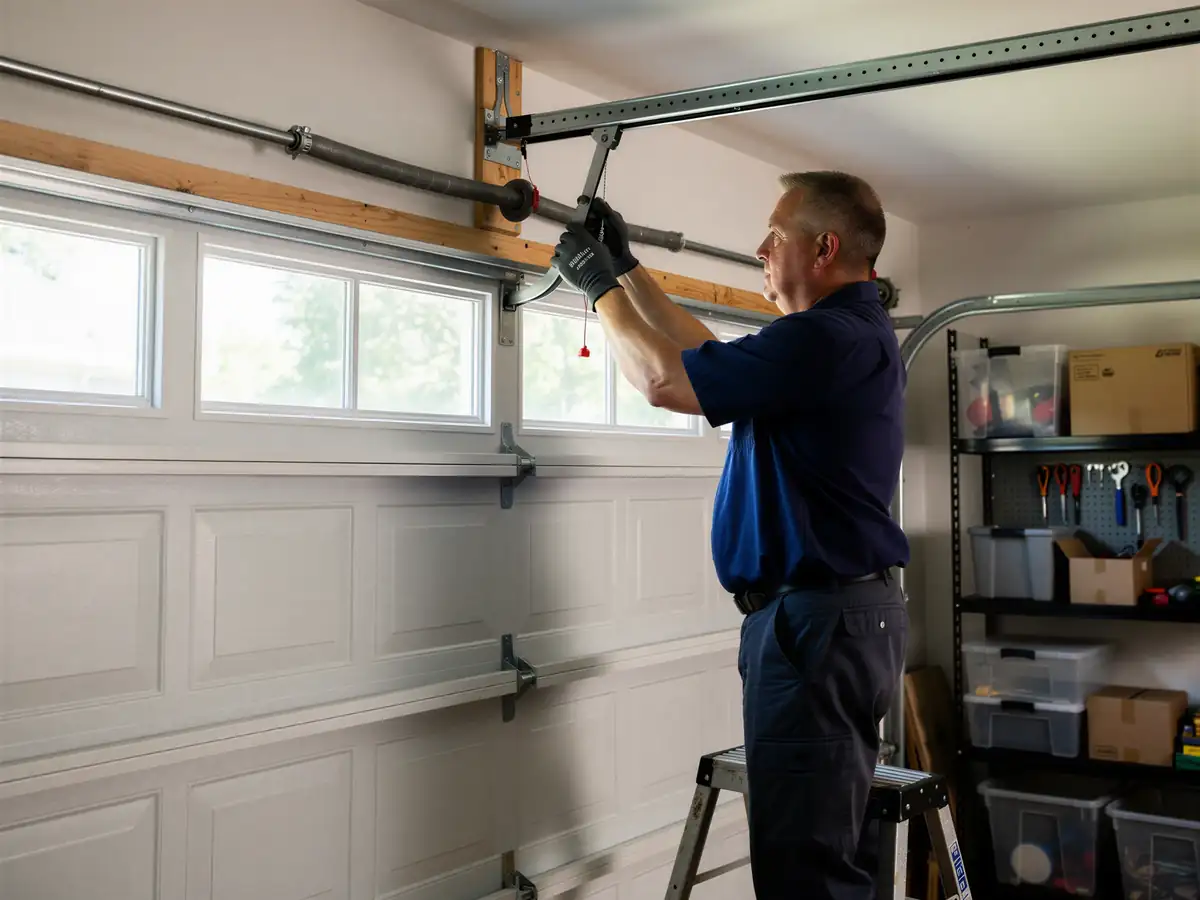
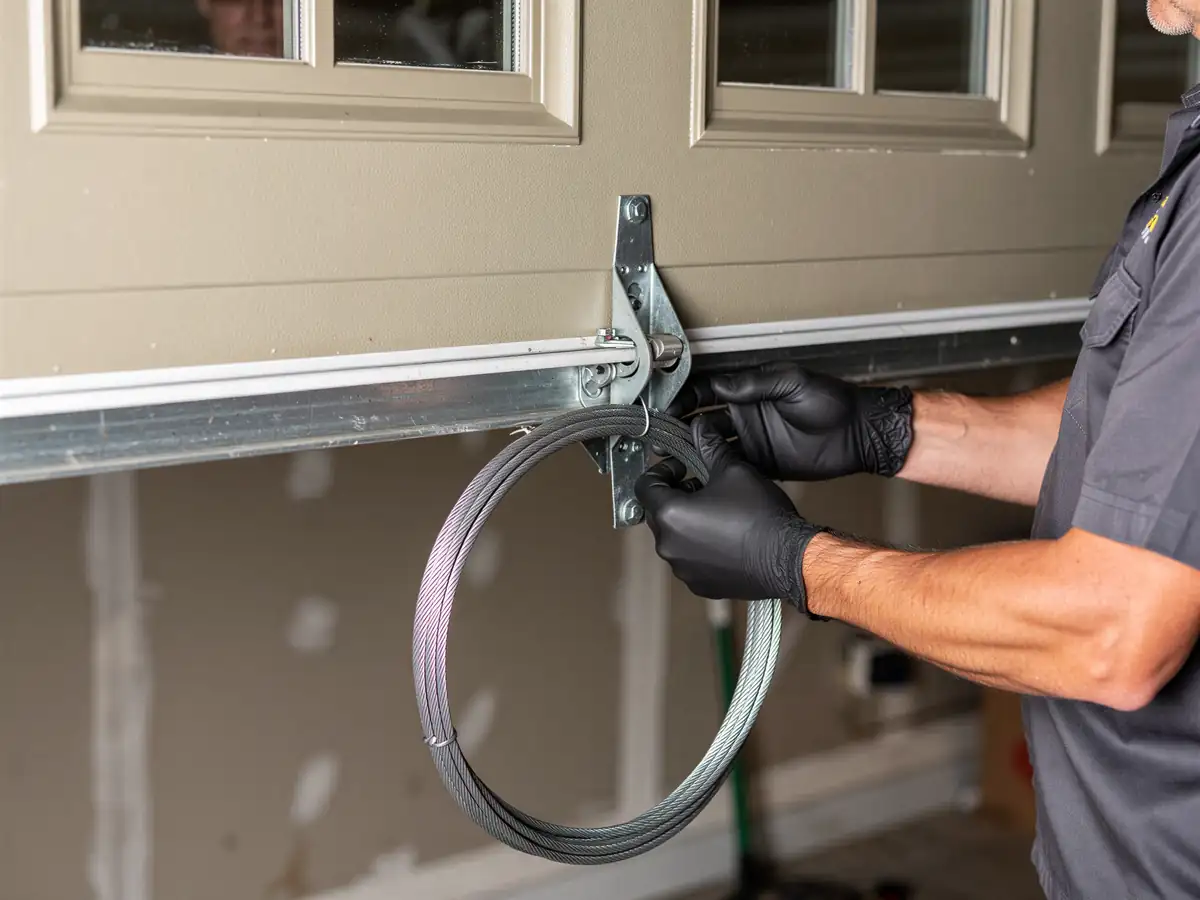
A repair goes sideways when someone treats a spring job as a five-minute fix and the cable underneath it is just as old
On a door built around 1980, the cable, the spring, and the drum are usually original or close to it, so replacing one without inspecting the others is how a second call gets scheduled within the month. We've also seen panels on these doors warped enough from heat cycling that a new spring makes the door operate correctly for the first time in years, which can feel like overkill until you see how far out of balance it was.
One limitation worth saying plainly
If the track or jamb hardware is bent badly enough, straightening it on site isn't always realistic, and we'll tell you that instead of forcing a fix that won't hold. Sometimes the honest answer is a new section, not a repaired one.